
Shenyang, Liaoning: Mukden Palace and Historic Sights
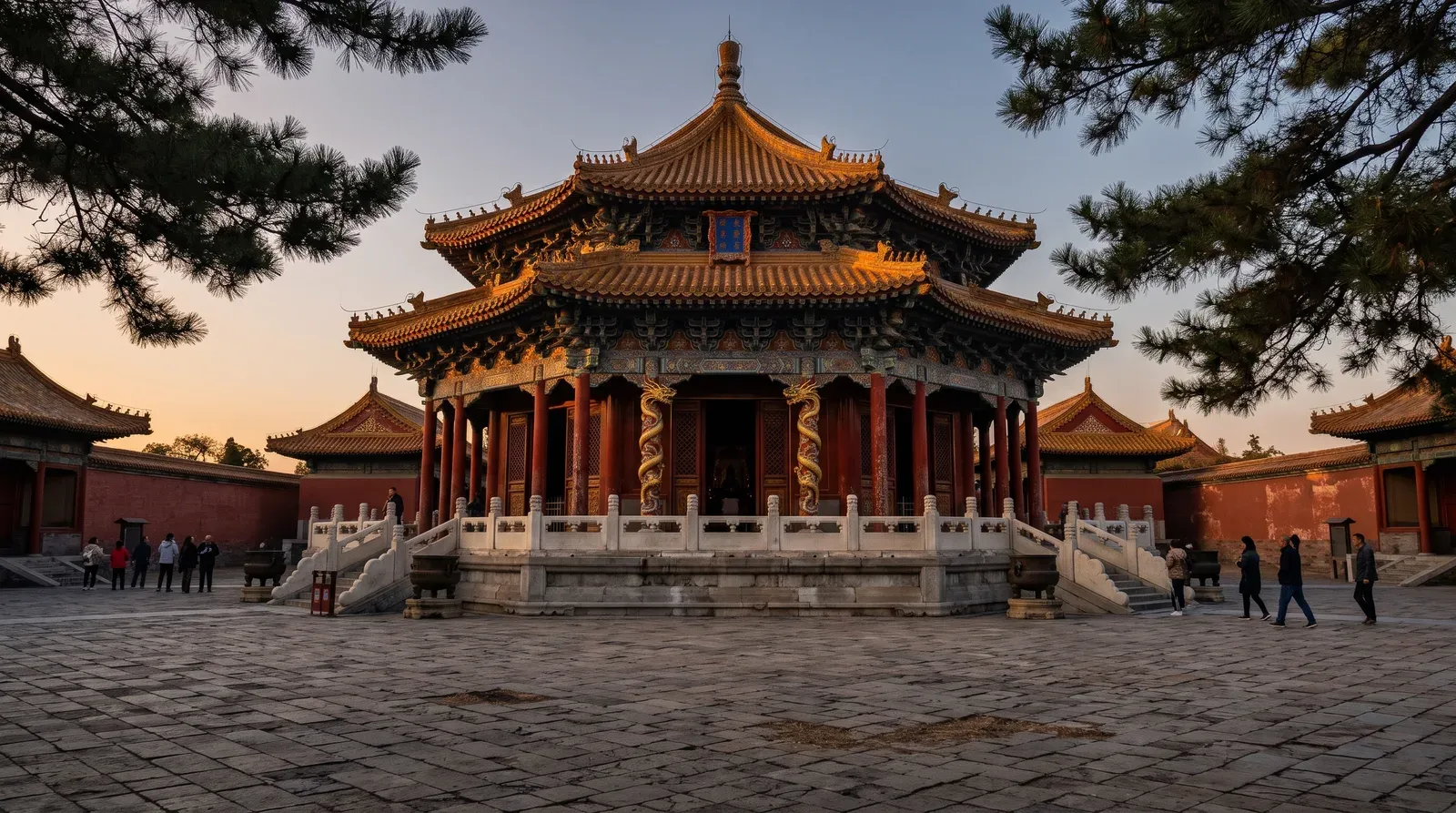
Traveling in Shenyang, Liaoning centers on exploring Qing dynasty relics from before and after the court moved to Beijing, led by the Mukden Palace built in 1625. The city links two imperial tombs, modern architectural compounds, and large museums, with a 216.7-kilometer metro network connecting the main historic sights.
Which Historic Sights and Museums Should You Visit in Shenyang, Liaoning?
The city preserves early Qing palaces and imperial tomb complexes, along with sites from modern history and a well-stocked provincial museum. These places vary in era, layout, and scale, and basic details help compare them before your visit.
| Attraction | Area | Core Historic Buildings and Features | Opening and Listing Records |
|---|---|---|---|
| Mukden Palace | About 60,000 square meters | Built in 1625, Dazheng Hall and Ten Kings Pavilions, Qingning Palace, Wensu Pavilion | Listed as a Major National Historical and Cultural Site in March 1961, World Heritage site in July 2004 |
| Zhaoling Tomb (Beiling) | 3,187,400 square meters | Joint tomb of Hong Taiji and Empress Xiaoduanwen, over 2,000 ancient pines over 300 years old | Largest of the three Qing tombs outside the Shanhai Pass |
| Fuling Tomb (Dongling) | About 194,800 square meters | Joint tomb of Nurhaci and Empress Yehenara and other consorts, Front Courtyard, Square City, and Treasure City | Buildings rise gradually from south to north |
| Former Residence of Zhang Xueliang (Marshal Zhang's Mansion) | 29,146 square meters | Central three-entry courtyard, Big Green Building, Small Green Building, and Zhao Yidi Residence | Includes the Red Buildings in the west courtyard |
| Shenyang "9.18" History Museum | Exhibition hall expansion | Broken Calendar Monument and underground exhibition halls | Officially completed and opened on September 18, 1999 |
| Liaoning Provincial Museum | Building area of about 120,000 square meters | Over 110,000 items, ancient paintings and calligraphy, Liao dynasty relics, Hongshan jades | Free admission, closed on Mondays |
What Are the Architectural Layout and Visiting Hours of Mukden Palace?
Mukden Palace covers about 60,000 square meters and was first built in 1625. It served as the imperial palace of the Later Jin and the early Qing before the court moved to Beijing, after which it became the Shengjing Auxiliary Palace. The complex was designated a Major National Historical and Cultural Site in March 1961 and was inscribed on the World Heritage List in July 2004 as an extension of the Imperial Palaces of the Ming and Qing Dynasties in Beijing and Shenyang.
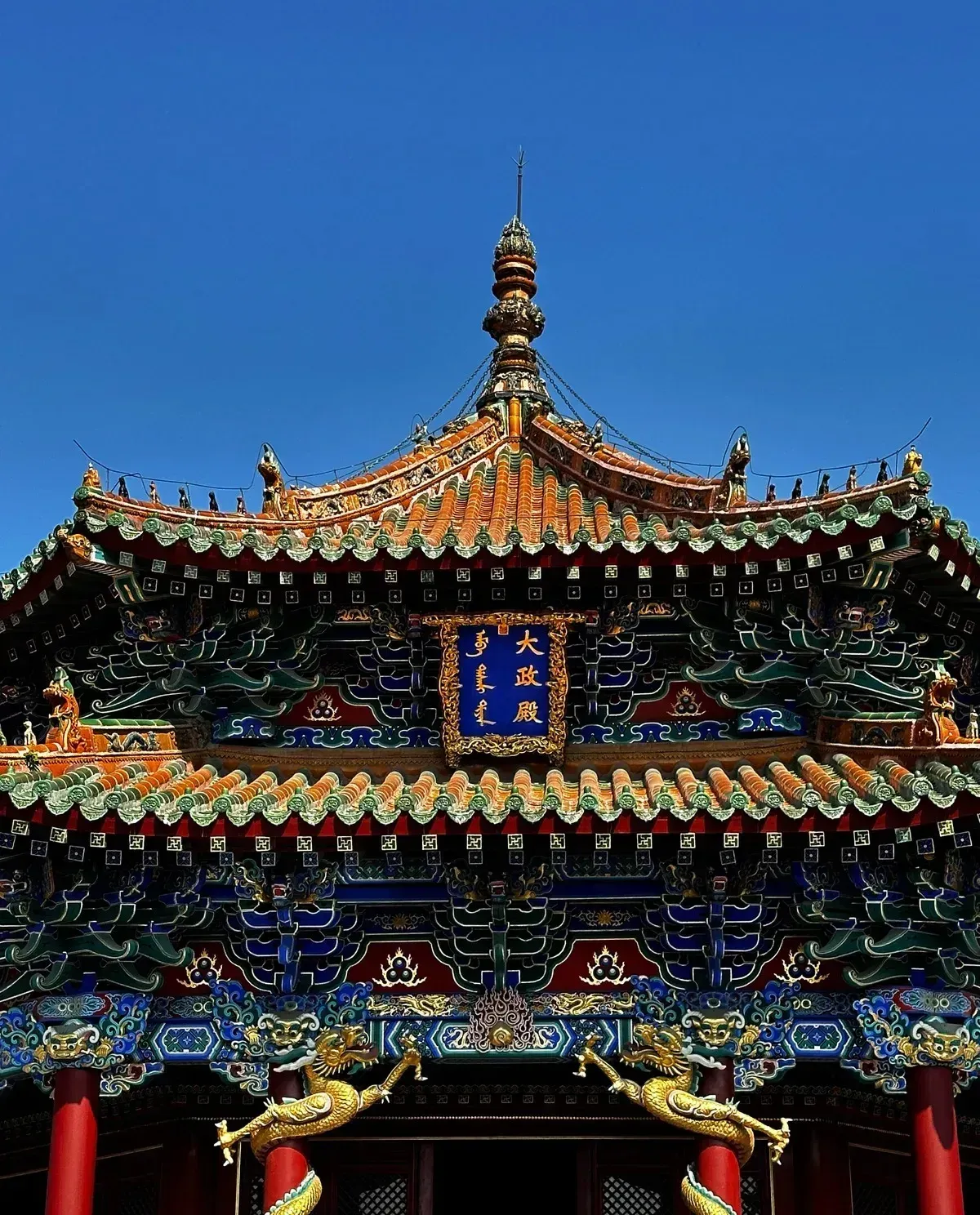
The palace blends Manchu, Mongolian, Tibetan, and Han architectural traditions. In the east section, Dazheng Hall and the Ten Kings Pavilions mimic the layout of nomadic military tents of the Eight Banners. In the central section, bedchambers like Qingning Palace sit on a raised terrace, creating a layout where residential palaces stand higher than ceremonial halls. In the west section, Wensu Pavilion was built in 1781 (the 46th year of the Qianlong Emperor) with green-trimmed black glazed roof tiles to store the Wensu Pavilion copy of the Siku Quanshu.
The Mukden Palace Museum follows seasonal opening hours. From April 10 to October 10 each year, it opens from 8:30 to 17:00, with last entry at 16:15. From October 11 to April 9 of the following year, it opens from 9:00 to 16:30, with last entry at 15:45. It is closed on Mondays, except on public holidays.
How Do the Qing Zhaoling and Fuling Tombs Differ?
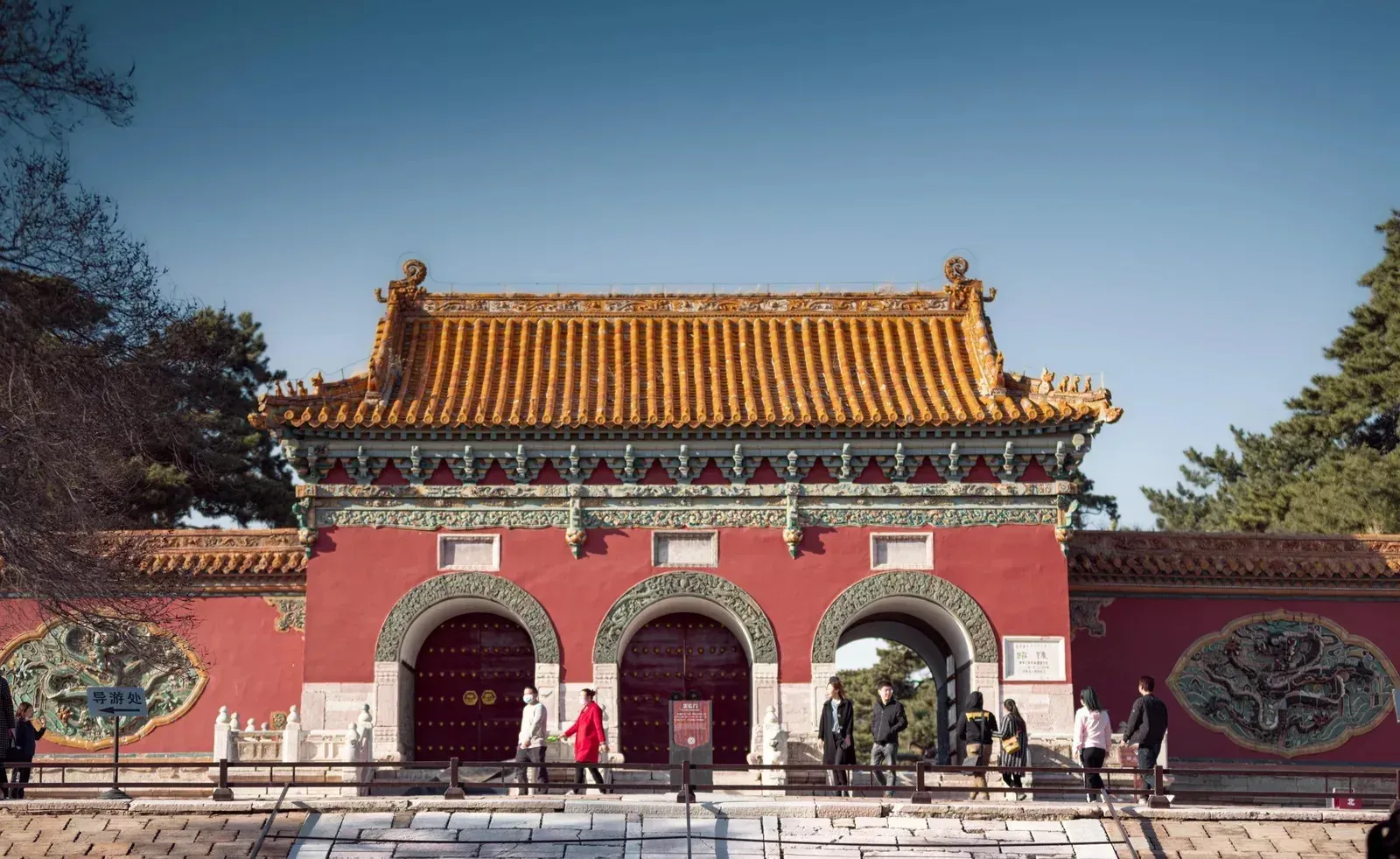
Zhaoling Tomb, commonly known as Beiling, sits in Huanggu District. It is the joint burial site of Emperor Hong Taiji and Empress Xiaoduanwen. Covering 3,187,400 square meters, it is the largest among the three Qing imperial tombs outside the Shanhai Pass. Over 2,000 ancient pine trees more than 300 years old grow here, forming an expansive woodland landscape.
Fuling Tomb, commonly known as Dongling, sits in the northeastern suburbs of the city. It is the joint burial site of Nurhaci, Khan of the Later Jin, alongside consorts including Empress Yehenara. Spanning about 194,800 square meters, it features an outer and inner city layout arranged into a Front Courtyard, Square City, and Treasure City, with structures stepping up from south to north.
What Modern History Is Documented at Zhang Xueliang's Residence and the 9.18 Museum?
The Former Residence of Zhang Xueliang, also called Marshal Zhang's Mansion, covers 29,146 square meters. The grounds combine various architectural styles, including a three-entry courtyard in the central yard, the Big Green Building and Small Green Building in the east yard, the Red Buildings in the west yard, and the former residence of Zhao Yidi.
The Shenyang "9.18" History Museum is located at 46 Wanghua South Street in Dadong District. Expanded from the Broken Calendar Monument and underground exhibition halls, it officially opened on September 18, 1999, as an important thematic venue documenting resistance war history.
How Can You Plan Visits to Liaoning Provincial Museum and Shenyang Middle Street?
Liaoning Provincial Museum is located in Hunnan District, with a floor area of about 120,000 square meters and over 110,000 relics. Its most representative collections include ancient calligraphy and painting, Liao dynasty relics, and Hongshan culture jade objects. Admission is free. From April 1 to October 31, it opens from 9:00 to 17:00, with last entry at 16:00. It is closed on Mondays, except on public holidays.
Shenyang Middle Street lies in the center of the former Shengjing city. It extends 1,500 meters and dates back to the late Ming dynasty. In 1997, it was converted into China's first commercial pedestrian street, offering an easy walking route through the old city center.
Walking through Middle Street allows you to taste local Northeastern specialties. Classic dishes include crispy sweet-and-sour Guobao Pork, tender Disanxian (potatoes, green peppers, and eggplants), pickled cabbage and pork in a copper hot pot, and the Four Braised Stews of the Northeast: pork with glass noodles, chicken with hazel mushrooms, catfish with eggplant, and pork ribs with green beans. Dumplings (jiaozi) are eaten year-round across northern China and are essential during the Spring Festival, prepared boiled, steamed, pan-fried, deep-fried, or baked, and served with a dipping sauce of aromatic vinegar and soy sauce. Because winters are cold and the growing season is short, households traditionally ferment Chinese cabbage in large earthenware crocks to make suancai.
What Climate and Metro Details Should You Know Before Visiting Shenyang?
The area has a temperate monsoon climate with four distinct seasons and an annual average temperature of 8.4°C. The January average temperature is -11.0°C, so warm winter clothing is necessary. The July average temperature is 24.7°C.
By June 2026, the Shenyang Metro had 6 operating lines, 144 stations, and a total operating distance of 216.7 kilometers. The rail network connects Middle Street, Beiling Park, Liaoning Provincial Museum, and main railway stations, making transfers between historical sites straightforward.
One prerequisite and exception to check is attraction opening days. Mukden Palace and Liaoning Provincial Museum are regularly closed on Mondays (except public holidays), and stop admission 45 to 60 minutes before closing, so schedules must be confirmed for specific dates.
Sources
Jiaozi - Wikipedia
Northeastern Chinese cuisine - Wikipedia
Mukden Palace - Wikipedia
Mukden Palace Museum
Zhao Mausoleum (Qing dynasty) - Wikipedia
Fuling Tomb - Wikipedia
Former Residence of Zhang Xueliang - Wikipedia
"9.18" Historical Museum - Wikipedia
Liaoning Provincial Museum - Wikipedia
Shenyang Middle Street - Wikipedia
Shenyang Metro - Wikipedia
Shenyang - Wikipedia
The above sources were verified on November 7, 2026
FAQ
Do you need a ticket to visit Liaoning Provincial Museum?
Admission to Liaoning Provincial Museum is free. From April 1 to October 31, opening hours are 9:00 to 17:00 (last entry at 16:00). It is closed on Mondays, except on public holidays.
Are visiting hours at Mukden Palace the same year-round?
No, they change with the seasons. From April 10 to October 10, it opens from 8:30 to 17:00 (last entry at 16:15). From October 11 to April 9 of the following year, hours are 9:00 to 16:30 (last entry at 15:45). It closes on Mondays, except on public holidays.
Which is larger, Zhaoling Tomb or Fuling Tomb?
Zhaoling Tomb is larger. It covers 3,187,400 square meters, making it the largest of the three Qing tombs outside the Shanhai Pass. Fuling Tomb has a total area of about 194,800 square meters.
Which major sights can be reached by metro in Shenyang?
As of June 2026, the Shenyang Metro has 6 operating lines and 144 stations. The network connects directly to Middle Street, Beiling Park, Liaoning Provincial Museum, and the city's main railway stations.