Jiangsu Travel Guide: Recommended Historic City and Water Town Routes
A classic route to explore historic cities and water towns across Jiangsu Province follows the Beijing-Hangzhou Grand Canal and intercity railway lines, connecting the four cities of Nanjing, Yangzhou, Wuxi, and Suzhou. The province holds 4 World Heritage sites in total. According to railway operation data, the Shanghai-Nanjing intercity railway shortened direct travel time between Shanghai and Nanjing to 73 minutes, with the fastest trip from Shanghai to Suzhou taking only 24 minutes. With this convenient high-speed rail network, you can smoothly link imperial mausoleums, classical gardens, Lake Tai views, and Jiangnan water towns.
How should you connect the four historic cities in Jiangsu Province?
Touring the province mainly traces the Beijing-Hangzhou Grand Canal, which runs 690 kilometers from north to south through Jiangsu, nurturing historic cities such as Yangzhou, Zhenjiang, Changzhou, Wuxi, and Suzhou. For intercity transit, the Shanghai-Nanjing intercity railway opened on July 1, 2010. The Lianyungang-Zhenjiang railway, with a total length of 305.2 kilometers and a design speed of 250 kilometers per hour, also connects Yangzhou into southern Jiangsu's high-speed rail network. Travelers usually enter and exit via Nanjing or Shanghai, visiting Nanjing, Yangzhou, Wuxi, and Suzhou in sequence.
| City | Key Highlights | Key Heritage and Historical Year | Representative Specialty Food |
|---|---|---|---|
| Nanjing | Ming Xiaoling Mausoleum, Sun Yat-sen Mausoleum, Ming City Wall | Ming Xiaoling Mausoleum (inscribed as World Cultural Heritage in 2003) | Salted Duck (Osmanthus Duck) |
| Yangzhou | Slender West Lake, Geyuan Garden, Heyuan Garden | Yangzhou section of the Grand Canal and Slender West Lake (inscribed as World Cultural Heritage in 2014) | Yangzhou morning tea Sanding Bao (diced meat buns) |
| Wuxi | Jichang Garden, Huishan Ancient Town, Yuantouzhu | Jichang Garden (greatly favored by Emperors Kangxi and Qianlong of the Qing Dynasty) | Wuxi braised spare ribs |
| Suzhou | Humble Administrator's Garden, Tuisi Garden, Pingjiang Road | Classical Gardens of Suzhou (inscribed as World Cultural Heritage in 1997) | Suzhou-style seasonal noodles |
What are the landmark historical sites in Nanjing, capital of the Six Dynasties?
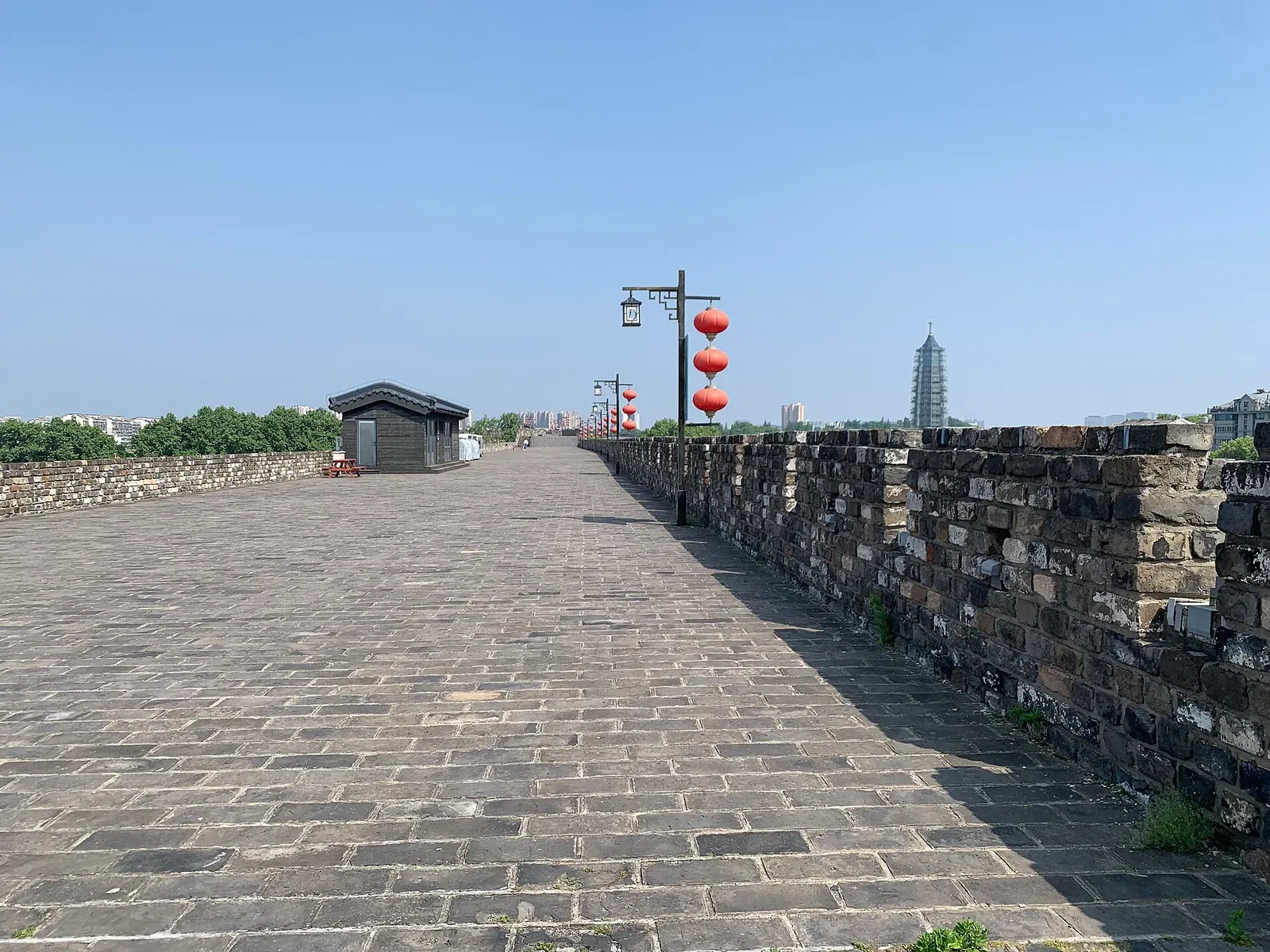
According to Wikipedia, Nanjing served as the capital of Eastern Wu during the Three Kingdoms period (229 to 280), Eastern Jin, and four Southern dynasties (317 to 589), establishing its status as the Ancient Capital of the Six Dynasties. Ming Xiaoling Mausoleum in the city is the joint tomb of the Ming founding emperor Zhu Yuanzhang and Empress Xiaoci Ma, inscribed as a World Cultural Heritage site in 2003 as a representative imperial tomb of the Ming and Qing dynasties. The inner perimeter of the Ming City Wall measures 35.267 kilometers, with about 25 kilometers remaining largely intact. The inner city originally had 13 gates, making it the longest surviving ancient city wall in the world.
Sun Yat-sen Mausoleum on the southern slope of Purple Mountain is shaped like an alarm bell in plan. Its main structures rise along a north-south central axis following the mountain terrain, covering a horizontal distance of 700 meters and a vertical drop of 73 meters from the memorial archway to the sacrificial hall. The central axis features 392 steps and 10 platforms, creating a visual effect where looking up shows only steps and looking down shows only platforms. The mausoleum resumed free public admission on November 12, 2010. Fuzimiao (Confucius Temple) on the banks of the Qinhuai River was first built in 1034 during the Northern Song Dynasty, and the screen wall on the south bank in front of the temple was built in 1575 during the Ming Dynasty, measuring 110 meters long and 10 meters high.
How should you choose and plan visits to Suzhou gardens and water towns?
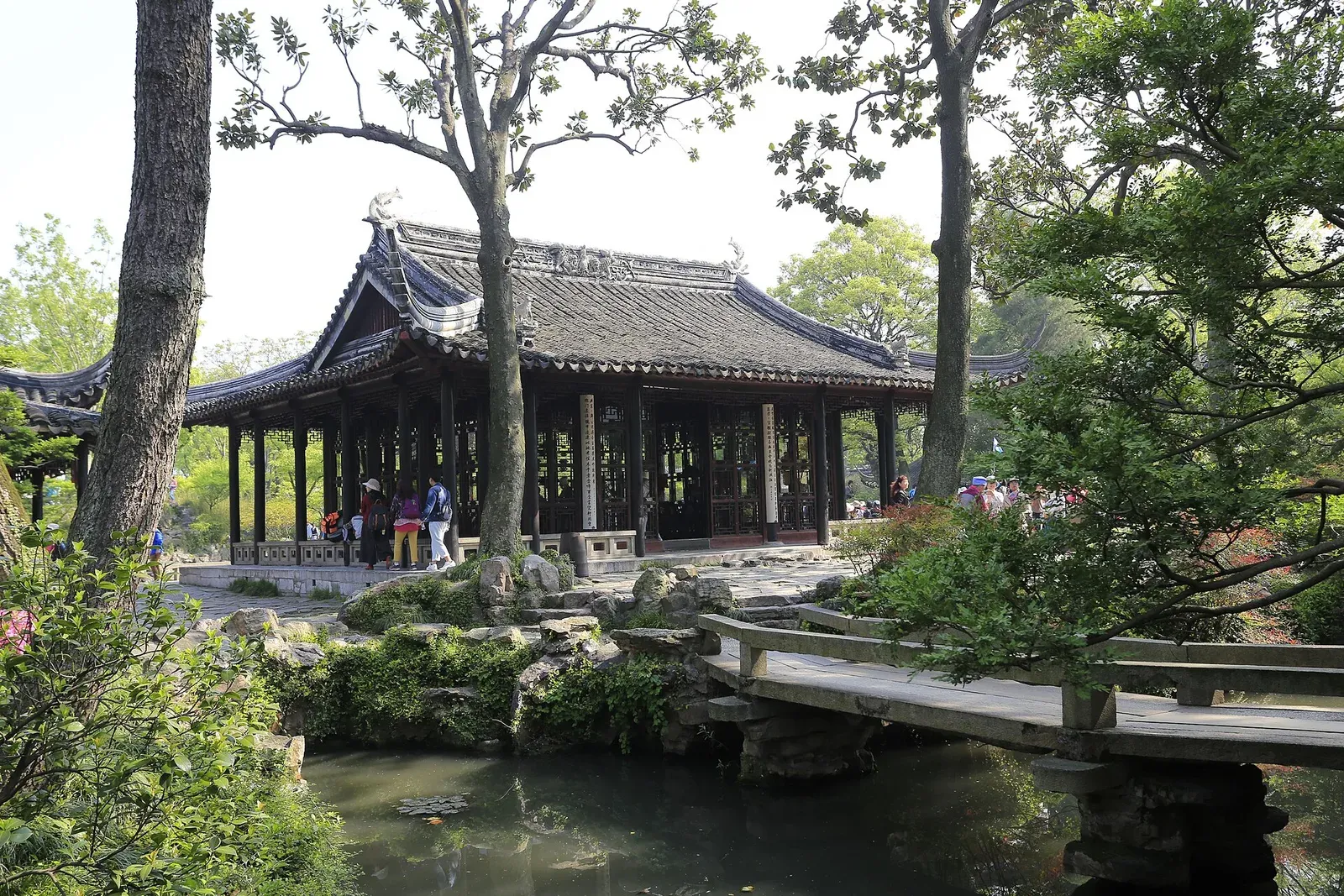
Among classical Suzhou gardens, the Humble Administrator's Garden is the largest, covering 78 mu (about 5.2 hectares), and was inscribed as part of the Classical Gardens of Suzhou World Cultural Heritage in 1997. Tickets cost 80 yuan in peak season and 70 yuan in low season, requiring real-name reservation with valid ID. Immediately to its north is the new Suzhou Museum designed by architect I. M. Pei, which opened on October 6, 2006. If you want a panoramic view from above, Tiger Hill Scenic Area covers about 20 hectares with an elevation over 30 meters, featuring the 7-story Yunyan Temple Pagoda whose top leans more than 2 meters from the central vertical line.
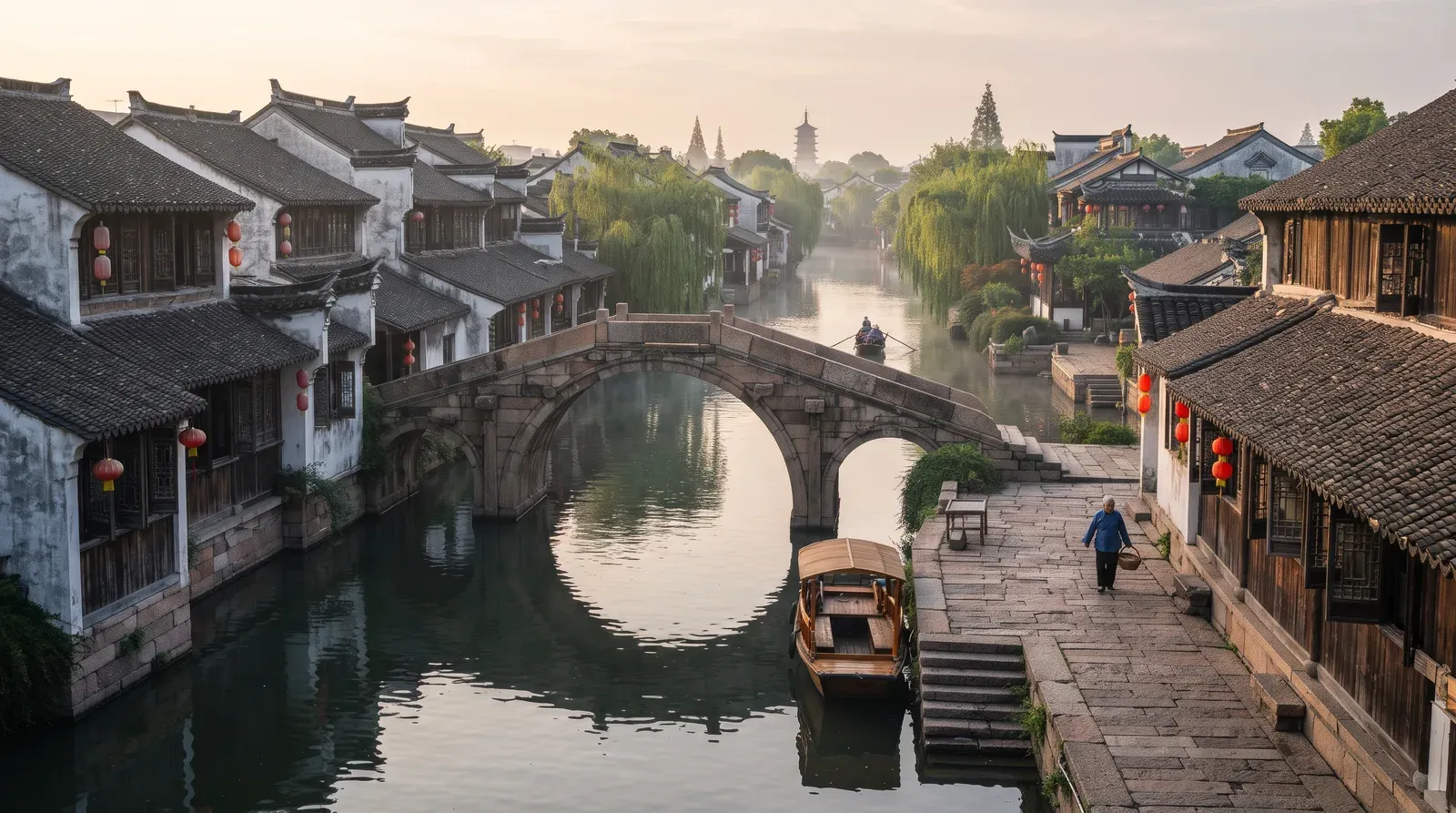
To experience water alleys, you can stroll along Pingjiang Road Historic Block, which spans 1,606 meters in length over an area of 0.4 square kilometers. The block contains 18 ancient stone bridges, 12 of which trace back to the Song Dynasty Pingjiang Map. Shantang Street, built in 825 CE under the direction of Tang Dynasty poet Bai Juyi, spans about 3,829.6 meters and was designated a National Historic and Cultural Street in 2015. For water towns, Tongli Ancient Town in Wujiang District is directly reachable via Suzhou Rail Transit Line 4, where Tuisi Garden was built between 1885 and 1887 and inscribed as World Cultural Heritage. Zhouzhuang Ancient Town in Kunshan, located about 30 kilometers southeast of downtown Suzhou, is known for its Twin Bridges dating from the Wanli era of the Ming Dynasty.
What are the highlights of visiting Wuxi by Taihu Lake and canal city Yangzhou?
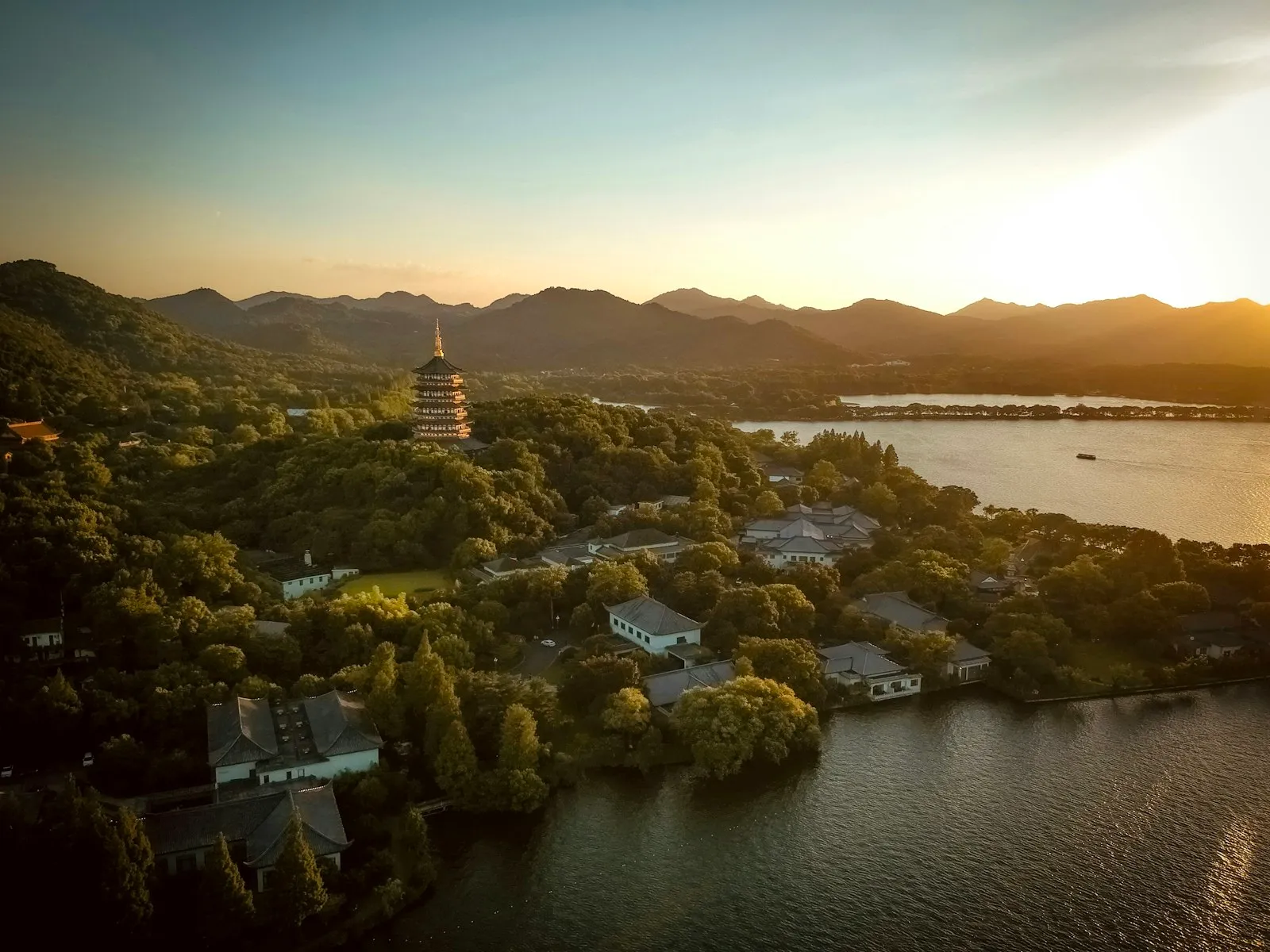
Wuxi brings together Taihu Lake scenery and deep garden and ancestral hall culture. Yuantouzhu Park has planted more than 30,000 cherry blossom trees of various varieties, featuring Changchun Bridge built in 1936 and a cherry blossom embankment. On the north shore of Taihu Lake in Binhu District stands the Grand Buddha at Ling Shan, 88 meters tall and cast from over 700 tons of bronze. Huishan Ancient Town at the northeast foot of Mount Hui features a cluster of 118 ancient ancestral halls spanning from the Tang Dynasty to the Republic of China. The adjacent Jichang Garden was deeply favored by Qing emperors Kangxi and Qianlong, and Qianlong later copied its layout on the northeast side of Longevity Hill in Beijing's Summer Palace.
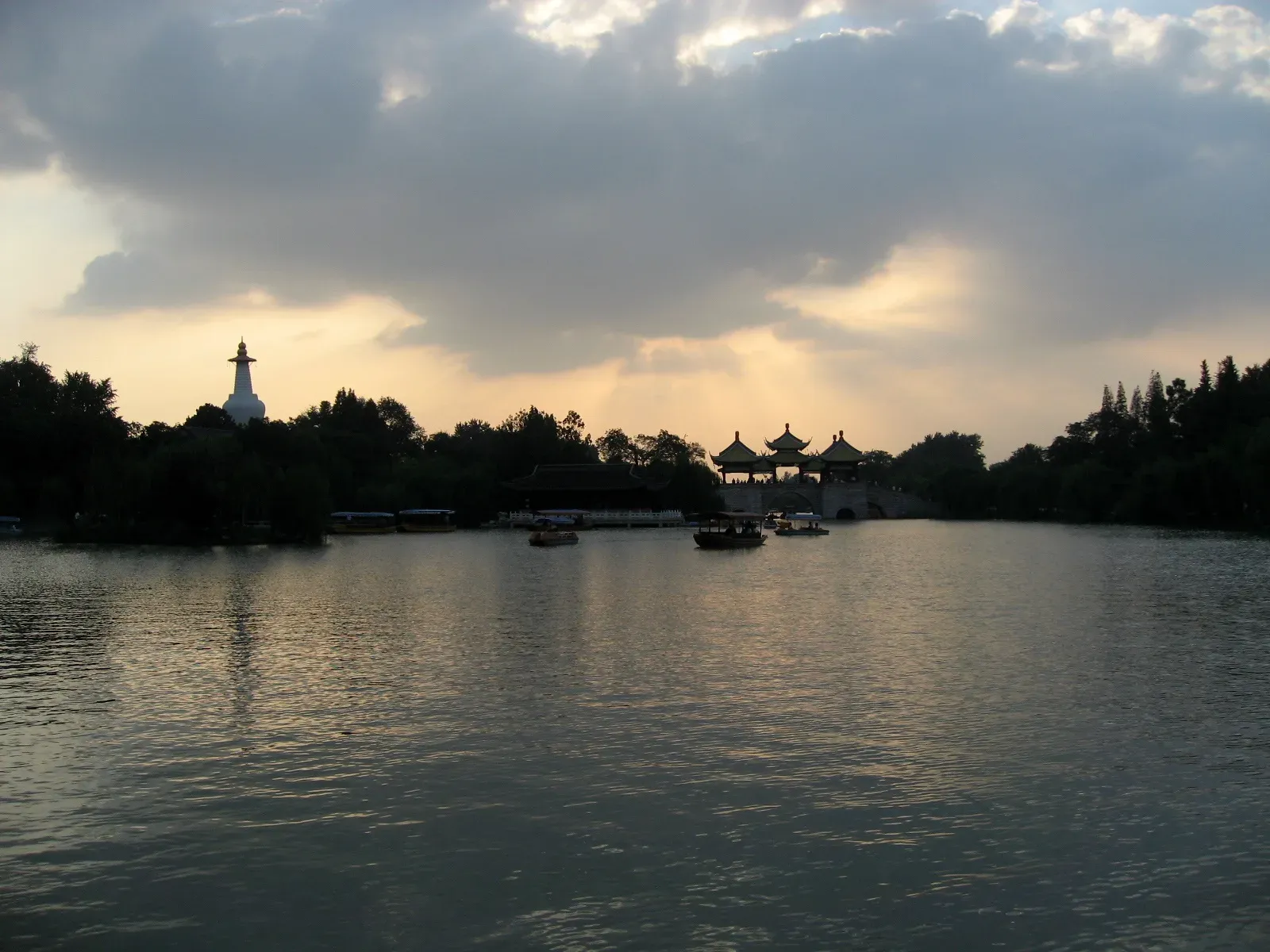
Yangzhou combines canal atmosphere with salt merchant residential gardens. In 2014, the Yangzhou section of the Grand Canal and Slender West Lake were inscribed on the UNESCO World Cultural Heritage list. Five Pavilion Bridge in Slender West Lake, originally called Lotus Bridge, carries five glazed-tile pavilions and has fifteen arches through its base. Geyuan Garden on Dongguan Street is renowned for its seasonal rockeries built from stones, while Heyuan Garden on Xuningmen Street was listed as a Major Historical and Cultural Site Protected at the National Level in 1988. Inside Sanwan Ecological and Cultural Park, the Grand Canal Museum of China covers a total area of about 80,000 square meters, showcasing canal culture across all regions and historical periods.
What authentic local flavors can you taste during a trip to Jiangsu?
Jiangsu Chinese cuisine focuses on heat control and cooking temperature, aiming for tender texture that retains its shape, while excelling at using original broths for freshness and balancing color and presentation. Nanjing's traditional specialty, salted duck, can be made year-round, with the finest taste produced during the eighth lunar month when osmanthus blossoms bloom, which is why it is also called Osmanthus Duck. Wuxi braised spare ribs balance sweet and savory flavors with tender meat, standing alongside Huishan clay figurines and fried gluten puffs as Wuxi's three major specialties. Sanding Bao, a classic Yangzhou morning tea pastry, is stuffed with diced chicken, pork, and crispy bamboo shoots.
Suzhou dining is known for delicate Suzhou-style noodles, with flavorful broths and toppings such as braised pork, fried fish, and pork chops. Summer features seasonal offerings like Fengzhen pork noodles and three-shrimp noodles from June to August, while crab roe noodles are served in autumn. During your visit to Jiangsu, you can also enjoy performing arts in water town teahouses or theaters. Kunqu Opera, originating in Kunshan, has a history of over 600 years and was proclaimed a Masterpiece of Oral and Intangible Heritage of Humanity in 2001. Suzhou Pingtan, popular across Jiangnan, is divided into Pinghua (storytelling) and Tanci (storytelling with singing).
What practical transport and booking details should you know for Jiangsu?
You should pay attention to ticket booking rules for major scenic spots in Jiangsu in advance. Quotas for popular heritage gardens like Humble Administrator's Garden often sell out during holidays, and tickets require real-name booking with a passport or valid identification. While Sun Yat-sen Mausoleum is free to enter, you still need to check entry regulations ahead of time. For intercity transit, alongside frequent high-speed trains, Shanghai Metro Line 11 extends across the provincial border to Huaqiao Station in Kunshan, Jiangsu, making cross-city transfers convenient.
If you are traveling with seniors or carrying bulky luggage, frequent transfers between high-speed trains and urban public transit can be physically demanding. You can ask a travel designer to plan a customized itinerary tailored to your group's pace, with your driver providing private car transfers to maintain an easygoing rhythm between historic sites and water towns.
Sources
Jiangsu cuisine - Wikipedia
Ming Xiaoling Mausoleum - Wikipedia
Sun Yat-sen Mausoleum - Wikipedia
Nanjing City Wall - Wikipedia
Nanjing Fuzimiao - Wikipedia
Shanghai-Nanjing intercity railway - Wikipedia
Salted Duck - Wikipedia
Nanjing - Wikipedia
Humble Administrator's Garden - Wikipedia
Suzhou Travel Guide: Classical Gardens, Tiger Hill and Canals
Tiger Hill, Suzhou - Wikipedia
Suzhou Museum - Wikipedia
Pingjiang Road - Wikipedia
Tongli - Wikipedia
Zhouzhuang - Wikipedia
Suzhou - Wikipedia
Shantang Street - Wikipedia
DELICACIES_Delicacies
Jiangsu Province - Wikipedia
Yangzhou - Wikipedia
Slender West Lake - Wikipedia
Geyuan Garden - Wikipedia
Heyuan Garden - Wikipedia
Grand Canal Museum of China - Wikipedia
Yuantouzhu - Wikipedia
Jichang Garden - Wikipedia
Huishan Ancestral Halls - Wikipedia
Grand Buddha at Ling Shan - Wikipedia
Wuxi Braised Spare Ribs - Wikipedia
Lianyungang-Zhenjiang Railway - Wikipedia
Sources verified on November 16, 2026
FAQ
How long does it take by high-speed train from Shanghai to Suzhou?
According to Shanghai-Nanjing intercity railway operation data, the fastest high-speed train travel time between Shanghai and Suzhou is shortened to 24 minutes. In addition, Shanghai Metro Line 11 extends across provinces to Huaqiao Station in Kunshan, providing a direct rail connection.
What is the transportation difference between visiting Tongli and Zhouzhuang water towns in Suzhou?
Tongli Ancient Town is in Wujiang District and can be reached directly on Suzhou Rail Transit Line 4, home to the World Cultural Heritage Tuisi Garden. Zhouzhuang Ancient Town is in Kunshan, about 30 kilometers southeast of downtown Suzhou, famous for its Ming Dynasty Twin Bridges, and is well suited for reaching by chartered car or driving.
Does Sun Yat-sen Mausoleum in Nanjing require an entrance ticket, and are there many steps?
According to scenic area regulations, Sun Yat-sen Mausoleum resumed free admission on November 12, 2010. Reaching the top along the central axis requires climbing 392 steps across 10 platforms, with a vertical drop of 73 meters.
What classic dim sum dishes are served for Yangzhou morning tea?
A signature traditional morning tea pastry in Yangzhou is Sanding Bao, stuffed with diced chicken, pork, and crispy bamboo shoots for a fresh and tender flavor. In addition, Jiangsu cuisine as a whole emphasizes original broths for freshness and heat control, with a long morning tea culture.