Qin Shi Huang: What He Did and the Terracotta Army
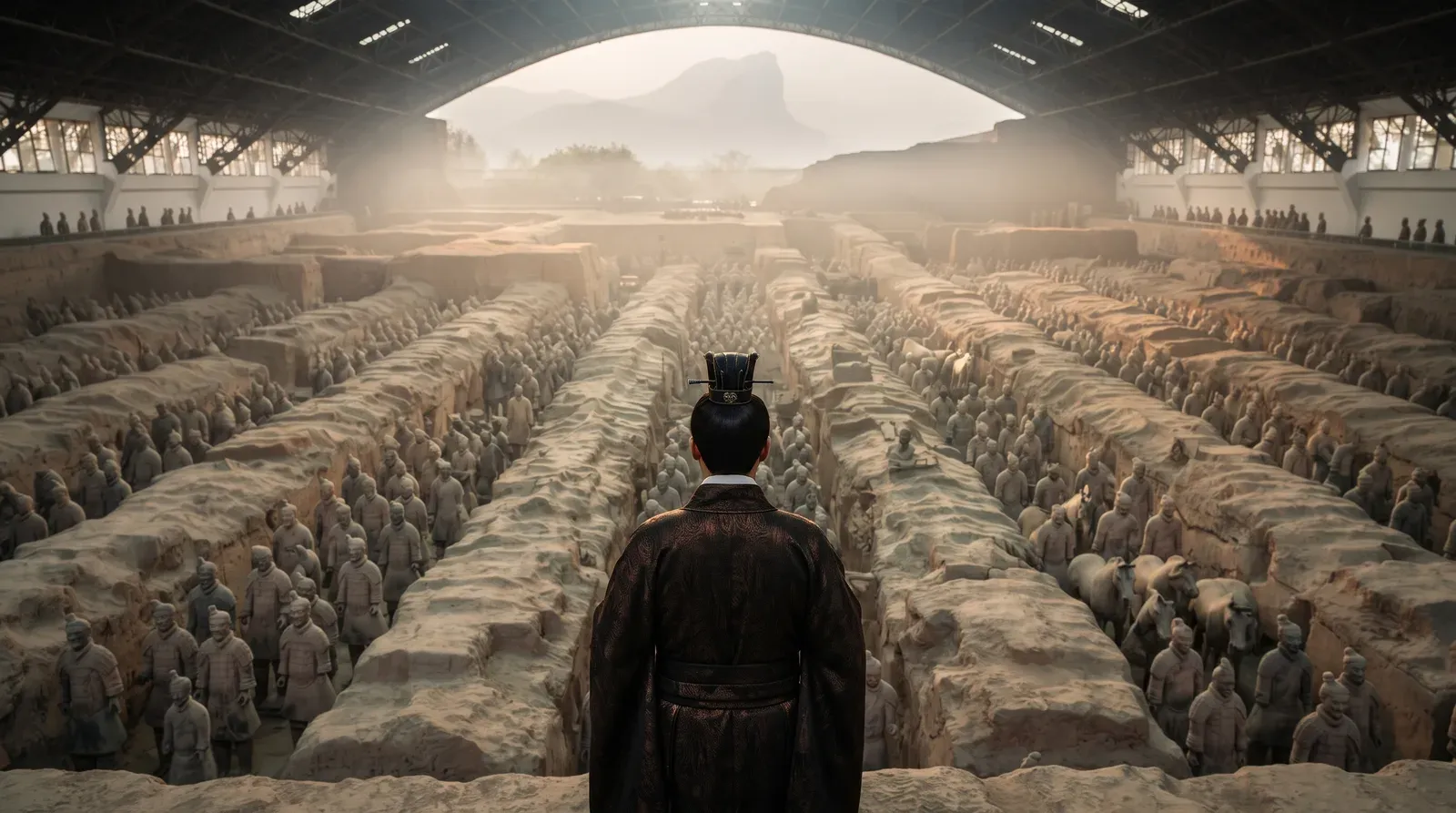
Qin Shi Huang was the first ruler in Chinese history to use the title of emperor, establishing the Qin dynasty in 221 BC after taking Linzi and defeating the state of Qi. During his reign, he standardized Ban Liang currency, weights, measures, and the writing system, while building national road networks and the Great Wall. Buried east of his mausoleum in Lintong District, Xi'an, Shaanxi Province between 210 BC and 209 BC, the Terracotta Army served as clay military guards to protect him in the afterlife.
Where did the name Qin Shi Huang and the title Qin Shi Huangdi come from?
His personal name was Zheng, often called Ying Zheng in modern Chinese, or Zhao Zheng under ancient naming customs. After Qi surrendered in 221 BC, the King of Qin unified the former Zhou lands. He combined the character "huang" from the Three Sovereigns with "di" from the Five Emperors to create the title of emperor. According to Sima Qian of the Western Han dynasty, the four-character title Qin Shi Huangdi was later shortened to Qin Shi Huang.
Which states were conquered during the unification wars?
Qin's wars of unification began in 230 BC with the defeat of Han, taking ten years to annex the lands of the former Zhou states. The Qin army then conquered Zhao, Yan, Wei, and Chu, finally taking Linzi and defeating Qi in 221 BC to unify the country. In its World Heritage criteria, UNESCO notes that the Mausoleum of the First Qin Emperor is linked to the historic event of 221 BC, when a centralized state first unified Chinese territory.
| State | Year of Fall | Campaign Stage and Key Event |
|---|---|---|
| Han | 230 BC | Qin begins the unification wars by conquering Han |
| Zhao | 228 BC | Conquered by the Qin army |
| Yan | 226 BC | Conquered by the Qin army |
| Wei | 225 BC | Conquered by the Qin army |
| Chu | 223 BC | Conquered by the Qin army |
| Qi | 221 BC | Qin forces take Linzi and conquer Qi, completing national unification |
What reforms and public works were introduced during the Qin dynasty?
After establishing the dynasty, the government carried out standardizations across the country, unifying Ban Liang coins, weights, measures, and the writing system while updating weapons and transport. For large projects, the emperor connected existing walls into the Great Wall of China, built an empire-wide road network, and constructed his massive mausoleum. The Qin dynasty lasted only 14 years, from 221 BC to 207 or 206 BC, spanning two emperors, but its centralized imperial system continued under the Han and later dynasties until the 1911 Revolution.
What is the connection between the Terracotta Army and the imperial tomb?
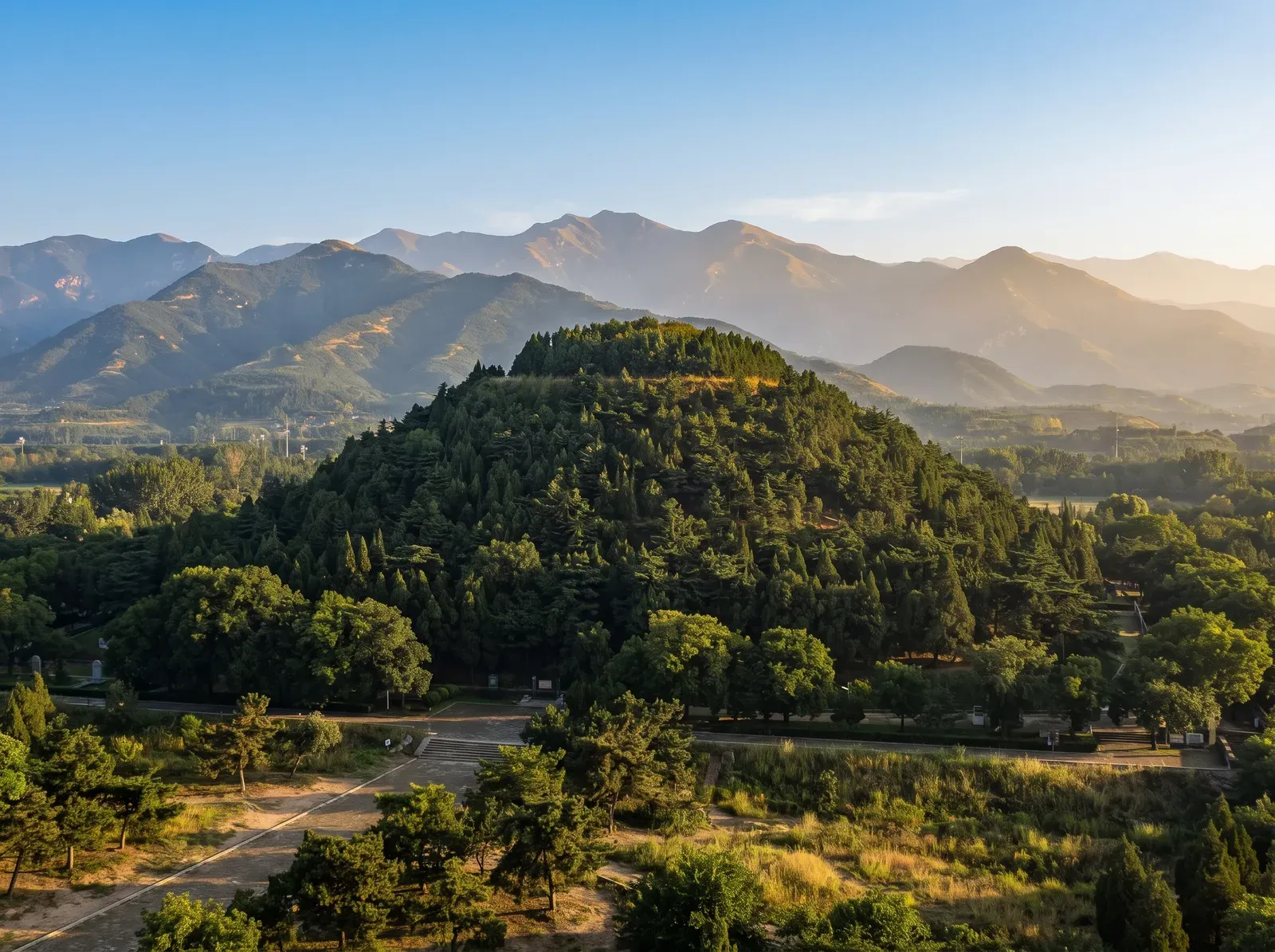
The Terracotta Army is not a separate burial site, but a collection of clay sculptures buried with the first emperor. Located in Lintong District, Xi'an, Shaanxi Province, the mausoleum took 38 years to build from 246 BC to 208 BC. Its mound has a truncated pyramid shape and stands about 76 meters high. Dying in 210 BC, the emperor was buried at the center of the complex, which mirrored the urban layout of the Qin capital Xianyang and was encircled by his pottery army.
On March 29, 1974, local farmer Yang Zhifa and others accidentally discovered the terracotta figures while digging a well about 1.5 kilometers east of Mount Li. Buried between 210 BC and 209 BC, the clay ranks faced east toward the conquered eastern states, placed there to protect the emperor in the afterlife.
How are the Terracotta Army pits divided by size and role?
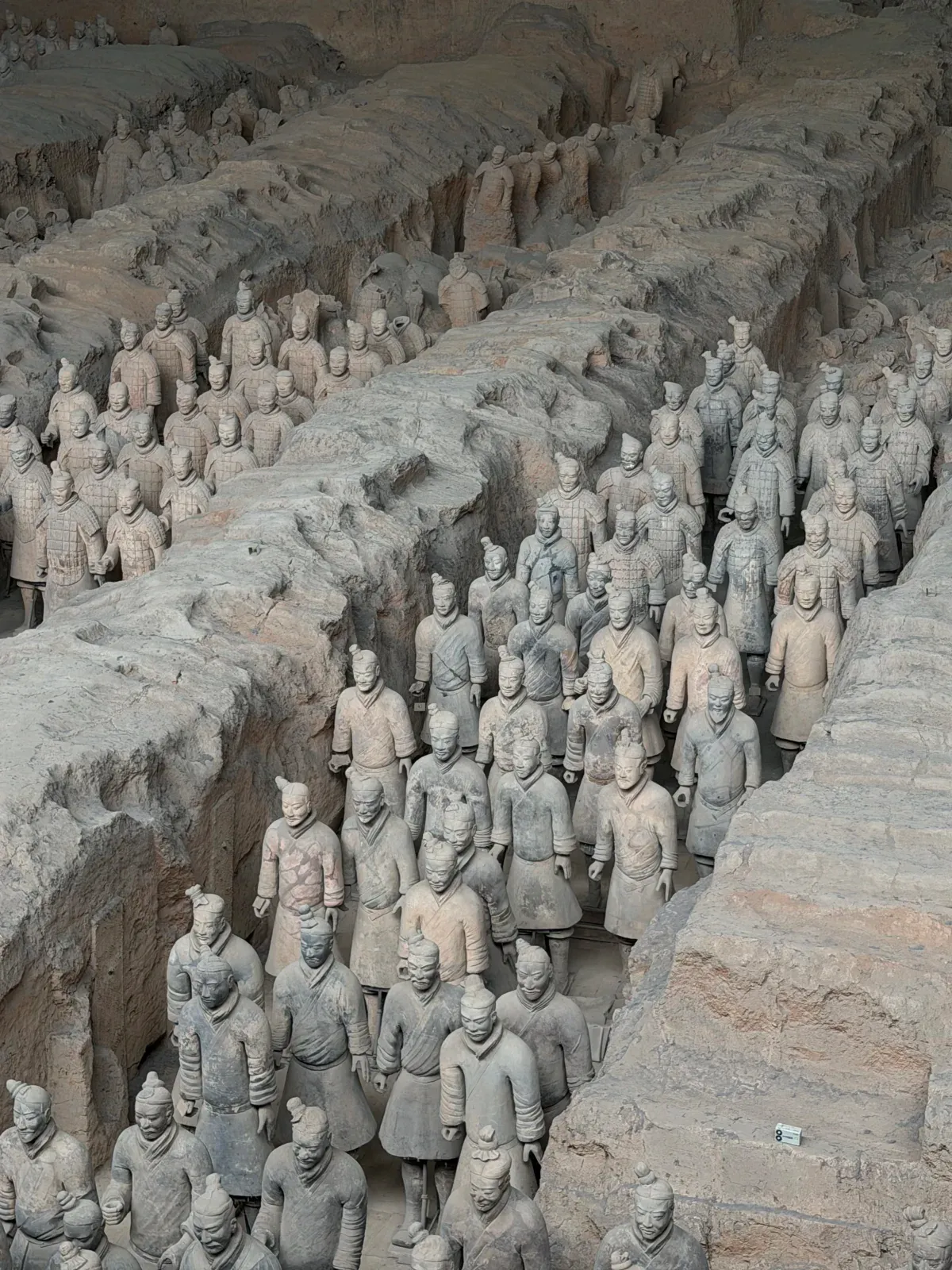
The pits sit roughly 1,500 meters east of the tomb mound, with four main pits about 7 meters deep. According to a 2007 estimate, the three active pits hold more than 8,000 soldiers, 130 chariots, 520 chariot horses, and 150 cavalry horses, with most figures remaining in place.
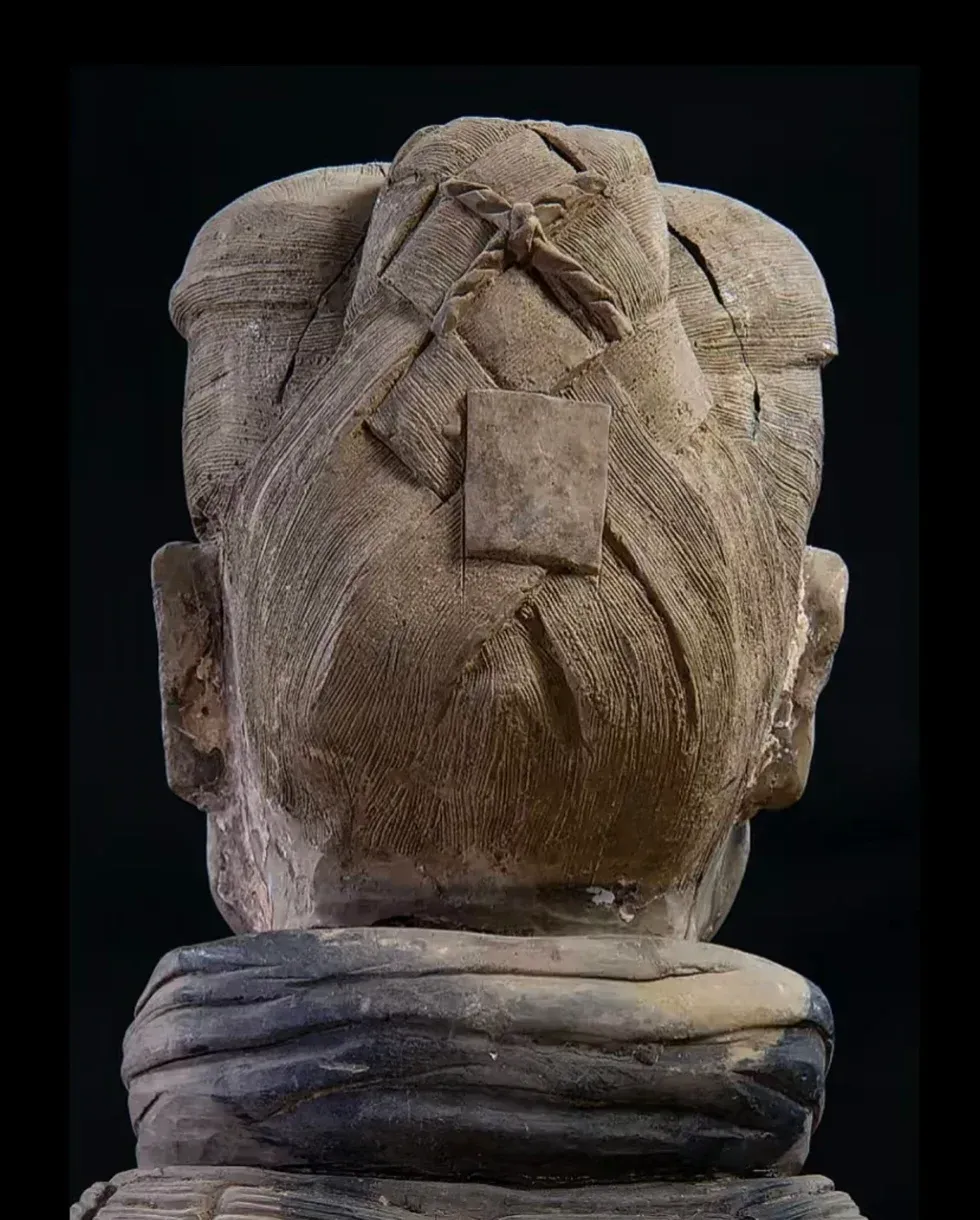
For each pit's role, Pit 2 contains guard units combining cavalry, infantry, and chariots, while Pit 3 served as the command post. Pit 4 was left empty because turmoil halted construction at the end of the dynasty. The statues are life-sized, usually standing between 1.75 meters and 2 meters tall. Officers are typically taller, with height, armor, clothing, and hair buns varying by rank.
| Pit Name | Depth and Layout | Military Unit and Main Role | Key Remains |
|---|---|---|---|
| Summary of Pits 1 to 3 | About 7 meters deep | Facing east to guard the emperor | Over 8,000 soldiers, 130 chariots, 520 chariot horses, and 150 cavalry horses |
| Pit 2 | About 7 meters deep | Guard units combining cavalry, infantry, and chariots | Life-sized statues (1.75 to 2 meters) varying in height and dress by rank |
| Pit 3 | About 7 meters deep | Command post | Officer figures are usually taller than ordinary soldiers |
| Pit 4 | About 7 meters deep | Left empty due to unrest at the end of the dynasty | No clay figures buried |
Why has the first emperor's central tomb remained unexcavated?
The central underground palace remains unexcavated, with archaeological work focused on the extensive outer burial pits surrounding the mound, including the Terracotta Army to the east. Researchers have detected unusually high mercury levels across the mound area. This finding supports the records of Sima Qian in the Shiji from the Western Han dynasty, which noted that mercury simulated rivers and seas inside the tomb. For conservation reasons and the protection of artifacts, no active excavation has been carried out in the core tomb chamber.
Sources
Qin Shi Huang - Wikipedia
Qin dynasty - Wikipedia
Terracotta Army - Wikipedia
Mausoleum of the First Qin Emperor - Wikipedia
Mausoleum of the First Qin Emperor - UNESCO World Heritage Centre
Sources verified on November 5, 2026
FAQ
Why is the first emperor referred to as both Ying Zheng and Zhao Zheng?
His personal name was Zheng, and modern Chinese usually refers to him as Ying Zheng. Under ancient naming customs, men were also commonly called by their clan name (shi), which is why ancient historical records also refer to him as Zhao Zheng.
Who discovered the Terracotta Army and when?
Local farmer Yang Zhifa and others accidentally discovered the Terracotta Army on March 29, 1974, while digging a well about 1.5 kilometers east of Mount Li. Archaeologists then surveyed and protected the area about 1,500 meters east of the burial mound.
Are the Terracotta Army figures the same height as real people?
The terracotta sculptures are life-sized, typically measuring between 1.75 meters and 2 meters in height. Officers are generally taller, and height, armor, clothing, and hair buns vary according to military rank.
Is there really a large amount of mercury inside the tomb?
Archaeologists have detected unusually high concentrations of mercury in the mound area. This scientific finding supports Sima Qian's account in the Shiji that mercury was used to simulate flowing rivers and seas within the tomb chamber.