
How to Explore Old Luoyang: Lijingmen, Luoyi Ancient City, Water Banquet, and Night Views
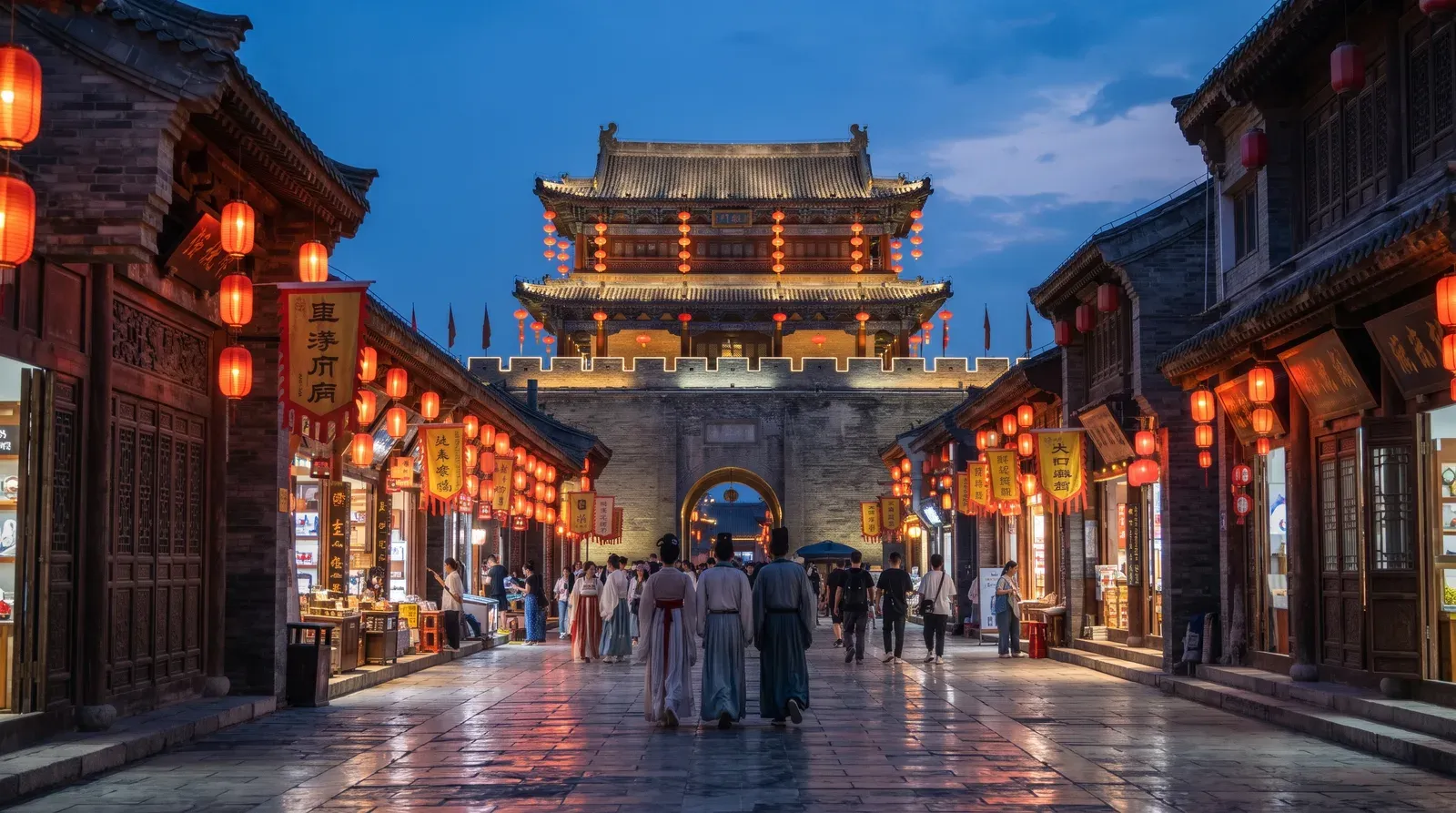
Exploring Old Luoyang can center around landmarks like Lijingmen and Luoyi Ancient City, linking historic streetscapes, traditional Luoyang Water Banquet dining, and evening cultural performances into a smooth route. Established in 1956, Laocheng District is the earliest built-up area of Luoyang, covering a total area of 52.17 square kilometers. Its main urban layout remained largely unchanged from the Jin and Yuan dynasties until the early post-liberation period. Strolling through the traditional streets in the late afternoon for dinner and heading to Luoyi Ancient City after dark for performances offers a practical way to experience the area.
What Defines the Historic Layout of Old Luoyang and Lijingmen?
The main urban layout of the district shows deep historical continuity, remaining largely unchanged from the Jin and Yuan dynasties through the early post-liberation era. According to official records of Laocheng District, the area spans 52.17 square kilometers, administering 8 subdistricts including Lijingmen Subdistrict, as well as 51 communities. Lijingmen serves as an administrative subdistrict and stands as a signature cultural landmark.
Throughout the development of the ancient capital, the district has preserved rich historical memories. According to Wikipedia, during the reign of Wu Zetian, the only female emperor in Chinese history who established the Wu Zhou dynasty, Luoyang was designated as the capital and called Shendu (Divine Capital). Walking through the traditional neighborhoods around Lijingmen Subdistrict, visitors can directly observe the street patterns and historical atmosphere that have continued from the Jin and Yuan dynasties.
How Can You Experience Traditional Performances and Night Views in Luoyi Ancient City?
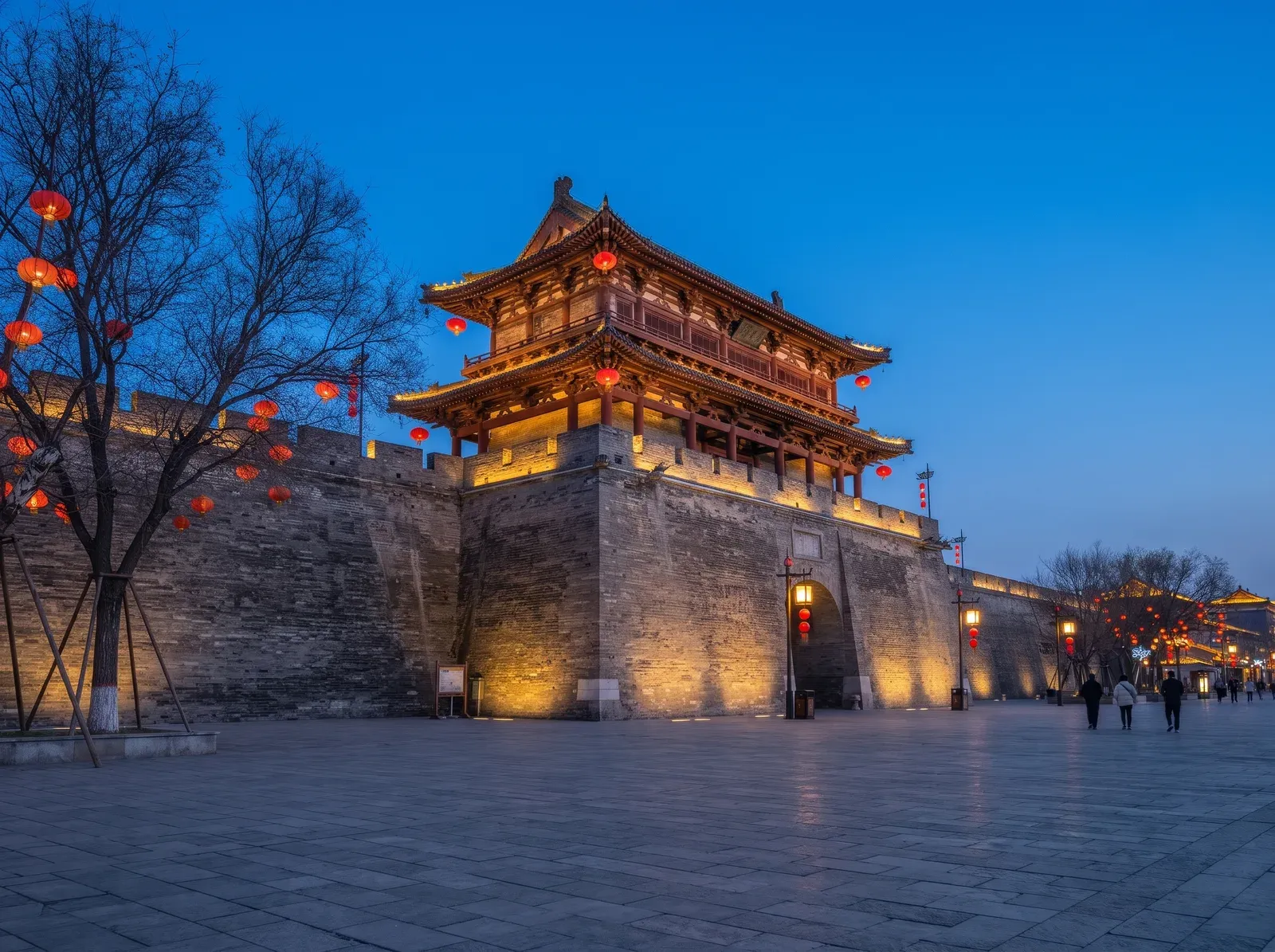
Luoyi Ancient City is a central spot in the district for enjoying night scenery and traditional Chinese culture. According to information released by the district government, the scenic area draws on massive visitor traffic to create an immersive cultural tourism landmark. At night, it hosts varied cultural shows, where performances such as 'Heavenly Maiden Scattering Flowers' attract crowds of onlookers.
Connecting with Luoyang's past as Shendu during the Wu Zhou period, many visitors rent traditional hanfu to explore the grounds. After dark, traditional-style pavilions and waterways glow under decorative lighting, combining with live acts to create an engaging visual setting. Travelers can set aside enough time in the evening to watch the performances in full and take photos of the night scenery.
What Is Special About the First Main Hot Dish of the Traditional Water Banquet?
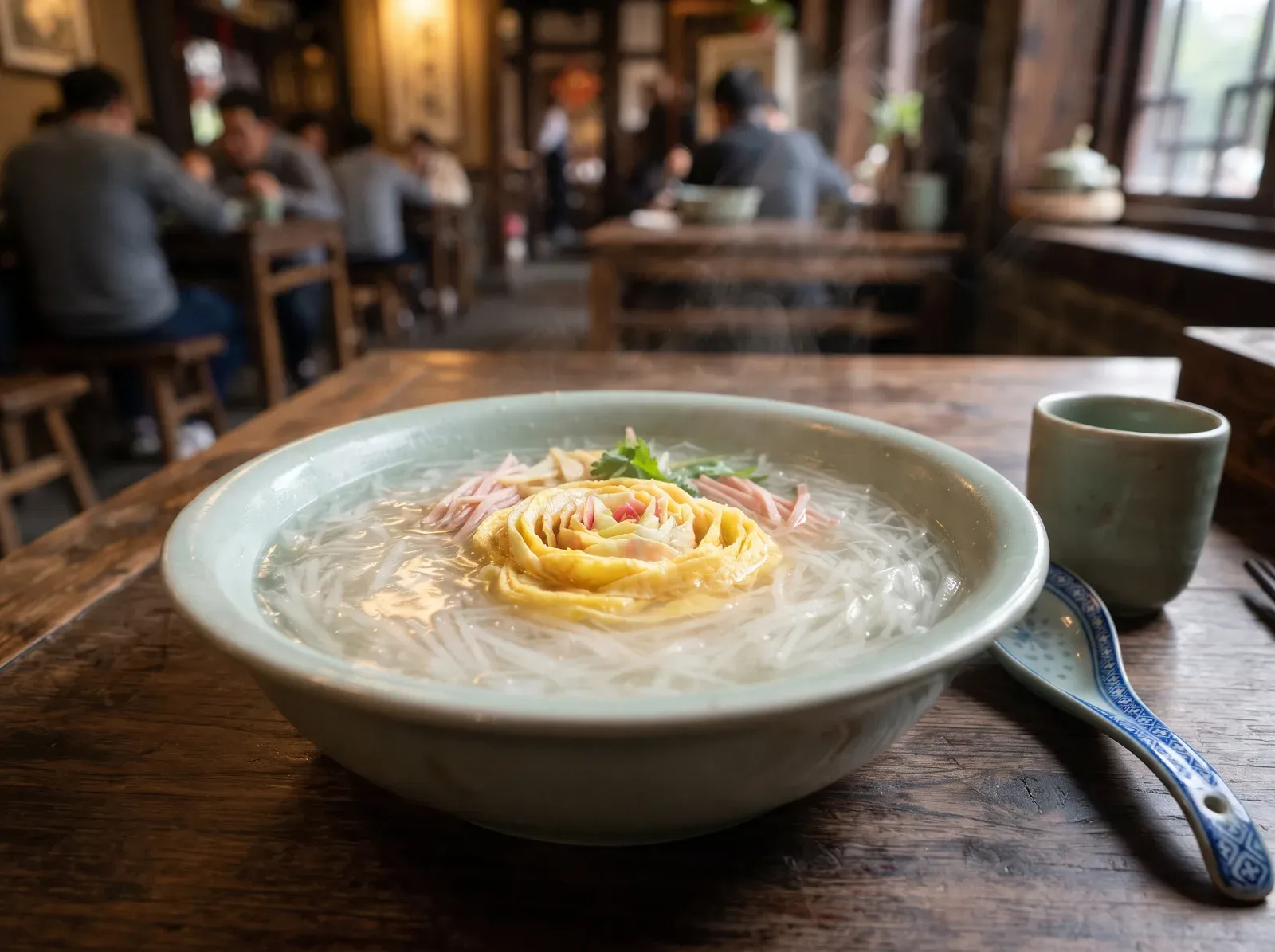
Tasting local flavors often involves trying the Luoyang Water Banquet. According to Wikipedia, the first main hot dish of the banquet is Yancai, shredded radish prepared in a way that is also called Peony Yancai. This dish imitates the flavor and texture of bird's nest, highlighting meticulous knife skills and a distinct soup base.
Peony Yancai is served with an elegant presentation in a mildly sour, peppery, and refreshing broth. As the opening hot dish of the entire banquet, it marks the ceremonial beginning of the meal. When dining in the district, tasting the tender, crisp radish shreds that resemble bird's nest offers a glimpse into Central Plains culinary traditions.
How Do You Take Public Transit to the Old District from the Two Main Train Stations?
Travelers can rely on the city's rail transit network to reach the district. According to public transport records, Luoyang Metro Line 2 runs north to south through the city, connecting both Luoyang Railway Station and Luoyang Longmen Railway Station. Whether arriving on a regular train at Luoyang Station or a high-speed train at Luoyang Longmen Station, passengers can take Line 2 directly into the city center.
After reaching central stops on Line 2, visitors can transfer to local buses or walk toward Lijingmen and Luoyi Ancient City. Using the subway avoids road traffic, helping travelers transition smoothly between daytime neighborhood walks and evening activities. For those traveling with heavy family luggage, arranging a private car transfer can simplify transfers.
What Official Data and Records Detail the Core Sights in Laocheng District?
| Category | Official Data and Records |
|---|---|
| Year district was established | 1956 (earliest built-up area of Luoyang) |
| Historical layout of main urban area | Largely unchanged from the Jin and Yuan dynasties to the early post-liberation period |
| Total administrative area | 52.17 square kilometers |
| Administrative divisions | 8 subdistricts (including Lijingmen Subdistrict) and 51 communities |
| Signature historical landmark | Lijingmen (located in Lijingmen Subdistrict) |
| Ancient official capital title | Designated as the capital and named Shendu during the Wu Zhou period |
| Immersive traditional tourism landmark | Luoyi Ancient City (developed with massive visitor traffic) |
| Signature evening performance | Shows such as "Heavenly Maiden Scattering Flowers" |
| Representative banquet dish | Yancai (Peony Yancai), the first main hot dish of the Luoyang Water Banquet |
| Flavor profile of the first hot dish | Prepared with shredded radish to imitate the taste and texture of bird's nest |
| Transit line crossing the city | Luoyang Metro Line 2 (connecting both Luoyang Railway Station and Luoyang Longmen Railway Station) |
What Practical Advice and Conditions Should You Note for Old Luoyang?
Visiting the historic district requires preparation around weather and daily scheduling. Outdoor performances at Luoyi Ancient City, such as 'Heavenly Maiden Scattering Flowers,' take place over open water, so heavy rain or strong winds may lead to cancellations or schedule changes. Checking same-day announcements before going is recommended. Because the historic streets are paved mainly with stone slabs, wearing flat, slip-resistant walking shoes is advisable.
When sampling the Luoyang Water Banquet, keep in mind that the opening dish, Peony Yancai, features a mildly tart and peppery taste that may not suit every palate. If you prefer a comfortable pace for your cultural visit, you can contact a travel designer to plan your itinerary with transfers by your driver. If you want in-depth historical commentary at key sights, a separate licensed guide (English- or Chinese-speaking) can be arranged by your travel designer on request.
Sources
Luoyang - Wikipedia
Luoyang Subway - Wikipedia
Water Banquet - Wikipedia
Charming Old Town - People's Government of Laocheng District
People's Government of Laocheng District
Overview of Laocheng - People's Government of Laocheng District
All sources verified on Nov 17, 2026
FAQ
When did the layout of the main urban area of Old Luoyang take shape?
According to official records, Laocheng District was established in 1956 as the earliest built-up area of Luoyang. Its main urban layout remained largely unchanged from the Jin and Yuan dynasties through the early post-liberation period, and the district covers a total area of 52.17 square kilometers.
What historical records explain Luoyang's title as Shendu?
According to Wikipedia, during the reign of Wu Zetian, the only female emperor in Chinese history who founded the Wu Zhou dynasty, Luoyang was made the national capital and officially referred to as Shendu.
What evening cultural performances are held at Luoyi Ancient City?
According to official announcements, Luoyi Ancient City in the old district presents night performances such as 'Heavenly Maiden Scattering Flowers.' The site utilizes high visitor traffic to build an immersive cultural landmark with lighting displays and interactive evening acts.
What are the main ingredients used in Peony Yancai from the Luoyang Water Banquet?
According to Wikipedia, the first main hot dish of the Luoyang Water Banquet is Yancai (Peony Yancai), which is prepared from shredded radish to imitate the flavor and texture of bird's nest.
Is there direct rail transit between Luoyang Longmen Station and Luoyang Station?
According to public transport records, Luoyang Metro Line 2 runs north to south through the city, directly connecting both Luoyang Railway Station and Luoyang Longmen Railway Station, making transfers and visits to the old district straightforward for arriving passengers.