What to Eat in China: A Guide to the Best Chinese Food
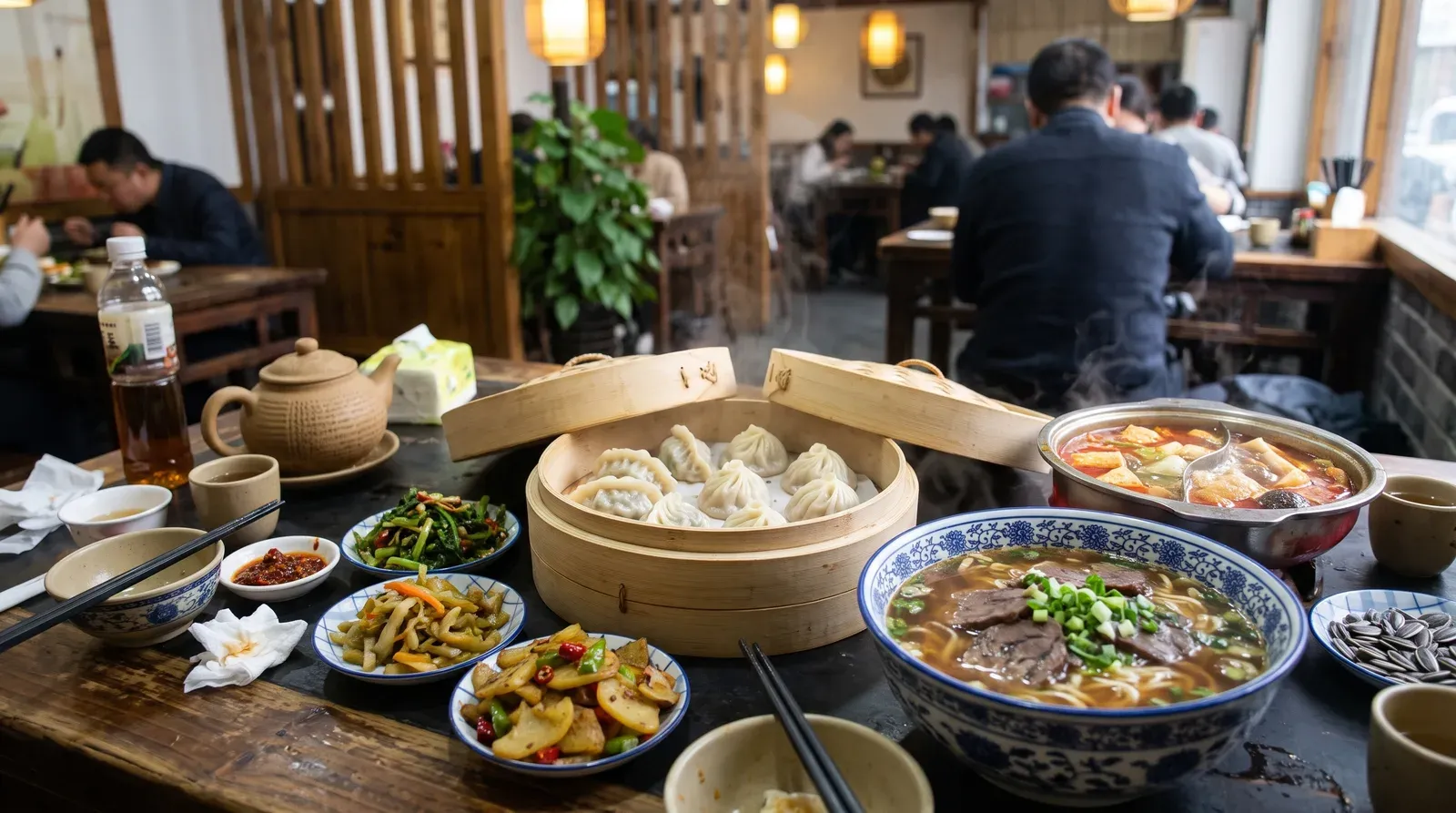
When visiting China for the first time, tasting classic dishes is a key part of experiencing local food culture. Among them, Sichuan hot pot, Shanghai soup dumplings, and Lanzhou beef noodles are the most iconic. Lanzhou beef noodles are famous for 5 features: clear broth, white radish slices, red chili oil, green garlic sprouts and cilantro, and yellow hand-pulled noodles. Dining in Chinese restaurants usually follows a family-style sharing system, where diners typically order 1 main dish per person for the whole table to share. Travelers looking for the best Chinese food can start with these specialties and the classic flavors of major regional cuisines.
What Classic Chinese Foods Are Worth Trying on Your First Trip?
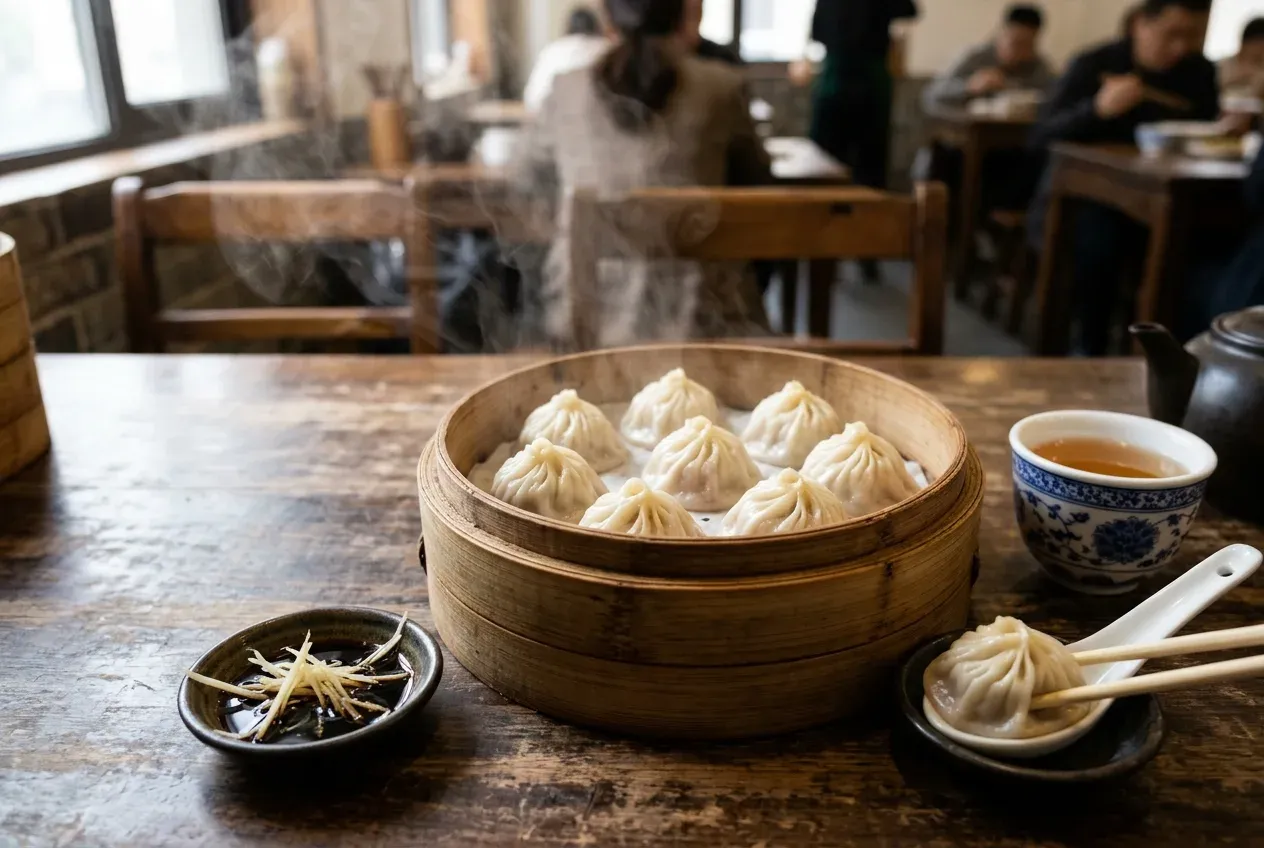
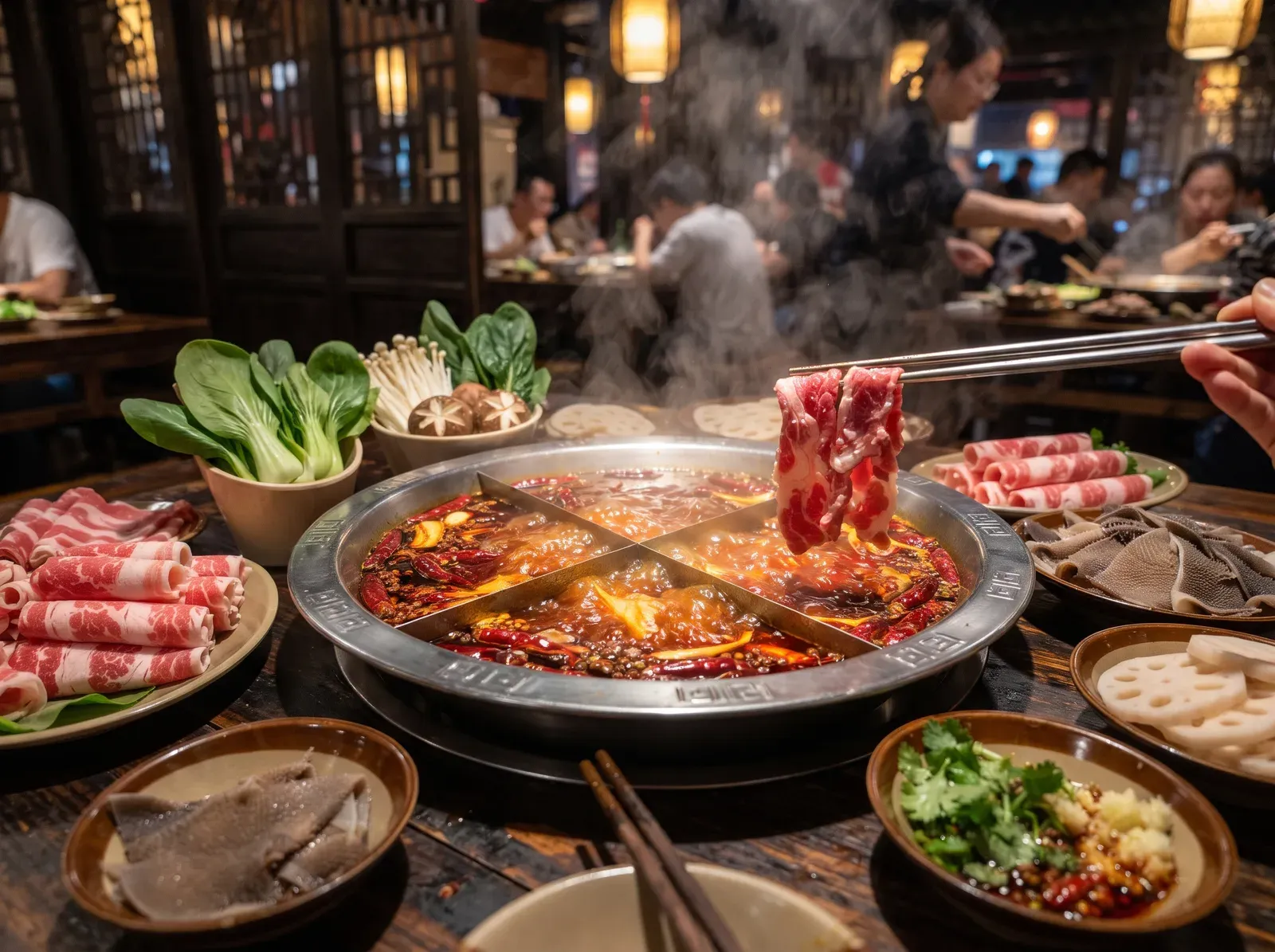
Sichuan hot pot is known for its spicy and numbing red broth. Diners simmer raw meats and vegetables in the boiling pot and dip them in sesame oil before eating. Folk tradition holds that this eating style helps dispel dampness built up from humid weather. Shanghai soup dumplings originated in Shanghai, steamed in small bamboo baskets and filled with hot broth. When eating them, diners traditionally hold the dumpling on a soup spoon, dip it in Zhenjiang aromatic vinegar with ginger shreds, nibble a small opening to sip the soup, and then eat it. When exploring diverse Chinese foods, breakfast also offers many choices, and diners looking for a traditional Chinese breakfast often enjoy Shanghai soup dumplings as a favorite warm morning treat.
Lanzhou beef noodles emphasize five hallmarks: clear broth, white radish, red chili oil, green cilantro and garlic sprouts, and yellow noodles. Chefs pull the noodles by hand on-site, serving them with clear aged beef broth, radish slices, chili oil, cilantro, and garlic sprouts. This noodle dish is hand-pulled on-site by the chef and paired with clear aged beef broth and vegetable seasonings. For travelers exploring China food culture for the first time, you can clearly watch the chef pull and boil noodles in the restaurant.
| Representative Food | Origin and Features | Authentic Way to Eat and Customs |
|---|---|---|
| Sichuan Hot Pot | Simmering raw meats and vegetables in spicy numbing red broth | Dip in sesame oil after cooking; folk tradition believes it helps dispel dampness |
| Shanghai Soup Dumplings | Steamed in small bamboo baskets and filled with hot broth | Hold with a soup spoon, dip in Zhenjiang vinegar and ginger shreds, nibble an opening to sip the soup |
| Lanzhou Beef Noodles | Hand-pulled noodles made on-site with clear aged beef broth | Follows the five hallmarks: clear broth, white radish, red chili oil, green herbs, and yellow noodles, served with radish slices, chili oil, cilantro, and garlic sprouts |
How Do Regional Chinese Cuisines Differ in Flavor?
Sichuan cuisine is known for bold, spicy, and numbing flavors, making generous use of garlic, chili peppers, and distinctive Sichuan peppercorns to create a sharp, pungent profile. Cantonese cuisine (Guangdong cuisine) emphasizes balanced flavors that are never greasy, using seasonings moderately to avoid masking the natural taste of ingredients, with very high standards for freshness and ingredient quality. If you prefer light and natural flavors, Cantonese cuisine is a suitable direction to explore; if you like rich and spicy tastes, Sichuan cuisine is a landmark choice.
Jiangsu cuisine focuses on textures that are tender and soft without losing their shape, with strict control over cooking heat and temperature, emphasizing color and plating while using original broths to enhance umami. Zhejiang cuisine is refreshing and never greasy, characterized by tender, smooth textures and rich aromas, often cooked with fresh bamboo shoots, freshwater fish, and seafood. These two culinary traditions showcase the Jiangnan region's focus on tenderness and natural broth flavors.
Fujian cuisine has a delicate, tender, and juicy texture, placing special emphasis on highlighting umami and preserving the natural taste of ingredients, with heavy use of soups, red yeast rice, and shrimp oil for seasoning. Anhui cuisine makes good use of wild mountain game and herbal ingredients, specializing in braising and stewing while using frying and stir-frying less often than other culinary traditions. These six traditional cuisines demonstrate how southern and southwestern China developed distinct flavors suited to local environments.
| Cuisine | Flavor Profile | Main Ingredients and Cooking Characteristics |
|---|---|---|
| Sichuan Cuisine | Bold, spicy, numbing, and aromatic | Heavy use of garlic, chili peppers, and Sichuan peppercorns |
| Cantonese Cuisine | Balanced, light, and not greasy | Moderate spices, focusing on ingredient freshness and natural flavor |
| Jiangsu Cuisine | Tender and soft without losing shape | Strict control of heat, focusing on color, shape, and original broths for umami |
| Zhejiang Cuisine | Refreshing, tender, smooth, and rich in aroma | Cooked with fresh bamboo shoots, freshwater fish, and seafood |
| Fujian Cuisine | Delicate, juicy, and umami-focused | Preserves natural flavors, relies heavily on soups, red yeast rice, and shrimp oil |
| Anhui Cuisine | Specializes in braising and stewing | Uses mountain game and herbs, with less frying and stir-frying |
What Are the Ordering Rules and Table Etiquette in Chinese Restaurants?
Chinese restaurants generally use a family-style communal dining format. Unlike Western individual plating, all dishes are typically placed in the center of the table for everyone to share. When ordering, the usual guideline is to order 1 main dish per person seated, allowing the whole group to share a variety of flavors. This dining style makes it easy for travel companions to sample meat, vegetable, cold, hot, and contrasting flavor combinations all in one meal.
When dining in China, there are essential table etiquette taboos to keep in mind, and chopsticks must never be stuck vertically into a bowl of rice or food. Folk tradition views this as resembling incense sticks burned during funeral rituals, making it impolite during a meal. When you are done using chopsticks, place them flat on the chopstick rest or across the edge of the bowl, an important etiquette rule for first-time visitors to China.
We list local specialties by city on our destination pages, and your driver can also recommend local restaurants during the trip.
Sources
Sichuan cuisine - Wikipedia
Cantonese cuisine - Wikipedia
Jiangsu cuisine - Wikipedia
Fujian cuisine - Wikipedia
Zhejiang cuisine - Wikipedia
Anhui cuisine - Wikipedia
Lanzhou beef noodles - Wikipedia
Xiaolongbao - Wikipedia
Customs and etiquette in Chinese dining - Wikipedia
The above sources were verified on Nov 14, 2026
FAQ
How should I order food for the first time in a Chinese restaurant?
Chinese restaurants generally use a communal sharing system. It is usually recommended to order 1 main dish per person for the entire table to share, which helps prevent food waste while allowing you to taste a variety of flavors.
What is the traditional way to eat soup dumplings?
Soup dumplings contain hot broth inside. The traditional way to eat them is to hold the dumpling on a soup spoon, dip it in a little Zhenjiang aromatic vinegar and ginger shreds, gently nibble a small opening to sip the broth, and then eat the whole dumpling.
What chopstick etiquette should you never break at a Chinese dining table?
The primary taboo is never sticking chopsticks upright into a bowl of rice or food, as this resembles incense sticks placed during funeral rituals and is considered a serious dining taboo in Chinese tradition.
Which regional cuisines should travelers who cannot eat spicy food choose in China?
Diners who cannot tolerate spicy food can look first to Cantonese, Jiangsu, Zhejiang, or Fujian cuisines. These traditions focus on light, balanced flavors, tender and smooth textures, and the natural taste of ingredients, rarely using heavy amounts of chili peppers or Sichuan peppercorns.