
Does China Celebrate Christmas? What It Looks Like in China
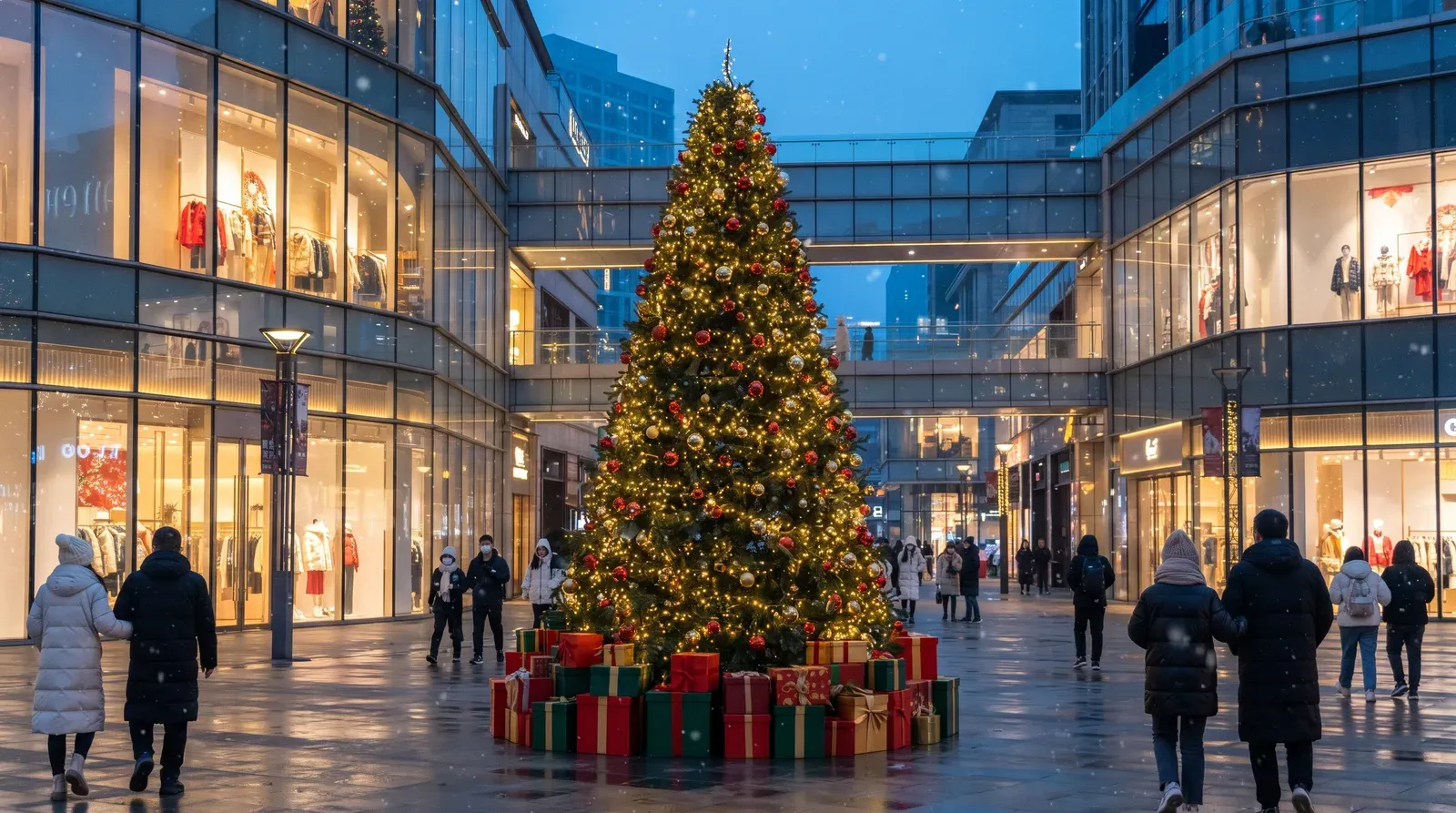
In mainland China, Christmas on December 25 is not a statutory public holiday. Businesses, government offices, and schools operate as normal. China currently has only 7 statutory public holidays, which do not include Christmas. In most Chinese cities, it serves primarily as a secular day for sales promotions and youth gatherings, without widespread religious significance.
Do Chinese Celebrate Christmas? Official Holiday Rules and Reality
The Chinese government does not include Christmas on December 25 on its official list of public holidays. China currently has 7 statutory public holidays: New Year's Day, Spring Festival, Qingming Festival, Labor Day, Dragon Boat Festival, Mid-Autumn Festival, and National Day. Therefore, on Christmas Day, public institutions, companies, and schools across the country run as usual.
In mainland China, Christmas is mainly a commercial and romantic leisure day rather than a religious or public holiday. Ordinary Chinese households rarely decorate a Christmas tree at home, preferring to gather during traditional festivals. In commercial districts of large cities, however, the Chinese Xmas atmosphere is often lively, making it an important occasion for year-end shopping and social outings.
| Holiday or Solar Term | Date | Statutory Public Holiday | Main Activities and Traditions |
|---|---|---|---|
| New Year's Day | January 1 | Yes | Statutory time off and welcoming the calendar new year |
| Spring Festival | 1st day of the 1st lunar month | Yes | Statutory time off and family reunions |
| Qingming Festival | One of the 24 solar terms | Yes | Statutory time off, tomb sweeping, and ancestor worship |
| Labor Day | May 1 | Yes | Statutory time off and outdoor leisure |
| Dragon Boat Festival | 5th day of the 5th lunar month | Yes | Statutory time off and traditional folk activities |
| Mid-Autumn Festival | 15th day of the 8th lunar month | Yes | Statutory time off, moon gazing, and family reunions |
| National Day | October 1 | Yes | Statutory time off and national celebrations |
| Winter Solstice | Late December | No | Folk custom of eating tangyuan or dumplings for family reunions |
| Christmas | December 25 | No | Commercial promotions, couple dining, and entertainment |
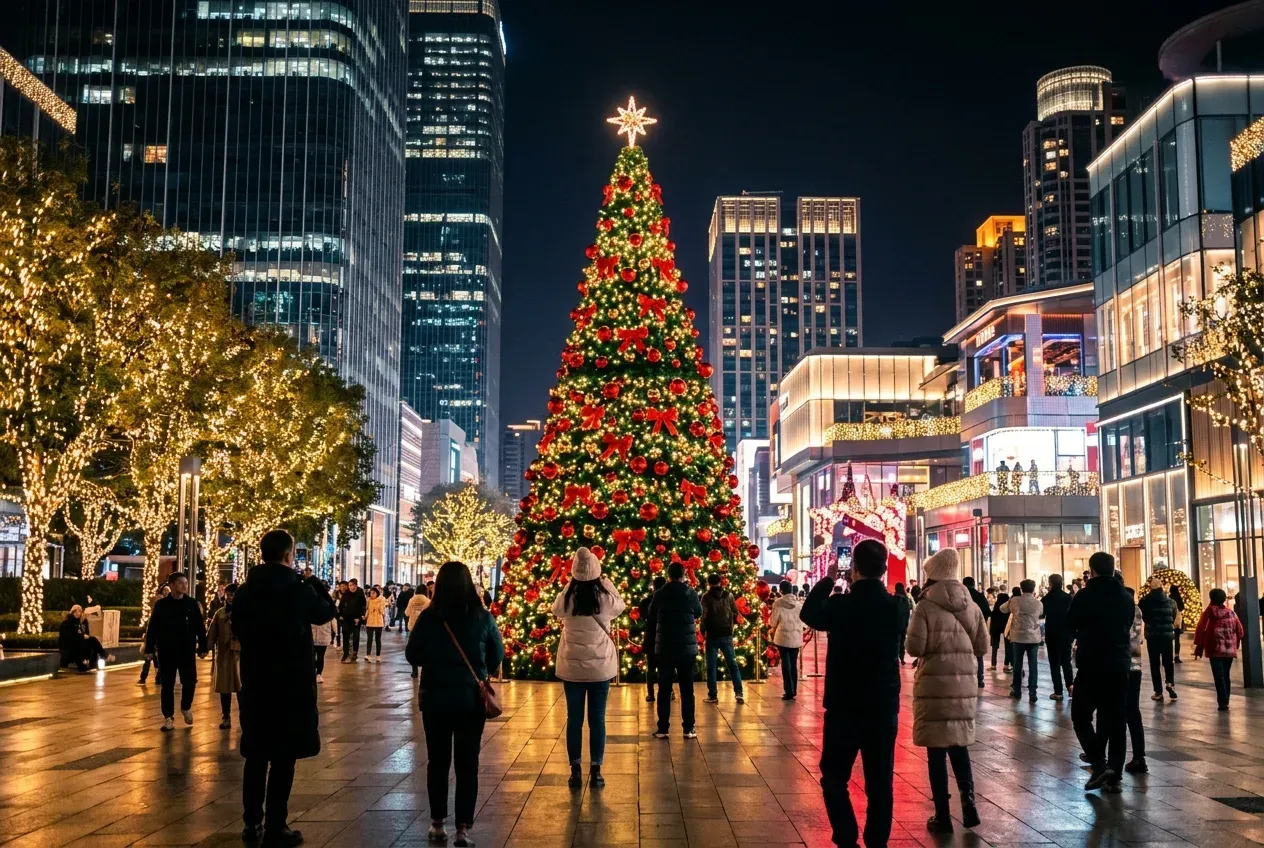
How Is Christmas Celebrated in China? Youth Leisure and Mall Promotions
Young people in China often view Christmas as a romantic occasion similar to Valentine's Day. On this day, many young couples exchange gifts, share dinner, or go out for leisure. Restaurants, cinemas, and entertainment venues usually see large crowds that evening.
While ordinary Chinese families rarely place Christmas trees in their homes, shopping malls, hotels, and commercial streets in big cities set up huge trees with colorful lights, playing songs like Jingle Bells to attract customers. Retailers turn the holiday into a key year-end sales season, launching discounts and special decorations.
International metropolises such as Shanghai host European-style Christmas markets each year. These markets typically sell mulled wine (Glühwein), Western holiday desserts, and evergreen wreaths, drawing local residents and expatriates to experience winter festivities.
Why Give Apples on Christmas Eve? China's Peace Apple Custom
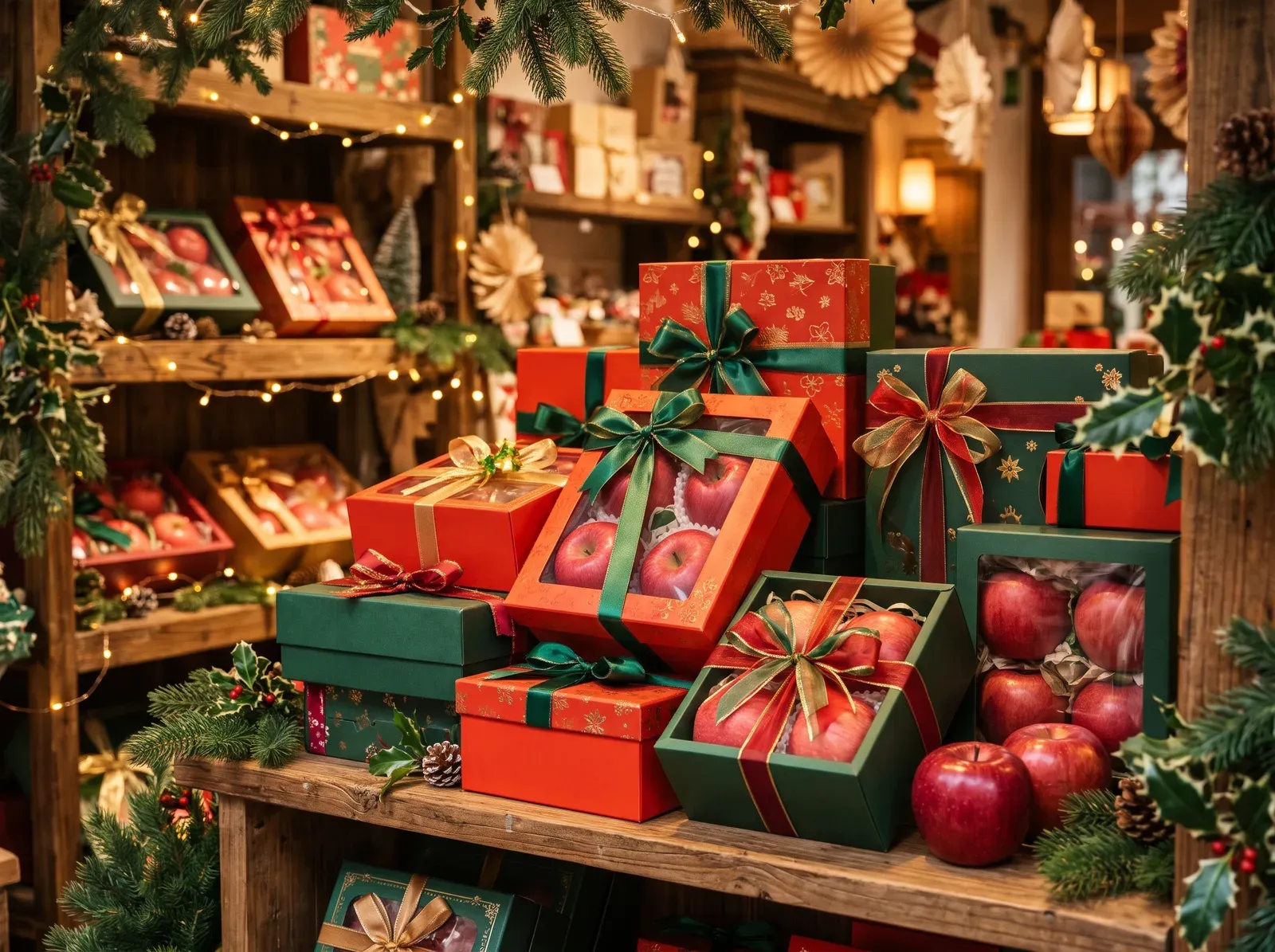
Gifting apples on Christmas Eve is a unique custom that developed locally in China. Because the Chinese word for apple sounds similar to ping in Ping'an Ye (Christmas Eve), businesses began packaging them as peace apples to convey wishes for safety and good fortune.
When young people exchange apples on Christmas Eve, they often wrap them in multiple layers of colorful paper. The number of layers and the care in wrapping are often used by young people to express deep friendship and sincere wishes. Ahead of Christmas Eve, supermarkets and fruit shops fill up with special apple boxes tied with ribbons.
Christmas Vocabulary in Chinese: History and Language Background
The Chinese name for Christmas, Shengdanjie, consists of three characters meaning holy, birth, and festival, literally referring to a festival commemorating the birth of Jesus. Santa Claus is called Shengdan Laoren in Chinese, which literally translates to Christmas Old Man.
When offering holiday greetings in Chinese, Merry Christmas is pronounced Shengdan Kuaile in Mandarin and Seng Dan Fai Lok in Cantonese. These greetings are very common on major city streets and in digital messages in late December.
Historically, Christian concepts of Christmas were first brought to China by missionaries during the Tang Dynasty. Popular secular celebrations only began to spread widely across society after the reform and opening-up policy in 1978.
Christmas Industries and Themed Destinations in China
Yiwu in Zhejiang Province is a major global manufacturing and distribution center for Christmas decorations. Home to hundreds of holiday goods manufacturers, the city exports large quantities of Christmas trees, lights, ornaments, and holiday dolls worldwide every year.
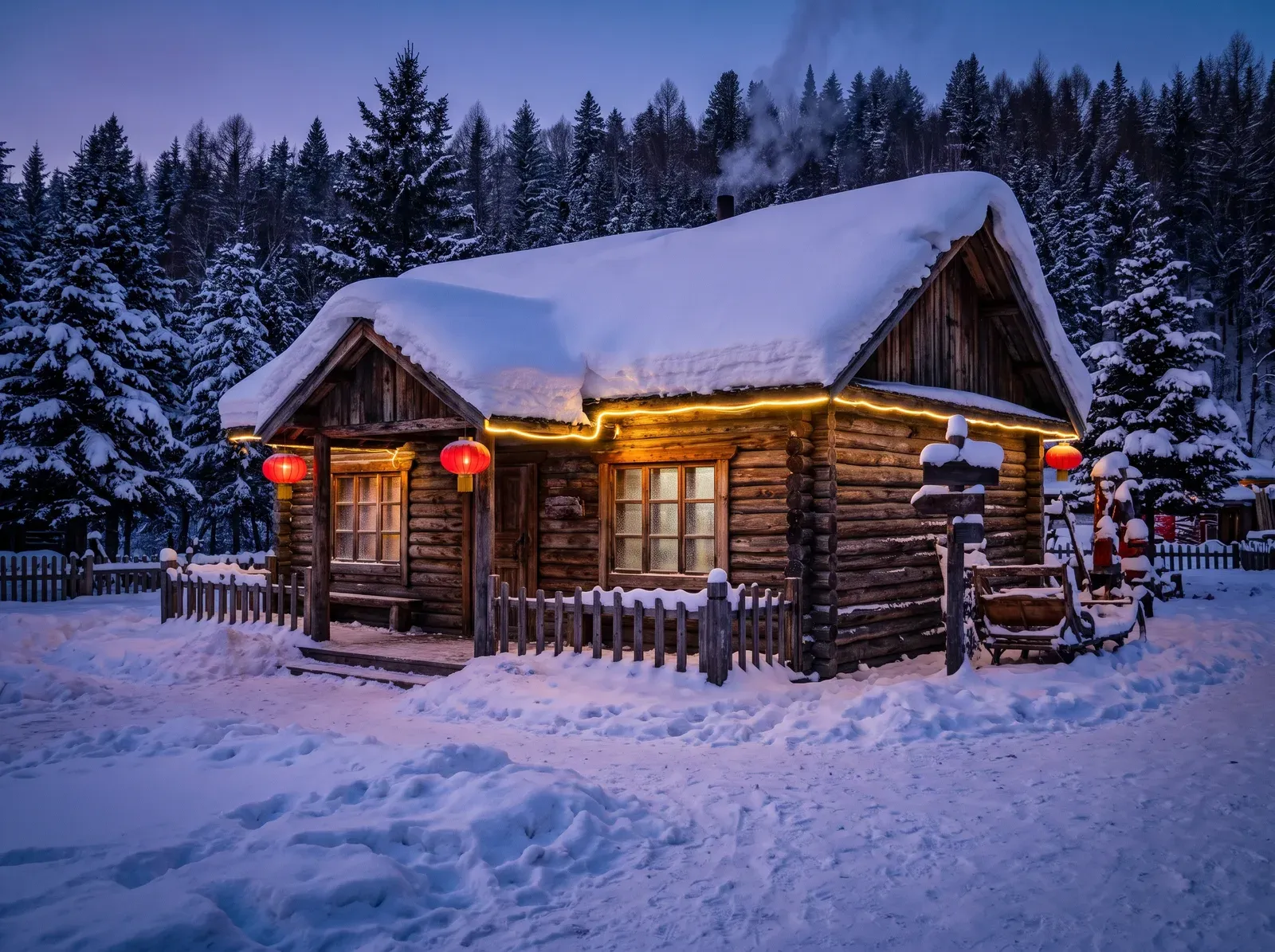
For travel experiences, Beiji Village in Mohe, China's northernmost city in Heilongjiang Province, features the country's first Christmas theme park. The park includes a Santa Claus House and sleigh rides, allowing visitors to experience northern winter scenery on snow and ice.
Traditional Year-End Solar Term: Late December Winter Solstice Customs
Late December coincides with the traditional Chinese solar term Dongzhi, or Winter Solstice. Dongzhi has a history of more than 2,500 years in China and remains an important year-end occasion for many traditional families.
In folk tradition, people eat tangyuan or dumplings on Winter Solstice to celebrate family reunions. Compared with Christmas as an imported concept, most Chinese elders and families place greater value on traditional solar terms like Dongzhi and the upcoming Lunar New Year.
What to Expect When Experiencing Christmas in China
Christmas is not a holiday anywhere in mainland China. Travelers using public transport or visiting attractions will find public services and commercial venues open as usual on regular workdays. Because of this, winter travelers do not need to worry about the widespread closures typical of the Spring Festival holiday.
Holiday atmosphere varies noticeably across regions and generations. Noticeable decorations are concentrated in shopping districts and expat communities of medium and large cities, with few signs of celebration in small towns or typical residential areas. The general public views the day mainly as a commercial and social occasion rather than a religious observance.
Sources
Public holidays in China - Wikipedia
How is Christmas Celebrated in China? - Confucius Institute for Scotland
The sources above were verified on November 5, 2026.
FAQ
Is Christmas a public holiday in mainland China on December 25?
No. China currently has only 7 statutory public holidays, and Christmas is not one of them. Businesses, schools, and government offices operate as normal on December 25.
Why do Chinese people exchange apples on Christmas Eve?
The Chinese word for apple sounds like the word for peace in Christmas Eve. People call them peace apples to express wishes for safety and good fortune, and young people wrap them in colorful paper to show friendship.
How do you say Merry Christmas in Mandarin and Cantonese?
In Mandarin, it is pronounced Shengdan Kuaile. In Cantonese, it is pronounced Seng Dan Fai Lok.
Does China have a Christmas theme park?
Beiji Village in Mohe, Heilongjiang Province, is home to China's first Christmas theme park, featuring a Santa Claus House and sleigh rides.
Do ordinary Chinese families set up Christmas trees?
Ordinary Chinese households rarely decorate Christmas trees indoors. Giant trees and light displays appear primarily in shopping malls, hotels, and commercial streets in big cities.