
Chinese Festivals: Main Dates and Holidays
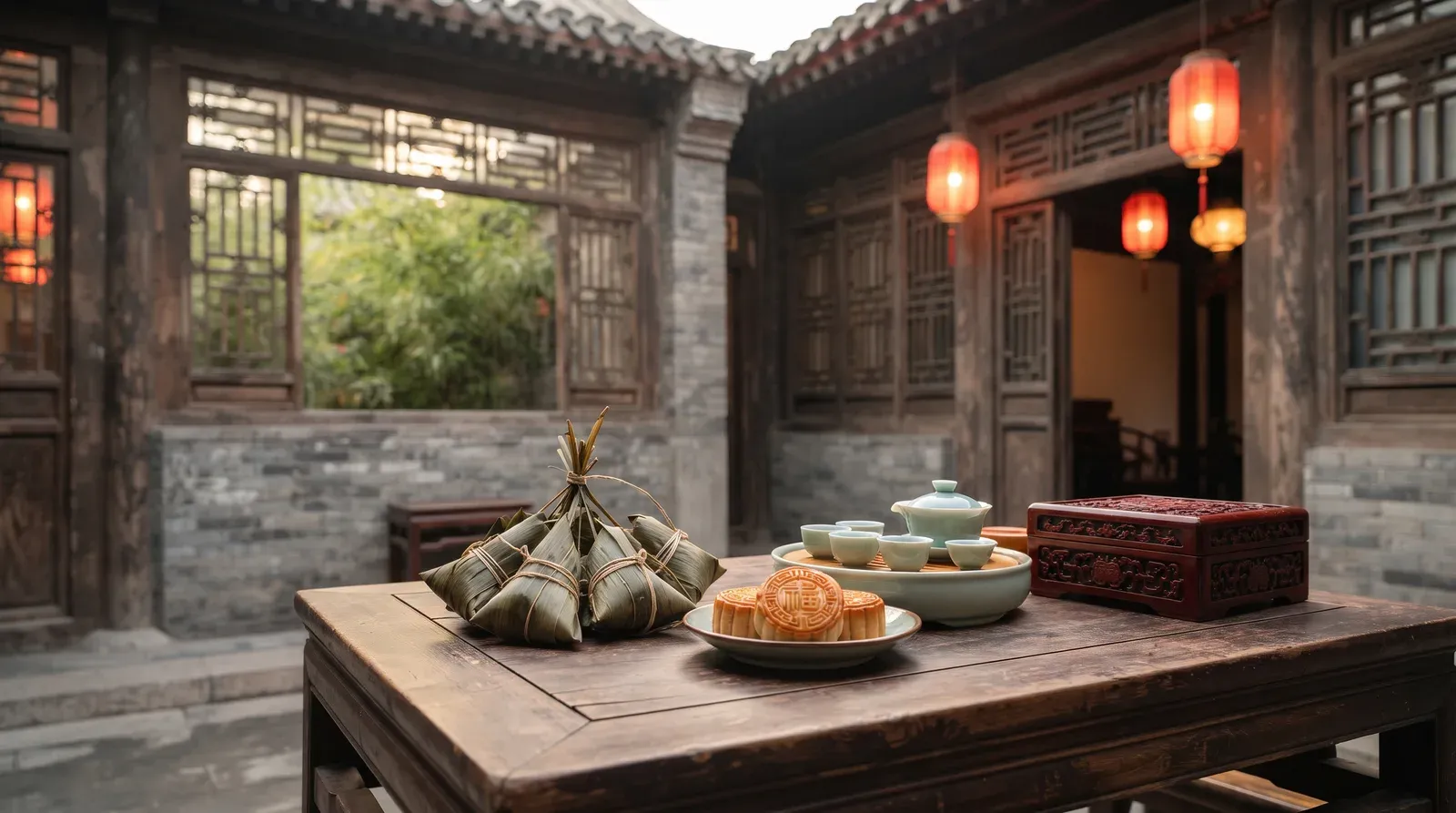
The four major traditional Chinese festivals recognized by both the public and the government are the Spring Festival, Qingming Festival, Dragon Boat Festival, and Mid-Autumn Festival. Under the latest holiday regulations issued by the State Council, effective January 1, 2025, the Spring Festival holiday lasts 8 days starting on Lunar New Year's Eve, while Qingming, Dragon Boat, and Mid-Autumn each grant a 3-day adjusted or consecutive holiday. These traditional celebrations are largely based on the Chinese lunisolar calendar or the 24 solar terms, with the Spring Festival on the first day of the first lunar month being the most important celebration in Chinese culture.
When Are the Major Festivals in China Celebrated and What Are the Holiday Schedules?
Traditional Chinese holidays are mostly calculated based on the lunar calendar or solar terms, so their Gregorian dates change every year, with clearly defined statutory holiday periods. The traditional dates, Gregorian dates, and statutory holidays for the main observances are listed below:
| Festival Name | Traditional Date | 2025 Gregorian Date | 2026 Gregorian Date | 2027 Gregorian Date | Statutory Days Off |
|---|---|---|---|---|---|
| Spring Festival | 1st day of the 1st lunar month | January 29 | February 17 | February 6 | 8 days off with adjusted working days |
| Qingming Festival | 15th day after the Spring Equinox | April 4, 5, or 6 | April 4, 5, or 6 | April 4, 5, or 6 | 3 days off, adjusted or consecutive |
| Dragon Boat Festival | 5th day of the 5th lunar month | May 31 | June 19 | June 9 | 3 days off, adjusted or consecutive |
| Mid-Autumn Festival | 15th day of the 8th lunar month | October 6 | September 25 | September 15 | 3 days off, adjusted or consecutive |
| Lantern Festival | 15th day of the 1st lunar month | February or early March | February or early March | February or early March | No separate statutory holiday |
| Qixi Festival | 7th day of the 7th lunar month | Based on the lunar calendar | Based on the lunar calendar | Based on the lunar calendar | No separate statutory holiday |
| Double Ninth Festival | 9th day of the 9th lunar month | Based on the lunar calendar | Based on the lunar calendar | Based on the lunar calendar | No separate statutory holiday |
What Are the Key Customs and Celebration Dates of the Spring Festival?
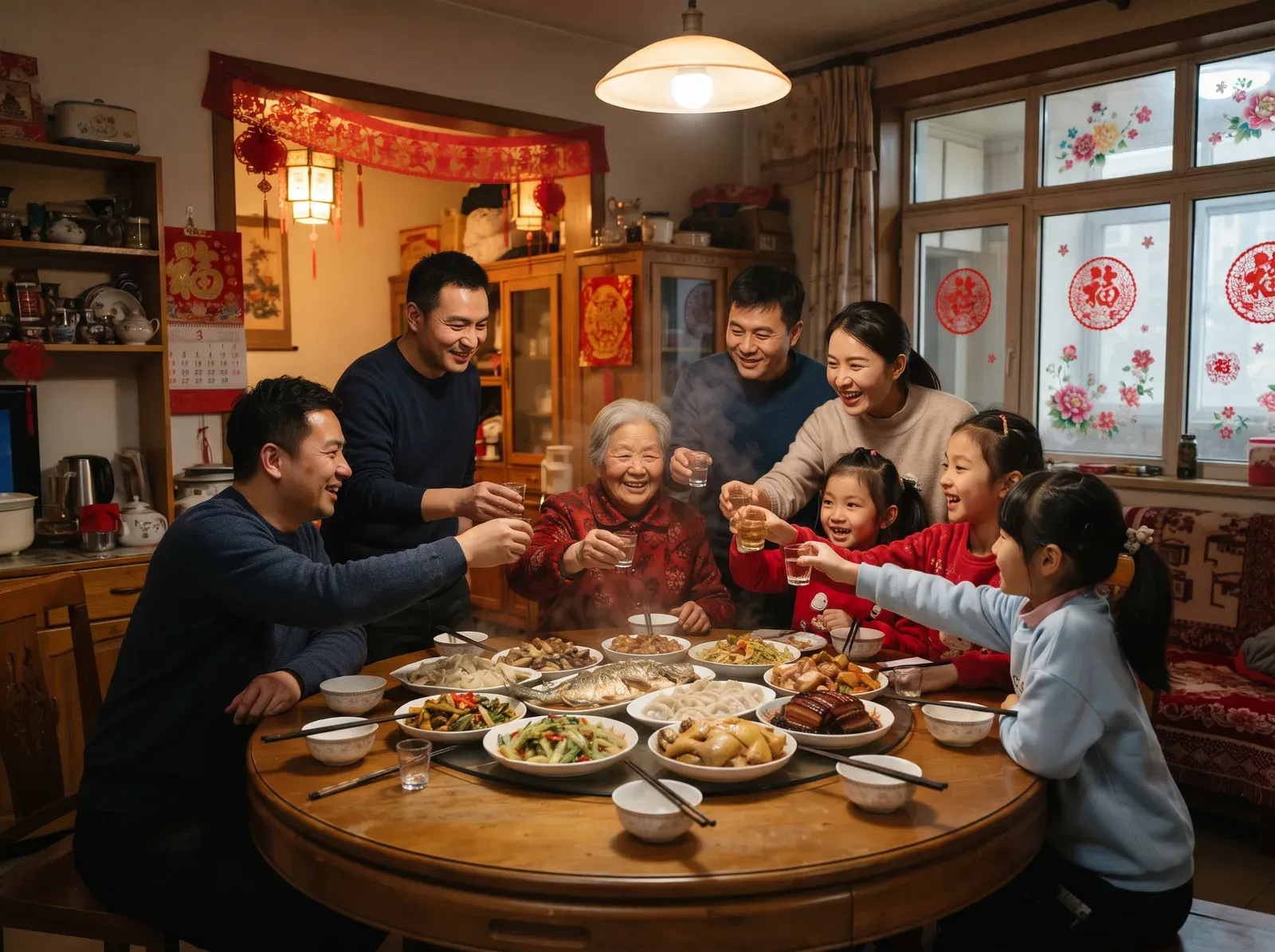
The Spring Festival marks the beginning of a new year on the traditional Chinese lunisolar calendar and stands as the most important event in Chinese culture. According to the latest holiday schedule from the State Council, starting January 1, 2025, the holiday provides an 8-day adjusted break beginning on Lunar New Year's Eve.
Falling on the first day of the first lunar month, the Gregorian dates for the Spring Festival are January 29, 2025 (Snake year), February 17, 2026 (Horse year), February 6, 2027 (Goat year, also called Sheep or Ram), and January 26, 2028 (Monkey year). The zodiac sign transitions on the first day of the first lunar month.
Core traditions include the reunion dinner on New Year's Eve, pasting red paper-cuts on windows and spring couplets on doors, setting off firecrackers, and elders giving red envelopes with lucky money to younger generations.
When Is Qingming Festival Celebrated and What Are Its Traditions?
Qingming Festival is the fifth of the 24 solar terms, occurring 15 days after the Spring Equinox, usually on April 4, 5, or 6 on the Gregorian calendar. Designated as a statutory public holiday in mainland China since 2008, it includes a 3-day adjusted or consecutive break.
Commonly known as Tomb Sweeping Day, people visit ancestral graves to clean the tombs, lay out food offerings, and burn incense and joss paper, while also taking spring outings. A widespread culinary custom is eating qingtuan, green glutinous rice balls made with mugwort or barley grass juice.
When Is the Dragon Boat Festival Celebrated and What Are Its Activities?
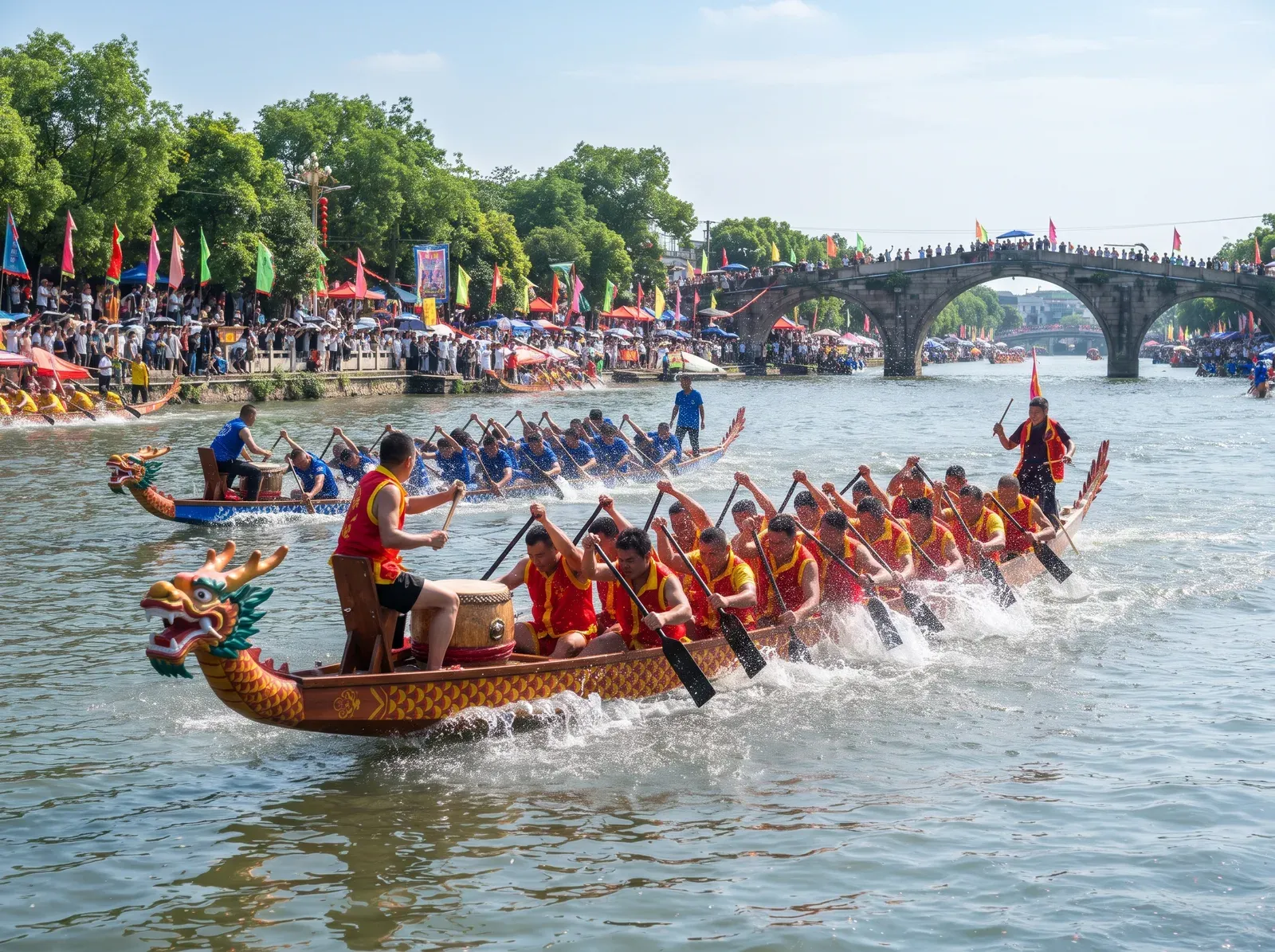
The Dragon Boat Festival is celebrated on the 5th day of the 5th lunar month, primarily commemorating the patriotic poet Qu Yuan of the Chu state during the Warring States period. Festivities center on dragon boat races and eating zongzi (sticky rice dumplings). Under the official schedule, it grants a 3-day adjusted or consecutive holiday.
Occurring on the 5th day of the 5th lunar month, the Gregorian dates for the Dragon Boat Festival are May 31, 2025, June 19, 2026, June 9, 2027, and May 28, 2028.
In September 2009, UNESCO inscribed the Dragon Boat Festival onto the Representative List of the Intangible Cultural Heritage of Humanity, making it the first festival from China to receive this status.
When Is Mid-Autumn Festival Celebrated and What Food Is Eaten?
The Mid-Autumn Festival takes place on the 15th day of the 8th lunar month, falling between September 7 and October 8 on the Gregorian calendar. The full moon on this night symbolizes harvest and family reunion. Under official regulations, it provides a 3-day adjusted or consecutive holiday break.
The 15th day of the 8th lunar month corresponds to October 6, 2025, September 25, 2026, and September 15, 2027. The festival's folklore is closely tied to the myth of Chang'e, the moon goddess, flying to the moon.
The essential traditional food for the Mid-Autumn Festival is the mooncake, typically filled with red bean paste or lotus seed paste.
What Other Folk Holidays Are Part of China's Celebrations?
The Lantern Festival, celebrated on the 15th day of the 1st lunar month (usually February or early March), marks the formal end of Lunar New Year activities. As a popular festival in China, its evening traditions include carrying colorful lanterns through the streets and solving riddles written on lanterns. The festive food is round glutinous rice dumplings stuffed with red bean paste, black sesame, or peanuts, known as tangyuan in southern China and yuanxiao in the north, symbolizing family unity.
Qixi Festival is celebrated on the 7th day of the 7th lunar month. Rooted in the ancient mythology of the Cowherd and the Weaver Girl meeting on a magpie bridge once a year, it is often called the Qiqiao Festival or Chinese Valentine's Day. The most iconic holiday food is qiaoguo, a fried pastry that has been eaten for over a thousand years since the Song dynasty.
The Double Ninth Festival is observed on the 9th day of the 9th lunar month. In the I Ching, nine is a yang number, so the repeating nines give the day its name, and it is a statutory public holiday in Hong Kong and Macau. Modern customs include hiking up hills, viewing chrysanthemums, drinking chrysanthemum wine, wearing dogwood sprigs, and eating Chongyang cake, with a focus on showing respect to the elderly.
What Are the Rules and Exceptions for Chinese Holiday Dates and Time Off?
Most traditional Chinese holidays depend on the lunar calendar, so their Gregorian dates shift each year. The exception is the Qingming Festival, which is based on a solar term and almost always falls on April 4, 5, or 6.
There are four traditional holidays that grant statutory paid leave in mainland China: the Spring Festival, Qingming Festival, Dragon Boat Festival, and Mid-Autumn Festival.
Although the Lantern Festival, Qixi Festival, and Double Ninth Festival are widely observed, they do not receive separate statutory holidays in mainland China, though the Double Ninth Festival is a statutory public holiday in Hong Kong and Macau.
Sources
List of observances set by the Chinese calendar - Wikipedia
Chinese New Year - Wikipedia
Notice of the General Office of the State Council on the Holiday Schedule - The State Council of the People's Republic of China
Lantern Festival - Wikipedia
Qingming Festival - Wikipedia
Dragon Boat Festival - Wikipedia
Qixi Festival - Wikipedia
Mid-Autumn Festival - Wikipedia
Double Ninth Festival - Wikipedia
The sources above were verified on November 7, 2026
FAQ
Which traditional Chinese holidays are statutory paid holidays in mainland China?
Mainland China has four traditional holidays with statutory paid leave: the Spring Festival, Qingming Festival, Dragon Boat Festival, and Mid-Autumn Festival. While folk observances such as the Lantern Festival, Qixi, and Double Ninth Festival are widely celebrated, they do not have separate statutory holidays.
Why is the Gregorian date for Qingming Festival mostly fixed while other holidays change each year?
The Spring Festival, Dragon Boat Festival, and Mid-Autumn Festival follow lunar dates on the Chinese lunisolar calendar, so their Gregorian dates change every year. Qingming Festival is the fifth of the 24 solar terms (15 days after the Spring Equinox), so its Gregorian date usually falls on April 4, 5, or 6.
What is the difference between eating tangyuan and yuanxiao during the Lantern Festival?
Both tangyuan and yuanxiao are round glutinous rice dumplings filled with red bean paste, black sesame, or peanuts eaten during the Lantern Festival to symbolize family reunion. They are called tangyuan in southern China and yuanxiao in northern China.
On which Gregorian dates does the Spring Festival fall from 2026 to 2028?
The Spring Festival falls on February 17, 2026 (Horse year), February 6, 2027 (Goat year), and January 26, 2028 (Monkey year). Starting January 1, 2025, the Spring Festival includes an 8-day adjusted holiday starting on Lunar New Year's Eve.
In which year was the Dragon Boat Festival inscribed on the UNESCO Intangible Cultural Heritage list?
In September 2009, UNESCO inscribed the Dragon Boat Festival on the Representative List of the Intangible Cultural Heritage of Humanity, making it China's first holiday to receive world intangible cultural heritage status.