
Life of Cao Cao and Key Cultural Relics of Cao Wei
Cao Cao was born in 155 and died on March 15, 220. A native of Qiao County in the State of Pei (modern Bozhou, Anhui), he served as chancellor in the late Eastern Han dynasty and founded the Cao Wei state. Historical sites tied to him are mainly in Xuchang, Luoyang, and Anyang in Henan, including national key protected sites like the Han-Wei Luoyang Ancient City and the Gaoling Mausoleum Museum. After his son Cao Pi established the Wei state, he formally honored his father as Emperor Wu of Wei.
What historical significance does Cao Cao hold?
As chancellor in the late Eastern Han dynasty, he laid the foundations for the Cao Wei state. According to historical records, after his son Cao Pi established the state of Wei, he posthumously honored him as Emperor Wu of Wei. Throughout his life, he managed the Central Plains politically and militarily, and his career shaped the transition from the Han to the Wei dynasty.
Why is Xuchang considered a key foundation of Cao Wei?
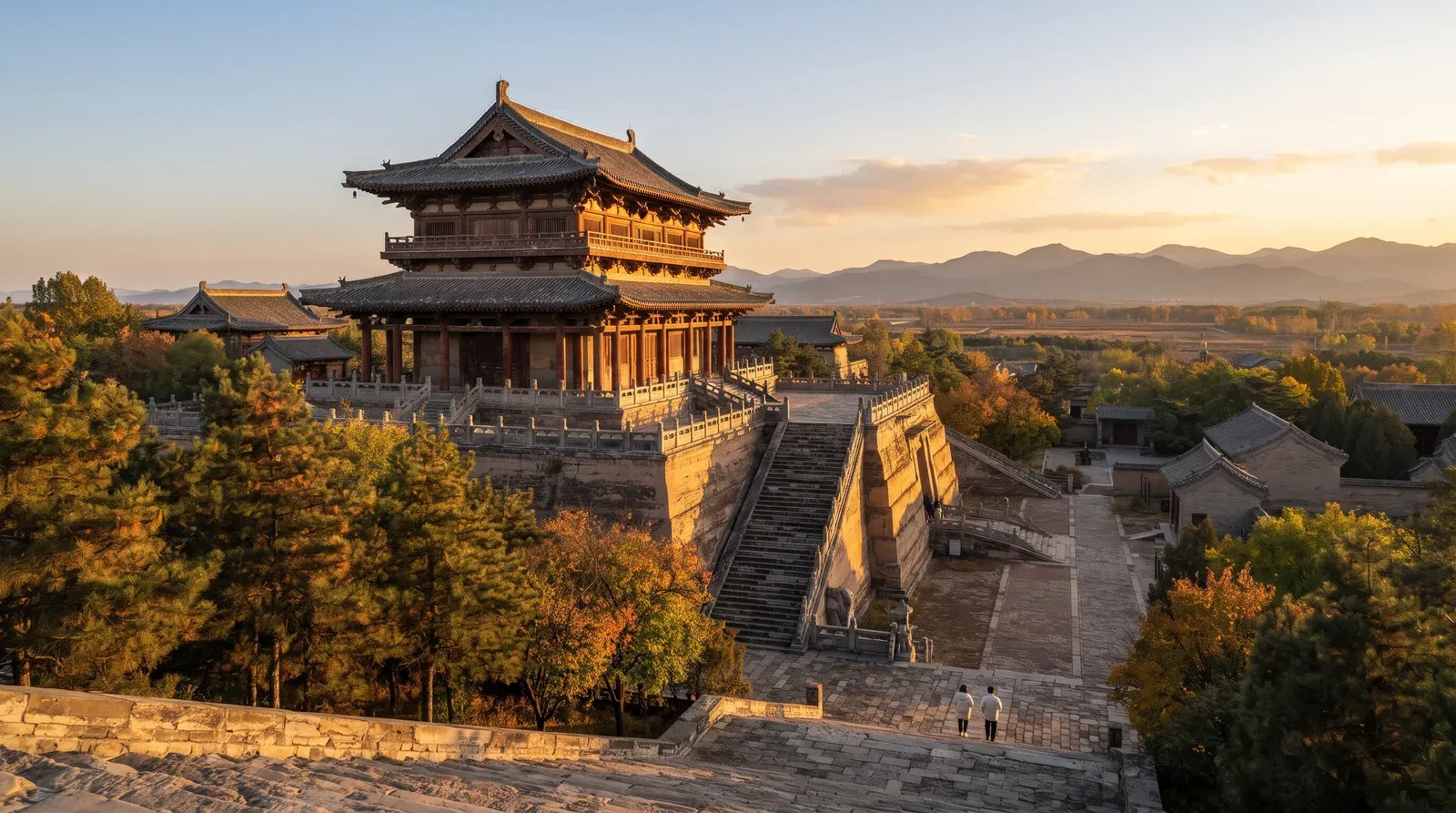
Xuchang served as his core base to welcome Emperor Xian of Han and build the foundations of Wei. Records note that in 221, the second year of the Huangchu era, Cao Pi renamed Xu County to Xuchang County, meaning the Han fell in Xu and the foundation of Wei prospered in Xu. In 198, the third year of the Jian'an era, he built Yuxiu Terrace in Xuchang for Emperor Xian to offer sacrifices to Heaven. The platform stands about 15 meters high, covers 4,000 square meters, and has 99 steps.
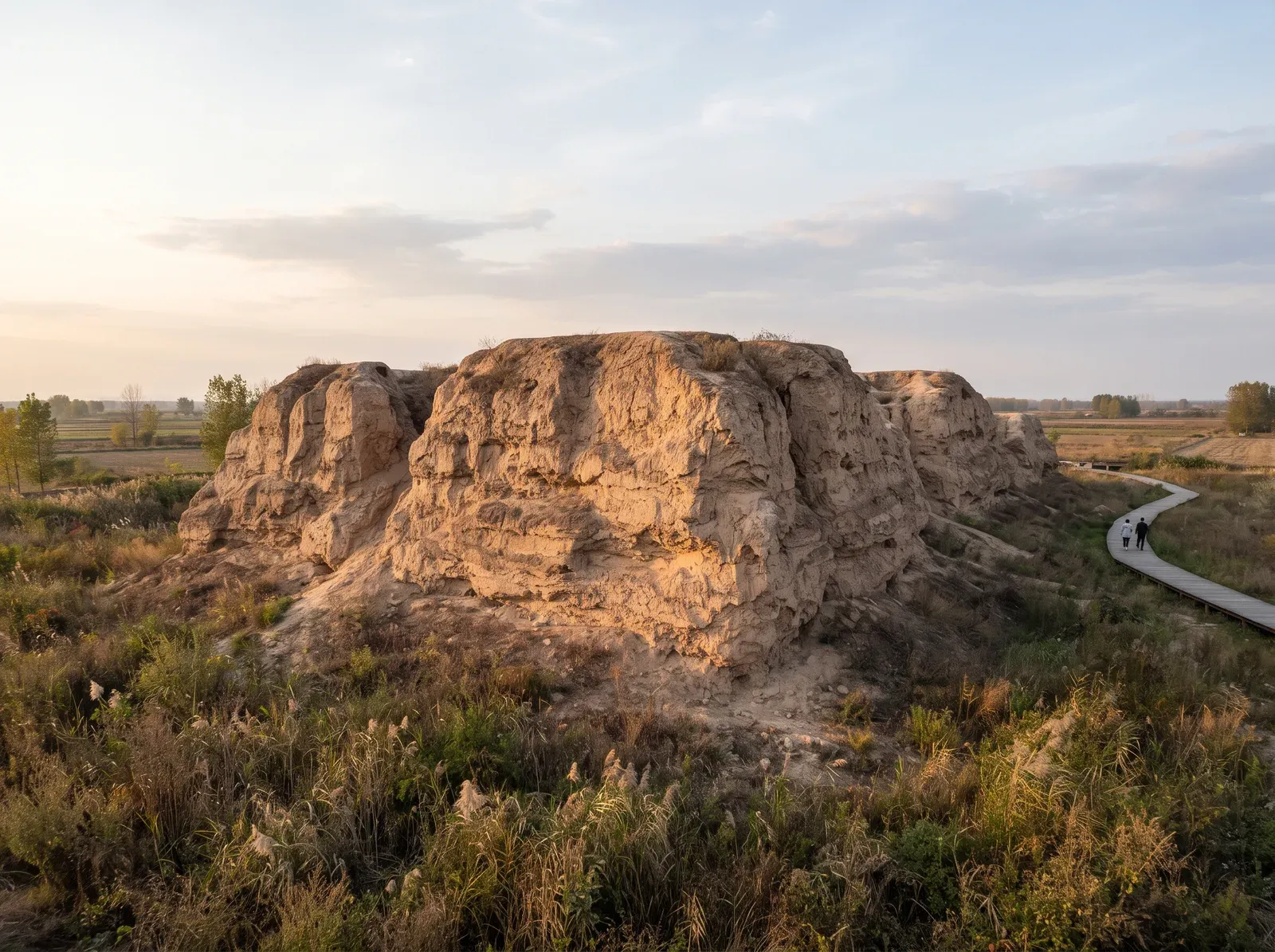
Several sites in Xuchang connect directly to him. The Han-Wei Ancient City of Xuchang is in Gucheng Village, Zhangpan Town, Jian'an District, 18 kilometers from Xuchang City. Traditionally said to have been built by him, it preserves rammed-earth wall outlines and is a provincial-level protected cultural site. The Shoushan Terrace in Xuchang retains a platform base over 20 meters high. Beside it stands the Three Perfections Stele, with text composed by Wang Lang, calligraphy by Liang Hu, and carving by Zhong Yao, recording Cao Pi replacing the Han dynasty.
In the Weidu District at the center of the old city of Xuchang stands Prime Minister Cao's Mansion, a Han-style themed scenic area featuring buildings such as the Hall of Seeking Talents, the Council Hall, the Poetry Tower, and the Troop-Hiding Cave. In addition, Baling Bridge in Xuchang is traditionally where he presented a robe to Guan Yu during their farewell and stopped his officers from pursuing Guan Yu. Beside the bridge stands a stone tablet inscribed by Zuo Liangyu, marking the spot where Lord Guan took the robe with his lance.
What role did Luoyang play in his life and Cao Wei history?
Luoyang held major capital status during both the Eastern Han and Cao Wei periods. According to Wikipedia, Luoyang served as the capital of the Eastern Han dynasty from 25 to 190 and in 196. Located 15 kilometers east of downtown Luoyang, the Han-Wei Luoyang Ancient City served as the capital for both the Eastern Han and Cao Wei. It was listed as a national key cultural relic protection unit in 1961 and became a UNESCO World Heritage site in 2014.
He died in Luoyang on March 15, 220, and the surrounding area has yielded crucial Cao Wei royal lineage sites. In 2010, archaeologists in Mengjin County, Luoyang, discovered the tomb of Cao Xiu, his clan nephew and Minister of War of Cao Wei. The tomb yielded a bronze seal inscribed with the characters "Cao Xiu", making it a significant archaeological discovery confirming royal Wei lineage in the Luoyang area.
How does the Gaoling Mausoleum in Anyang confirm Cao Cao's resting place?
Scientific excavations at the Gaoling Mausoleum in Anyang uncovered key artifacts directly confirming the identity of the tomb owner. The site yielded 59 inscribed stone plaques, including eight jade-shaped stone tablets mentioning items such as the tiger-fighting halberd often used by King Wu of Wei, along with a stone pillow inscribed with "the neck-resting stone often used by King Wu of Wei." These inscribed relics match the historical record that he was created King of Wei during his lifetime and posthumously named King Wu.
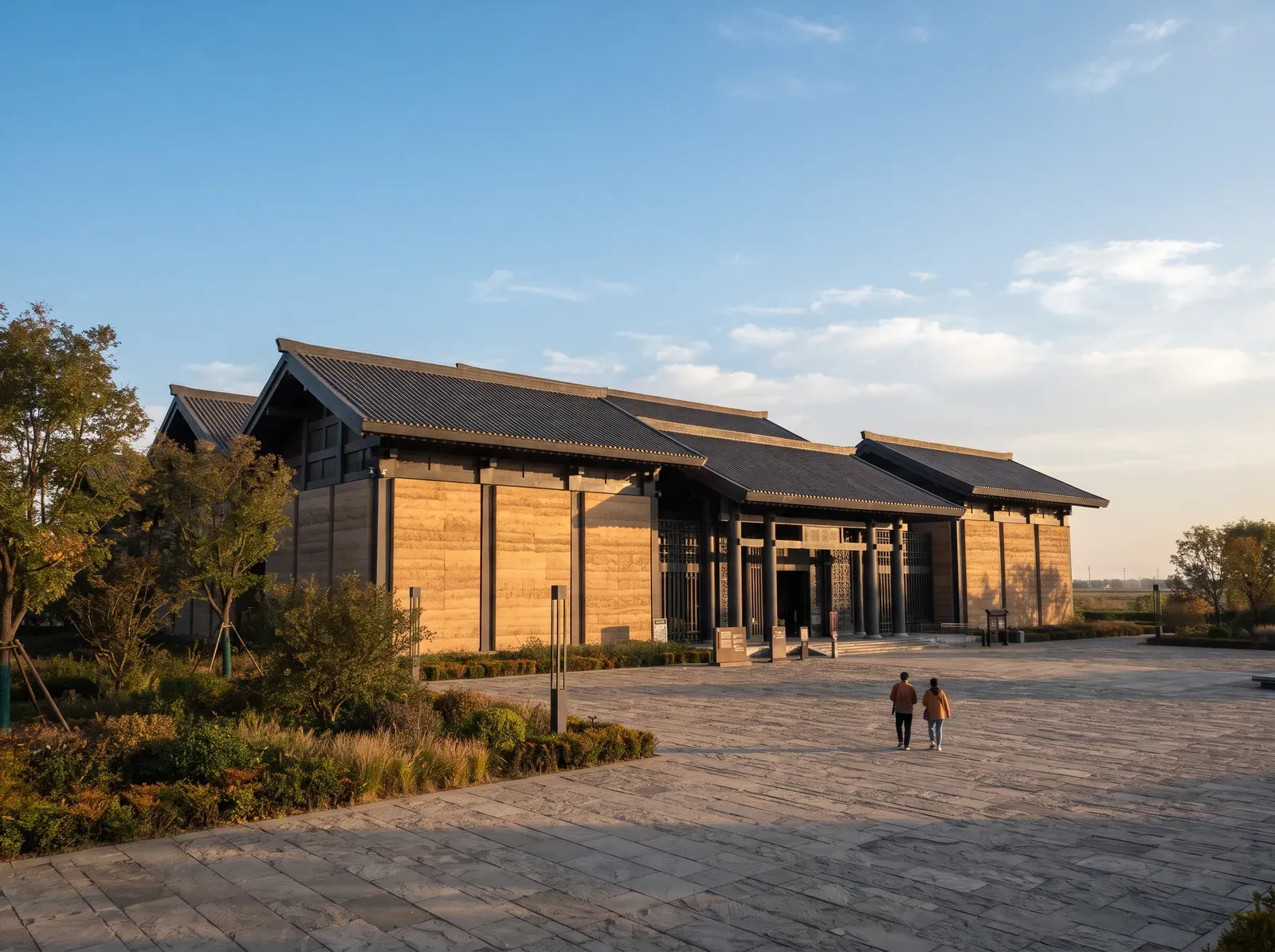
Conservation and display work based on the Gaoling archaeological remains is now open to the public. On April 27, 2023, the Cao Cao Gaoling Mausoleum Museum opened to visitors at the archaeological site in Anyang. Visitors can see the excavation site up close and examine the inscribed stone plaques.
What other major administrative structures were built in the north?
While administering the north, he also constructed major centers serving political, military, and cultural functions. According to historical records, in the winter of 210, the fifteenth year of the Jian'an era, he built the Bronze Sparrow Terrace beside the Zhang River in Ye. Afterward, the terrace served as an important political and military center for Cao Wei, as well as a gathering place for Jian'an literary figures.
Comparison Table of Major Cultural Sites of Cao Cao and Cao Wei
The following table lists core cultural heritage sites of Cao Wei and its founder in Xuchang, Luoyang, Anyang, and Ye:
| Site Name | Location | Associated Historical Period or Year | Protection Level or Nature | Core Artifacts and Architectural Remains |
|---|---|---|---|---|
| Han-Wei Ancient City of Xuchang | Gucheng Village, Zhangpan Town, Jian'an District, Xuchang City | Traditionally built in the late Eastern Han | Provincial-level cultural relic protection unit | 18 km from Xuchang City, preserving rammed-earth wall outlines |
| Xuchang Yuxiu Terrace | Xuchang City | 198 (3rd year of Jian'an) | Built for Emperor Xian to sacrifice to Heaven | About 15 meters high, 4,000 square meters, with 99 steps |
| Xuchang Shoushan Terrace | Xuchang City | Around 221 (2nd year of Huangchu) | Site witnessing Cao Pi replacing the Han | Preserves a platform base over 20 meters high, with the Three Perfections Stele by Wang Lang, Liang Hu, and Zhong Yao beside it |
| Xuchang Baling Bridge | Xuchang City | Where Guan Yu parted from him in the late Eastern Han | Traditional site where he presented a robe at farewell | Preserves a stele inscribed by Zuo Liangyu marking where Lord Guan took the robe |
| Xuchang Prime Minister Cao's Mansion | Old city center, Weidu District, Xuchang City | Modern replica Han-style complex | Cao Wei culture themed scenic area | Features buildings including Hall of Seeking Talents, Council Hall, Poetry Tower, and Troop-Hiding Cave |
| Han-Wei Luoyang Ancient City | 15 km east of downtown Luoyang | 25 to 190, 196, and other years | National key cultural site in 1961, World Heritage site in 2014 | Capital site of Eastern Han and Cao Wei, 15 km from downtown |
| Tomb of Cao Xiu in Mengjin, Luoyang | Mengjin County, Luoyang | Excavated in 2010 | Major archaeological discovery of Cao Wei royalty | Tomb of Cao Xiu, clan nephew and Minister of War, yielding bronze seal inscribed "Cao Xiu" |
| Gaoling Mausoleum in Anyang | Anyang, Henan | Museum opened on April 27, 2023 | Museum built over the archaeological site | Yielded 59 inscribed stone plaques, 8 stone tablets, and an inscribed stone pillow |
| Bronze Sparrow Terrace in Ye | Beside the Zhang River in Ye | Built in winter 210 (15th year of Jian'an) | Gathering place for Jian'an writers and Cao Wei center | Historical major political, military, and cultural building of Cao Wei |
What should you know before visiting these historical sites?
When visiting these cultural sites, it helps to distinguish traditional legends, modern reconstructions, and scientifically verified archaeological discoveries. For example, Baling Bridge and the Han-Wei Ancient City in Xuchang are largely traditional sites or retain only rammed-earth outlines, while Prime Minister Cao's Mansion is a Han-style themed scenic area. In contrast, the Han-Wei Luoyang Ancient City, the Tomb of Cao Xiu in Mengjin, and the Gaoling Mausoleum in Anyang are confirmed by solid archaeological excavations and inscribed artifacts, offering high historical and visit value.
Sources
Historical capitals of China - Wikipedia
Cao Cao - Wikipedia
Xuchang - Wikipedia
Han-Wei Luoyang Ancient City - Wikipedia
Cao Xiu - Wikipedia
Cao Cao Gaoling - Wikipedia
Bronze Sparrow Terrace - Wikipedia
The above sources were verified on November 16, 2026.
FAQ
How was Cao Cao's identity confirmed at the Gaoling Mausoleum in Anyang?
Excavations at the Gaoling Mausoleum uncovered 59 inscribed stone plaques, including eight jade-shaped stone tablets mentioning items such as the tiger-fighting halberd often used by King Wu of Wei, along with a stone pillow inscribed with "the neck-resting stone often used by King Wu of Wei." These stone burial goods inscribed with "King Wu of Wei" fully match historical records that he was granted the title King of Wei during his life and posthumously honored as King Wu.
What was the historical reason for Cao Pi renaming Xu County to Xuchang?
In 221, the second year of the Huangchu era, after Cao Pi replaced the Han dynasty and declared himself emperor, he officially renamed Xu County to Xuchang County, drawing on the meaning that the Han fell in Xu and the foundation of Wei prospered in Xu.
What is the heritage conservation status of the Han-Wei Luoyang Ancient City?
The Han-Wei Luoyang Ancient City served as the capital of both the Eastern Han and Cao Wei dynasties. It was designated a national key cultural relic protection unit by the State Council in 1961 and officially inscribed on the UNESCO World Heritage List in 2014.
What is the scale and purpose of Yuxiu Terrace in Xuchang?
Built in 198, the third year of the Jian'an era, Yuxiu Terrace in Xuchang was an elevated platform constructed for Emperor Xian of Han to offer sacrifices to Heaven. The platform base stands about 15 meters high, covers an area of 4,000 square meters, and has 99 steps.