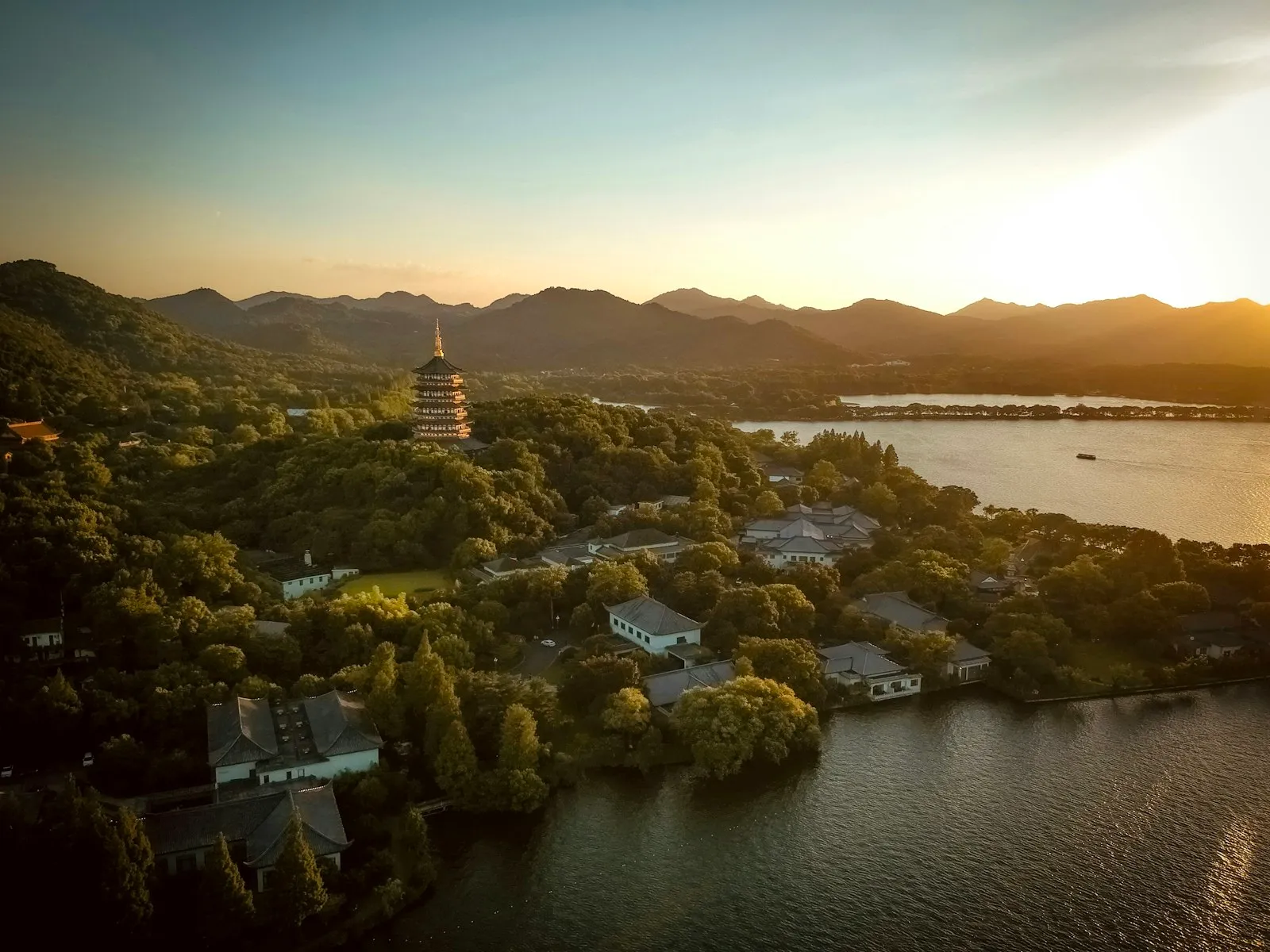
Tracing the Life of Sun Wu and Cultural Heritage of The Art of War
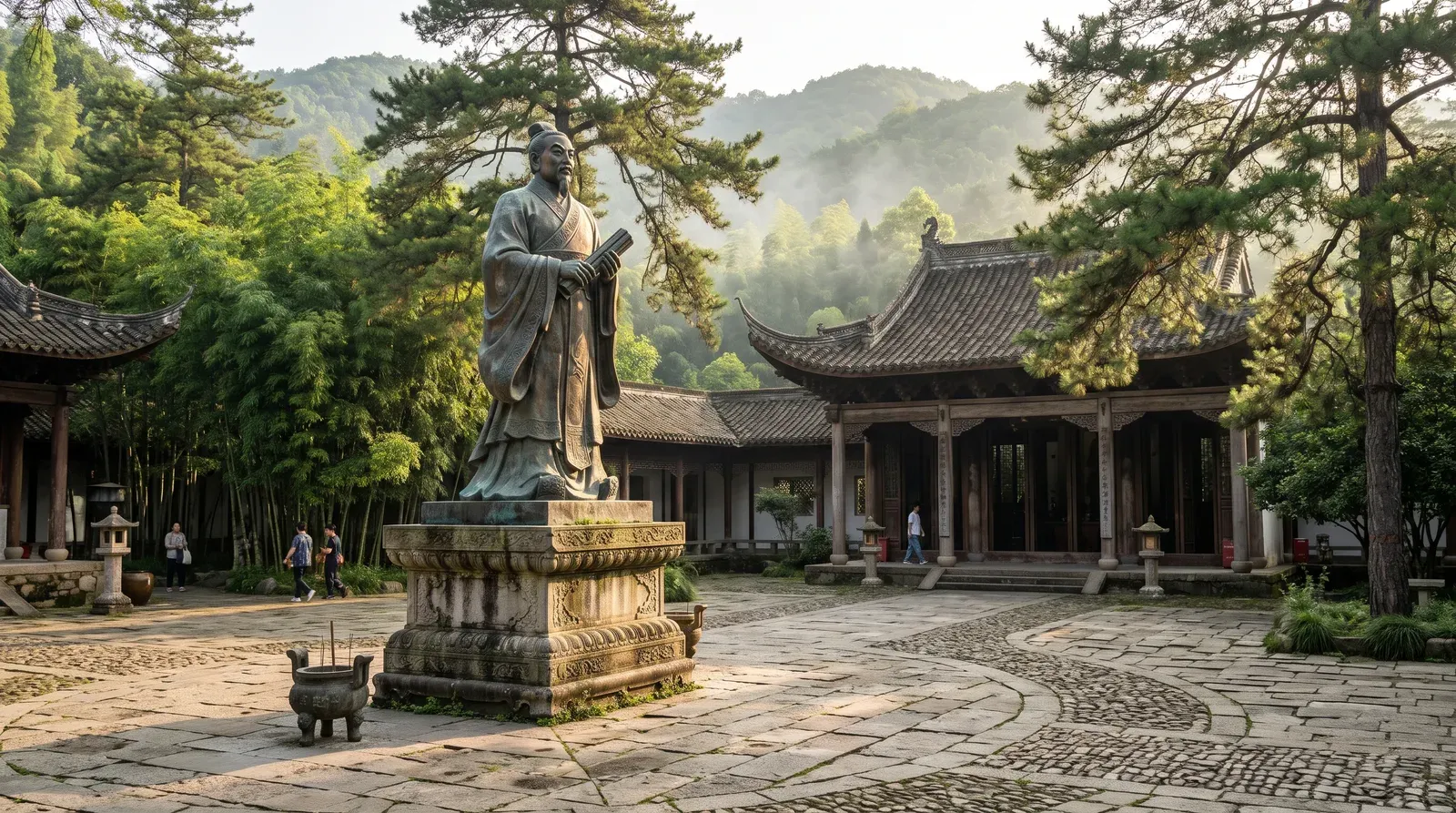
Military strategist Sun Wu lived as a farmer in seclusion on Mount Qionglong outside Suzhou, writing The Art of War on this 341.7-meter peak, the highest in the city. According to historians such as Sima Qian of the Han dynasty, his dates were roughly 544 to 496 BC. To follow his footsteps in Suzhou, the main commemorative sites are on Mount Qionglong in Wuzhong District and the memorial park in Xiangcheng District.
What did Sun Wu achieve in the State of Wu?
Han dynasty historians including Sima Qian recorded him as a key minister to King Helü of Wu. His courtesy name was Changqing, and Sun Tzu was an honorific title meaning Master Sun. According to the Records of the Grand Historian, King Helü once tested his training skills with 180 palace women. When two favored concubines acting as company commanders laughed and disobeyed orders, he had them beheaded under military law. In 506 BC at the Battle of Boju, he helped Helü lead an army of 30,000 Wu troops on a surprise strike against Chu. Using flanking movements and striking where the enemy was weak, they crushed the Chu forces and entered the capital of Ying.
In scholarly research, bamboo slips unearthed in 1972 from the Yinqueshan Han tombs in Linyi, Shandong, contained both The Art of War and Sun Bin's Art of War. This proved that he and Sun Bin were two distinct people who each produced military treatises. In addition, Pan Gate (盘门) in Suzhou was first built in 514 BC when the state of Wu founded the city. The surviving gate dates to 1351 during the Yuan dynasty, making it a rare surviving double water-and-land city gate in China.
Tip: If you plan to explore Spring and Autumn period military defenses, visit Pan Gate alongside his commemorative sites to view the land and water gate, Ruiguang Pagoda, and Wumen Bridge.
How do you visit the memorial court and cottage on Mount Qionglong?
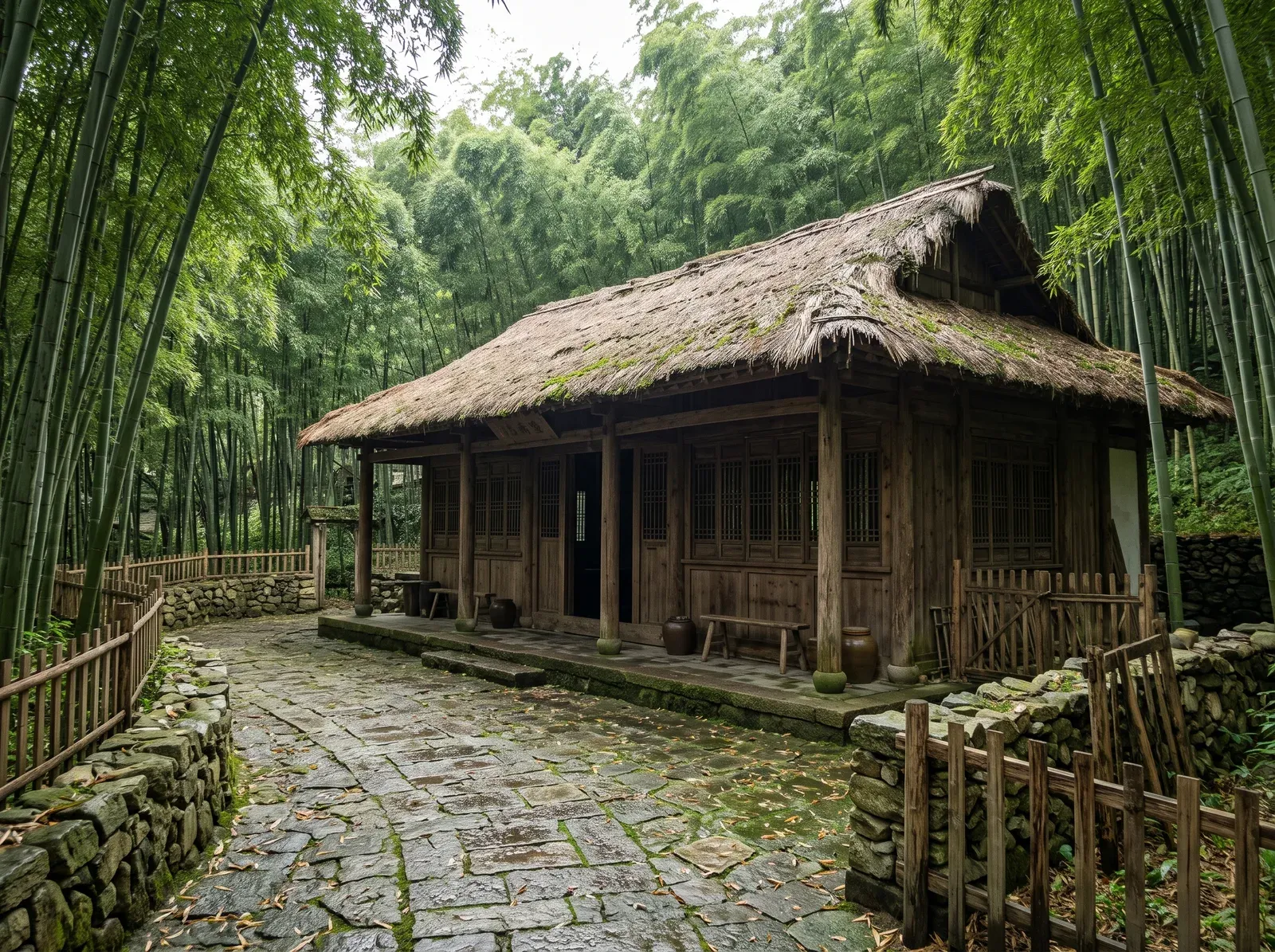
Mount Qionglong Scenic Area on Bingsheng Road in Wuzhong District is the main site commemorating where The Art of War was created. Inside, the master's memorial court recreates the thatched cottage where he lived in seclusion and includes a stone tablet corridor inscribed with his writings. Suzhou also invested in building a military culture park at the foot of Mount Qionglong, pairing it with the Temple of Confucius in Qufu, Shandong, to create a cultural balance between the master of culture in the north and the master of warfare in the south. Tickets to Mount Qionglong Scenic Area are 80 yuan per person. It is open from 8:00 to 17:00, and you can reach it directly by taking bus route 43 or 64.
For hiking, entering through the north gate and exiting through the south gate is the classic route. Along the path, you can visit Ningbang Temple, the Qianlong Imperial Path, the thatched cottage at the memorial court, and the academy, before reaching Wanghu Garden to overlook Taihu Lake. Walking through the entire scenic area usually takes about 3 hours, with many stone steps along the mountain path.
Tip: Wear lightweight, slip-resistant sports shoes for your walk, as the mountain route takes about 3 hours and has many stone steps.
What are the highlights of the memorial park and tomb in Xiangcheng?
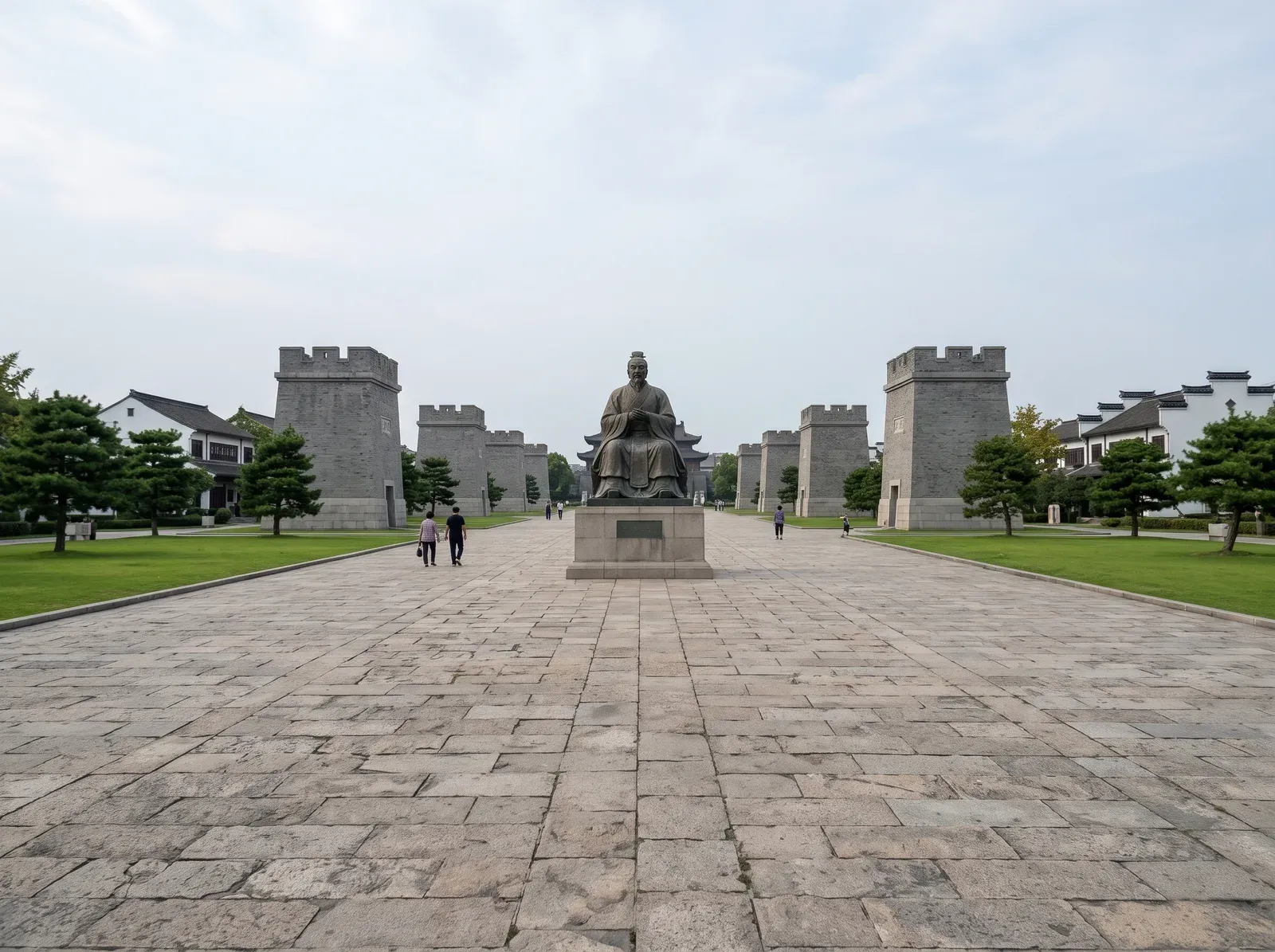
The Xiangcheng memorial park is located in Yuanhe Subdistrict, covering an area of about 85,000 square meters, and is free to enter. The site was built based on records from the Eastern Han text Yue Jue Shu, which states that his tomb was a large mound outside Wumen, ten li from the county seat, belonging to the strategist from Qi who served as a guest minister to the King of Wu. The grounds feature a memorial plaza, a cultural zone, a circular burial mound, and a 44-meter corridor depicting his life.
The highest point in the park is a 13-meter bronze seated statue of the general, with its height representing the 13 chapters of The Art of War. To the right, 13 screen walls are carved with the complete text of these 13 chapters. To visit, take the Suzhou Rail Transit to the station named after the memorial park (孙武纪念园站), an interchange station between Line 4 and Line 8, and walk out of the exit.
Tip: The memorial park is free to enter without ticket reservations; take Suzhou Rail Transit Line 4 or Line 8 to Sunwujinianyuan Station to reach it right outside the exit.
How should you choose between the two main commemorative sites in Suzhou?
If you want to see the natural mountain setting where he lived in seclusion and enjoy a hike, head to Mount Qionglong in Wuzhong District. If you prefer to view his tomb mound and biographical corridor with easy subway access, the memorial park in Xiangcheng District suits you better. The table below outlines visiting details and key features for both sites:
| Site | Location | Key Sights and Highlights | Tickets and Hours | How to Get There |
|---|---|---|---|---|
| Mount Qionglong Scenic Area (Memorial Court) | Bingsheng Road, Wuzhong District | Thatched cottage, stone tablet corridor, academy, military culture park | 80 yuan per person; 8:00 to 17:00 | Direct by bus route 43 or 64 |
| Xiangcheng Memorial Park | Yuanhe Subdistrict, Xiangcheng District | 13-meter bronze seated statue, circular tomb, 44-meter life story corridor | Free admission | Exit at Sunwujinianyuan Station, transfer stop for Suzhou Rail Transit Line 4 and Line 8 |
Sources
Pan Gate - Wikipedia
Qionglong Mountain - Wikipedia
Sun Wu - Wikipedia
Memorial Park - Wen Zhengming Memorial Park
Sunwujinianyuan Station - Wikipedia
Suzhou Mount Qionglong Invests 500 Million Yuan to Build Cultural Park - Guangming Daily
Sun Tzu - Wikipedia
All sources verified on 17 November 2026.
FAQ
Where exactly in Suzhou was The Art of War written?
After arriving in the State of Wu, the master lived in seclusion as a farmer on Mount Qionglong outside Suzhou, completing The Art of War on this 341.7-meter mountain. Within the scenic area, the memorial court recreates the thatched cottage where he lived and wrote, alongside a corridor of inscribed stone tablets.
Does the memorial park in Xiangcheng charge admission, and how do you get there?
The memorial park in Xiangcheng District is free to the public. You can take Suzhou Rail Transit Line 4 or Line 8 and get off at Sunwujinianyuan Station, an interchange station for both lines, where the park sits right outside the exit.
What do historical records say about the ancient tomb in Suzhou?
The Eastern Han historical text Yue Jue Shu records that his tomb was a large mound outside Wumen, reading 'the tomb of the strategist of Qi, guest minister to the King of Wu, ten li from the county seat.' The memorial park in Xiangcheng District built its circular burial mound based on this historical record.
How long does it take to hike to the cottage court on Mount Qionglong?
Walking through the Mount Qionglong scenic area usually takes about 3 hours. The classic route enters through the north gate and exits via the south gate. Because there are many stone steps, wearing lightweight, slip-resistant sports shoes is recommended.
Were the author of The Art of War and Sun Bin the same person, and what archaeological evidence confirms this?
In 1972, bamboo slips unearthed from the Yinqueshan Han tombs in Linyi, Shandong, contained both The Art of War and Sun Bin's Art of War at the same time, confirming that they were two separate individuals who each passed down a military treatise.