
Song Dynasty History: Northern and Southern Song Emperors
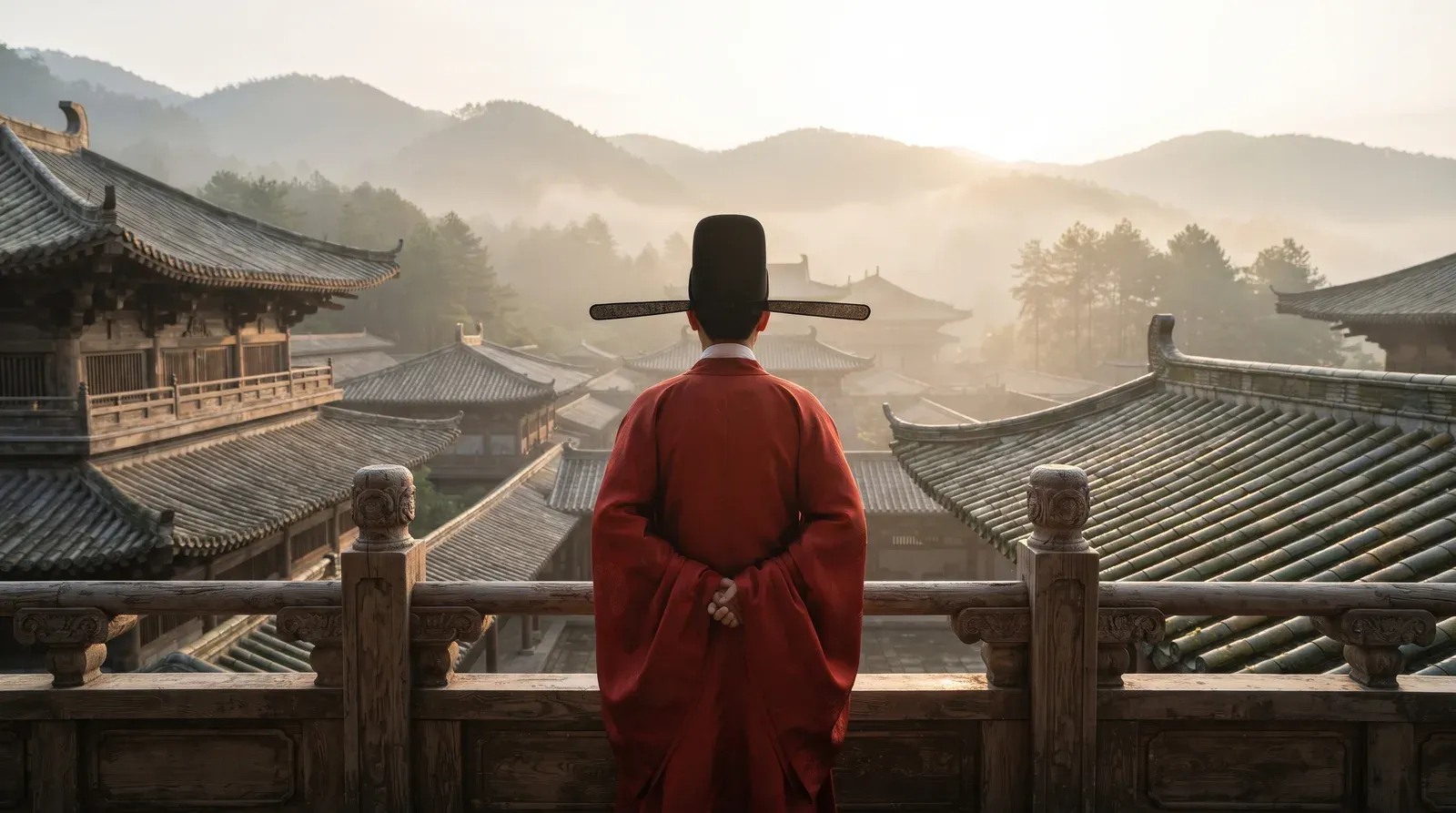
The Song Dynasty was an ancient Chinese dynasty founded in 960, dividing into the Northern Song and Southern Song periods. The turning point was the Jingkang Incident of 1127, when Jin forces captured the capital of Kaifeng. The Northern Song had its capital in Kaifeng, while the Southern Song ruled from Lin'an (modern Hangzhou, Zhejiang). Key rulers include Emperor Taizu (Zhao Kuangyin), who prioritized civil governance over military command, and Emperor Gaozong (Zhao Gou), who moved south to establish the Southern Song.
How did the Song Empire differ between Northern and Southern periods?
The core differences between the Northern and Southern Song lie in capital locations, territorial control, and external pressures. The Northern Song placed its capital in Kaifeng and set up a system of civilian control over the army. In 1127, Jin troops took Kaifeng and captured Emperor Huizong and Emperor Qinzong. Known as the Jingkang Incident, this event brought an end to the Northern Song.
With the rise of the Southern Song, political power shifted entirely southward. Zhao Gou, the ninth son of Emperor Huizong, fled south and took the throne in 1127 at Yingtianfu in Nanjing (modern Shangqiu, Henan) to establish the Southern Song, later settling the capital in Lin'an (modern Hangzhou, Zhejiang).
The geopolitical border was set through a peace accord. In 1141, the Song and Jin concluded the Treaty of Shaoxing, establishing a dividing line running from the Huai River to Dasan Pass. Emperor Gaozong and Qin Hui executed the renowned general Yue Fei on fabricated charges, securing the Southern Song's compromised peace south of the Yangtze River.
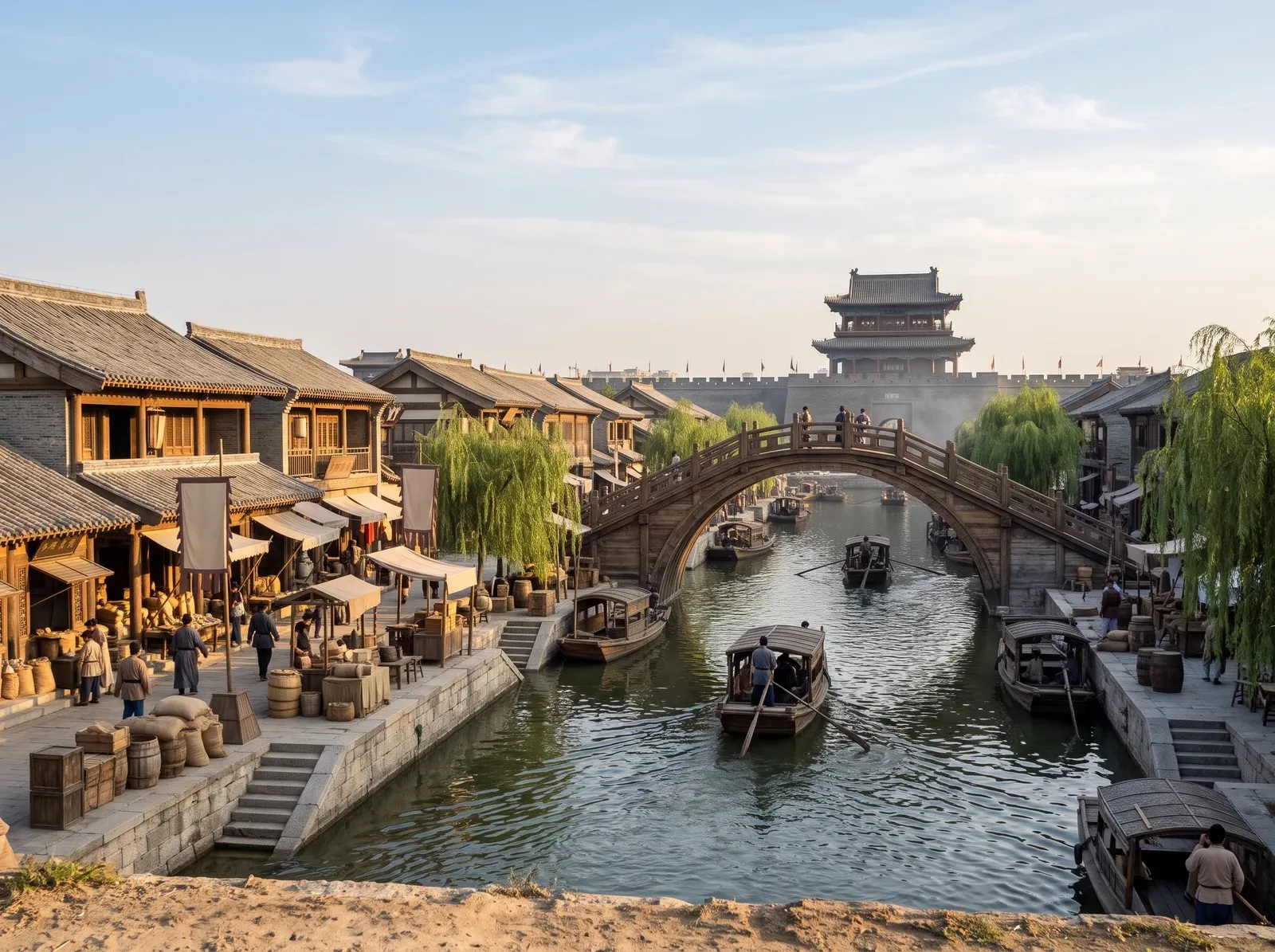
What were the main achievements and events of Song emperors?
| Emperor | Reign or Key Years | Capital and Period | Key Historical Events and Measures |
|---|---|---|---|
| Emperor Taizu (Zhao Kuangyin) | Took the throne in 960 | Northern Song (capital in Kaifeng) | Launched the Chenqiao Mutiny to found the Song; removed generals' military commands over drinks and prioritized civil over military rule |
| Emperor Taizong (Zhao Jiong) | Reigned 976 to 997 | Northern Song (capital in Kaifeng) | Conquered Northern Han and took Taiyuan, ending nearly 200 years of warlord division following the Tang dynasty An Lushan Rebellion |
| Emperor Zhenzong (Zhao Heng) | Reigned 997 to 1022 | Northern Song (capital in Kaifeng) | Signed the Chanyuan Treaty between 1004 and 1005, giving Liao 200,000 bolts of silk and 100,000 ounces of silver annually |
| Emperor Shenzong (Zhao Xu) | Reigned 1067 to 1085 | Northern Song (capital in Kaifeng) | Supported Wang Anshi in leading the Xining New Policies, introducing green sprouts loans, service exemption, market barter, and baojia systems |
| Emperor Huizong | Captured in 1127 | Northern Song (capital in Kaifeng) | Captured with Emperor Qinzong by Jin forces during the Jingkang Incident, taken north, and demoted to commoner status |
| Emperor Qinzong | Captured in 1127 | Northern Song (capital in Kaifeng) | Captured when Jin forces breached the capital Kaifeng, marking the formal fall of the Northern Song court |
| Emperor Gaozong (Zhao Gou) | Took the throne in 1127 | Southern Song (capital in Lin'an) | Ninth son of Emperor Huizong; fled south to take the throne at Yingtianfu in Nanjing and found the Southern Song; later agreed to the Treaty of Shaoxing |
| Emperor Xiaozong (Zhao Shen) | Reigned 1162 to 1189 | Southern Song (capital in Lin'an) | Descendant of Emperor Taizu who received the throne from Emperor Gaozong; rehabilitated Yue Fei and reformed official administration to foster stability |
| Emperor Lizong (Zhao Yun) | First year of Duanping (1234) | Southern Song (capital in Lin'an) | Allied with the Mongols to destroy Jin by taking Caizhou, which triggered over 40 years of Song-Mongol warfare |
During the Northern Song, several emperors built the basic framework for civil administration and defense. In 960, Emperor Taizu (Zhao Kuangyin) stripped generals of their commands over wine. Emperor Taizong (Zhao Jiong, reigned 976 to 997) ended regional warlordism, while Emperor Zhenzong (Zhao Heng, reigned 997 to 1022) established a relationship of fraternal equality with Liao.
The mid-to-late Northern Song experienced political upheaval from internal reform and external conquest. Emperor Shenzong (Zhao Xu, reigned 1067 to 1085) supported Wang Anshi's reforms, which triggered sharp factional struggles between Wang Anshi and Sima Guang. Later, Jin forces captured Kaifeng in 1127 and deposed Emperors Huizong and Qinzong.
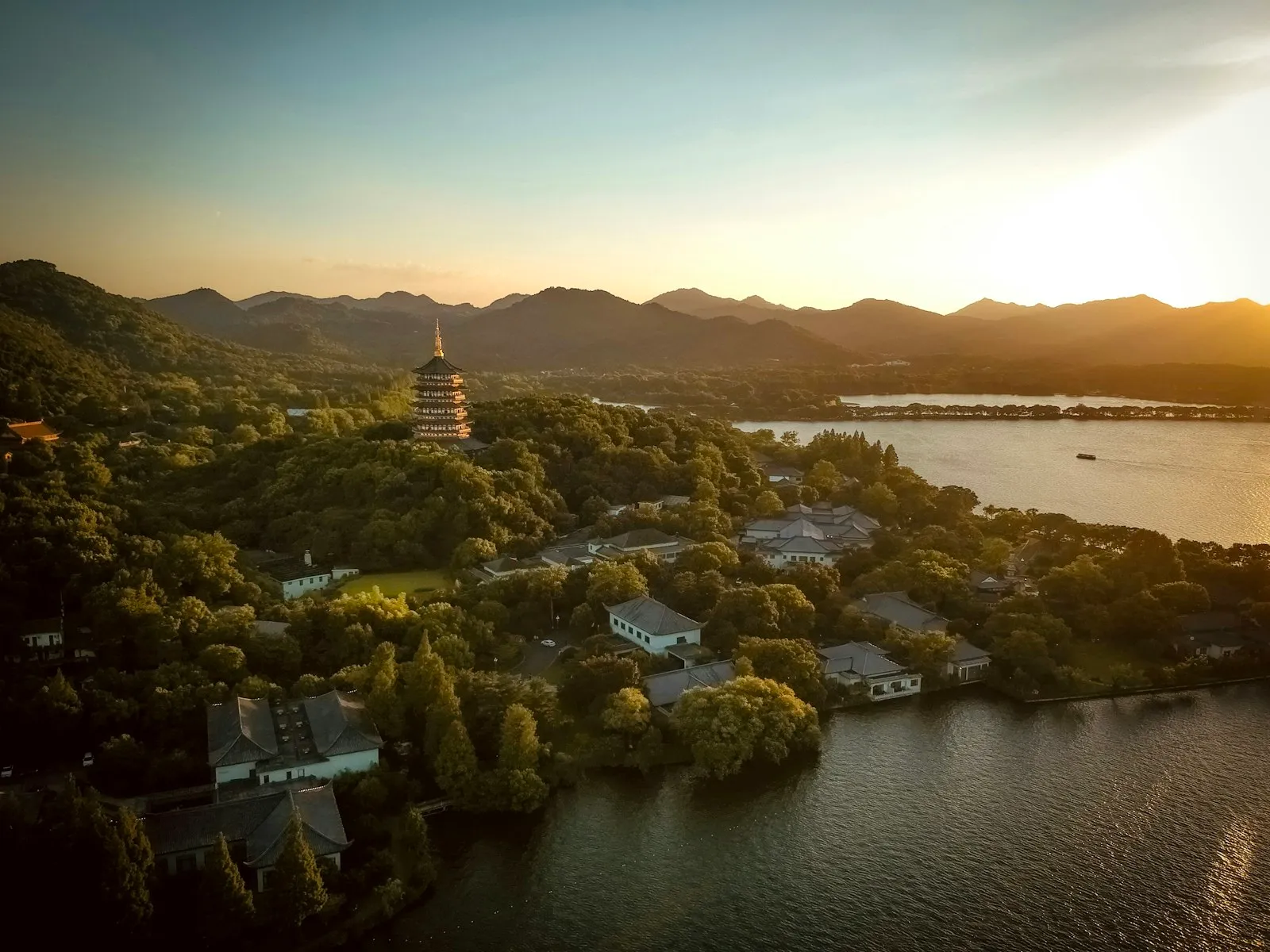
Southern Song emperors focused on southern defense and dynastic survival. Emperor Xiaozong (Zhao Shen, reigned 1162 to 1189) tightened administrative discipline and cleared Yue Fei's name. In the first year of Duanping (1234), Emperor Lizong (Zhao Yun) joined forces with the Mongols to take Caizhou and conquer the Jin dynasty, which opened more than 40 years of Song-Mongol warfare.

What characterized economic growth and institutions in Song China?
The dynasty made major strides in finance, technology, and social structure. In currency and naval power, it issued Jiaozi, the world's earliest paper money, and formed the first standing navy in Chinese history.
The foundation of state power also changed fundamentally. The imperial examination system expanded significantly, shifting China's ruling class from aristocratic military families to scholar-officials.
Advances in production techniques and trade were equally notable. Great strides in agriculture, ironworking, and printing led to a period modern scholars call the Song economic revolution, lifting urbanization and commercial activity to new heights in ancient China.
What kept geopolitical peace and stability during the Song Dynasty?
Geopolitical stability relied heavily on annual tribute agreements, border negotiations, and civilian control of the armed forces. According to historical records, the Song and Liao concluded the Chanyuan Treaty between 1004 and 1005. The dynasty provided Liao with 200,000 bolts of silk and 100,000 ounces of silver each year, maintaining long-term peace as fraternal equals.
This peace depended on strict external conditions; once the balance of power broke, conditions shifted rapidly. The march of Jin forces south to take Kaifeng in 1127 shattered northern border defense. Even after the 1141 Treaty of Shaoxing set the boundary from the Huai River to Dasan Pass, the regime's refuge south of the Yangtze remained fragile.
When the Southern Song took Caizhou to defeat Jin alongside the Mongols in the first year of Duanping (1234), the Mongols promptly became the primary military threat. This triggered more than 40 years of Song-Mongol warfare and brought an end to peaceful coexistence.
Sources
Song dynasty - Wikipedia, the free encyclopedia
Song dynasty - Wikipedia
Song Dynasty China | Asia for Educators
Sources verified on Nov 6, 2026
FAQ
In which year did the Northern Song fall and the Southern Song begin?
This major shift occurred in 1127. Jin forces captured the capital of Kaifeng and took Emperors Huizong and Qinzong prisoner in what became known as the Jingkang Incident. Soon after, Zhao Gou, the ninth son of Emperor Huizong, traveled south and took the throne at Yingtianfu in Nanjing (modern Shangqiu, Henan) to found the Southern Song.
What were the main terms of the Chanyuan Treaty?
Emperor Zhenzong signed the Chanyuan Treaty with Liao between 1004 and 1005. The accord established an equal, fraternal relationship between both states, with the Song providing 200,000 bolts of silk and 100,000 ounces of silver annually to sustain long-term peace.
Why did the Southern Song execute General Yue Fei?
In 1141, the Song and Jin reached the Treaty of Shaoxing to set their border along the Huai River to Dasan Pass. Emperor Gaozong and Qin Hui executed General Yue Fei on fabricated charges to consolidate a peaceful retreat in the south. Yue Fei was later rehabilitated during the reign of Emperor Xiaozong.
What specific policies were included in the Xining New Policies?
Backed by Emperor Shenzong and led by Wang Anshi, the Xining New Policies included green sprouts loans, service exemption, market barter, and the baojia system. The reforms triggered intense factional clashes at court between groups led by Wang Anshi and Sima Guang.