How to Visit Shamian Island, Guangzhou: Architecture Walk
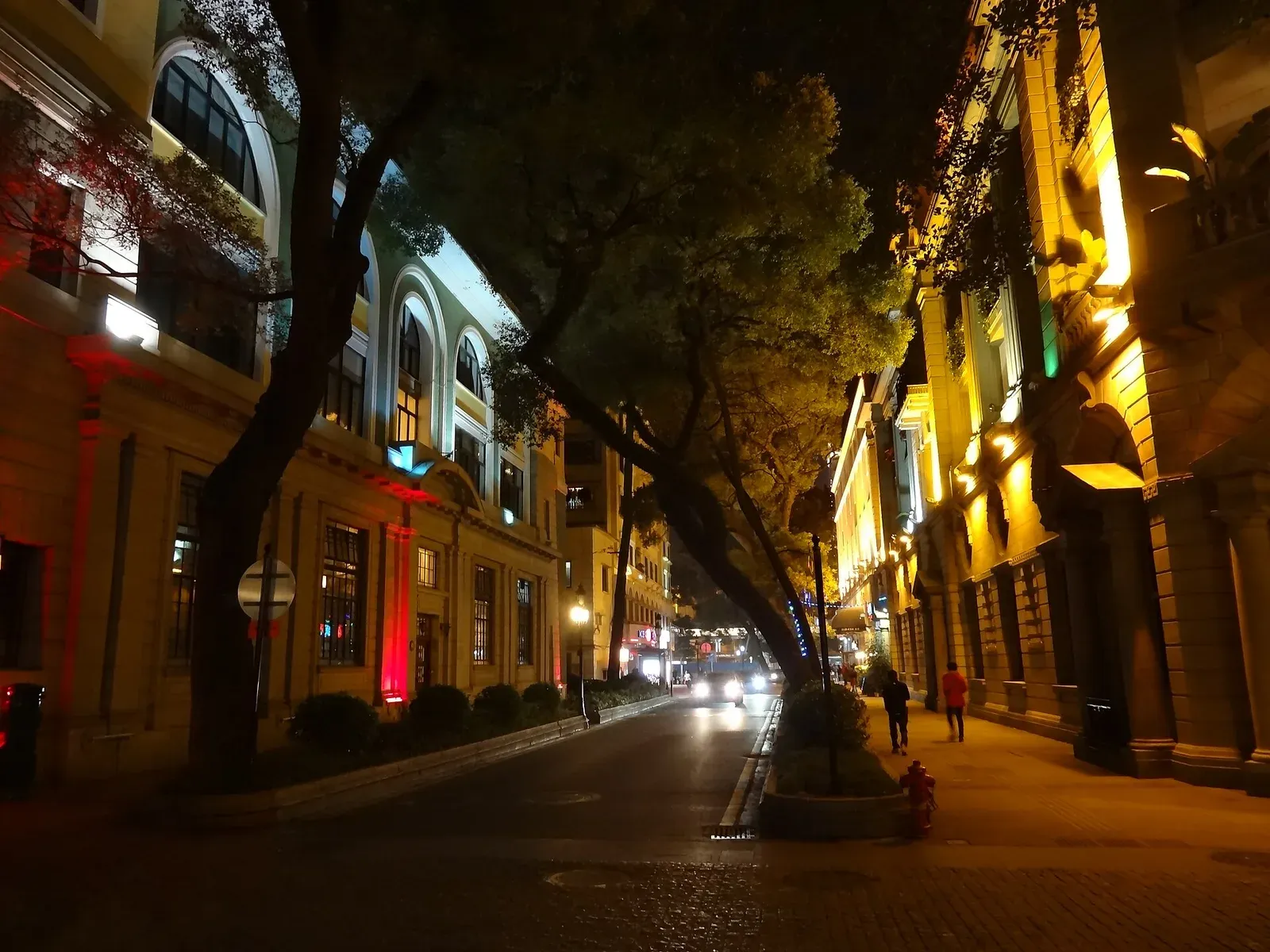
Photo: DragonSamYU / Wikimedia Commons, CC BY-SA 4.0
Shamian Island in China is an open-air historic district open 24 hours a day with free admission, requiring no tickets or advance reservations. This river island covers about 0.30 square kilometers and stretches about 900 meters from east to west. A typical visit takes 1 to 1.5 hours to explore the main sights on foot. If you prefer quieter streets, visit early in the morning when the low morning light hits the pale-yellow European-style facades and crowds are thin. If you arrive on a weekend afternoon, the island is usually much busier.
| Item | Practical Information |
|---|---|
| Tickets and reservations | Free admission, no tickets or advance reservations required |
| Opening hours | Open 24 hours a day (individual religious buildings and exhibition halls follow their own posted hours) |
| Suggested visit duration | 1 to 1.5 hours (about 40 to 60 minutes to walk from the northern bridgehead down to the Pearl River) |
| Best photography time | Early morning (low-angle morning light illuminates yellow European-style facades with few visitors around) |
| Metro connections | Guangzhou Metro Line 1 or Line 6 to Huangsha Station; cross the footbridge after exiting to walk onto the island |
| Ferry transport | Water bus between Huangsha Pier and Fangcun Pier; 0.5 RMB for walk-on passengers |
| Heritage status | Major Historical and Cultural Site Protected at the National Level (56 national-level heritage buildings or sites), National 3A-level tourist attraction |
How do you get to Shamian Island, and how is the street grid laid out?
The island sits on the north bank of the Baietan pool of the Pearl River in Liwan District, Guangzhou, facing the historic Xiguan neighborhood across Shaji Canal to the north. Take Guangzhou Metro Line 1 or Line 6 to Huangsha Station, cross Liuersan Road via the pedestrian footbridge upon exiting, and walk straight onto the island. Seven bridges connect the island to the mainland: from west to east, Huangsha Ferry Pier pedestrian bridge, Sightseeing Bridge, Shaji Canal Bridge 3, West Bridge, East Bridge, Shaji Canal Bridge 6, and the dedicated approach bridge for the White Swan Hotel.
Beyond rail transit, Huangsha Pier on the western edge of the island runs a water bus ferry to Fangcun Pier on the south bank of the Pearl River. Boats depart roughly every 10 minutes, with fares set at 0.5 RMB for pedestrians and 1 RMB for passengers with bicycles. For travelers arriving from the flower or tea markets in Fangcun, taking this ferry across the Pearl River offers a direct way to cross.
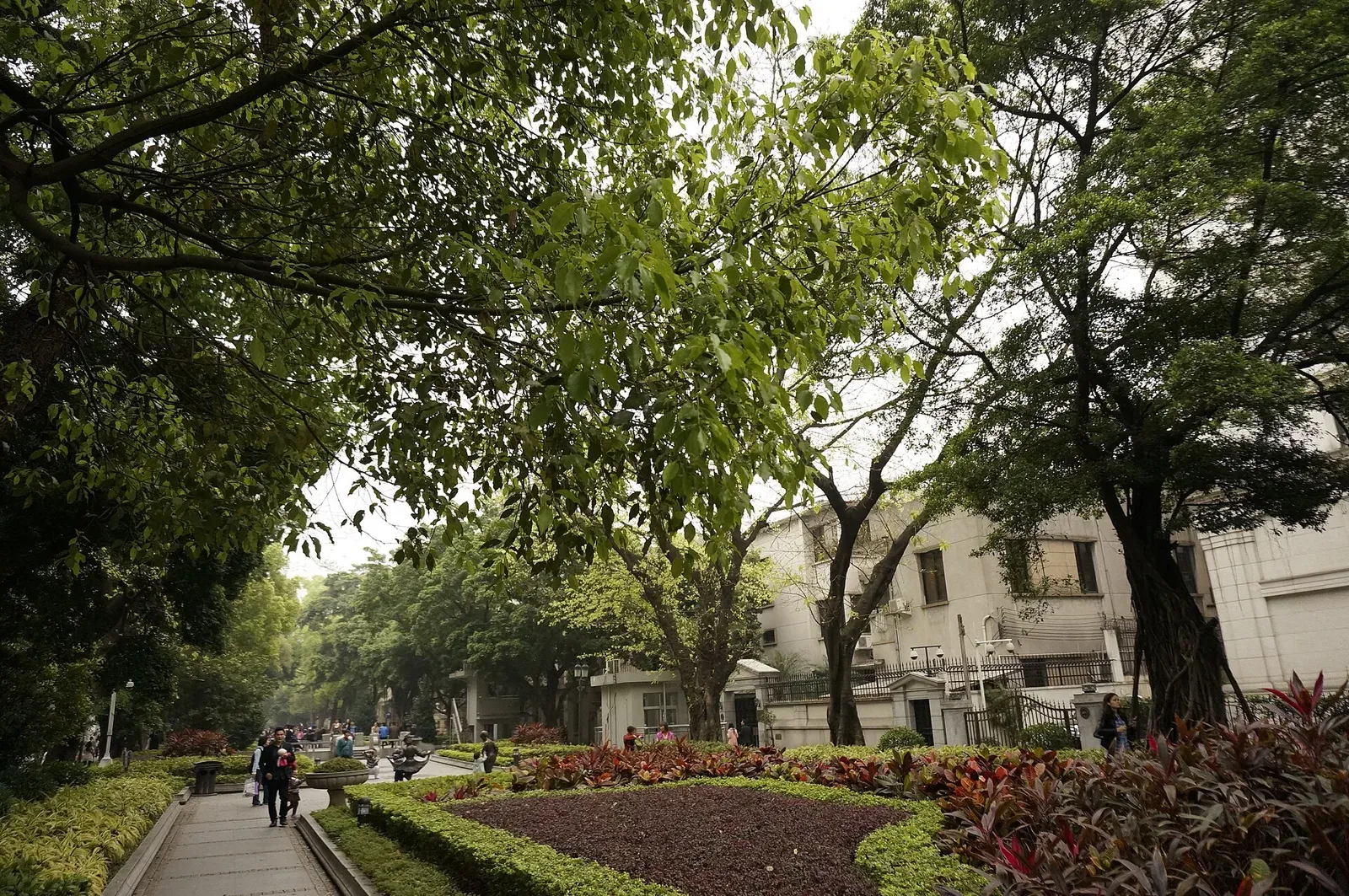
No public buses run on the island. Its streets form a regular grid, mainly shaped by three east-west thoroughfares: Shamian North Street, Shamian Main Street, and Shamian South Street, intersected by Shamian 1st Street through Shamian 5th Street running north to south. First-time visitors usually begin their walk by entering via North Bridge, where a stone monument inscribed with the history of the island stands at the bridgehead. Century-old Chinese banyan trees line the flat, wide roads, making the entire island easy to explore at an unhurried pace.
How should you view the European architecture, and what are the key historic buildings?
Shamian Island, historically known as Shameen Island, was once an Anglo-French concession. In 1859, British and French authorities dug the artificial Shaji Canal on the north to create an artificial island. Under the 1861 concession treaty, the land was divided along Shamian 1st Street, with the western four-fifths allocated to the British concession and the eastern one-fifth to the French concession. The modern European-style architectural ensemble was designated a Major Historical and Cultural Site Protected at the National Level in 1996, containing 56 national-level protected buildings or sites. While following Western floor plans, these mansions adapted to the humid, rainy Lingnan climate with wide colonnaded verandas and hipped roofs designed for drainage, creating a classic colonial veranda style. Over a dozen foreign consulates operated here during the 20th century, though almost all have moved out; only the Consulate General of the Republic of Poland in Guangzhou still works at No. 63 Shamian Main Street.
| Building Name | Address | Year Completed | Architectural Style and Key Highlights |
|---|---|---|---|
| Our Lady of Lourdes Chapel | No. 14 Shamian Main Street | 1889 to 1892 | Covers 839.75 square meters, Neo-Gothic entrance, with a grotto of Our Lady on the south side |
| Shamian Christian Church (Shamian Church) | No. 60 Shamian South Street | Around 1865 | Neo-Romanesque style, 4-story bell tower, nave with semi-circular arched windows set with 12 stained glass biblical scenes |
| Guangdong Museum of Foreign Affairs | No. 20 Shamian South Street | 1890 (opened as museum in 2012) | Former French Consulate in Guangzhou, displaying foreign affairs history and over 200 diplomatic gifts from sister provinces and states worldwide |
| Shamian West Red Building | No. 68 Shamian Main Street | 1916 | Former Soviet Consulate in Guangzhou, featuring a striking fair-faced red brick facade |
| White Swan Hotel | By Baietan pool at the southern tip of Shamian | February 6, 1983 | Five-star hotel invested in by Henry Fok, 28 floors high, with one-Michelin-starred restaurant Jade River |
| Guangdong Victory Hotel | Intersection of Shamian North Street and Shamian Main Street | Concession era origins | Formerly the Victoria Hotel, the only century-old hotel on the island operating continuously to this day |
Tip: Look for the bilingual Chinese-English heritage plaques mounted on the facades of most historic buildings, which note the original concession-era occupant and year of construction.
Walking routes on Shamian Island in China: How to spend 1 to 1.5 hours?
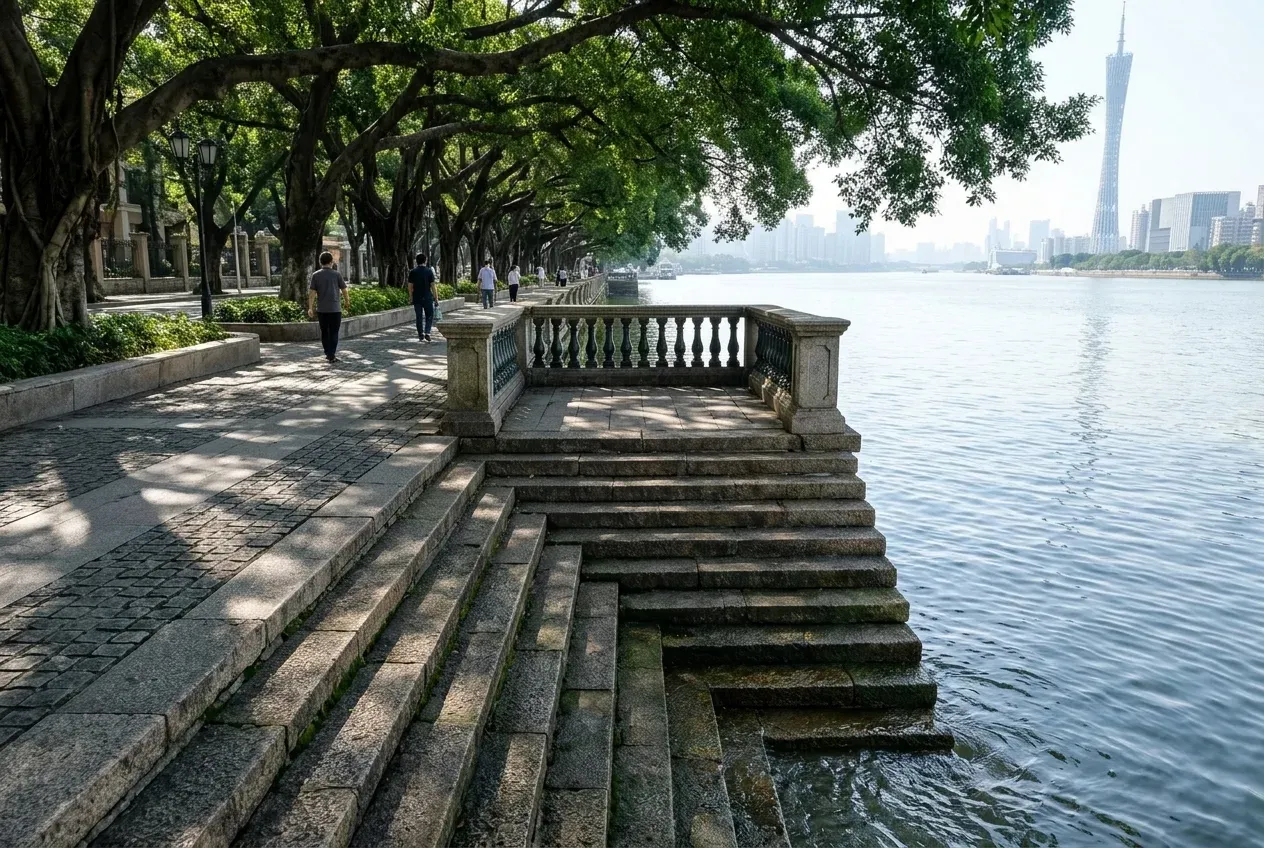
Exploring Shamian Island requires no complicated route planning. A recommended walking route is to enter the island via the North Bridge to see the century-old banyan trees and the island monument, walk along the central spine of Shamian Main Street to admire the core historic buildings and Our Lady of Lourdes Chapel, turn south onto the riverside promenade along Shamian South Street to take in views of the Pearl River, turn toward the quiet courtyards along Shamian North Street, and finally leave the island toward the old town of Xiguan. Walking straight from the northern bridgehead down to the southern bank of the Pearl River takes about 40 to 60 minutes.
Aside from the buildings, the ancient trees and historical remnants on the island are well worth your time. Shamian currently preserves 137 trees over 100 years old, primarily 68 Chinese banyans and 63 camphor trees. The oldest camphor tree dates back to 1685 and stands on the north side of Shamian 4th Street, while the oldest Chinese banyan dates to 1788 and is rooted at No. 1 Shamian South Street. Four ancient stone wharves designated as Major Historical and Cultural Sites Protected at the National Level remain intact along the banks: three along Shaji Canal to the north, and the former French Wharf along the Pearl River to the south. Bronze sculptures depicting everyday scenes from history sit along central garden strips and greenways, including a Western couple watching a Chinese woman mend clothes, alongside a group sculpture of women illustrating the evolution from late Qing and Republican-era qipao to modern dress.
First time visiting Shamian in Guangzhou? Common mistakes and practical tips
| Common Questions or Misconceptions | Reality and Practical Advice |
|---|---|
| Where should you eat on the island? | Island dining focuses on scenic cafes, Western restaurants, and high-end hotel Cantonese cuisine, which run relatively expensive; visitors seeking value and authentic Cantonese flavors should walk to Shangxiajiu or Yongqingfang |
| What is the best time for photos? | Early morning offers the best conditions, as low-angle morning sunlight lights up the European facades with few crowds around; midday overhead sun lacks depth, while crowded weekend afternoons require frequent waiting |
| Can you freely enter and photograph the two churches? | Our Lady of Lourdes Chapel and Shamian Christian Church remain active places of worship; keep quiet when visiting or taking photos, and never disturb ongoing services |
| What is the Sunday worship schedule? | Shamian Christian Church holds two Sunday services: morning service at 9:00 AM (Mandarin/Cantonese) and late morning service at 11:00 AM (Mandarin and English) |
| What should you prepare for summer visits? | Summer in Guangzhou from around June to September is hot, humid, and rainy; even with dense canopy cover across the island, pack plenty of drinking water and prepare mosquito repellent and sun protection for extended outdoor walks |
What should you visit after Shamian? Combining a classic Xiguan and Liwan day trip
Walking northwest or north for about 10 to 15 minutes after leaving the island brings you straight to Xiguan Yongqingfang and the Shangxiajiu pedestrian street. The old town of Liwan showcases traditional Guangzhou heritage, bringing together Xiguan traditional mansions, commercial arcade buildings (qilou), and the Chen Clan Ancestral Hall alongside the concession architecture of Shamian. Guangzhou Metro Line 1 easily links the Chen Clan Ancestral Hall, Yongqingfang, and Shamian into a classic cultural walking corridor across the western old city. Guangzhou Metro fares are distance-based, charging 2 RMB for journeys from 0 to 4 kilometers.
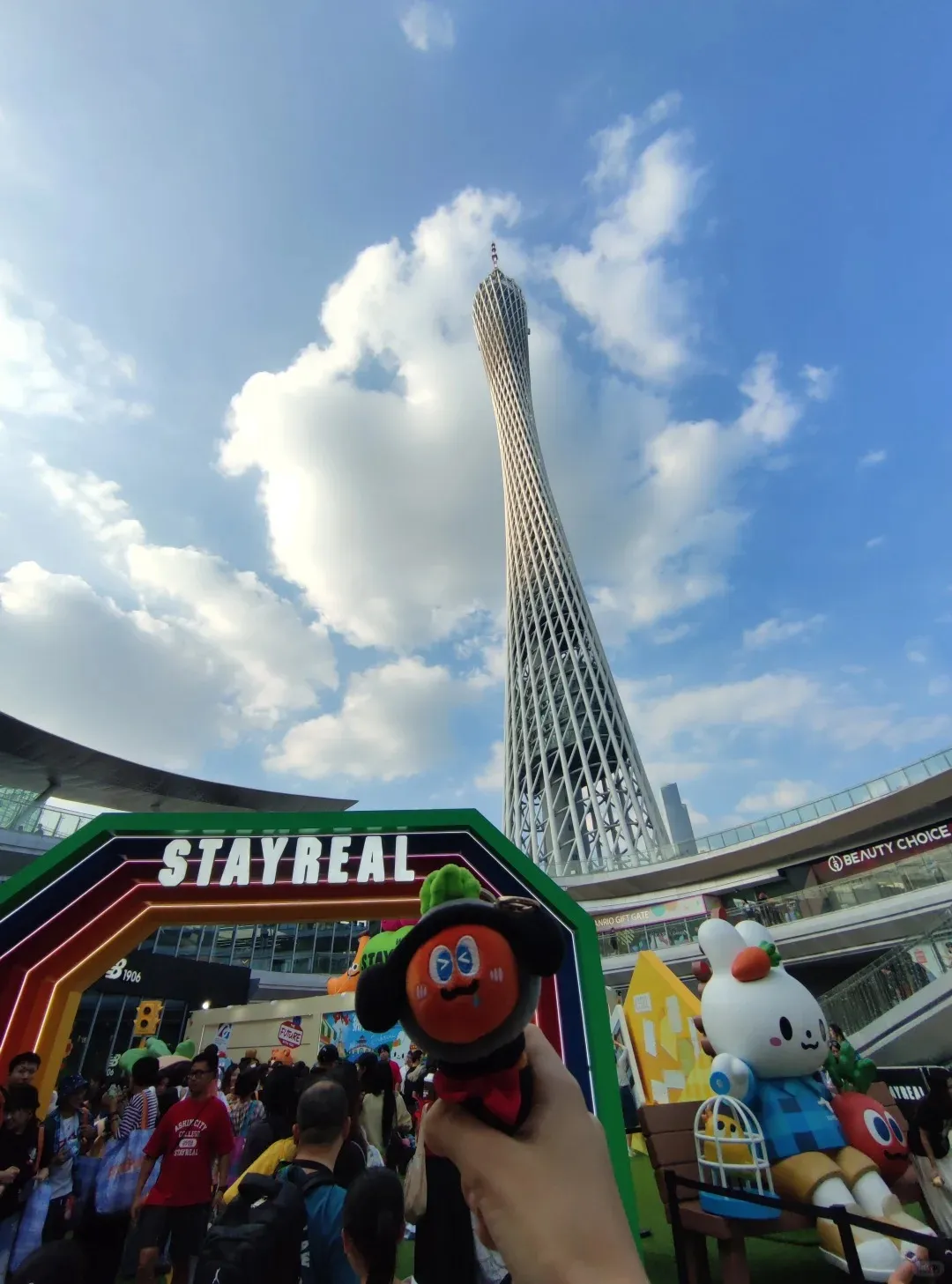
On our Guangzhou Private 1-Day Tour: Canton Tower & River Cruise, a classic day in the city is planned like this: spend the morning walking the historic Xiguan streets of Yongqingfang and visiting Sacred Heart Cathedral, explore the European architecture of Shamian in the afternoon, ascend Canton Tower in the evening for views, and board a Pearl River night cruise at Dashatou Pier after dark. This schedule connects historic old-town architecture with modern skyline views along the Pearl River, offering varied sights at a relaxed pace.
Sources
Guangzhou · Uncle Panda Travel
Guangzhou | History, Population, Map, Climate, & Facts | Britannica
Guangzhou Private 1-Day Tour: Canton Tower & River Cruise
FAQ: Guangzhou Metro Fare Calculation - People's Government of Zengcheng District, Guangzhou
China Southern Airlines
Shamian - Wikipedia
Shamian Island - Wikipedia
Shamian Island
Our Lady of Lourdes Chapel, Shamian - Wikipedia
Shamian Church - Wikipedia
Guangdong Museum of Foreign Affairs - Wikipedia
White Swan Hotel - Wikipedia
Sources verified on November 18, 2026
FAQ
Do you need tickets or advance reservations for Shamian Island?
Shamian Island is a historic public district open 24 hours a day with free admission, requiring no entrance tickets or advance reservations. Individual exhibition halls or religious venues on the island follow their own visiting regulations.
Which metro station should you use to visit Shamian Island?
You can take Guangzhou Metro Line 1 or Line 6 to Huangsha Station. After exiting, walk across Liuersan Road using the pedestrian footbridge to head directly onto the island.
How long does a walking tour of Shamian Island usually take?
A standard visit typically takes 1 to 1.5 hours. Walking from the northern bridgehead through to the southern bank of the Pearl River takes about 40 to 60 minutes, which gives you plenty of time to explore the main streets and notable European-style mansions.
Are there recommended dining options on Shamian Island?
The White Swan Hotel is located on the island, featuring the one-Michelin-starred Cantonese restaurant Jade River. The century-old Guangdong Victory Hotel and several scenic Western restaurants are also on the island. If you want authentic, budget-friendly traditional Cantonese flavors, walk 10 to 15 minutes off the island to the Shangxiajiu pedestrian street or the Yongqingfang historic area.