
Northern Cuisine: Noodles and Classic Dishes to Try
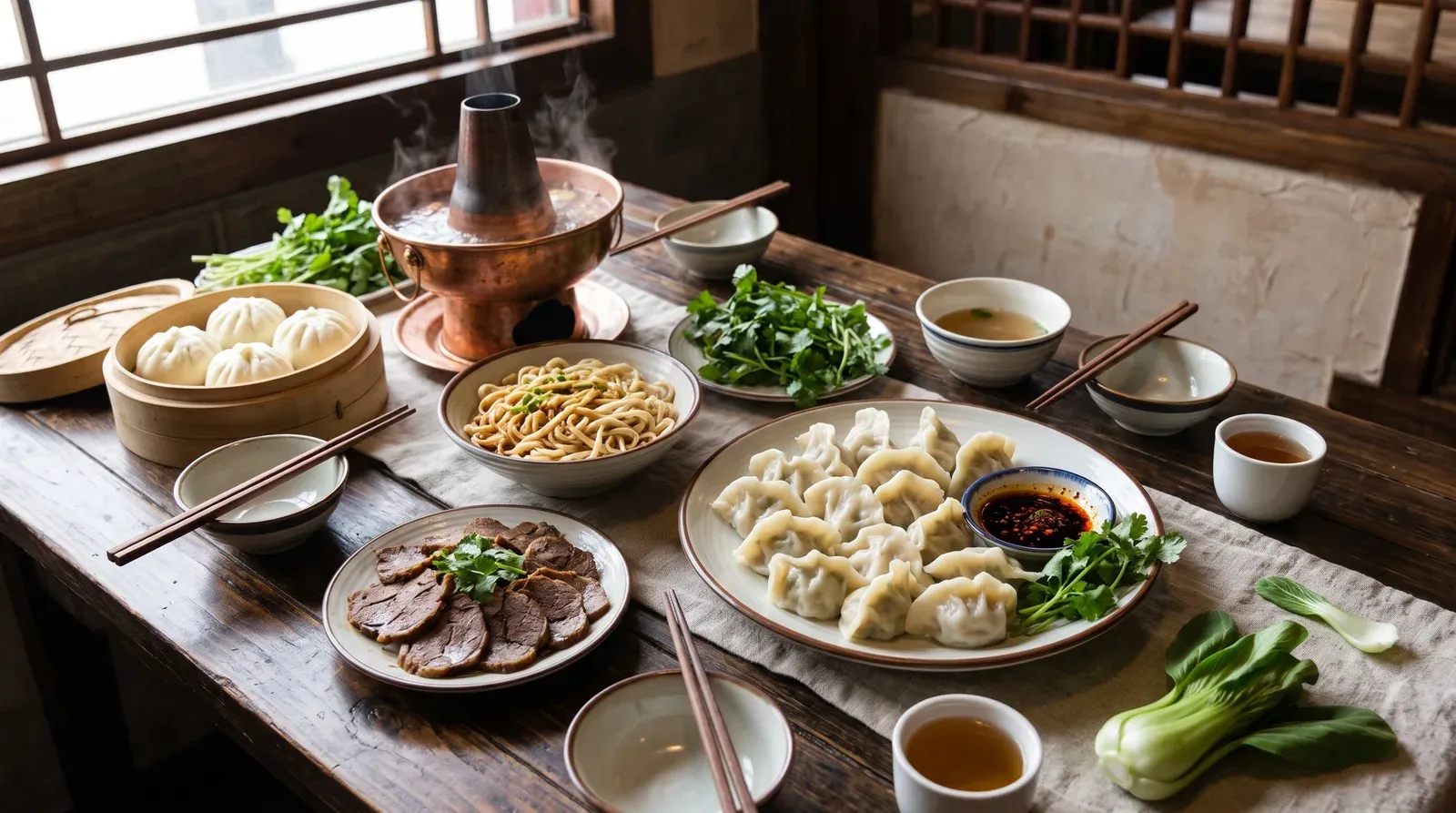
Shandong cuisine anchors northern cuisine, which relies on wheat noodles, flatbreads, and porridge while favoring roasting, quick boiling, and slow braising. Bianyifang, the first century-old brand specializing in Peking duck, was founded in 1416 in Beijing. Key classic dishes include Peking duck, instant-boiled mutton, and the Four Great Stews of the Northeast, while staple dishes include boiled dumplings, Beijing zhajiangmian, Shaanxi biangbiang noodles, and Shanxi knife-cut noodles.
What is the core tradition of north Chinese cuisine?
Lu cuisine (Shandong cuisine) is the core tradition of the north, originating from coastal Shandong Province in North China. It holds a high status in Chinese food culture as one of the traditional Four Great Traditions and Eight Great Traditions. Modern cooking across North and Northeast China, including Beijing, Tianjin, and the northeastern provinces, is heavily shaped by Lu cuisine, and most northern home cooking uses its techniques.
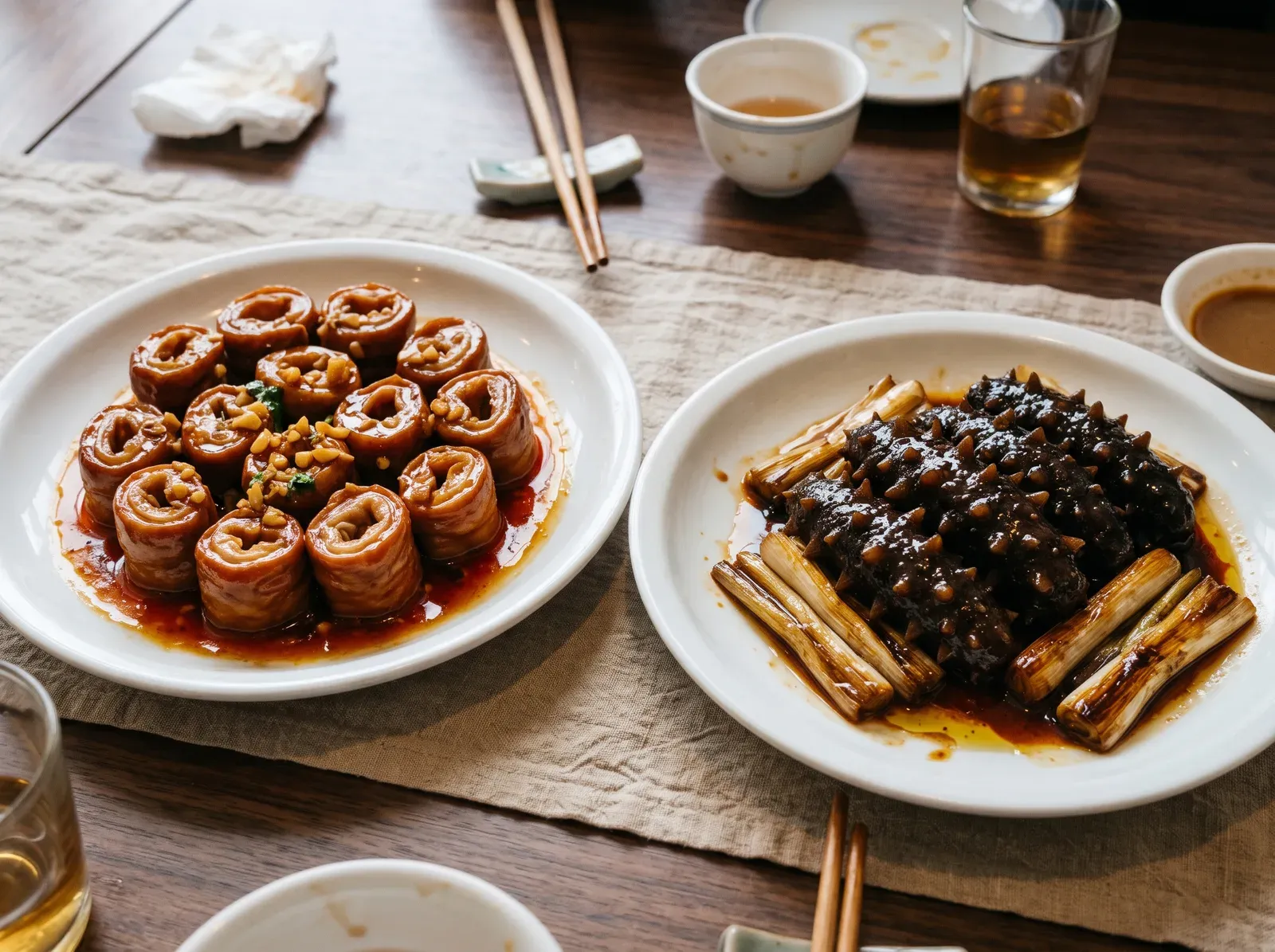
According to records, Lu cuisine is divided into three main branches: Jinan style, seafood-focused Jiaodong style, and Confucius Mansion style from Qufu. Classic Lu dishes include braised sea cucumber with scallions, braised pork large intestines (jiuzhuan dachang), sweet and sour carp, Dezhou braised chicken, and caramelized sweet potatoes.
Which iconic classic dishes stand out in Beijing?
Peking duck and traditional instant-boiled mutton are famous Beijing dishes recognized worldwide. The city's first restaurant dedicated to Peking duck was Bianyifang, founded in 1416 at Xianyukou near Qianmen. Today, two century-old brands represent Peking duck: Quanjude is known for open-oven roasting over wood fire, while Bianyifang maintains the traditional closed-oven method.
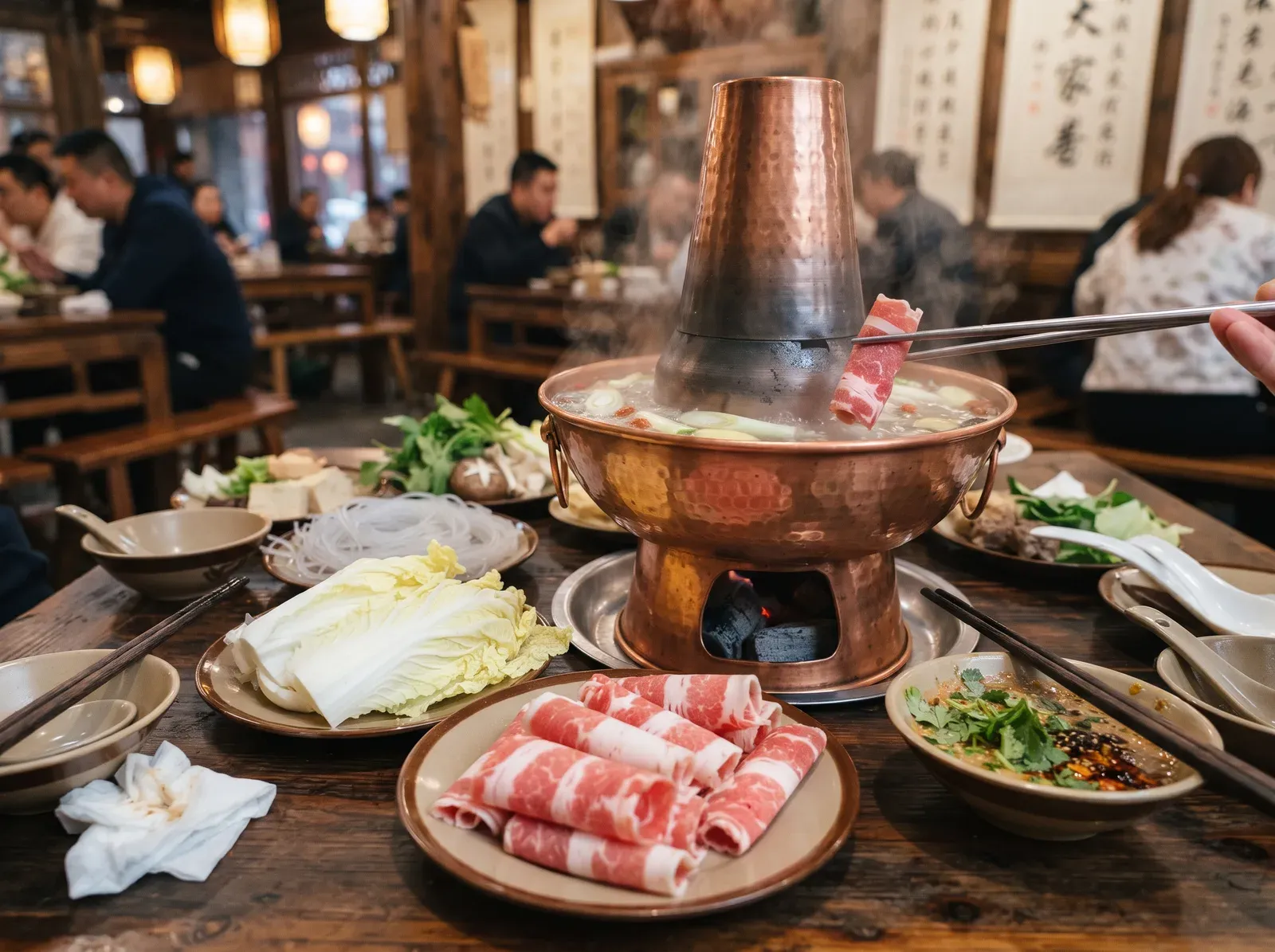
Peking duck is traditionally served with crispy skin dipped in white sugar or sweet bean sauce first, followed by duck slices wrapped in steamed thin pancakes with scallion shreds, cucumber strips, and sweet bean sauce. Unlike Sichuan hot pot, Beijing instant-boiled mutton cooks thin lamb slices in plain boiling water inside a copper pot. Once cooked, diners dip the lamb into a sauce made of sesame paste, chili oil, and chive flower sauce, often accompanied by cabbage, tofu, and glass noodles.
What are the staple wheat dishes of northern China food?
In North China, the dry and mild climate suits wheat, millet, and other grains, making noodles, porridge, and flatbreads everyday staples. Dumplings (jiaozi) are eaten year-round in the north and remain an essential food for Chinese New Year, symbolizing wealth and good fortune because their shape resembles ancient silver and gold ingots. Dumplings can be boiled, steamed, pan-fried, deep-fried, or baked, and they are traditionally served with a dipping sauce of aromatic vinegar and soy sauce.
Beijing zhajiangmian ranks among the "Top Ten Noodles of China" and stands as one of the most representative noodle dishes in the region. The pork sauce is fried from a blend of yellow soybean paste and sweet bean sauce with diced pork belly and scallion whites. Diners mix thick hand-rolled noodles with the sauce and a variety of crisp toppings, including cucumber shreds, radish strips, bean sprouts, and celery.
Shaanxi and Shanxi are also famous for their noodle craftsmanship. Shaanxi biangbiang noodles, also called hot-oil pulled noodles, belong to Shaanxi cuisine and are listed among the "Eight Strange Wonders of Shaanxi" because they are as wide as a belt. Shanxi knife-cut noodles are made by kneading a firm dough into a log, then using a specialized blade to slice thin ribbons directly into boiling water.
China has a long history of noodle making, and the earliest written record of hand-pulled noodles (lamian) appears in the 1504 book Songshi Yangsheng Bu by Ming Dynasty agronomist Song Xu. In addition, Shaanxi roujiamo is made by mincing pork simmered for hours with spices and stuffing it into a baked leavened flatbread called baijimo.
What stewing traditions and signature dishes define Dongbei cuisine?
Northeastern cuisine is well known for slow simmering. Its famous "Four Great Stews of the Northeast" include pork with glass noodles, chicken with hazel mushrooms, catfish with eggplant, and pork ribs with green beans. Cold winters and short growing seasons led to a tradition of pickled preservation and generous portions, with families traditionally pickling Chinese cabbage in large earthenware crocks to make suancai. Other regional classics include crispy sweet-and-sour pork (guobaorou), glossy di san xian (potatoes, green peppers, and eggplant), and copper pot hot pot with pickled cabbage and pork belly.
How do northern cuisine traditions and staple foods compare?
| Dish or Staple | Region and Tradition | Signature Method or Serving Style | Historical Record or Status |
|---|---|---|---|
| Peking duck | Beijing cuisine | Duck wrapped in spring pancakes with scallion shreds, cucumber strips, and sweet bean sauce | Bianyifang founded in 1416 (split into open-oven and closed-oven styles) |
| Instant-boiled mutton | Beijing cuisine | Sliced lamb boiled in plain broth in a copper pot, dipped in sesame and chive flower sauce | Traditional copper pot boiling served with cabbage, tofu, and glass noodles |
| Classic Lu dishes | Shandong cuisine (Lu cuisine) | Includes scallion braised sea cucumber, jiuzhuan dachang, sweet and sour carp, and candied sweet potatoes | One of the Four and Eight Great Traditions (three branches) |
| Dumplings (jiaozi) | Traditional northern Chinese food | Boiled, steamed, pan-fried, deep-fried, or baked with vinegar and soy dipping sauce | Ingot-like shape symbolizes wealth and good fortune |
| Beijing zhajiangmian | Traditional Beijing noodle dish | Pork fried in yellow paste and sweet bean sauce with thick hand-rolled noodles and toppings | One of the Top Ten Noodles of China |
| Shaanxi biangbiang noodles | Shaanxi cuisine | Belt-wide noodles prepared with the hot-oil splashing technique | One of the Eight Strange Wonders of Shaanxi |
| Traditional lamian | Traditional Chinese noodle dish | Distinct stretching and folding technique | Earliest written record in the 1504 text Songshi Yangsheng Bu |
| Shanxi knife-cut noodles | Shanxi noodle dish | Firm dough shaved into boiling water with a special blade | Representative northern knife-cut noodle craft |
| Shaanxi roujiamo | Shaanxi wheat snack | Spiced pork simmered for hours, minced, and stuffed into baked baijimo | Xi'an often uses beef while Gansu often uses lamb |
| Dongbei stews and dishes | Northeastern cuisine | Pork with glass noodles, guobaorou, di san xian, and suancai pork belly hot pot | Includes the Four Great Stews and cabbage pickled in large crocks |
What regional variations and details are worth noting?
While most roujiamo across the north uses slow-cooked pork, meat choices vary by place: Xi'an versions often feature beef, while Gansu styles frequently use lamb. In addition, although northern home cooking widely uses Lu cuisine methods, the three branches of Lu cuisine differ from one another. Jiaodong cuisine focuses heavily on seafood, setting its ingredients apart from Jinan and Confucius Mansion cooking.
Sources
Chinese cuisine - Wikipedia
Shandong cuisine - Wikipedia
Peking duck - Wikipedia
Instant-boiled mutton - Wikipedia
Jiaozi - Wikipedia
Zhajiangmian - Wikipedia
Biangbiang noodles - Wikipedia
Roujiamo - Wikipedia
Lamian - Wikipedia
Chinese noodles - Wikipedia
Northeastern Chinese cuisine - Wikipedia
Sources verified on November 6, 2026
FAQ
Why do people in northern China eat more wheat-based staples daily?
The dry, mild climate of North China suits wheat, millet, and other grains, making noodles, porridge, and flatbreads daily dietary staples.
What is the difference between Quanjude and Bianyifang for Peking duck?
Both are century-old brands. Bianyifang was founded in 1416 and keeps the traditional closed-oven roasting method, while Quanjude is known for open-oven roasting over an open fire.
What kind of broth is used for traditional Beijing instant-boiled mutton?
Traditional Beijing instant-boiled mutton uses plain boiling water in a copper pot to cook thinly sliced lamb. The cooked meat is dipped into a sauce mixed from sesame paste, chili oil, and chive flower sauce, often accompanied by cabbage, tofu, and glass noodles.
When was the technique of making lamian first recorded?
The stretching and folding method of making lamian originated in China, with its earliest written record appearing in the 1504 text Songshi Yangsheng Bu by Ming Dynasty agronomist Song Xu.
Which dishes make up the Four Great Stews of the Northeast?
The Four Great Stews of the Northeast are pork with glass noodles, chicken with hazel mushrooms, catfish with eggplant, and pork ribs with green beans.
