
Mount Everest Weather: Monthly Temps and Best Months to Go
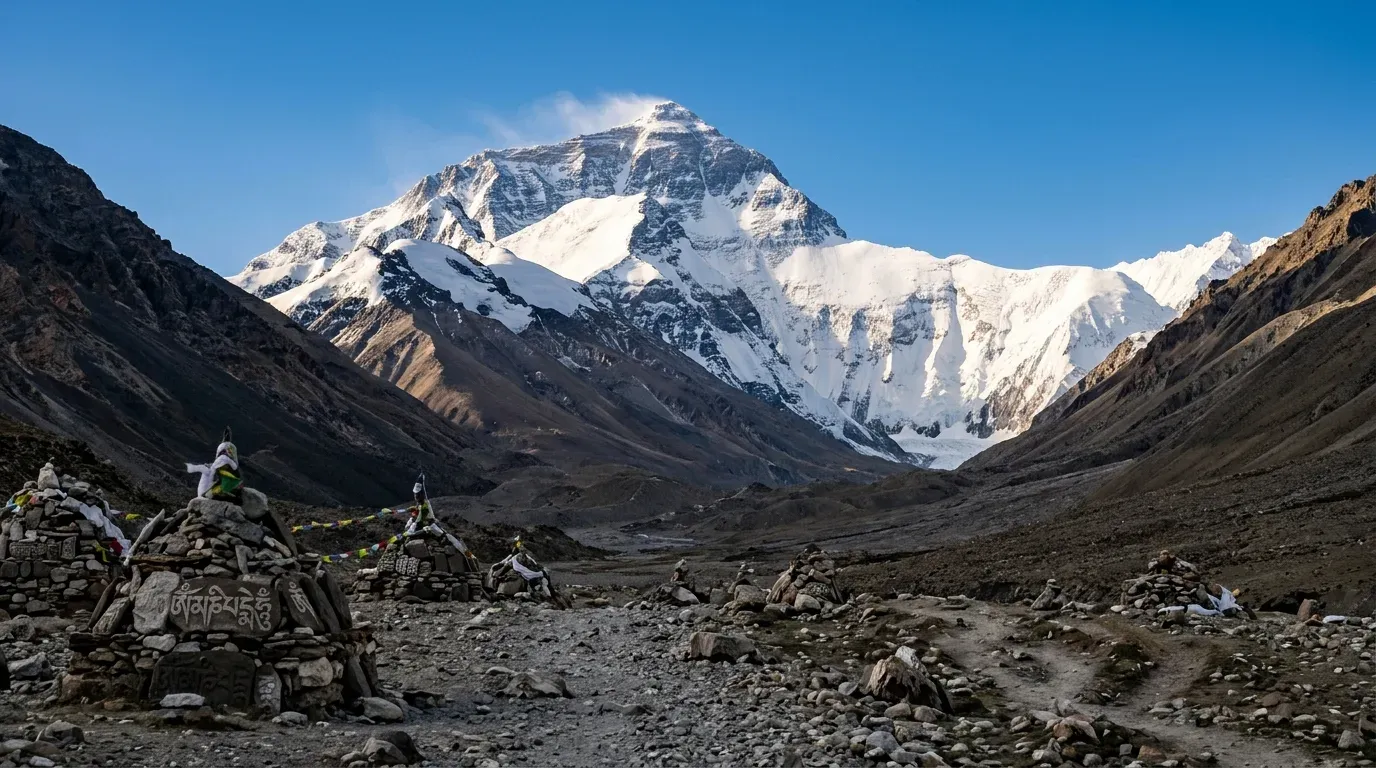
April to May and October are prime months for climbing and visiting Base Camp, when monsoon transitions bring mild, clear Mount Everest weather. According to meteorological records, the average temp on Mount Everest is -29°C throughout the year, keeping extreme altitudes in deep freeze. On December 8, 2020, China and Nepal jointly announced the latest snow height as 8,848.86 meters.
How Do Mount Everest Weather and Temperatures Change Across the Seasons?
The mountain has a clear monsoon climate, with sharp shifts in moisture and wind over the year. During the winter half of the year, strong air currents bring dry conditions and high winds, creating a classic dry, windy season. In the summer half of the year, warm, moist air currents bring the rainy season.
April to May and October mark transition periods between the winter and summer monsoons. Wind and heavy rain ease during these windows, leaving the days clear and mild. These conditions make both periods the prime season for climbing and traveling to Base Camp.
Looking at the terrain and climate patterns, the north and south slopes differ noticeably. The south slope receives plentiful precipitation with maritime monsoon traits. In contrast, the north slope in China gets less precipitation and shows typical continental plateau climate traits.
The glaciers rely mainly on snowpack from two precipitation belts of the Indian Ocean monsoon. Across the ridges, there are 548 continental glaciers. Surveys show that average temperatures around the mountain have risen by 0.6°C since 1992, and total glacier area has shrunk by about 14% over the past 50 years or so.
Which Months Are the Best Time to Visit Everest Base Camp?
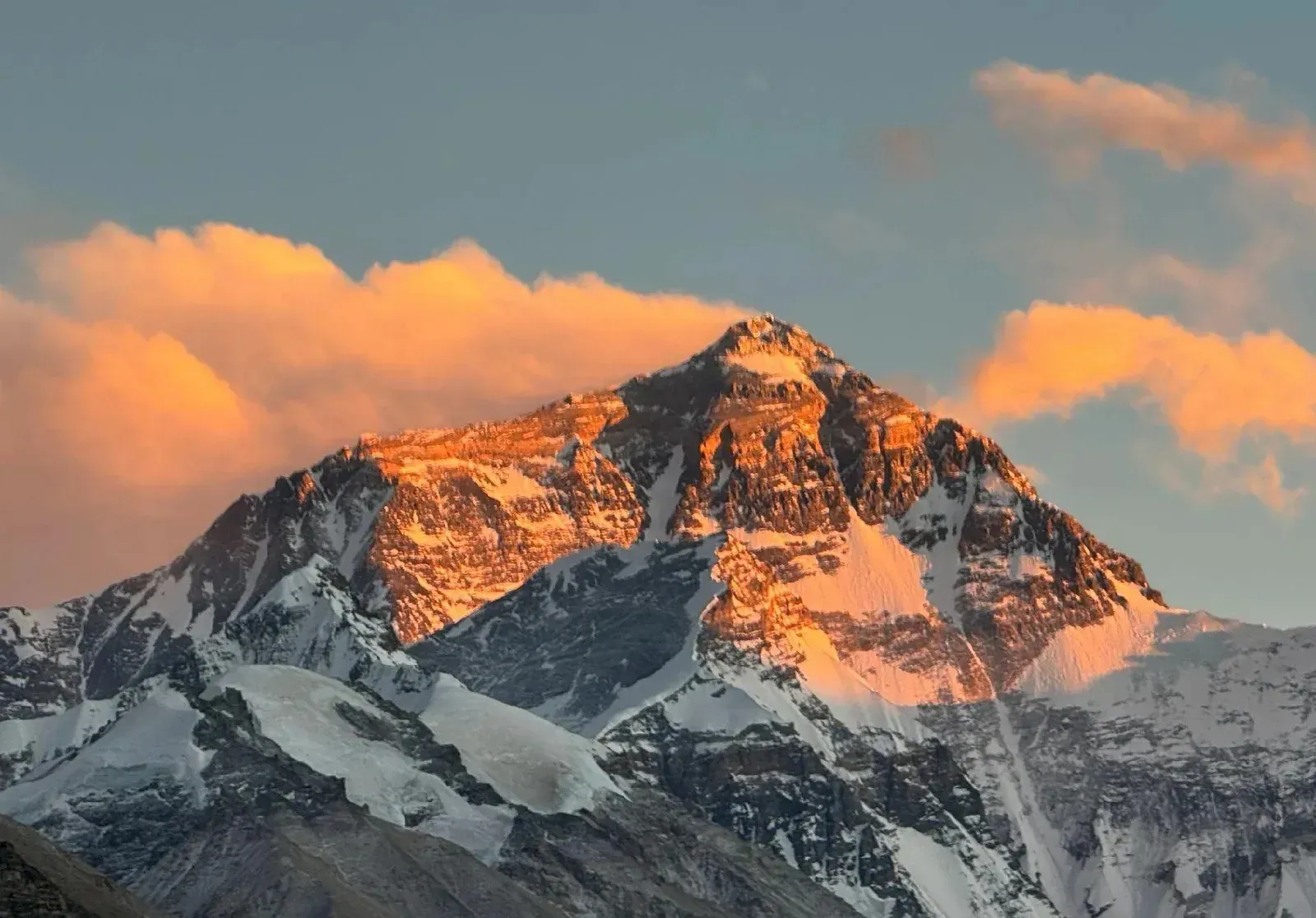
According to climate records, April to May and October are transition periods with clear, mild days, making them the prime time to climb and head to Base Camp. Both windows avoid the severe winter winds and the summer clouds and rain, offering little precipitation, frequent sunshine, and relatively mild conditions.
Different temperature and precipitation patterns on the two slopes directly affect the snow line. Measurements show the snow line on the north slope in China sits at 5,800 to 6,200 meters, while the south slope snow line sits at 5,500 to 6,100 meters.
| Climate and Geographic Metric | Data and Climate Traits | Details and Basis |
|---|---|---|
| Latest snow height | 8,848.86 meters | Jointly announced by China and Nepal on December 8, 2020 |
| Mount Everest temperature across the year | -29°C | High altitudes remain bitterly cold year-round |
| Prime visit and climbing seasons | April to May, October | Monsoon transitions with clear, mild weather |
| North slope snow line | 5,800 to 6,200 meters | Less precipitation on the north slope in China with a continental plateau climate |
| South slope snow line | 5,500 to 6,100 meters | Plentiful precipitation on the south slope with maritime monsoon traits |
| Continental glacier count | 548 glaciers | Fed mainly by snow from two Indian Ocean monsoon precipitation belts |
| Temperature and glacier trends | Warmed 0.6°C, glaciers shrank about 14% | Surveys show warming since 1992 and glacier area loss over about 50 years |
What Are the Rules and Observations for Everest Peak Weather?
To closely track weather changes at extreme altitudes, a scientific expedition set up the world's highest automatic weather station on Mount Everest on May 4, 2022. The station provides important continuous data to analyze weather on the summit and broader regional trends.
For climbing safety, reaching the summit requires strict adherence to the two o'clock rule. All climbers must reach the top before 2:00 PM. Anyone who fails to summit by that time must turn around immediately to avoid sudden wind shifts and the dangers of descending in the dark.
For climbs on the north slope, the Mountaineering Management Center of the General Administration of Sport of China and the Tibet Sports Bureau set clear rules. North slope climbing services are open only in spring. To protect the fragile plateau environment, the number of climbers is strictly capped at around 300 each year.
What Travel Limits Apply to Regular Tourists at Everest Base Camp?
Under official rules from Tingri County in Shigatse, Tibet, tourism into the core zone above Rongbuk Monastery has been banned since January 2019. Regular tourists cannot go to the core climbing camp, but they can tour and view Mount Everest near Rongbuk Monastery, about 2 kilometers from Base Camp.
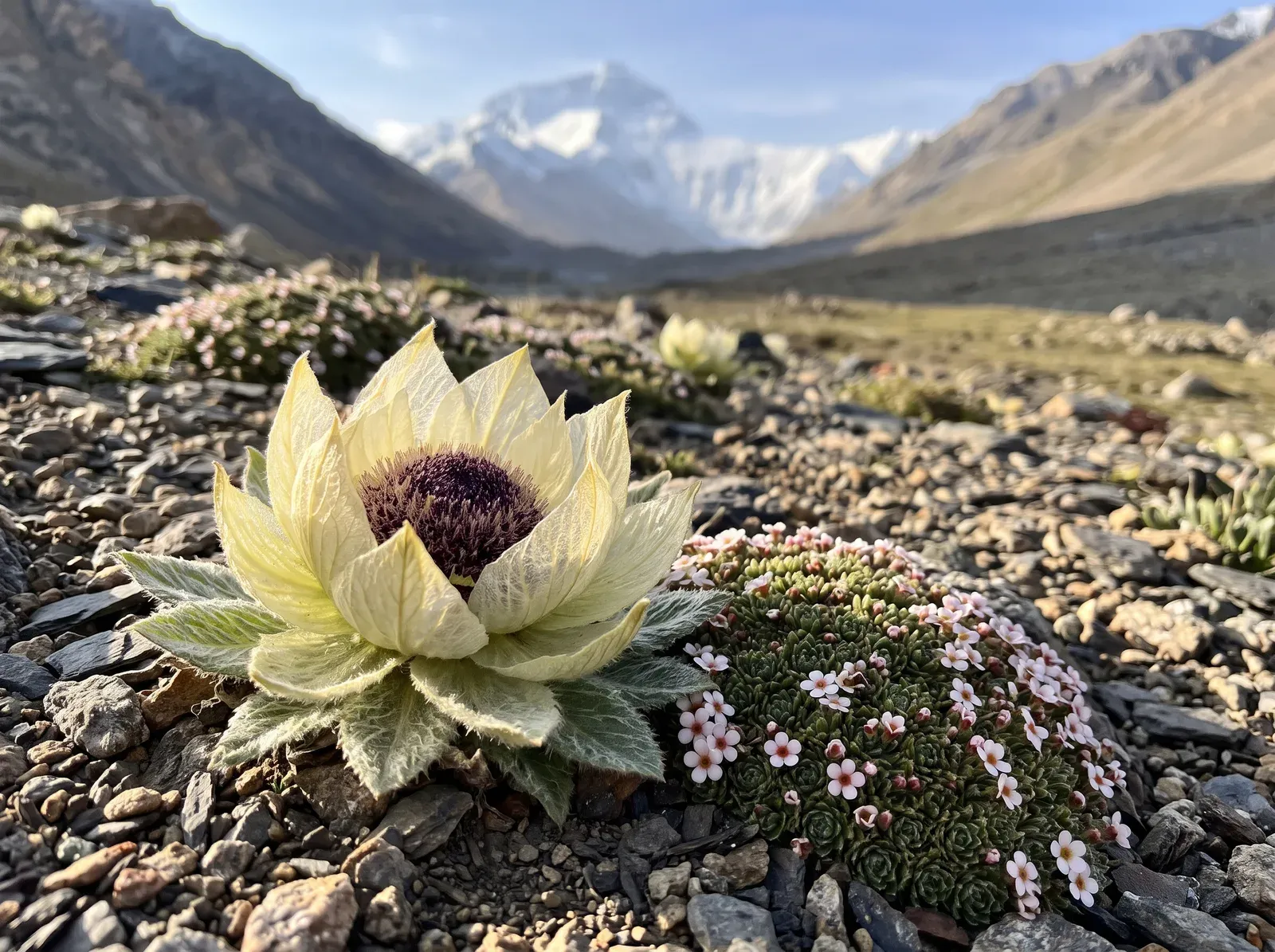
Above 5,000 meters, the alpine ecosystem is delicate, and alpine meadows cover the ground. Sparse cushion plants grow here, including snow lotus, cushion androsace, and moss-like sandwort. Visitors must follow environmental protection rules while sightseeing.
What Climate Exceptions and Conditions Apply to Visiting Base Camp?
Weather on the mountain is driven by monsoons. Even though April to May and October offer the prime transition windows, sudden weather shifts can still happen at extreme altitudes. Freezing winds during the winter half of the year, along with summer rains and thick fog, significantly affect visibility and outdoor plans.
In addition, regular visitors must respect the boundaries set by Tingri County, staying around Rongbuk Monastery without crossing into the core area. Climbing is open only in spring to qualified mountaineers within the 300-person quota. Travelers should carefully assess their fitness and local conditions before setting out.
Sources
Mount Everest - Wikipedia
Source verified on November 8, 2026
FAQ
What is the summit weather and annual average temperature on Mount Everest?
Meteorological data shows that the mountain averages -29°C across the year. On May 4, 2022, an expedition team installed the world's highest automatic weather station on Mount Everest.
Why are April to May and October the best months to visit Everest Base Camp?
Winters bring dry, violent winds and summers bring heavy rain. April to May and October sit between the monsoons, offering mild, clear conditions that make them the prime time for climbing and visiting Base Camp.
How far can regular tourists go toward Everest Base Camp?
Since January 2019, rules from Tingri County in Shigatse ban tourists from entering the core zone above Rongbuk Monastery. Regular travelers can view Mount Everest around Rongbuk Monastery, about 2 kilometers from Base Camp.
What is the two o'clock rule for climbing Mount Everest?
The two o'clock rule is a mandatory safety requirement on the mountain. Climbers must reach the summit before 2:00 PM, and anyone who has not reached the top by that time must turn back immediately.
How does the climate differ between the north and south slopes of Mount Everest?
The south slope gets heavy precipitation with maritime monsoon traits, and its snow line is between 5,500 and 6,100 meters. The north slope in China receives less precipitation, has a continental plateau climate, and has a snow line between 5,800 and 6,200 meters.