
Best Time to Visit China: Weather by Season
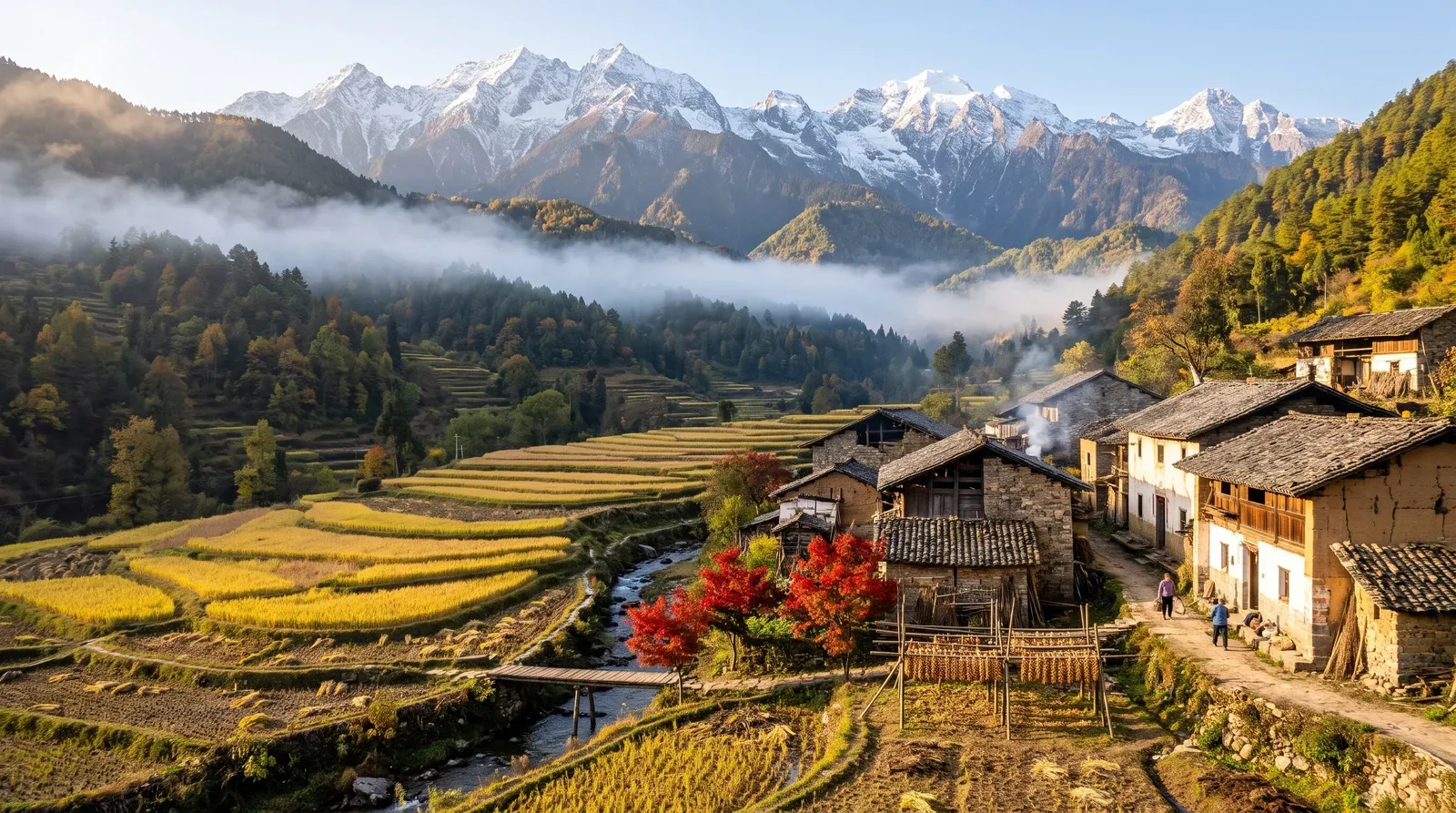
When is the best time to visit China? Overall, spring and autumn offer relatively mild and comfortable weather. In southwestern China, for example, Chengdu is most pleasant from March to June and from September to November. China weather is heavily influenced by monsoon circulation, causing an extreme temperature contrast between north and south during winter: Mohe in Heilongjiang averages near -30°C in January, while Haikou in Hainan averages above 18°C. Travel planning also requires steering clear of extreme holiday crowds, as a single National Day Golden Week can see more than 600 million passenger trips across the country.
What Are the Main Seasonal Features of China Weather?
In summer, China is affected by the East Asian monsoon. Southerly winds from low-latitude coastal areas are warm and humid, bringing most of the annual precipitation. In winter, the Siberian anticyclone dominates, driving cold, dry northerly winds from high latitudes that keep the climate cold and relatively dry.
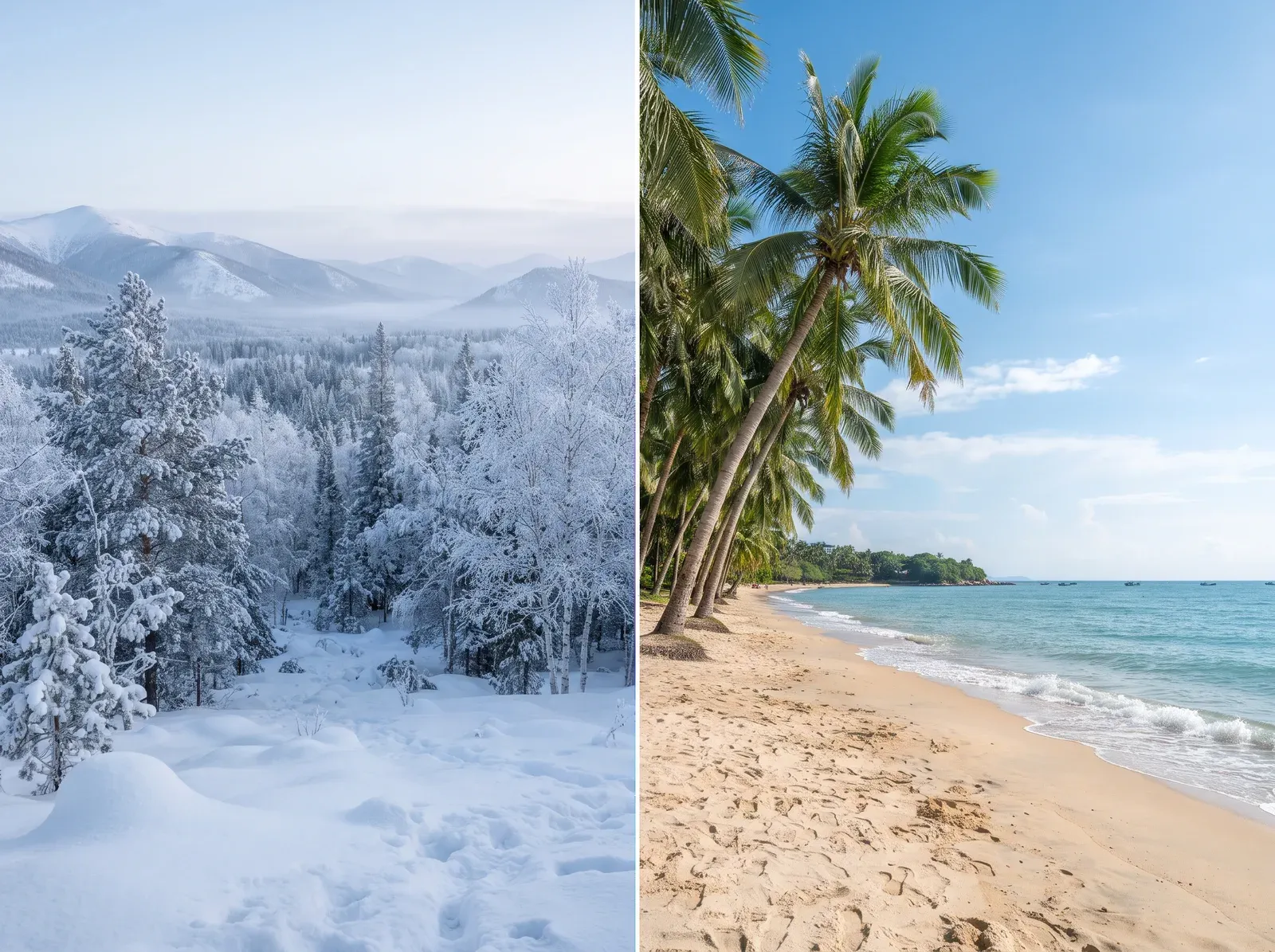
Under monsoon patterns, temperature differences across the country shift dramatically with the seasons. In summer, the national temperature gap shrinks significantly, with Mohe in Heilongjiang averaging above 18°C in July and Haikou in Hainan averaging around 29°C. In winter, the north-south gap becomes extreme: Mohe averages near -30°C in January, while Haikou averages above 18°C.
What Are the Climate Features of Spring and Autumn?
Spring and autumn are usually comfortable and suited for outdoor activities. In southern China, cities such as Hong Kong experience their sunniest days in autumn, while spring tends to bring the highest number of overcast and cloudy days.
Chengdu enjoys its most comfortable conditions from March to June and from September to November, with steady temperatures throughout the day and night. In the north, Beijing has a dry climate where spring and autumn bring large temperature swings between day and night and a cool feel, so travelers need a light jacket, lip balm, and plenty of water.
Is Summer Hot in China and When Does It Rain Most?
In summer, parts of China experience high heat and humidity, creating muggy conditions overall. Cities like Chongqing, Wuhan, and Nanjing are traditionally known as the "Three Furnaces," requiring extra care to prevent heat exhaustion when traveling.
Regarding rain, eastern China, especially the Yangtze and Huai river basins, experiences a plum rain season in late spring and early summer that usually brings continuous rain from mid-June to early July. Chengdu is also quite muggy in summer, with frequent heavy rainstorms in July and August, so rain gear is necessary.
How Large Is the North-South Temperature Difference in Winter?
Winter creates a vast temperature gulf between northern and southern China, giving the far north and the far south completely different climates. Mohe in Heilongjiang averages near -30°C in January, dominated by the Siberian anticyclone that brings severe cold and dry air.
At the same time, Haikou in Hainan averages above 18°C in January, offering a warm and mild climate. Travelers taking long-distance winter trips across the north and south need both heavy winter coats and light clothing to handle the contrasting conditions.
Weather and Travel Months for Representative Cities
| Region or City | Recorded Month or Season | Temperature and Weather Conditions | Travel Advice and Packing Tips |
|---|---|---|---|
| Mohe, Heilongjiang | January | Daily average near -30°C, cold and dry | Pack heavy winter clothing for extreme cold |
| Mohe, Heilongjiang | July | Average above 18°C, much smaller gap than winter | Cool and comfortable in summer |
| Haikou, Hainan | January | Average above 18°C, mild and comfortable | Suitable for escaping winter cold |
| Haikou, Hainan | July | Average around 29°C, warm and humid | Focus on sun protection and hydration |
| Chengdu | March to June, September to November | Most comfortable climate, well suited for outdoor trips | Great for slow-paced city and nature tours |
| Chengdu | July to August | Muggy and humid summer, frequent heavy rain | Carry an umbrella and waterproof gear |
| Eastern China (Yangtze and Huai River basins) | Mid-June to early July | Plum rain season with continuous rainfall | Leave flexibility for indoor activities |
| Southern China cities (such as Hong Kong) | Spring and autumn | Cloudiest in spring, sunniest in autumn | Higher chance of clear skies in autumn |
| Beijing | Spring and autumn | Dry climate, cool with wide day-night temperature swings | Bring a light jacket, lip balm, and stay hydrated |
When Should You Avoid Peak Travel Crowds in China?
Timing your trip involves checking weather comfort and steering clear of major domestic holidays. During the National Day Golden Week, traveler movement inside China is concentrated to an extreme degree, with over 600 million passenger trips recorded nationwide during a single holiday week.
If you plan to visit in autumn, try to avoid the Golden Week period in early October for a calmer sightseeing experience. For long-distance trips between cities, a travel designer can plan a balanced pace, while your driver provides private transfers to reduce waiting time at stations and attractions.
Conditions and Variations in China Weather Advice
Comfortable months and rainy periods for each city are based on long-term climate statistics, but actual weather can fluctuate from year to year depending on the strength of the East Asian monsoon. For example, the exact start and end dates of the plum rains in eastern China can vary between years.
Before traveling, check short-term weather forecasts for your specific destinations and adjust your packing to current temperatures.
Sources
Climate of China - Wikipedia
East Asian rainy season - Wikipedia
Golden Week (China) - Wikipedia
Beijing · Uncle Panda Travel
Chengdu · Uncle Panda Travel
Sources verified on November 8, 2026
FAQ
What is the best month to go to China?
Spring and autumn offer relatively mild and pleasant weather overall. For instance, Chengdu is most comfortable from March to June and from September to November, while southern cities like Hong Kong receive the most sunshine in autumn.
What is the temperature in China in August?
Across the country, summer brings generally high temperatures and a narrower north-south temperature difference. Haikou averages around 29°C in July, while cities like Chongqing, Wuhan, and Nanjing are hot, humid, and known as the "Three Furnaces." Chengdu also experiences frequent heavy rainstorms in July and August.
When do travelers encounter the plum rains in China?
Eastern China, especially along the Yangtze and Huai river basins, experiences the plum rain season in late spring and early summer, typically bringing continuous rain from mid-June to early July.
When are travel crowds largest in China and should be avoided?
Domestic traveler movement is intensely concentrated during the National Day Golden Week, when a single holiday can see over 600 million passenger trips nationwide. It is recommended to schedule trips outside this peak period.
What clothing should travelers pack for Beijing in spring and autumn?
Beijing has a dry climate with cool weather and wide temperature gaps between day and night in spring and autumn. Visitors should pack a light jacket and lip balm, while drinking plenty of water.