
Best Time to Visit Yunnan: Monthly Weather, Scenery, Crowds
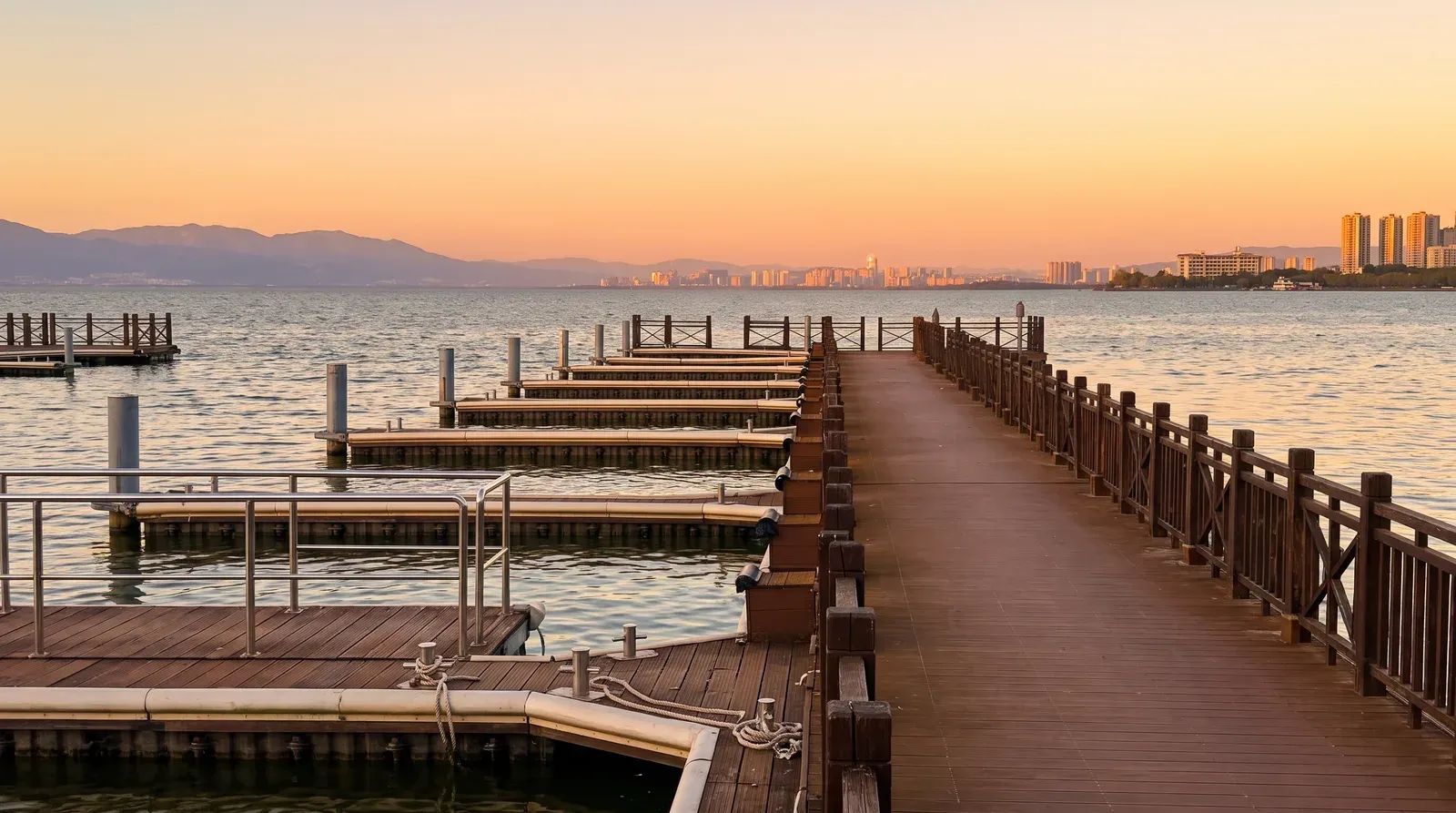
When is the best time to visit Yunnan? For Uncle Panda Travel's 8-day classic private driving itinerary, the recommended months are March to June and September to the following January. According to experts at the Yunnan Provincial Meteorological Bureau, the province has a clear dry season and wet season. The rainy season usually comes to an end in late October, and once it is over, clear days become more common, which makes travel easier. If you plan the classic route through northwest Yunnan, the dry, sunny stretch is a suitable choice.
What Is the Best Time to Visit Yunnan?
On Uncle Panda Travel's 8-day classic private driving itinerary, the recommended travel months are March to June and September to the following January. Spring, autumn and winter fall in the province's typical dry season, when rain drops clearly and sunny days become more frequent. These months generally bring plenty of sunshine and mild weather, and they suit a connected trip covering Kunming, Dali, Lijiang and Shangri-La.
Yunnan Meteorological Bureau experts note that clearer weather after the rainy season aids travel, though daily temperature differences widen in the dry season, requiring warm clothing in the morning and evening. Skipping heavy summer rains keeps roads clearer and provides better visibility for snow mountains and lakes. Travel designers therefore prioritize March to June and September to the following January for trip planning.
When Is the Rainy Season in Yunnan?
The rainy season in Yunnan usually wraps up in late October. Weather monitoring shows that major destinations in central and northern Yunnan, such as Dali and Lijiang, generally meet the meteorological end-of-season threshold in late October. Before then, rainfall is concentrated during the summer, typical of the wet season.
Clearer skies after the rainy season offer stable conditions for viewing plateau scenery. If you travel during the rainy season, carry rain gear and watch for local weather changes. For those who want to avoid continuous rain, arriving after late October or in spring is a more reliable option.

Best Time to Visit Yunnan: Weather in Main Cities and Scenic Areas
Yunnan has a low-latitude plateau climate with distinct wet and dry seasons and marked local variations. Dali has a subtropical plateau monsoon climate, with an annual average temperature of 15.1°C, annual precipitation of 1,054.9 mm, and 2,228.1 annual sunshine hours. With comfortable temperatures and ample sunshine, Dali is pleasant for lakeside walks year-round.
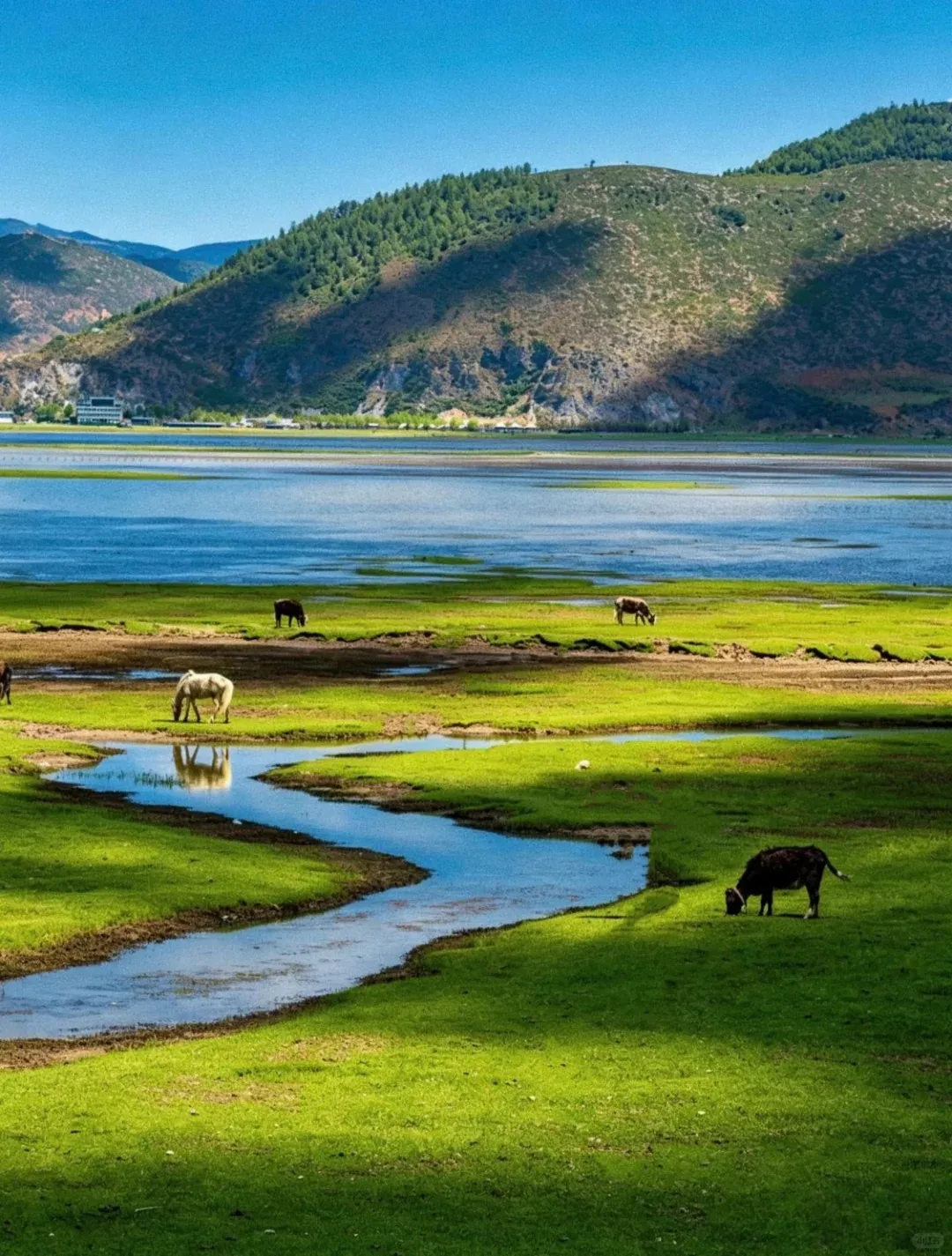
The Lijiang basin has a subtropical plateau climate with sunny winters free of severe cold and humid summers without extreme heat. According to Lijiang weather data, the coldest month, January, has an average temperature of 6.0°C, while the warmest month, June, averages 18.4°C. Summer in Lijiang is humid yet mild, and winter is sunny and dry, showing a classic plateau contrast.
At Tiger Leaping Gorge, located between Lijiang and Shangri-La, the annual average temperature ranges between 13 and 20 degrees Celsius. The gorge has a mild climate with small seasonal temperature variations and plenty of sunshine, making it suitable for walking along canyon trails.
| Location | Climate Type | Temperature Features | Precipitation and Sunshine | Recommended Activities |
|---|---|---|---|---|
| Dali City | Subtropical plateau monsoon climate | Annual average temperature 15.1°C | Annual precipitation 1,054.9 mm, annual sunshine 2,228.1 hours | Strolling by the lake and sightseeing |
| Lijiang Basin | Subtropical plateau climate | January average 6.0°C, June average 18.4°C | Sunny without severe winter cold, humid without extreme summer heat | Visiting the old town and snow mountain |
| Tiger Leaping Gorge | Mild mountain gorge climate | Annual average temperature between 13 and 20 degrees Celsius | Small seasonal temperature swings, ample sunshine | Stopping to view canyon scenery |
| Shangri-La | Cold plateau climate | Highest overnight town on most itineraries | Slow your pace upon arrival and avoid immediate hot showers | 2 days recommended |
What Climate Details Matter During the Dry Season?
Yunnan Meteorological Bureau experts specifically advise that keeping warm is important during the dry season because of large daily temperature swings. Plateau areas feel warm during sunny daytime hours, but temperatures drop noticeably after sunset. Packing layers helps travelers manage these daytime and evening temperature changes.
With more sunny days during the dry season, plateau ultraviolet rays are strong, making sun protection and skincare essential. From March to June and September to the following January, rainfall is low and humidity drops, so staying well hydrated throughout the trip is important.

How to Acclimate to Altitude on the Classic Northwest Yunnan Route
On the classic 8-day route, overnight altitudes rise gradually: Kunming at 1,890 meters, Dali at 1,980 meters, and Lijiang at 2,400 meters, before continuing to Shangri-La. This stepped elevation gain helps travelers adapt smoothly to the altitude.
Shangri-La is the highest overnight town for most visitors to Yunnan, with 2 days recommended for the visit. Walk slowly upon arrival, avoid taking hot showers immediately, and consult a doctor before departure if you have cardiopulmonary conditions.
On Uncle Panda Travel's 8-day classic private driving itinerary, your driver helps keep the trip running smoothly. Your travel designer plans the daily pace around your travel month and the health of the family members traveling with you, so the trip stays comfortable and unhurried.
Sources
Shangri-La · Uncle Panda Travel
Tiger Leaping Gorge - Wikipedia
Yunnan 8-Day Private Tour: Dali, Lijiang & Shangri-La
Yunnan's Rainy Season Draws to an End, Ushering in a Good Season for Travel - China News Service
Dali City - Wikipedia
Lijiang City - Wikipedia
Sources verified on November 7, 2026
FAQ
Does it rain every day during Yunnan's rainy season?
The rainy season in Yunnan usually wraps up in late October, when major destinations such as Dali and Lijiang meet the meteorological criteria for the end of the season. Clear weather increases after the rains end, making travel easier, though the dry season brings large daily temperature swings that require warm clothing.
What are the coldest and warmest months in Lijiang?
The Lijiang basin has a subtropical plateau climate with sunny winters free of severe cold and humid summers without extreme heat. The coldest month is January with an average temperature of 6.0°C, and the warmest month is June with an average of 18.4°C.
How many days are recommended for visiting Shangri-La?
Shangri-La is the highest overnight town on most itineraries in Yunnan, and 2 days are recommended. Slow your pace when you first arrive, avoid immediate hot showers, and consult a doctor before the trip if you have cardiopulmonary conditions.
Which months are recommended for the 8-day classic private driving itinerary in Yunnan?
Uncle Panda Travel recommends March to June and September to the following January for this 8-day route. These months fall in the dry season, when rainfall drops and clear days increase, which makes sightseeing easier.