What Are China's Major Cities? Population and Examples
According to State Council standards and Ministry of Housing and Urban-Rural Development statistics, China had 10 megacities with urban resident populations over 10 million at the end of 2022. These major Chinese cities are Shanghai, Beijing, Shenzhen, Chongqing, Guangzhou, Chengdu, Tianjin, Dongguan, Wuhan, and Hangzhou. Counting total resident population across the whole administrative area, Chongqing was the most populated place in China as of 2023, with 31.91 million people, followed by Shanghai (24.87 million), Beijing (21.86 million), Chengdu (21.403 million), and Guangzhou (18.827 million). Travelers visiting China cities most often go to Beijing, Shanghai, Chengdu, Chongqing, Guangzhou, and Hangzhou, and a normal visit there takes 2 to 4 days.
What Are China's Major Cities and How Are They Classified?
According to city size classification standards issued by the State Council in 2014, China divides cities into five categories and seven tiers based on urban resident population. Among them, urban areas with over 10 million permanent residents are megacities, 5 million to 10 million are supercities, and 1 million to 5 million are large cities. As of 2021, a total of 113 cities nationwide had an urban resident population exceeding 1 million.
Under State Council standards, urban area specifically refers to areas under neighborhood committees and other connected zones actually developed from the seat of district or municipal governments within municipal districts and cities without districts. This measure differs from the full administrative area that includes large rural expanses, offering a clearer picture of the actual population gathered in built-up urban centers.
Which Megacities and Supercities Are in China?
Data from the 2022 Urban Construction Statistical Yearbook by the Ministry of Housing and Urban-Rural Development shows that China had 10 megacities by the end of 2022: Shanghai, Beijing, Shenzhen, Chongqing, Guangzhou, Chengdu, Tianjin, Dongguan, Wuhan, and Hangzhou.
According to information released by the Ministry of Housing and Urban-Rural Development in October 2023, there were 9 supercities nationwide: Xi'an, Zhengzhou, Nanjing, Jinan, Hefei, Shenyang, Qingdao, Changsha, and Suzhou.
| City Classification | Urban Resident Population Threshold | Cities Included | City Count |
|---|---|---|---|
| Megacities | Over 10 million | Shanghai, Beijing, Shenzhen, Chongqing, Guangzhou, Chengdu, Tianjin, Dongguan, Wuhan, Hangzhou | 10 |
| Supercities | 5 million to 10 million | Xi'an, Zhengzhou, Nanjing, Jinan, Hefei, Shenyang, Qingdao, Changsha, Suzhou | 9 |
What Is the Most Populated City in China?
Identifying the most populated city depends on whether you look at the total resident population across an administrative area or the urban resident population. As of 2023, based on the administrative boundaries of municipalities directly under the central government, Chongqing had a total resident population of 31.91 million, making it the most populated city by administrative boundary in China and the only one with over 30 million residents.
Shanghai has the largest urban population among China's metropolitan areas. As of 2023, ranking by total resident population within full administrative areas, the top five cities were Chongqing (31.91 million), Shanghai (24.87 million), Beijing (21.86 million), Chengdu (21.403 million), and Guangzhou (18.827 million).
| Rank | City | Total Resident Population (as of 2023) | Population Characteristics and Statistical Notes |
|---|---|---|---|
| 1 | Chongqing | 31.91 million | Most populated by municipality administrative boundary, only city over 30 million |
| 2 | Shanghai | 24.87 million | Metropolitan area with the largest urban population in China |
| 3 | Beijing | 21.86 million | Megacity with an urban resident population over 10 million |
| 4 | Chengdu | 21.403 million | Major metropolis in Southwest China with an urban resident population over 10 million |
| 5 | Guangzhou | 18.827 million | Major metropolis in South China with an urban resident population over 10 million |
Highlights and Travel Tips for Representative Major Chinese Cities
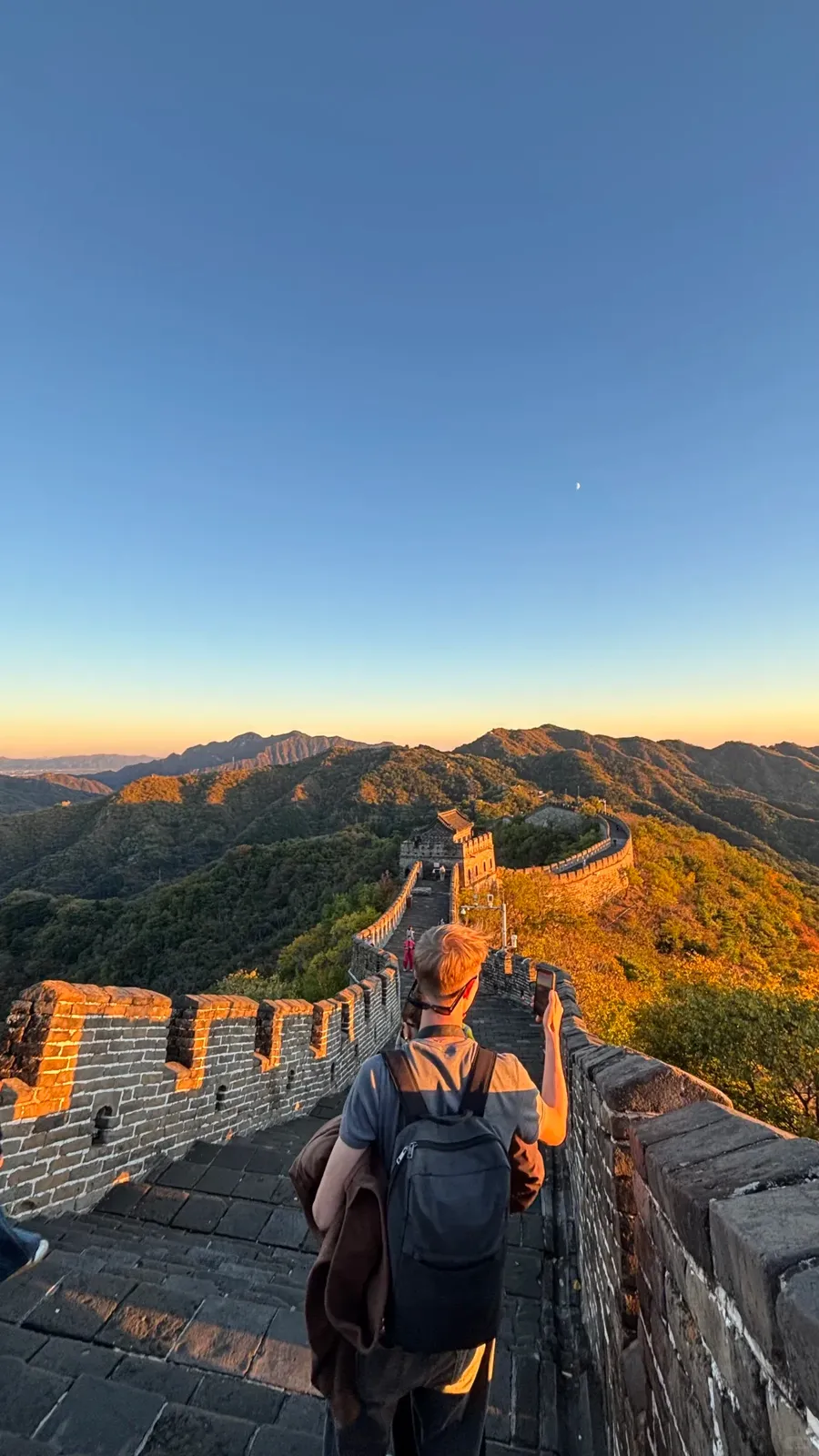
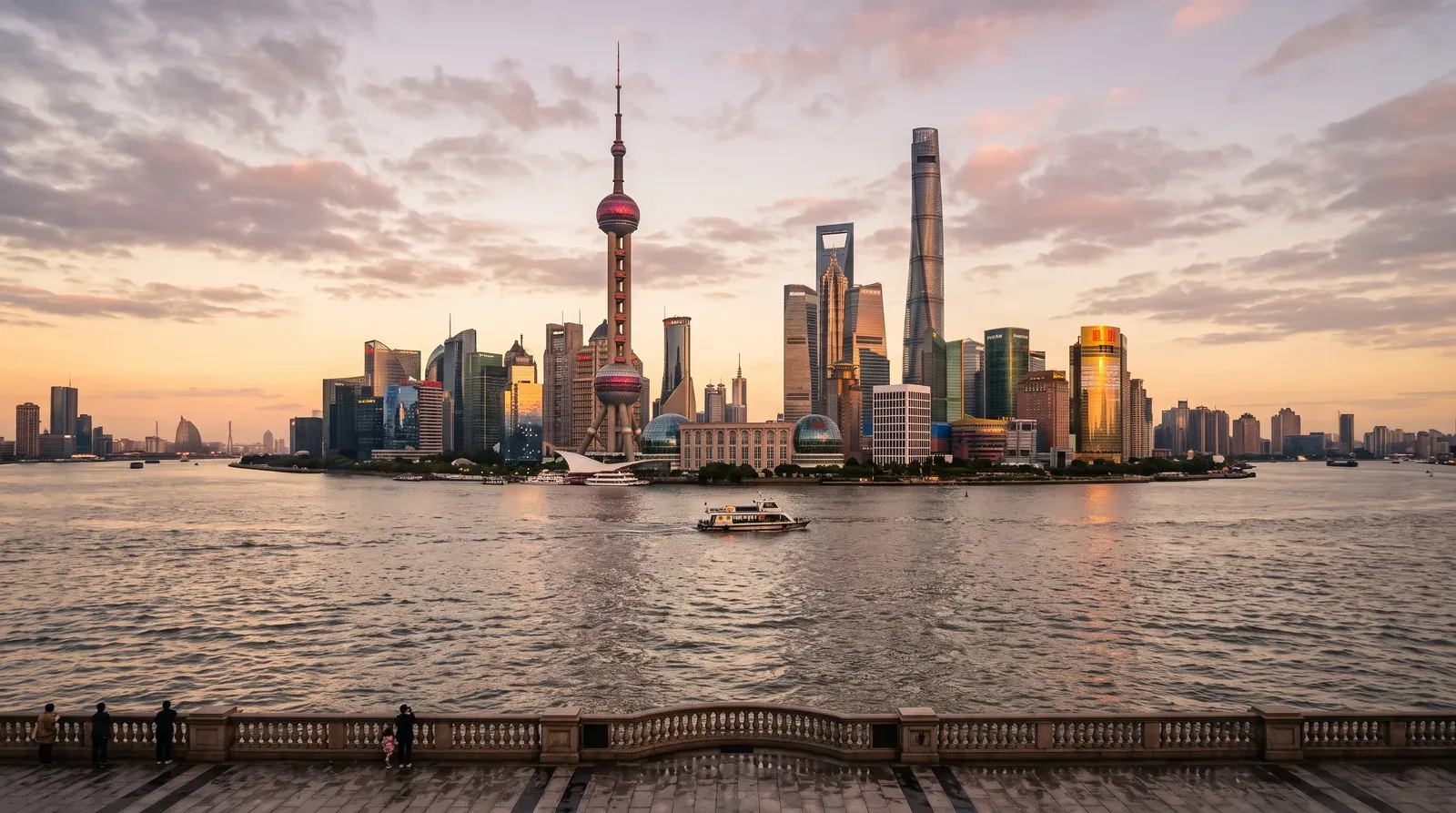
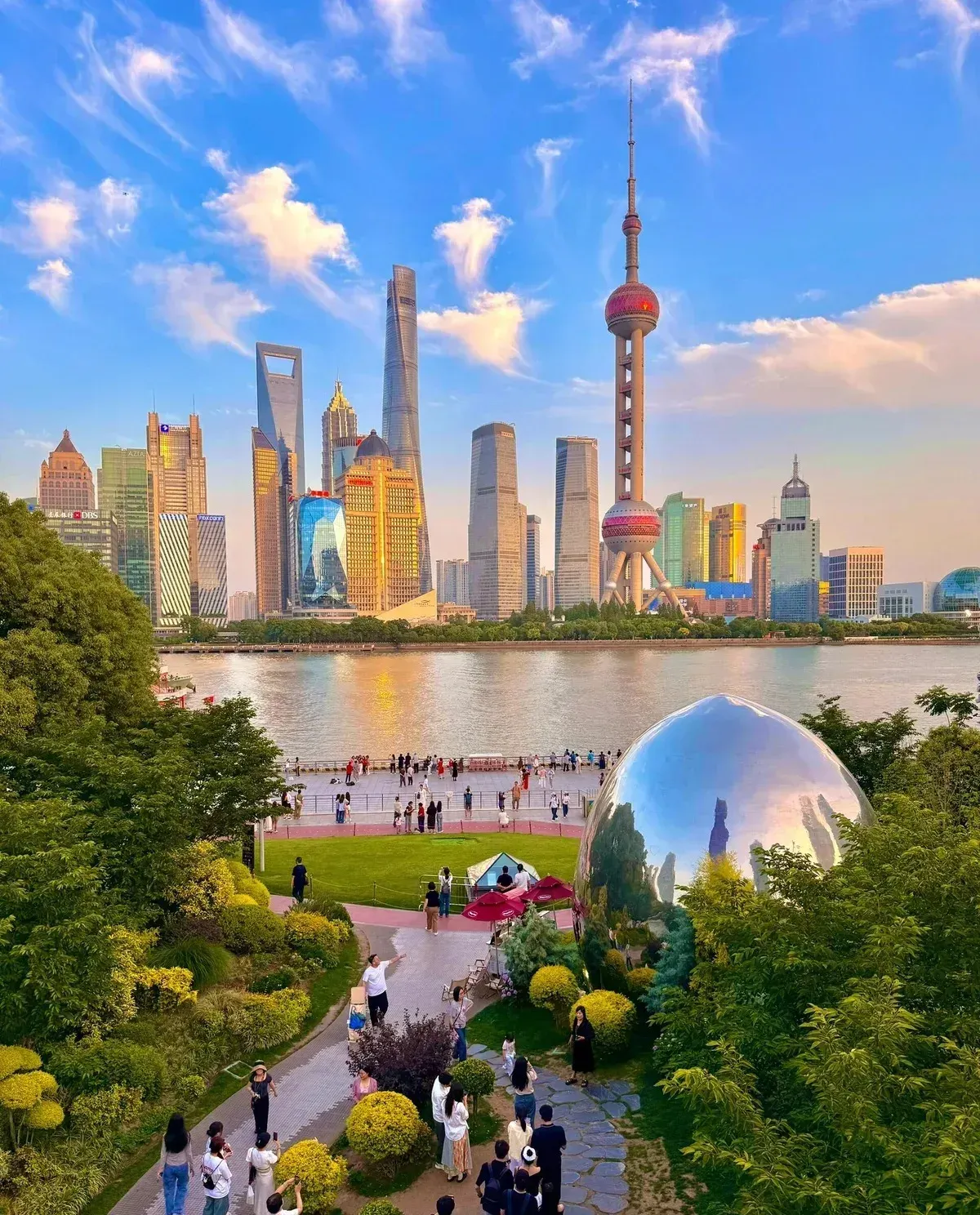
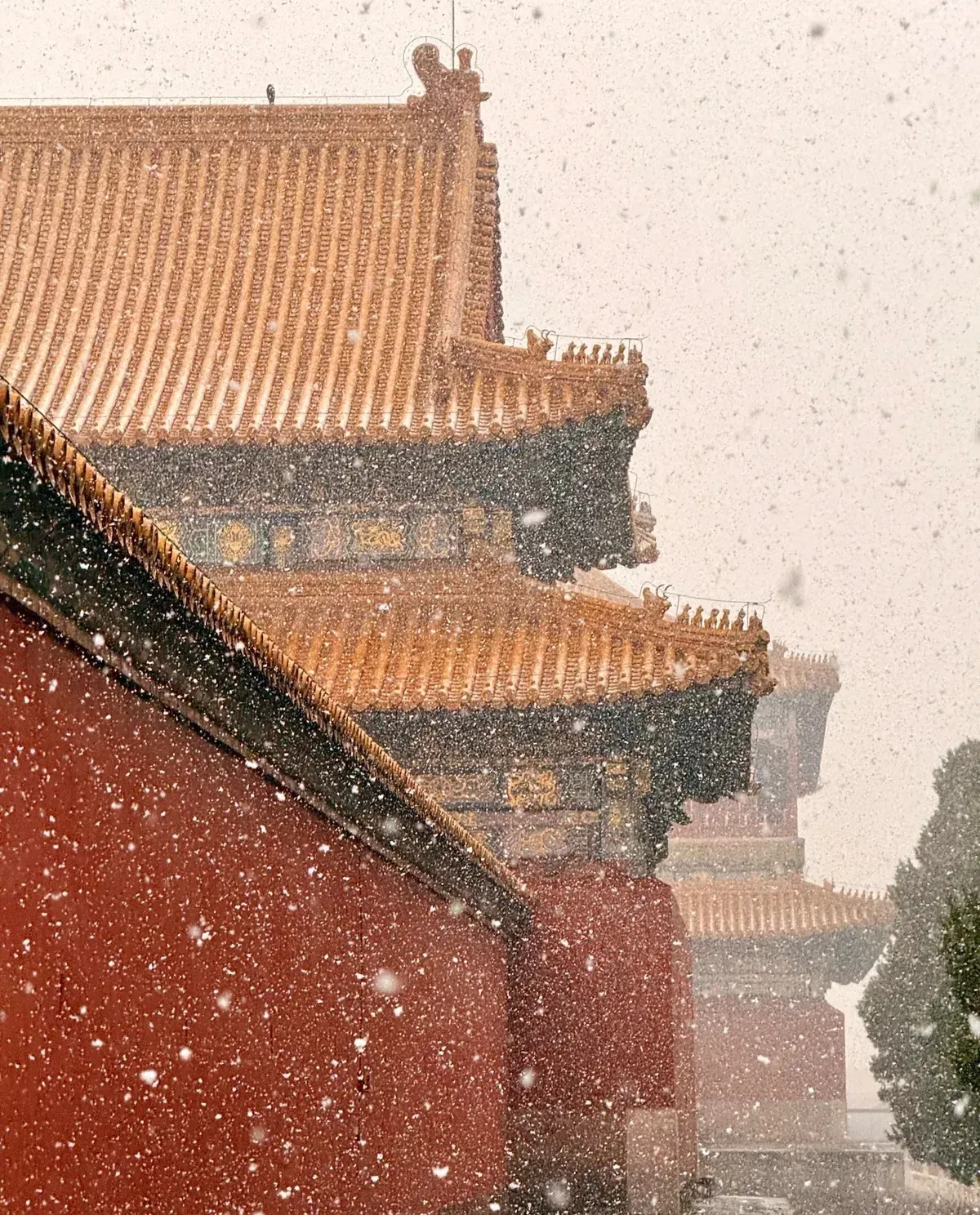
Beijing has served as a capital for 600 years and sits at an altitude of 44 meters. Recommended travel time is 3 to 4 days, with the best travel months in April to May and September to October, featuring sights like the Forbidden City, Mutianyu Great Wall, and Shichahai hutongs. Shanghai sits at 4 meters above sea level, with a recommended visit of 2 to 3 days and prime travel times from March to May and October to December. The night views of the Bund, Yu Garden, and the Lujiazui skyline represent both historic Shanghai and the modern metropolis.
Chengdu sits at an elevation of 500 meters, with a recommended stay of 2 to 3 days and favorable travel windows from March to June and September to November. Designated a City of Gastronomy by UNESCO in 2011, it is home to the Giant Panda Base and serves as a gateway to nearby Dujiangyan, the Leshan Giant Buddha, and Sanxingdui. Built on steep terrain where the Yangtze and Jialing rivers meet, Chongqing sits at 259 meters, with a recommended visit of 2 to 3 days and good travel seasons from March to May and September to November, known for monorails passing through buildings, the Yangtze River Cableway, and Hongyadong night views.
Guangzhou has served as a trading port along the Pearl River for over 2,200 years and lies at an elevation of 21 meters. A visit of 2 to 3 days is recommended, with October to December being the best travel period, noted for morning dim sum, Shamian Island, and Pearl River night cruises. Hangzhou sits at 10 meters, with a recommended visit of 2 to 3 days and top travel periods from late March to May and mid-October to December. West Lake offers free public access all around, alongside attractions like Lingyin Temple and Xixi Wetland.
| City | Elevation | Recommended Duration | Best Travel Months / Seasons | Key Highlights and Sights |
|---|---|---|---|---|
| Beijing | 44 m | 3 to 4 days | April to May and September to October | Capital for 600 years, Forbidden City, Mutianyu Great Wall, Shichahai hutongs |
| Shanghai | 4 m | 2 to 3 days | March to May and October to December | Bund night views, Yu Garden, Lujiazui skyline |
| Chengdu | 500 m | 2 to 3 days | March to June and September to November | 2011 UNESCO City of Gastronomy, Giant Panda Base, hub for Dujiangyan and Leshan Giant Buddha |
| Chongqing | 259 m | 2 to 3 days | March to May and September to November | Built on steep hills at river confluence, monorail through building, Yangtze River Cableway, Hongyadong night view |
| Guangzhou | 21 m | 2 to 3 days | October to December | Trading port for over 2,200 years, morning dim sum, Shamian, Pearl River night cruise |
| Hangzhou | 10 m | 2 to 3 days | Late March to May and mid-October to December | Free access around West Lake, Lingyin Temple, Xixi Wetland |
What Should You Keep in Mind When Planning Trips to Major Cities?
Elevation varies across major Chinese cities. Eastern and coastal cities like Shanghai (4 m), Hangzhou (10 m), Guangzhou (21 m), and Beijing (44 m) lie on low-altitude plains, while Chongqing (259 m) and Chengdu (500 m) in the southwest sit in low hills, none presenting altitude concerns. Allowing 2 to 4 days for each major destination provides sufficient time to cover core sights and cultural highlights.
Travelers planning to connect multiple destinations can have a travel designer plan a sensible pace between cities, with your driver assisting with transfers and introductions in each location.
Sources
Notice of the State Council on Adjusting the Criteria for Categorizing City Sizes - National Development and Reform Commission
List of megacities in China - Wikipedia
List of supercities in China - Wikipedia
List of cities in China by population - Wikipedia
Beijing · Uncle Panda Travel
Shanghai · Uncle Panda Travel
Chengdu · Uncle Panda Travel
Chongqing · Uncle Panda Travel
Guangzhou · Uncle Panda Travel
Hangzhou · Uncle Panda Travel
Sources verified on Nov 6, 2026.
FAQ
What is the most populated place in China?
By administrative area, Chongqing ranked first nationwide with 31.91 million residents as of 2023. By urban resident population, Shanghai is the metropolitan area with the largest urban count.
What is China's official standard for a megacity?
Based on 2014 State Council standards, cities with an urban resident population of over 10 million are classified as megacities. Data from the Ministry of Housing and Urban-Rural Development shows China had 10 megacities by the end of 2022.
How many days are usually recommended when visiting China cities?
Based on the scale of attractions, 3 to 4 days are recommended for Beijing, and 2 to 3 days each for Shanghai, Chengdu, Chongqing, Guangzhou, and Hangzhou.
When are the best travel months for these major cities?
April to May and September to October for Beijing; March to May and October to December for Shanghai; March to June and September to November for Chengdu; March to May and September to November for Chongqing; October to December for Guangzhou; and late March to May along with mid-October to December for Hangzhou.