
Life of Lin Zexu and the Humen Opium Destruction Sites
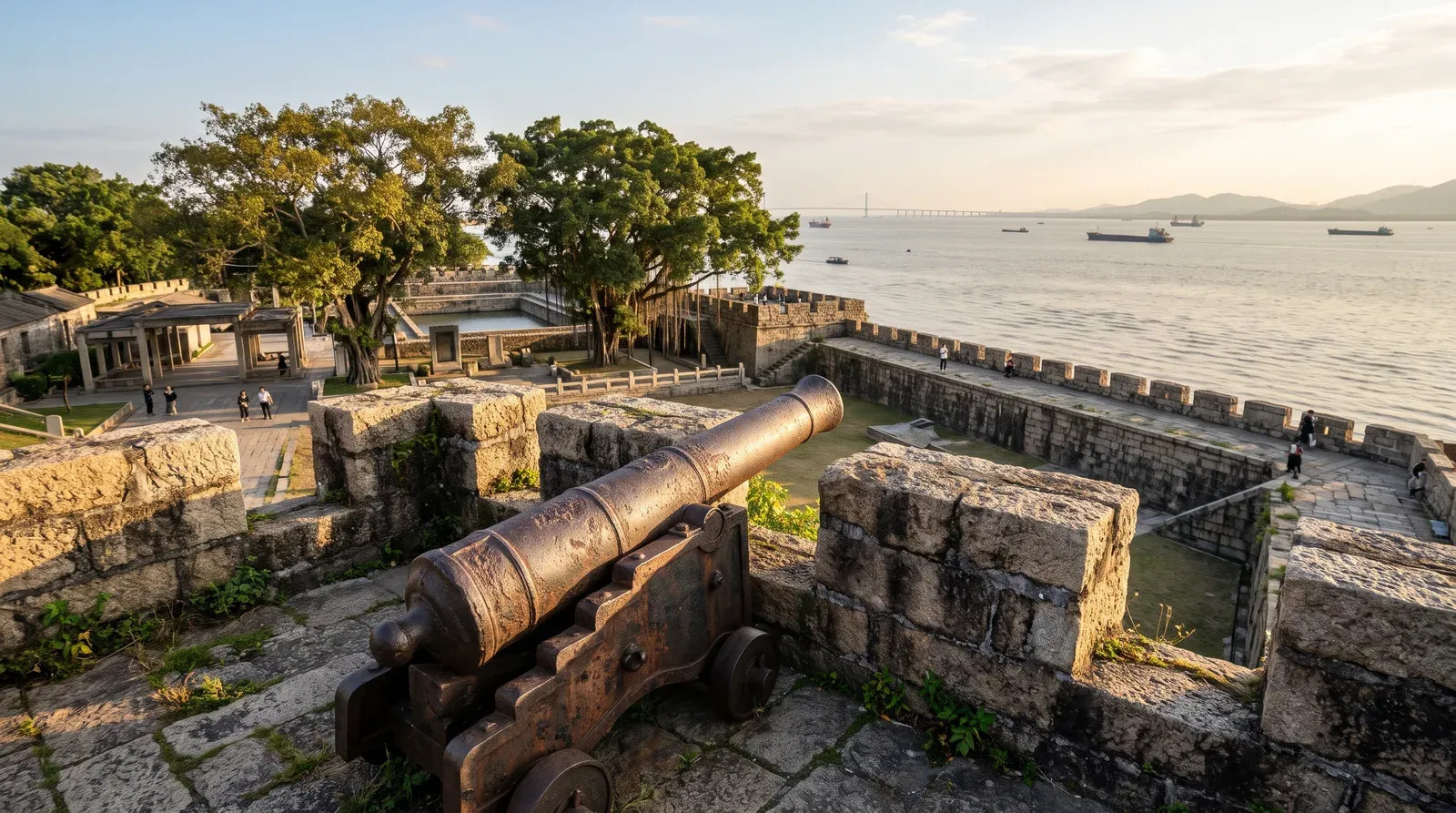
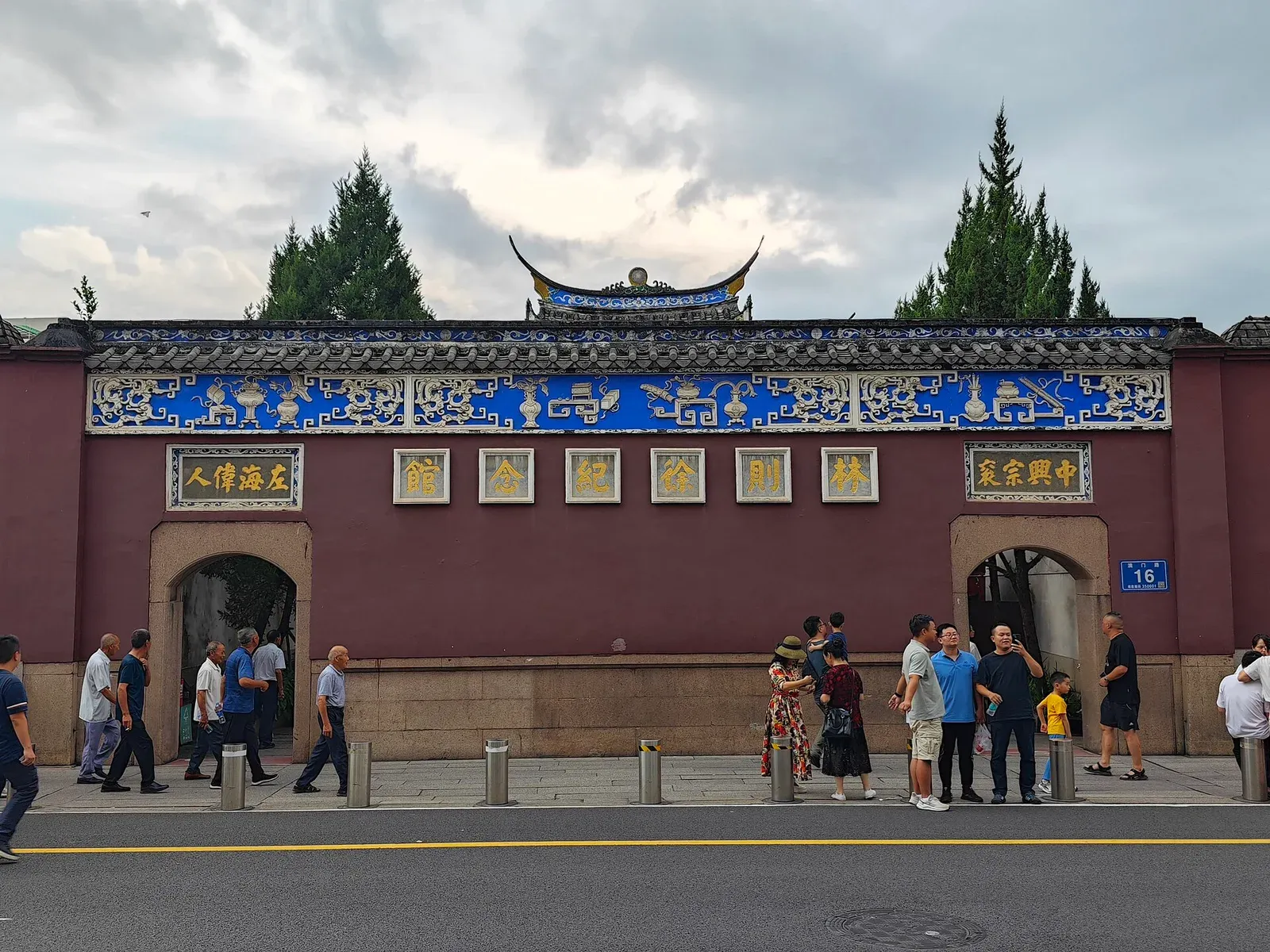
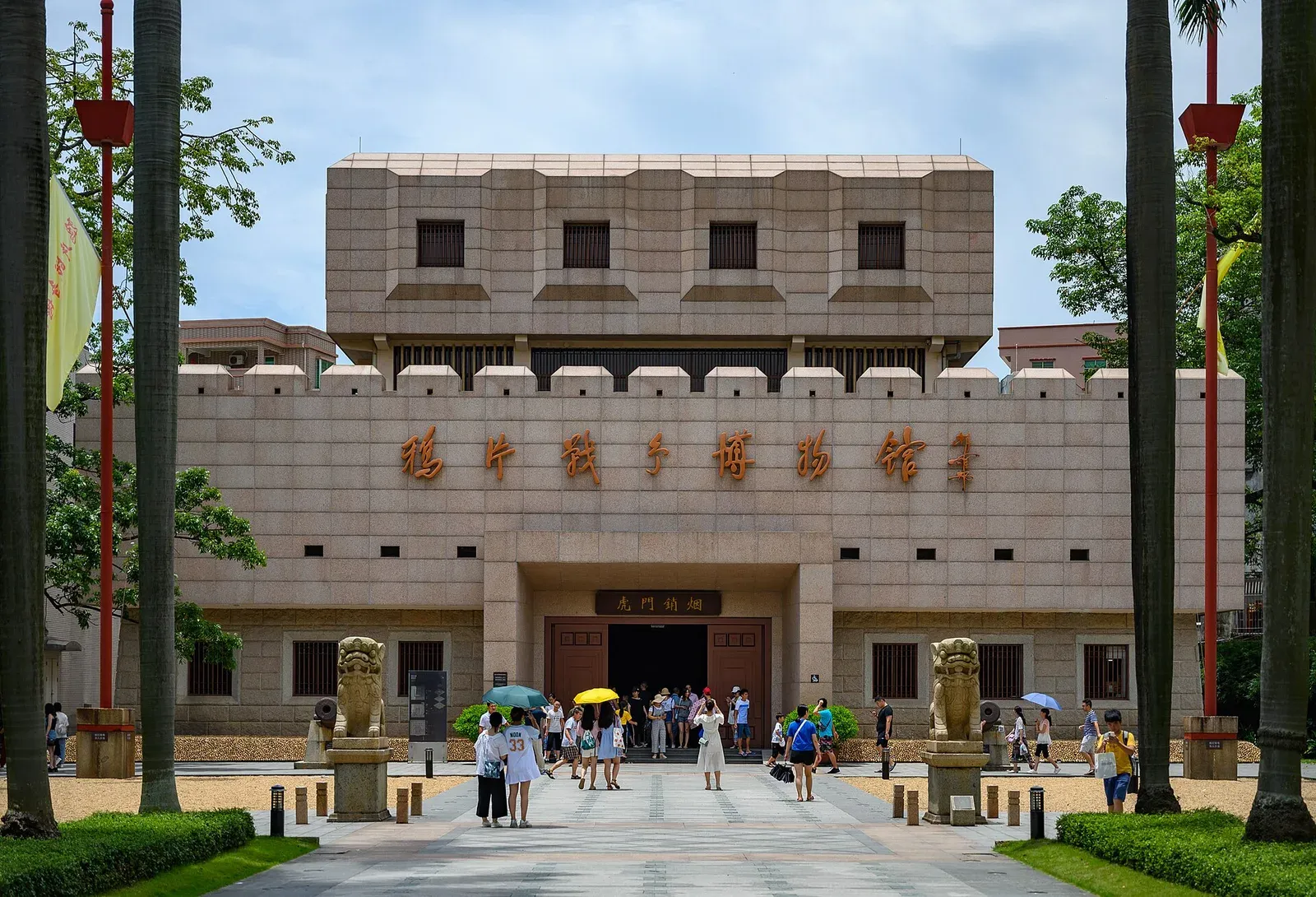
Lin Zexu was born on August 30, 1785, and died on November 22, 1850. He was a prominent statesman and thinker of the Qing Dynasty. To understand his life and the historic opium destruction at Humen, you can visit two key locations: Fuzhou and Humen Town in Dongguan. The Lin Zexu Memorial Hall in Fuzhou, Fujian showcases his family roots and official career as governor-general. In Humen, Guangdong, the Opium War Museum, the opium pool site, and the Humen Forts preserve the 1839 destruction grounds along with coastal defense works.
| Key Sites and Relics | Location | Admission and Opening Rules |
|---|---|---|
| Lin Zexu Memorial Hall of Fuzhou | No. 16 Aomen Road, Gulou District, Fuzhou | Free entry and no reservation required; open 8:30-17:00 on working Mondays, 8:30-18:00 on other working days; on holidays and weekends, all areas are open 8:30-17:30, with Lin Wenzhong Shrine extending opening hours to 17:30-20:00 |
| The Opium War Museum (also called Humen Lin Zexu Memorial Hall, Sea Battle Museum) | No. 113 Jiefang Road, Humen Town, Dongguan, Guangdong | The Opium War Museum is closed all day on Mondays, and the Sea Battle Museum is closed all day on Tuesdays |
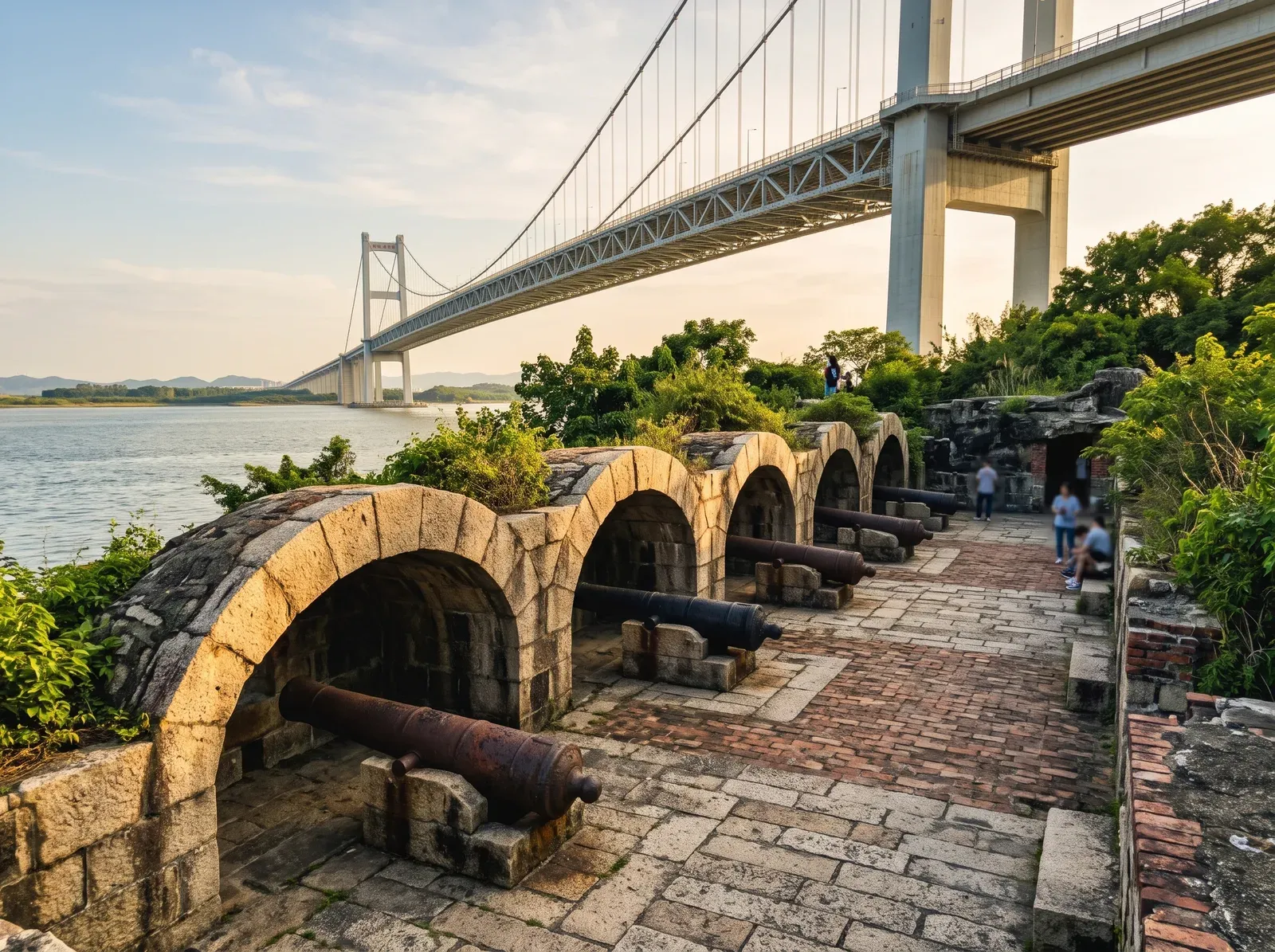
| Weiyuan Fort | Directly below Humen Bridge, Dongguan, Guangdong | Free admission, but a valid ID is required |
What were the key milestones in Lin Zexu's life?
He was born in Zuoyingsi Lane, Houguan, Fujian (now Gulou District, Fuzhou). In 1811, at age 26, he passed the imperial examination and earned the jinshi degree, launching his official career. Over time he rose to the first rank, serving as Governor-General of Huguang, Shaan-Gan, and Yun-Gui, and was twice appointed imperial commissioner. While suppressing opium in Guangdong, he punished opium traffickers severely while strengthening coastal defenses, becoming an early Chinese pioneer who looked out at the wider world.
On January 5, 1840, he took office as Governor-General of Liangguang. During the First Opium War, however, he was falsely accused, stripped of his post, and exiled by the Qing government to Yili in Xinjiang. He was reinstated in 1845 as Governor-General of Shaan-Gan, then transferred in 1847 to become Governor-General of Yun-Gui. In his later years, the Qing government ordered him to Guangxi to help suppress the Taiping Rebellion, but he died of illness on the journey in 1850.
How was the opium destroyed at Humen in 1839?
On March 18, 1839, after arriving in Guangzhou as imperial commissioner, he summoned the Cohong merchants and ordered all foreign traders to surrender their opium within three days and sign pledges. On March 24, the Qing government sealed the Guangzhou foreign factories, detaining 350 foreign merchants for six weeks. On March 28, Charles Elliot, the British Chief Superintendent of Trade, yielded and surrendered 20,283 chests of opium to the Qing government in the name of the British Crown.
To destroy the drug, he first tried burning opium mixed with tung oil. Because the residue seeped into the soil and could still be retrieved, he switched to a seawater dissolving method. Workers dug three stone-lined pits lined with wooden planks on high beach ground, fenced with bamboo to prevent theft. They dumped the opium into the pools along with lime and salt, poured in seawater, and stirred the mixture before flushing it into the sea at low tide. The day before the destruction (the twenty-first day of the fourth lunar month), he also composed an essay offering prayers to the sea gods.
On June 3, 1839 (the twenty-second day of the fourth lunar month), the public destruction of opium began on the beach at Humen. Ten foreign observers, including American merchant C.W. King and missionary Elijah Coleman Bridgman, were invited to inspect the site. According to Chinese Wikipedia, after witnessing the rigorous dissolution process, the observers were convinced and tipped their hats in respect to him. During his time in Guangdong, he drafted an open letter to Queen Victoria urging her to halt the drug trade, which was later published in The Times. Today, on International Day Against Drug Abuse and Illicit Trafficking each June 26, the Chinese government and media commemorate his anti-opium actions at Humen.
| Source Document | Recorded Duration | Recorded Amount Destroyed | Notable Details |
|---|---|---|---|
| Chinese Wikipedia | June 3 to June 20, 1839 | 2,376,250 jin | On-site inspection by foreign merchants and missionaries |
| English Wikipedia | 23 days starting June 3, 1839 (ended June 25) | 1,000 long tons (1,016 tonnes) | 19,187 chests and 2,119 sacks destroyed on June 23 (totaling 2,376,254 kg) |
Visiting the Lin Zexu Memorial Hall in Fuzhou: Hours and Highlights
The Lin Zexu Memorial Hall of Fuzhou stands on the former site of Lin Wenzhong Shrine at No. 16 Aomen Road, Nanjie Subdistrict, Gulou District, Fuzhou. The original shrine was built in 1905 during the thirty-first year of the Guangxu reign, and it was designated a major historical and cultural site protected at the national level on March 5, 2013. Located next to the 5A-rated Sanfang Qixiang (Three Lanes and Seven Alleys), the memorial displays his birth residence, youth writings, family values, and anti-opium campaign.
The memorial is open free of charge year-round with no advance booking required, though closing hours vary by day. On working Mondays, it opens from 8:30 to 17:00 (last entry at 16:30). On other weekdays, Tuesday through Friday, it stays open until 18:00 (last entry at 17:30). On public holidays and weekends, all areas are open during the day until 17:30, followed by extended evening hours from 17:30 to 20:00 (last entry at 19:30).
Tip: Extended evening hours from 17:30 to 20:00 on holidays and weekends are limited to the Lin Wenzhong Shrine section. The historical exhibition halls are closed during this window and no guided commentary is offered. Visitors return along the original route to exit through the main gate. If you want to see the full biographical exhibition, visit during regular daytime hours.
Getting to the memorial from across Fuzhou is straightforward. You can take Fuzhou Metro Line 1 or Line 2 to Nanmendou Station and walk, or take a direct bus to Guanglufang Station, Sanfang Qixiang (Aomen Road) Station, or Daoshanlukou Station. If you plan to explore Three Lanes and Seven Alleys at the same time, simply turn into South Backstreet (Nanhoujie) right after exiting the main entrance.
Visiting Humen: How to Plan the Opium Pools and Forts
The anti-opium and coastal defense sites in Humen are managed jointly by the Opium War Museum, which is also known as the Humen Lin Zexu Memorial Hall and the Sea Battle Museum. This national first-class museum and 4A-level tourist attraction oversees an area of about 800,000 square meters. Its core sites include the opium destruction pools at No. 113 Jiefang Road in Humen Town, as well as the Humen Forts stationed along the Pearl River Estuary. Construction of the forts began in 1717 during the fifty-sixth year of the Kangxi reign. On the eve of the Opium War, Lin Zexu and Guangdong Navy Commander Guan Tianpei reorganized them into three defense lines with 11 forts and over 300 iron cannons.
Directly beneath the Humen Pearl River Bridge sits Weiyuan Fort, built in 1835. Spanning 360 meters, it was fitted with 44 cannons to defend against British forces. According to the official website of the Opium War Museum, British troops first attacked Shajiao Fort on the first defense line on January 7, 1841, where Vice Commander Chen Liansheng led the defense. On February 26 of the same year, British warships pushed into the Pearl River, and Guan Tianpei died in action fighting at the fort. Weiyuan Fort is now free to visit, though visitors need to present valid identification at the entrance for verification.
Tip: The regular closing days for the Opium War Museum and the Sea Battle Museum are staggered. The Opium War Museum is closed all day on Mondays, while the Sea Battle Museum is closed all day on Tuesdays. If you want to visit both sites in a single day, plan your trip between Wednesday and Sunday.
Geographically, Nansha District in Guangzhou lies on the west bank of the Pearl River Estuary, while Humen Town in Dongguan sits on the east bank, connected by the Humen Pearl River Bridge completed in 1997. After arriving at Humen Railway Station on the Guangzhou-Shenzhen-Hong Kong High-Speed Railway, you can walk through the transfer center to connect to Humen Railway Station on Dongguan Rail Transit Line 2 and Humen North Station on the Guangzhou-Shenzhen Intercity Railway. If you arrive at Hong Kong International Airport, you can also take a ferry from SkyPier directly to the Humen Ferry Port in Dongguan.
Common Mistakes When Visiting Lin Zexu and Humen Sites
First-time visitors often get confused about station names, venue opening days, and entry identification. Here is a summary of common trip planning mix-ups and practical tips.
| Common Points of Confusion | Facts and Official Regulations |
|---|---|
| Distinguishing Dongguan railway stations | Changping Station was once named Dongguan Station, is located in Changping Town, and sits about 40 km from the Dongguan municipal government and downtown; travelers heading downtown by train need to distinguish between Dongguan Station, Humen Station, and Changping Station |
| Closing days for the two Humen museums | The Opium War Museum is closed all day on Mondays, and the Sea Battle Museum is closed all day on Tuesdays |
| Opening and extended hours of the Fuzhou memorial | Working Mondays 8:30-17:00 (last entry at 16:30); other working days 8:30-18:00 (last entry at 17:30); on holidays and weekends, Lin Wenzhong Shrine has extended hours until 20:00 (last entry at 19:30) |
| Entry requirements for Weiyuan Fort | Free admission, but a valid ID is required |
Sources
Three Lanes and Seven Alleys - Wikipedia
Dongguan - Wikipedia
Dongguan - Wikipedia
The Opium War Museum - Wikipedia
Humen Forts - Wikipedia
Dongguan Rail Transit Line 2 - Wikipedia
Humen Railway Station - Wikipedia
Changping Railway Station - Wikipedia
Lin Zexu - Wikipedia
Destruction of opium at Humen - Wikipedia
Lin Zexu - Wikipedia
Lin Wenzhong Shrine - Wikipedia
Weiyuan Fort - Wikipedia
Humen - Wikipedia
All sources verified on November 19, 2026.
FAQ
Do I need to book tickets online in advance for the Lin Zexu Memorial Hall in Fuzhou?
The Lin Zexu Memorial Hall of Fuzhou is free to the public year-round. Visitors do not need to book online in advance and can enter directly upon arrival.
Are both the Opium War Museum and the Sea Battle Museum closed on Mondays?
No. The Opium War Museum is closed all day on Mondays, while the Sea Battle Museum is closed all day on Tuesdays. Their closing days are staggered.
Is an admission ticket required for Weiyuan Fort, and what are the entry requirements?
Weiyuan Fort is free to enter and does not require an admission ticket, but visitors need to carry valid identification for on-site inspection upon entry.
How do travelers reach local heritage sites after arriving at Humen Railway Station?
After arriving at Humen Railway Station by high-speed rail, passengers can walk through the transfer center to connect to Humen Railway Station on Dongguan Rail Transit Line 2 and Humen North Station on the Guangzhou-Shenzhen Intercity Railway.
Are the Fuzhou Lin Zexu Memorial Hall and the Humen Lin Zexu Memorial Hall in Dongguan the same place?
No. The Fuzhou hall is located at No. 16 Aomen Road, Gulou District, Fuzhou, which is the Lin Wenzhong Shrine in his ancestral home. The memorial in Humen, Dongguan is an alternate name for the Opium War Museum at the site of the opium pools. The two sites are located in Fujian and Guangdong provinces respectively.