
The Life and Historic Sites of Puyi, the Last Emperor of China
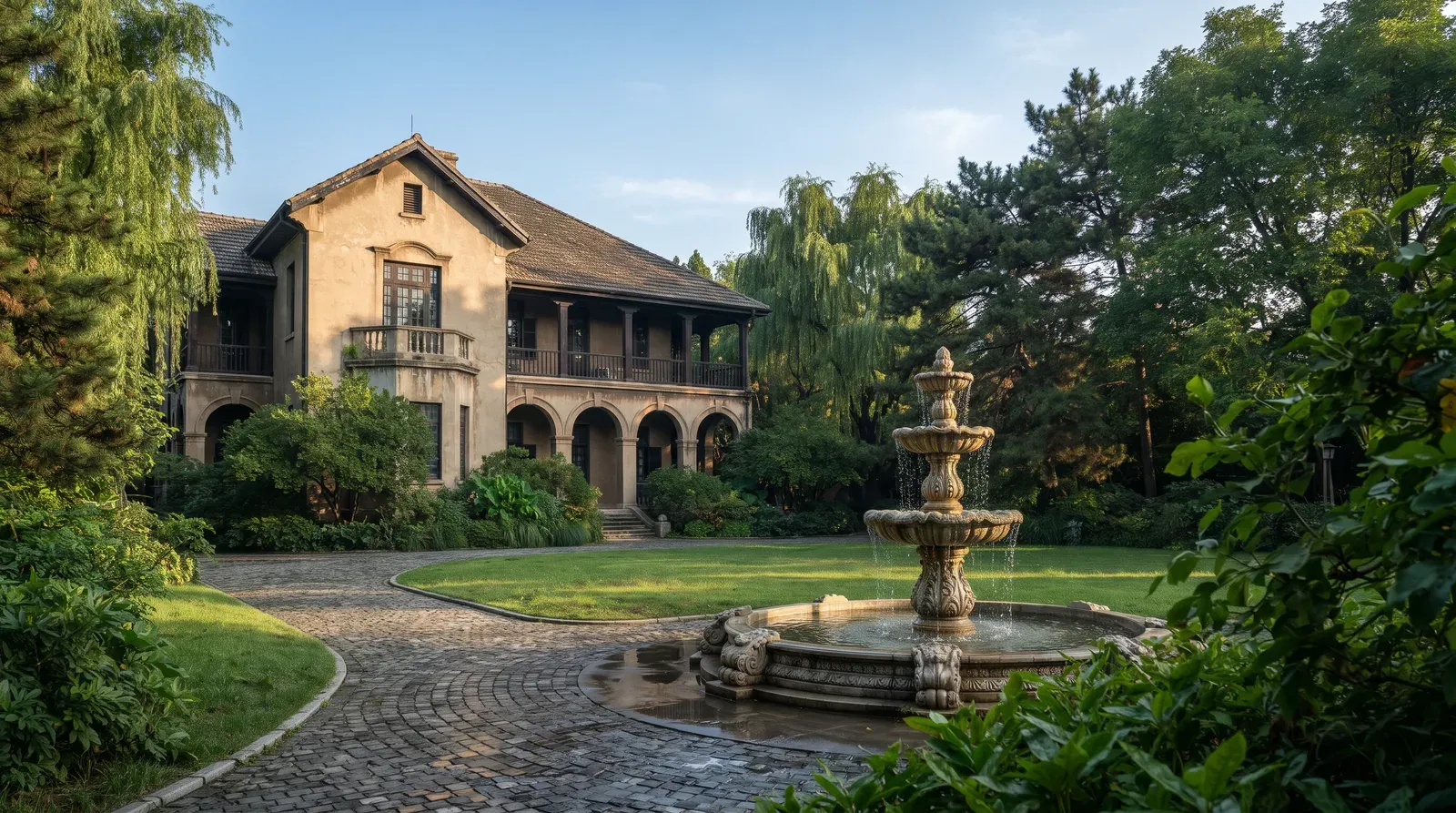
On February 12, 1912, Empress Dowager Longyu issued the Imperial Edict of Abdication on behalf of the last emperor of China, formally ending 268 years of Qing rule south of the Great Wall. As the final imperial monarch in Chinese history, Puyi lived through vastly different chapters: a Qing ruler, a private resident in Tianjin, the figurehead of the puppet state of Manchukuo, and an ordinary citizen in modern China. Surviving historic sites connected to his life center on Beijing, Tianjin, and Changchun, including Prince Chun Mansion where he was born, the Forbidden City where he took the throne and abdicated, Zhang Garden and Jingyuan in Tianjin, and the Museum of the Imperial Palace of the Manchu State in Changchun.
| Historic Site | City and Location | Life Stage of Puyi | Opening and Transit Reference |
|---|---|---|---|
| Palace Museum (Forbidden City) | Jingshan Front Street, Beijing | 1908 enthronement, 1912 abdication, and post-abdication court life | Line 1 Tian'anmen East Station; enter at Meridian Gate and exit at Gate of Divine Prowess |
| Prince Chun Mansion (Former Residence of Soong Ching Ling) | 46 Houhai North Bank, Beijing | 1906 birthplace of Puyi | West section of Houhai North Bank; listed as a major historical site in 1982 |
| Zhang Garden | 59 Anshan Road, Tianjin | First residence after fleeing in disguise to Tianjin in 1925 | National 3A-level attraction and major historical site |
| Jingyuan | 70 Anshan Road, Tianjin | 1929 residence for waiting on political changes | Two-story Spanish-style brick-and-wood villa with 79 rooms, a tennis court, and a dragon fountain |
| Museum of the Imperial Palace of the Manchu State | 5 Guangfu North Road, Changchun | Palace site while serving as puppet ruler from 1932 to 1945 | Direct access via Changchun Rail Transit Line 3 or Line 4 at Puppet Imperial Palace Station |
| China National Botanical Garden (Former Beijing Botanical Garden) | Near Xiangshan, Haidian District, Beijing | Worked as plant tender and ticket collector after 1960 pardon | Xijiao Line tram at National Botanical Garden Station |
| Puyi Tomb at Hualong Imperial Cemetery | Next to Chongling, Western Qing Tombs, Yixian, Hebei | Final resting place of Puyi's ashes in 1995 | Adjacent to Emperor Guangxu's Chongling and late Qing planned tomb site |
What Turning Points Did Emperor Puyi Face in the Forbidden City?
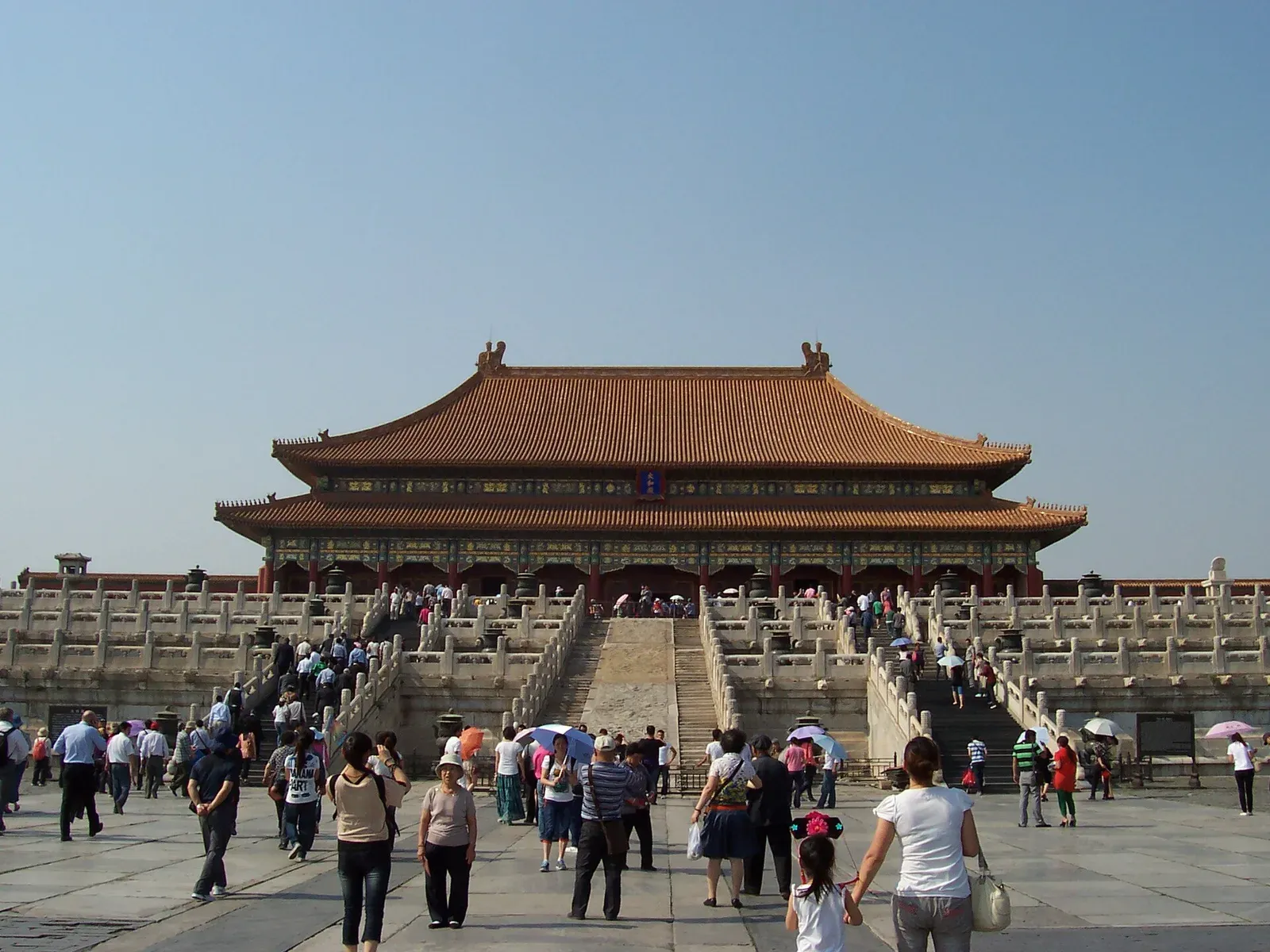
On December 2, 1908 (the ninth day of the eleventh lunar month in the 34th year of Guangxu), Puyi took the throne in the Hall of Supreme Harmony at just two years and ten months old, adopting the reign title Xuantong. Following his abdication in 1912, the Articles of Favorable Treatment allowed him to remain in the northern Inner Court of the Forbidden City and the Summer Palace, with the Republican government pledging an annual subsidy of 4 million silver taels. In the early morning of July 1, 1917, Zhang Xun and Kang Youwei restored Puyi to the throne in the Palace of Heavenly Purity, but Duan Qirui crushed the attempt by July 13, ending the 12-day restoration. In March 1919, Scottish tutor Reginald Johnston entered the court to teach English, world history, and geography at the Hall of Cultivating Character (Yuqing Gong). During this period, the Puyi emperor broke old court customs by wearing spectacles, cutting off his queue, and dressing in Western suits. On November 5, 1924, following the Beijing Coup, Feng Yuxiang sent troops under Lu Zhonglin into the palace, revoked the favorable terms and the imperial title, and forced Puyi out that very day.
Earlier in his life, Puyi was born at noon on February 7, 1906 (the fourteenth day of the first lunar month in the 32nd year of Guangxu) in the east room of Siqian Hall at Prince Chun Mansion, along the north bank of Houhai in Beijing. His biological father was Zaifeng, and his mother was Youlan, the second daughter of Ronglu. The estate originally belonged to Grand Secretary Mingju. After Emperor Guangxu took the throne, the Qing court allocated 160,000 silver taels to renovate it before granting it to Prince Chun Yixuan. Today, the western garden of the mansion at 46 Houhai North Bank is open as the Former Residence of Soong Ching Ling, designated a major historical site protected at the national level in 1982.
If you want to understand the courtyard layout of late Qing imperial nobility, you can start with the Former Residence of Soong Ching Ling north of Shichahai. If you prefer to trace the political turning points from enthronement and abdication to his final expulsion from the court, prioritize the Hall of Supreme Harmony and the Palace of Heavenly Purity on the central axis of the Forbidden City, along with the Hall of Cultivating Character on the eastern route.
How to Plan a Palace Museum Visit Around Filming Locations of The Last Emperor?
Bernardo Bertolucci's biographical film The Last Emperor received official approval to film on location inside the Forbidden City, making it the first Western feature film granted permission to shoot there. The first 90 minutes and the ending were both filmed on the palace grounds. Famous scenes showing the young boy running among the curtains of the Hall of Supreme Harmony and his coronation were shot within the authentic palace halls. To reach the Palace Museum, take Subway Line 1 and get off at Tian'anmen East Station.
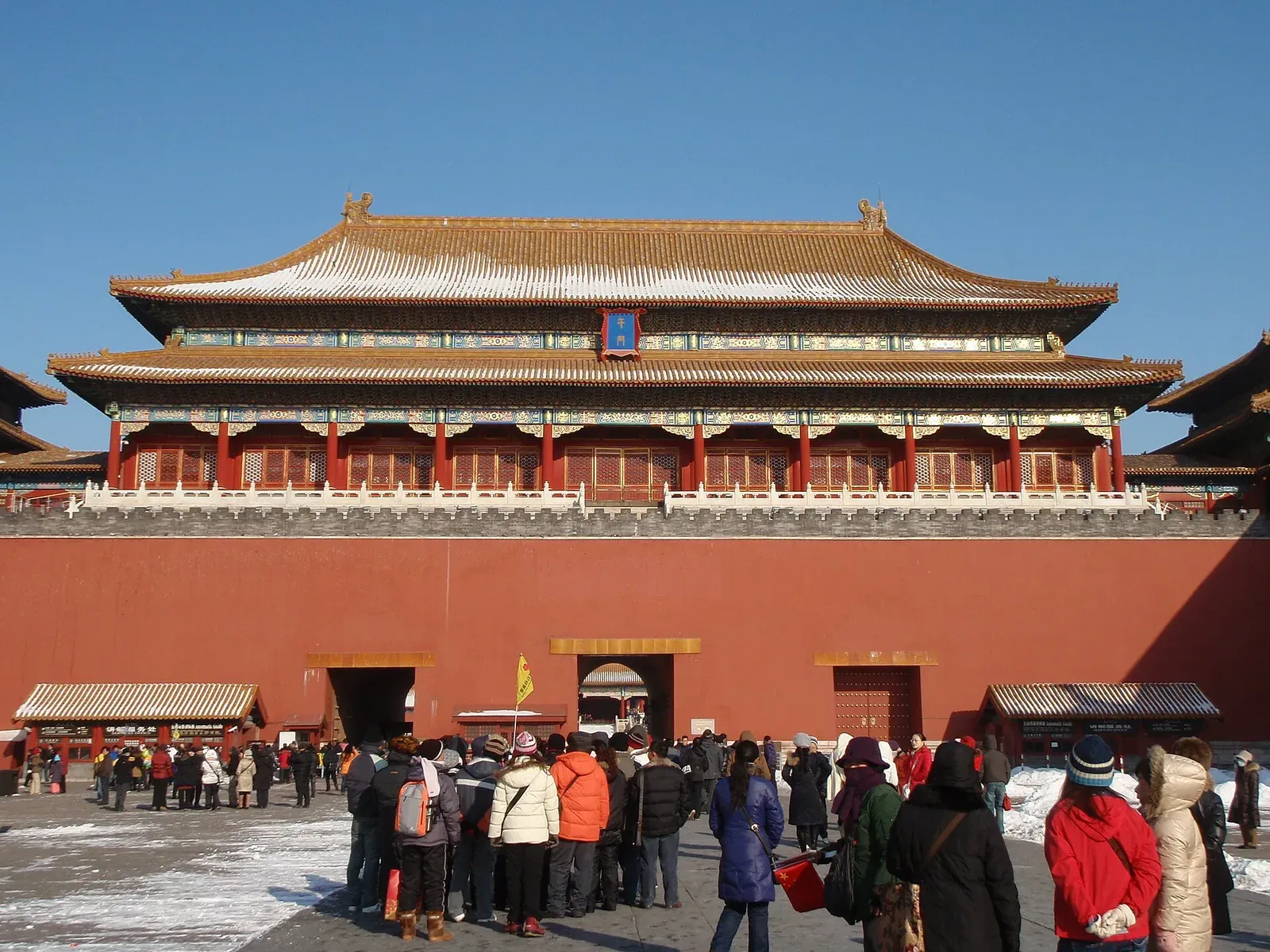
The Palace Museum is closed on Mondays throughout the year except on statutory holidays. Entry begins at 8:30, admission stops at 15:30, and the gates close at 16:30. Since July 2, 2011, the museum has enforced a one-way south-to-north route: all visitors enter through the Meridian Gate (Wumen) and exit through either the Gate of Divine Prowess (Shenwumen) to the north or the East Prosperity Gate (Donghuamen) to the east. Tickets become available 7 days before your visit at 20:00, and advance booking is mandatory.
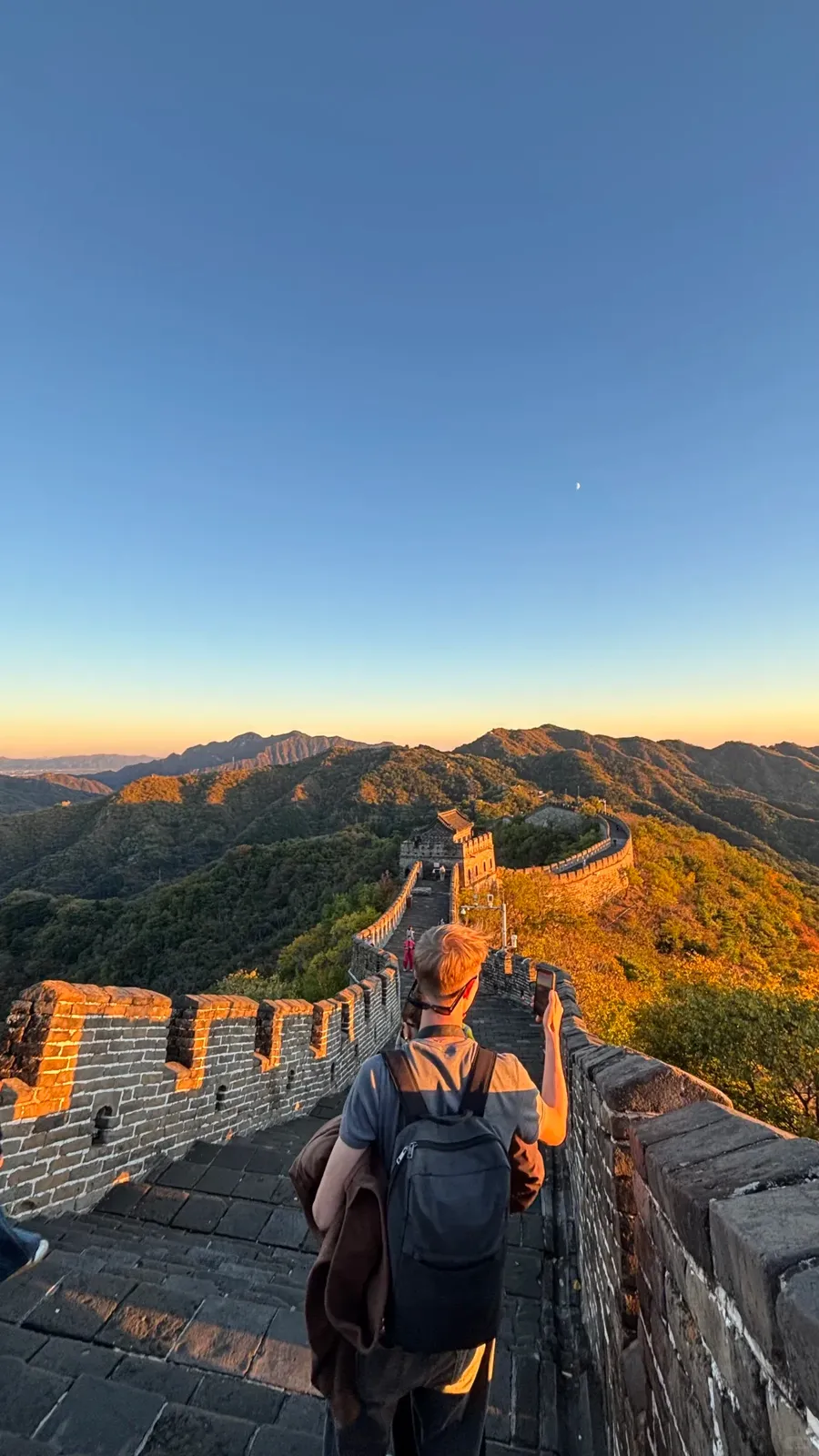
Tip: The Gate of Divine Prowess faces the south gate of Jingshan Park across Jingshan Front Street, so after exiting the museum, cross the street directly to enter Jingshan Park and climb to the top for an overhead view of the Forbidden City.
Zhang Garden and Jingyuan in Tianjin: How Did Puyi Live in the Concessions?
On February 24, 1925, assisted by Zheng Xiaoxu and others, Puyi disguised himself as a merchant and boarded a train for the Japanese Concession in Tianjin. He stayed first at Zhang Garden and later at Jingyuan. Emperor Puyi spent years here as a concession resident, and these two estates witnessed secret plans for restoration as well as emotional upheavals within his household.
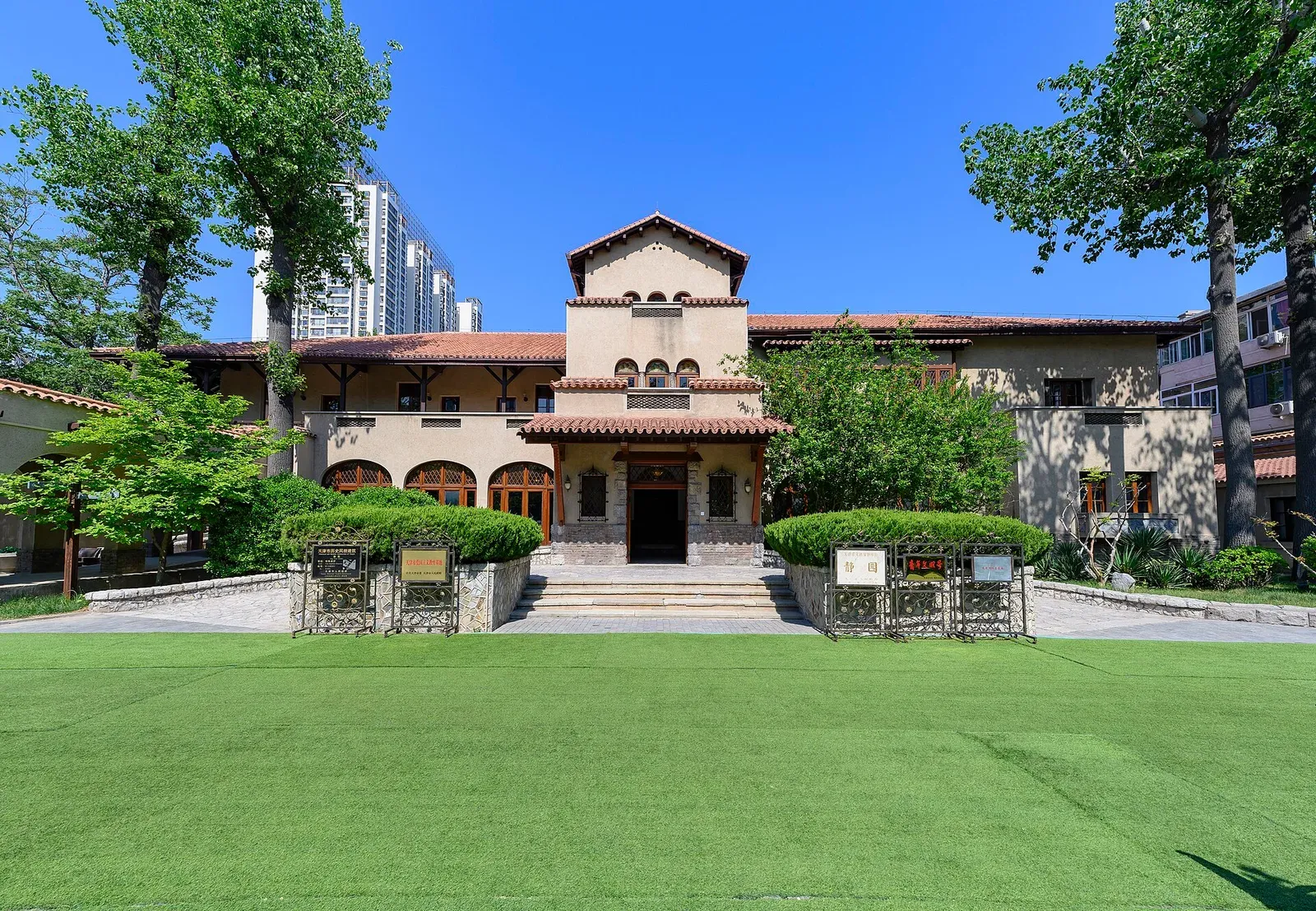
Zhang Garden at 59 Anshan Road was built in 1915. In February 1925, Puyi moved into its main building, Pingyuan Hall, taking the bedroom where Sun Yat-sen and his wife had once stayed. Today it is a national 3A-level scenic area and a major historical site protected at the national level. In 1929, Puyi moved to 70 Anshan Road, an estate formerly known as Qianyuan, renaming it Jingyuan (Garden of Serenity) to signify waiting quietly for political tides to turn.
Jingyuan covers around 3,360 square meters, centered on a two-story Spanish-style brick-and-wood villa with 79 rooms. The second floor housed the bedrooms of Puyi and Wanrong, while Wenxiu's bedroom sat on the second floor of the west wing. The grounds also feature a dragon-shaped fountain and a tennis court. Walking through the courtyards reveals vivid glimpses of concession life blending Chinese and Western styles.
Tip: Zhang Garden and Jingyuan sit close to each other on opposite sides of Anshan Road, making an easy walk between the two historic residences.
Changchun Puppet Palace: What Architectural Details Remain from the Puppet Regime?
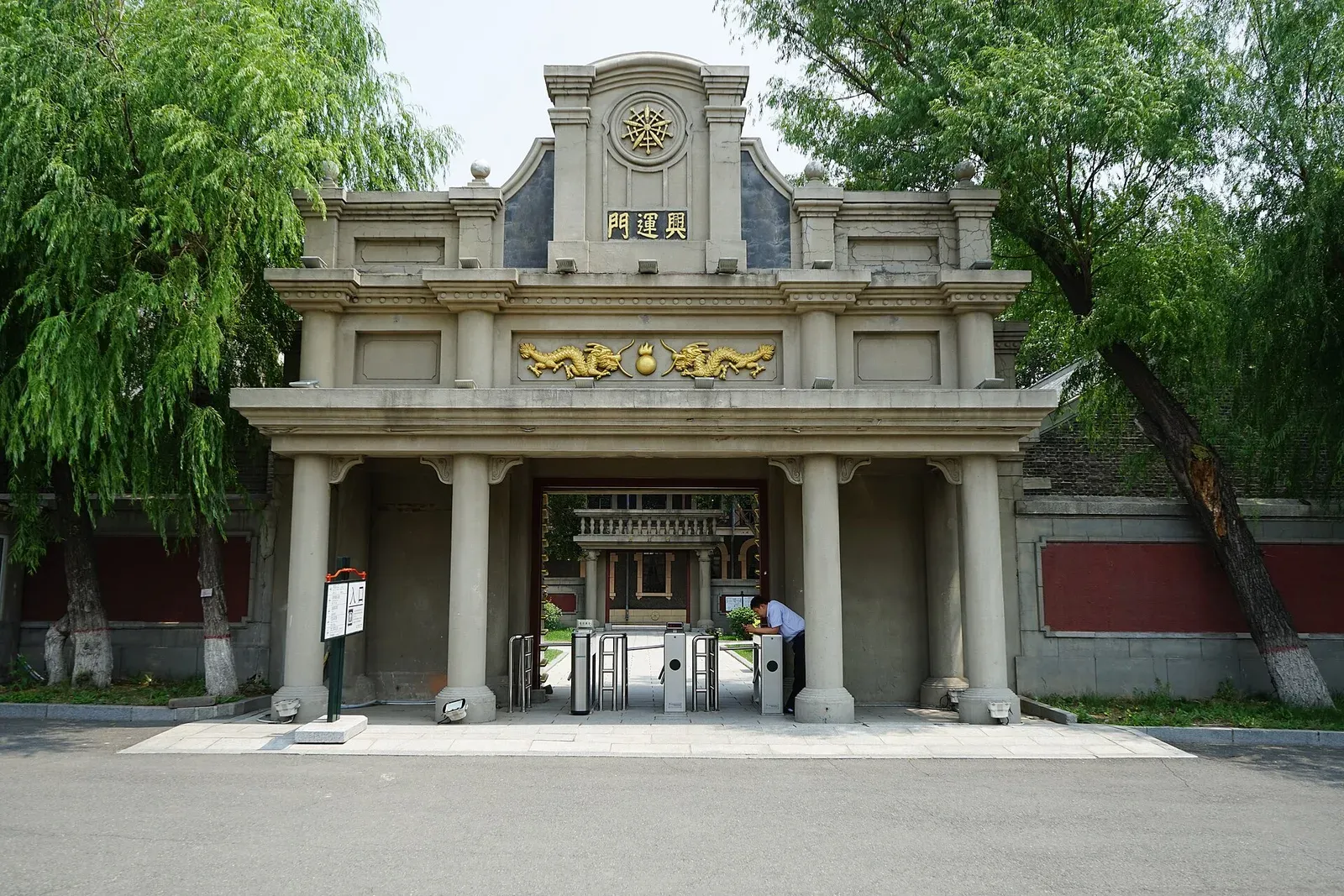
The Museum of the Imperial Palace of the Manchu State at 5 Guangfu North Road in Kuancheng District served as the palace during Puyi's reign as puppet ruler of Manchukuo from 1932 to 1945. The complex is divided into outer administrative courts and inner residential quarters. You can reach the site by taking Changchun Rail Transit Line 3 or Line 4 to Puppet Imperial Palace Station.
Built in 1934, the Gate of Auspicious Fortune (Xingyunmen) features a round clock embedded in its lintel with hands frozen at 9:10, marking the moment on the night of August 11, 1945, when Puyi fled the palace. In the residential inner court, Jixi Building was originally a salt transport office. Its eastern half across two floors served as Empress Wanrong's quarters, while the second floor on the west held Puyi's bedroom and study, with Tan Yuling occupying the first floor below. Tongde Hall features yellow glazed tiles and air conditioning, yet Puyi never stayed there because he suspected Japanese agents had installed listening devices, and it later became the residence of Noble Consort Fu, Li Yuqin.
Pardon, Citizen Life, and Tomb: Where Did the Last Emperor of China Spend His Later Years?
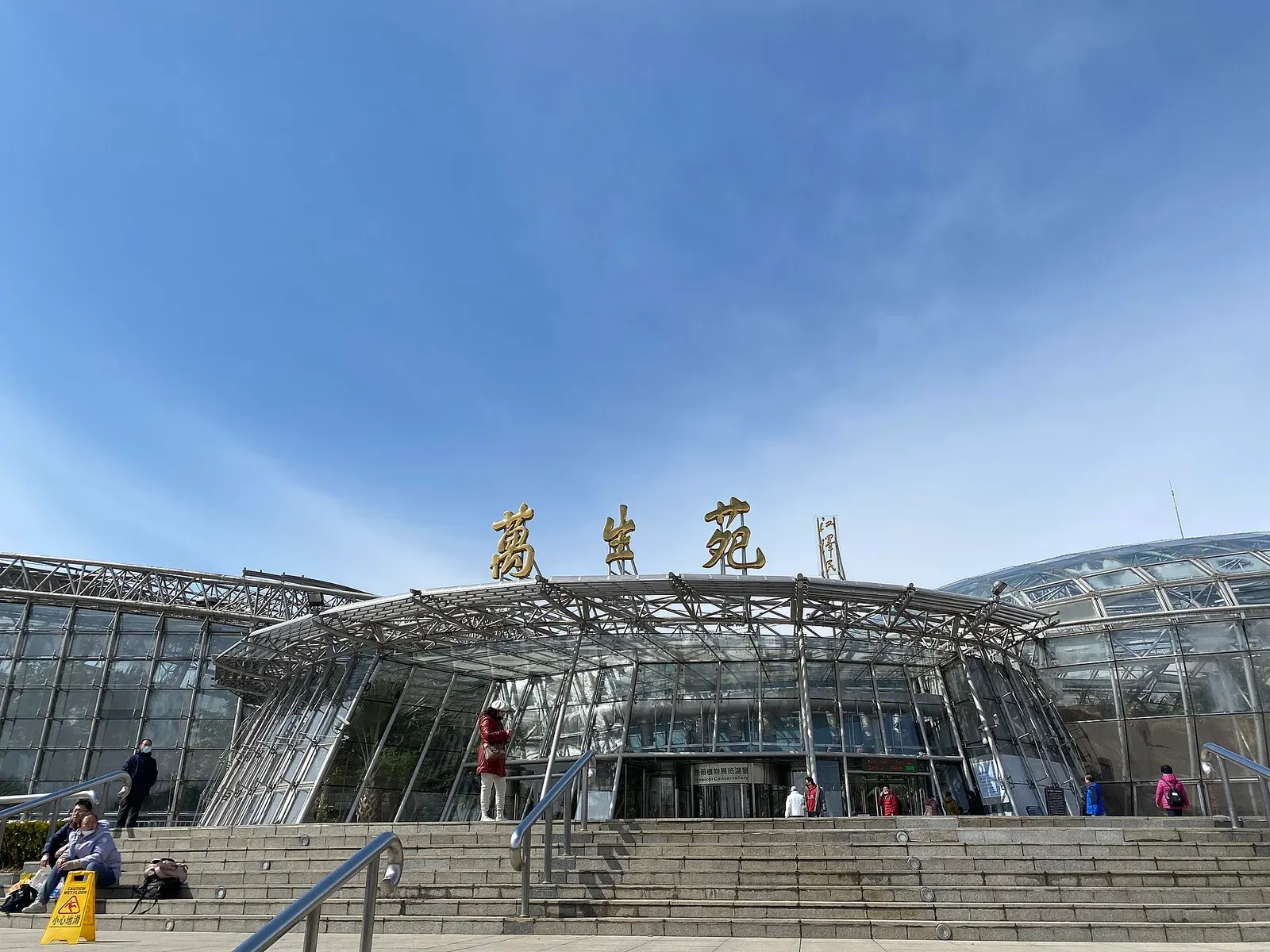
In December 1959, Puyi received a special pardon and returned to Beijing. In March 1960, he was assigned to the Beijing Botanical Garden of the Chinese Academy of Sciences as a plant tender and ticket collector, and in 1964 he became a member of the National Committee of the Chinese People's Political Consultative Conference. The gardens are now part of China National Botanical Garden near Xiangshan in Haidian District, accessible directly by taking the Xijiao Line tram to National Botanical Garden Station.
Regarding his final resting place, Puyi's ashes were buried on January 26, 1995, at the Puyi Tomb inside Hualong Imperial Cemetery next to Chongling in the Western Qing Tombs, close to the burial site planned for him in the late Qing dynasty. His tomb was not built at the Eastern Qing Tombs, but was laid to rest beside Emperor Guangxu's Chongling.
How to Travel Between Puyi's Historic Sites in Beijing, Tianjin, and Changchun?
To connect the historic sites linked to the last emperor of China across Beijing, Tianjin, and Changchun, high-speed rail is the most efficient choice. The Beijing-Tianjin Intercity Railway spans 116.9 kilometers with a top operating speed of 350 km/h, linking Beijing South Station and Tianjin Station in as little as 30 minutes. After exploring the Forbidden City and Prince Chun Mansion in Beijing, an intercity train brings you quickly to Tianjin's Anshan Road historic area.
First-class seats on Chinese high-speed trains usually cost about 1.6 times the price of second class, while business class costs around 3.5 times as much. For example, on the Beijing-Shanghai High-Speed Railway, second-class tickets cost about 553 to 673 RMB, and first-class tickets cost about 969 to 1,076 RMB. You can select your seat based on trip duration and comfort preferences. To visit the puppet palace museum in Changchun, take a high-speed train directly to Changchun, then transfer to the local rail transit system to reach the site.
| Itinerary Leg | Recommended Sites | Visit Route and Focus | Transit Connection |
|---|---|---|---|
| Beijing Leg | Palace Museum (Hall of Supreme Harmony, Palace of Heavenly Purity, Yuqing Gong) and Jingshan Park | Enter via Meridian Gate and exit via Gate of Divine Prowess, directly facing Jingshan Park south gate | Line 1 Tian'anmen East Station |
| Beijing Leg | Prince Chun Mansion (Former Residence of Soong Ching Ling) on Houhai North Bank and China National Botanical Garden | Visit Puyi's birthplace at Houhai and his former workplace at the botanical gardens | Xijiao Line National Botanical Garden Station |
| Tianjin Leg | Tianjin Zhang Garden (Pingyuan Hall) and Jingyuan (residence of Puyi and Wanrong) | Stroll along Anshan Road to tour Pingyuan Hall and Jingyuan's Spanish-style main villa | Take Beijing-Tianjin intercity train from Beijing South Station to Tianjin Station |
| Changchun Leg | Museum of the Imperial Palace of the Manchu State (Xingyunmen, Jixi Building, Tongde Hall) | Tour both the outer administrative courts and the inner residential quarters | Transfer to Changchun Rail Transit Line 3 or Line 4 to Puppet Imperial Palace Station |
Sources
Beijing Life on the Subway
The Palace Museum
Visiting Regulations - The Palace Museum
Visitor Guide - The Palace Museum
Prince Chun Mansion - Wikipedia
Puyi - Wikipedia
Puyi - Wikipedia
The Last Emperor - Wikipedia
Zhang Garden, Tianjin - Wikipedia
Jingyuan - Wikipedia
Beijing-Tianjin Intercity Railway - Wikipedia
Museum of the Imperial Palace of the Manchu State - Wikipedia
China National Botanical Garden - Wikipedia
All sources verified on November 17, 2026.
FAQ
Was the movie The Last Emperor filmed inside the actual Forbidden City?
Bernardo Bertolucci's biographical film The Last Emperor received official approval from the Chinese government to shoot on location in the Forbidden City, making it the first Western feature film granted permission to film there. The first 90 minutes and the ending of the film were shot directly on the palace grounds.
How far apart are Zhang Garden and Jingyuan in Tianjin?
Zhang Garden sits at 59 Anshan Road and Jingyuan at 70 Anshan Road. Both historic sites stand on the same neighborhood street very close to each other, making them convenient to explore together on foot in a single half-day outing.
Why did Puyi never live in Tongde Hall at the puppet imperial palace in Changchun?
Although Tongde Hall featured yellow glazed tiles and air conditioning, Puyi suspected Japanese agents had installed listening devices inside, so he never lived there during his lifetime. The building was later used as the living quarters for Noble Consort Fu, Li Yuqin.
What job did Puyi do in Beijing after his pardon?
After receiving a special pardon and returning to Beijing in December 1959, Puyi was assigned in March 1960 to work as a plant tender and ticket collector at the Beijing Botanical Garden of the Chinese Academy of Sciences (now integrated into China National Botanical Garden). He later became a member of the National Committee of the Chinese People's Political Consultative Conference in 1964.
Was the last emperor of China buried in the Eastern Qing Tombs or the Western Qing Tombs?
Puyi was not buried in the Eastern Qing Tombs. On January 26, 1995, his ashes were interred at the Puyi Tomb in Hualong Imperial Cemetery, adjacent to Chongling in the Western Qing Tombs in Yixian, Hebei, right next to the imperial burial site planned for him in the late Qing dynasty.