
Hangzhou Weather: Best Months, Seasons, and What to Wear
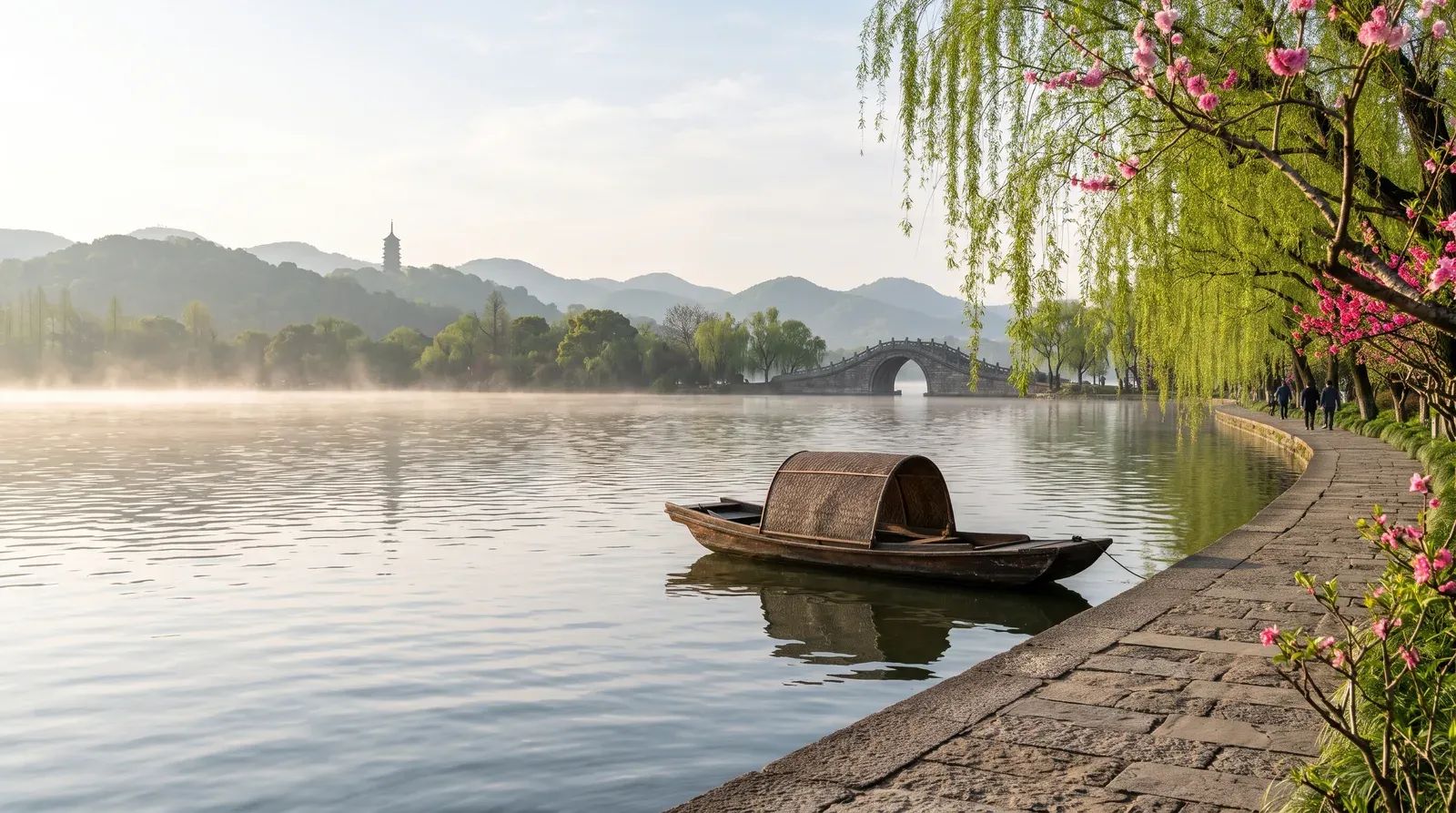
According to local meteorological records, the most suitable periods for Hangzhou weather are late March to May and mid-October to December, and the city has an annual average temperature of 17.0℃. The first period features spring blooms and the tea-picking season, while the second brings autumn colors and sweet osmanthus. June is affected by the plum rains, bringing the most rainfall.
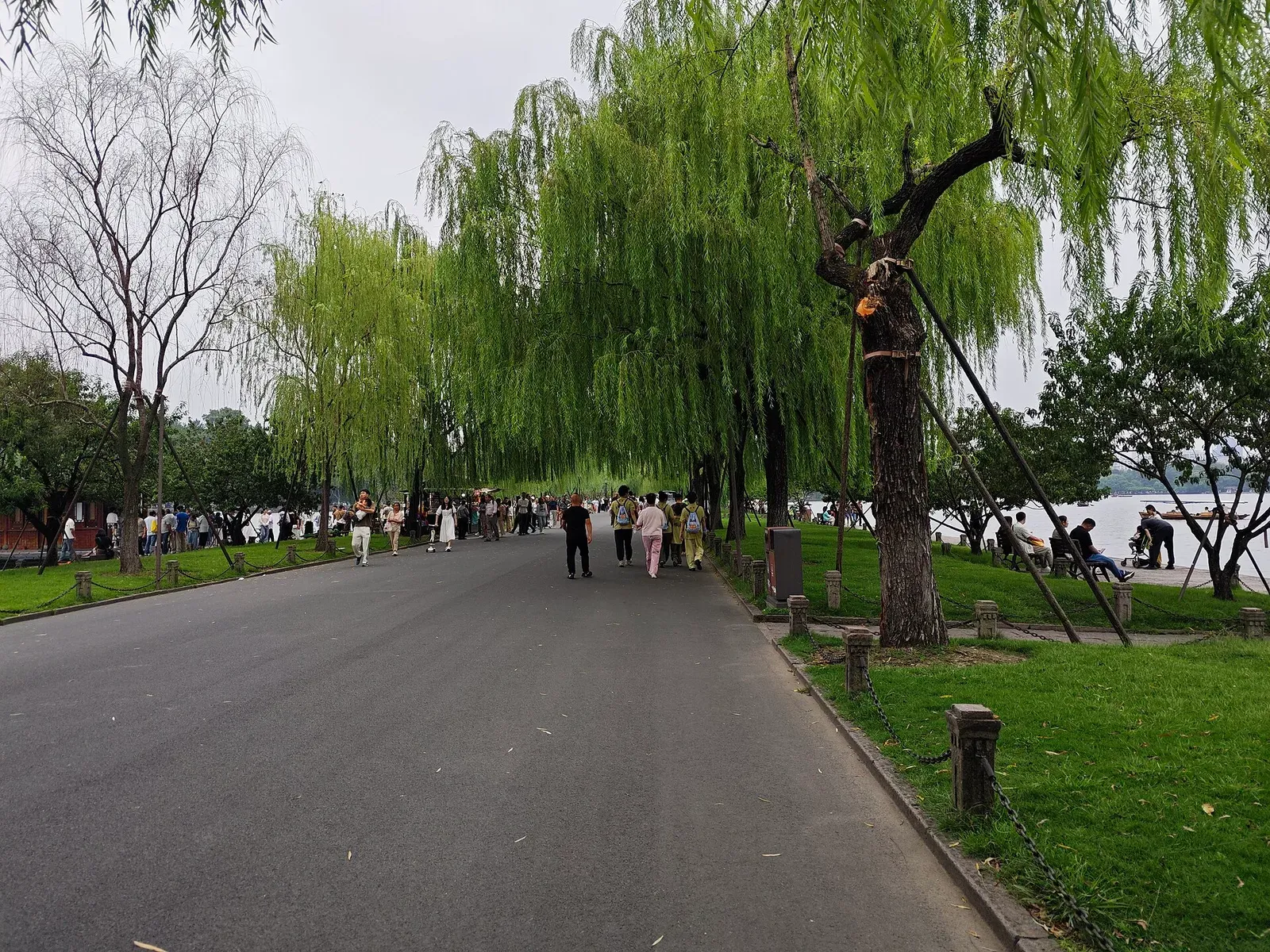
Which Months Have the Hottest and Coldest Hangzhou Weather?
The hottest month is July, with a monthly average temperature of 29.3℃, while the coldest is January, with a monthly average of 5℃. Hangzhou has a humid subtropical climate (Köppen Cfa) with four distinct seasons, where monthly average temperatures shift from 5℃ in January to 29.3℃ in July.
Based on monthly averages, daytime highs in July and August are both 33℃, with nighttime lows of 25℃. January sees daytime highs of 10℃ and lows of 3℃, while December records 11℃ and 5℃. According to records kept since 1951, extreme temperatures in Hangzhou were minus 9.6℃ on February 6, 1969, and 41.9℃ on August 3, 2024.
Late March to May: What Should You Know for Spring in Hangzhou?
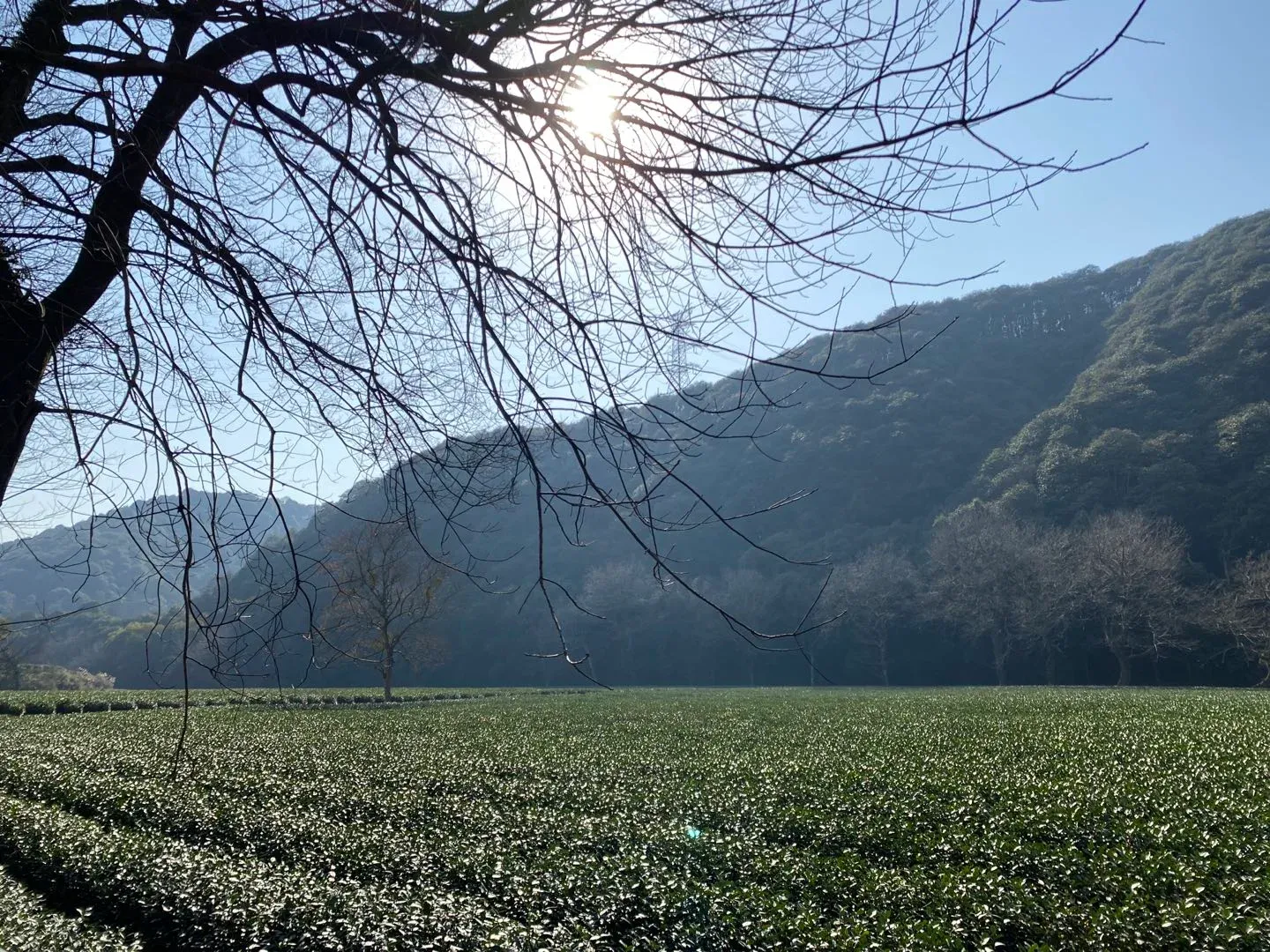
The prime harvesting window for West Lake Longjing tea runs from late March to April, when local temperatures generally stay between 10℃ and 20℃. Mingqian Longjing must be made from the first spring tea shoots plucked before Qingming, which falls around April 5 each year.
Daytime highs reach 17℃ in March with nights at 8℃, followed by 22℃ and 13℃ in April, and 27℃ and 18℃ in May. Hangzhou meteorological records note that spring warming begins around Jingzhe (Awakening of Insects), but cold air remains frequent and temperatures shift quickly, so you should keep a jacket on hand.
June to August: How to Handle the Plum Rains and Summer Heat?
The plum rains in Hangzhou typically run from mid-June to mid-July, though the duration and precipitation vary considerably from year to year. According to records from the Hangzhou airport weather station from 1992 to 2021, June averages 10.48 inches of precipitation, making it the wettest month of the year.
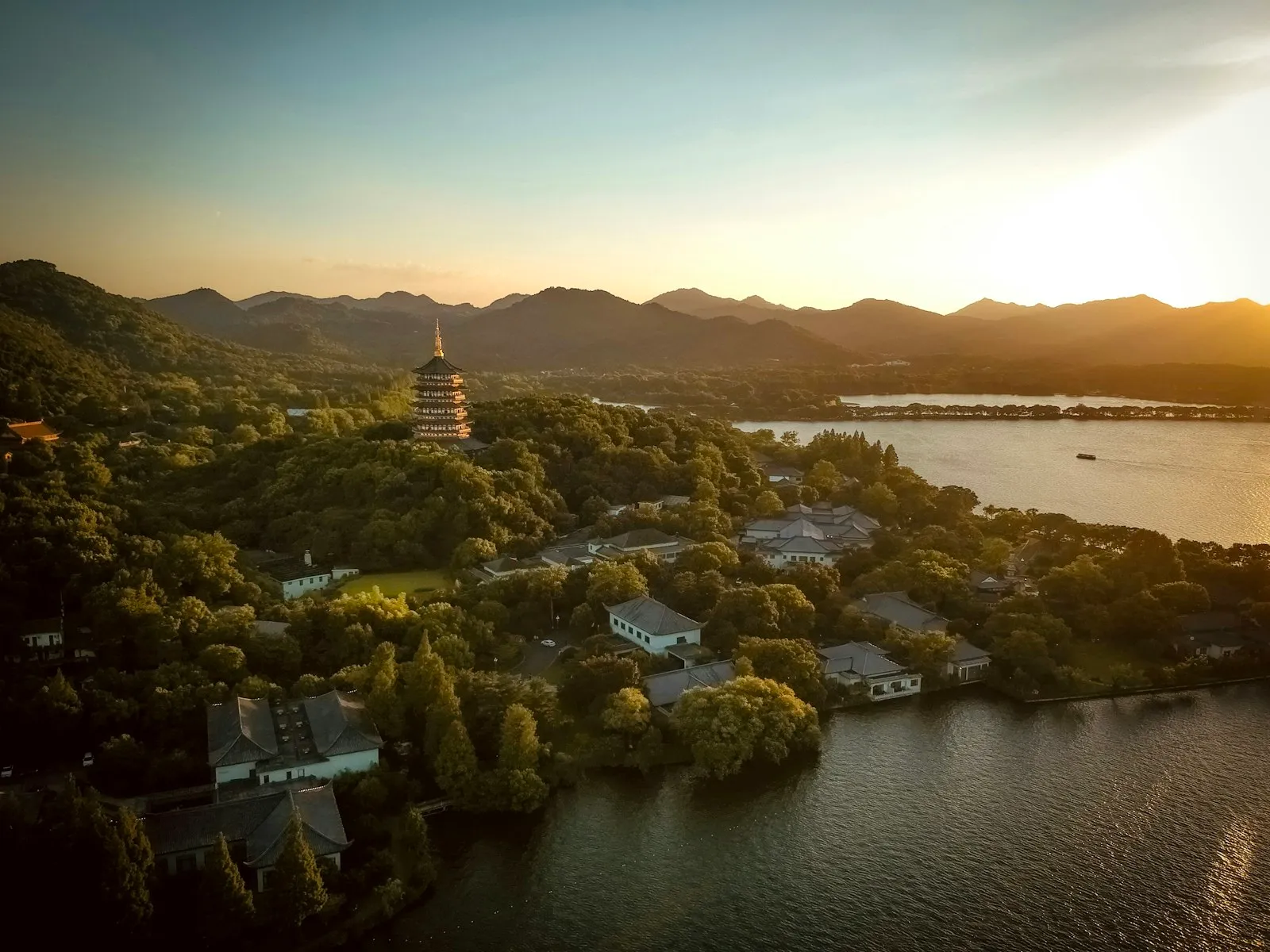
Two recorded figures for Hangzhou's annual average precipitation are 1,438 mm and 1,483.3 mm. The city averages 146.9 rainy days per year, meaning about 40% of days see precipitation, concentrated mainly during the flood season from May to September.
Daytime highs in July and August reach 33℃, with nighttime lows around 25℃. The downtown area averages 33 high-temperature days (≥35℃) each year. In the summer of 2022, the city experienced 35 consecutive high-temperature days and 59 such days across the year, reaching an extreme high of 41.8℃.
Typhoons and tropical storms affect the area from August to September, though typhoons rarely make direct landfall in Hangzhou. If you visit during these two months, leave flexibility for flights and outdoor plans.
Which Autumn Months Are Most Comfortable in Hangzhou?
Autumn brings the least precipitation to Hangzhou, with clear, crisp skies. Mid-October to December is one of the most comfortable travel periods of the year. Daytime highs reach 28℃ in September with nights at 21℃, followed by 23℃ and 16℃ in October, and 18℃ and 11℃ in November, as the gap between day and night temperatures widens.
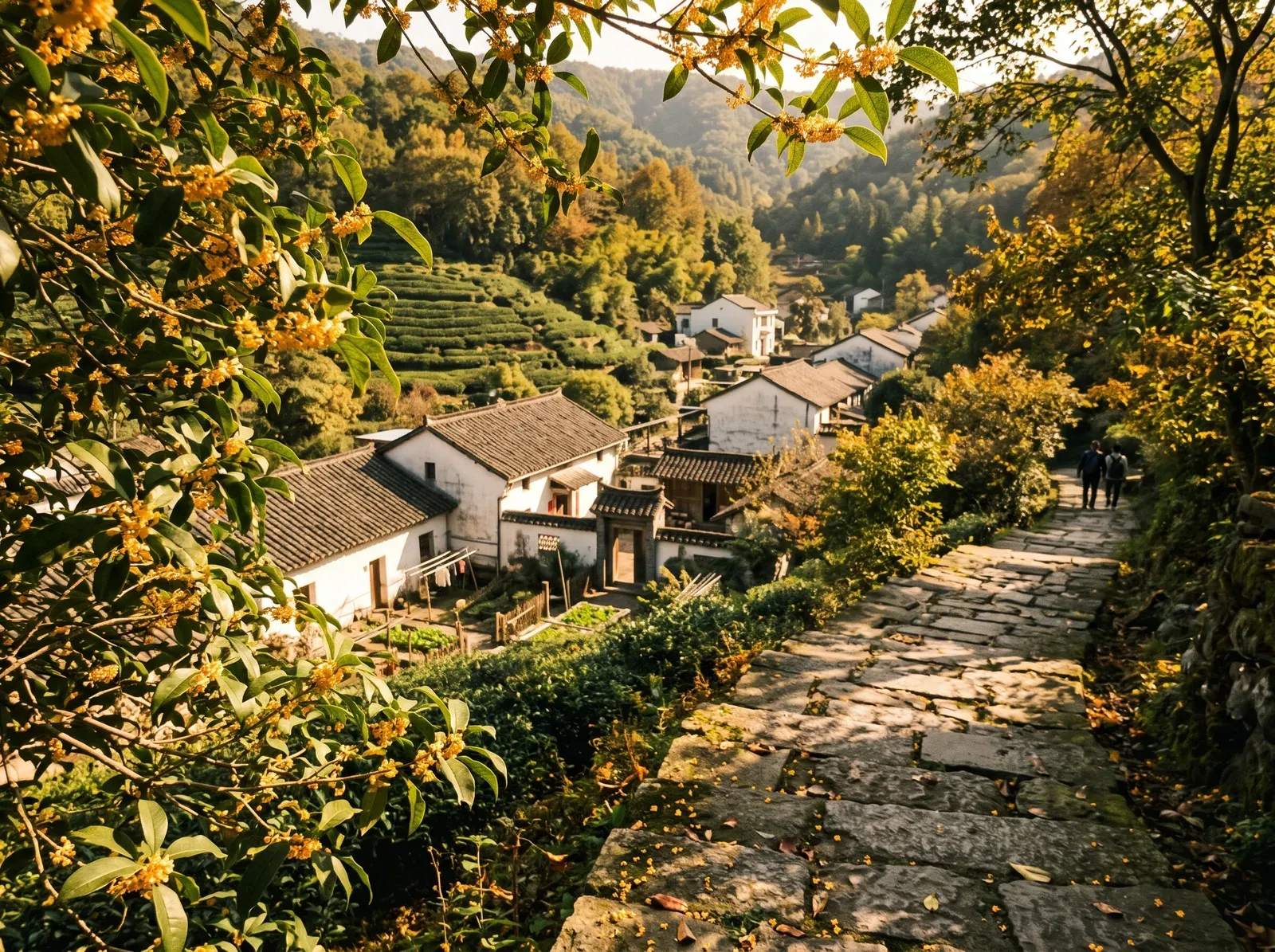
Sweet osmanthus takes center stage during this period. Over 7,000 osmanthus trees grow in the valleys of Manjuelong Village, including gold, silver, red, and four-season varieties. Manjuelong hosts the West Lake Golden Autumn Osmanthus Festival every September and October, with blossoms peaking around the Mid-Autumn Festival each fall. Sweet osmanthus was chosen as Hangzhou's city flower in the 1980s.
The Qiantang River tidal bore occurs annually from the 15th to the 18th day of the eighth lunar month, with tidal waves reaching up to 12 meters high. The optimal viewing period is usually around the 15th day of the eighth lunar month.
West Lake was the first major national-level scenic area in China to open without admission fees. Walking along the lakeside paths, Broken Bridge, Bai Causeway, and Su Causeway is free, though taking a boat to Three Pools Mirroring the Moon on the island requires a separate ticket. During the seven-day National Day holiday in 2024, the West Lake scenic area received 4.426 million visitor trips, a year-on-year increase of 30.92%.
December to February: What to See During Winter in Hangzhou?
Winter in Hangzhou is mostly clear and cold, occasionally interrupted by cold snaps. January sees daytime highs of 10℃ and lows of 3℃, while February sees 11℃ and 4℃. A heavy coat or down jacket, along with a scarf and gloves, will come in handy.
The average date of the first snowfall in Hangzhou is December 27, with an average of 9.4 snow days per year. The historical record for snow depth is 31 cm during the 2008 winter storms, though snowfall has trended downward over the years. Melting Snow on Broken Bridge is one of the Ten Scenes of West Lake, but catching it depends on the winter's actual snowfall.
Starting December 1, 2025, Lingyin Feilaifeng Scenic Area offers free admission across the entire scenic zone, covering Lingyin Temple, Yongfu Temple, and Taoguang Temple. Entry requires real-name timed-entry reservations. Booking opens daily at 8:00, allowing visitors to book up to 7 days in advance for either the morning slot (7:30 to 12:00) or afternoon slot (12:00 to 17:00). A confirmed reservation for Feilaifeng covers Lingyin Temple without a separate booking.
What Are the Monthly Average Temperatures in Hangzhou?
The table below shows the long-term monthly average daytime highs and nighttime lows for all 12 months in Hangzhou. Check real-time forecasts before your trip.
| Month | Average Daytime High | Average Nighttime Low | Notes |
|---|---|---|---|
| January | 10℃ | 3℃ | Lowest monthly average temperature of the year |
| February | 11℃ | 4℃ | Record low of minus 9.6℃ occurred on February 6, 1969 |
| March | 17℃ | 8℃ | Spring warming begins around Jingzhe |
| April | 22℃ | 13℃ | Within the West Lake Longjing tea picking period |
| May | 27℃ | 18℃ | Part of the May to September flood season |
| June | 29℃ | 21℃ | Plum rains, wettest month of the year |
| July | 33℃ | 25℃ | Highest monthly average temperature of the year |
| August | 33℃ | 25℃ | Typhoon influence period |
| September | 28℃ | 21℃ | Typhoon influence period |
| October | 23℃ | 16℃ | West Lake Golden Autumn Osmanthus Festival in September and October |
| November | 18℃ | 11℃ | Least precipitation of the year |
| December | 11℃ | 5℃ | Average first snowfall on December 27 |
When Do Hangzhou's Key Seasonal Highlights Occur?
Here are the seasonal periods and key figures grouped together to help you plan your itinerary by month.
| Period | Timing | Notes |
|---|---|---|
| Prime picking period for West Lake Longjing | Late March to April | Temperatures during the harvest generally stay between 10℃ and 20℃ |
| Plum rains | Mid-June to mid-July on average | Duration and rainfall vary significantly from year to year |
| Wettest month of the year | June | Average precipitation of 10.48 inches recorded at Hangzhou airport station from 1992 to 2021 |
| Typhoon influence | August to September | Typhoons rarely make direct landfall in Hangzhou |
| Sweet osmanthus | Osmanthus festival held every September and October | Blossoms peak around the Mid-Autumn Festival in fall |
| Qiantang River tidal bore | 15th to 18th day of the eighth lunar month | Tidal bore waves can reach up to 12 meters high |
| Average first snowfall date | December 27 | Average of 9.4 snow days per year |
What Should You Wear in Hangzhou?
In July and August, when daytime highs reach 33℃, wear short sleeves and breathable fabrics, and bring a sun hat and sunscreen. In May, June, and September, with highs between 27℃ and 29℃, short sleeves paired with a light layer work well, and you should keep rain gear with you.
During March, April, October, and November, when highs range from 17℃ to 23℃, long sleeves with a light jacket or trench coat work well, with an extra layer for mornings and evenings. In December, January, and February, with highs of 10℃ to 11℃, bring a heavy coat or down jacket along with waterproof, slip-resistant shoes.
Exceptions and Context
There are two cited figures for the annual average temperature: 17.0℃ and 17.5℃. The latter comes from a separate dataset noting that temperatures have stayed above 17℃ since the start of the 21st century, showing a warming trend. Both figures are listed here without conversions.
Monthly average temperatures are multi-year averages. The duration and rainfall of the plum rains, typhoon paths, and the number of high-temperature days vary widely each year and should serve only as general reference. The tidal bore dates follow the lunar calendar and change on the Gregorian calendar each year, so verify the date of the 15th day of the eighth lunar month before departing.
Ticketing policies at attractions can also change. Lingyin Feilaifeng offers free admission starting December 1, 2025, but real-name timed-entry reservations are required, so confirm again before you set out.
Our 7-day private itinerary covering Shanghai, Suzhou, Hangzhou, and Wuzhen includes time in Hangzhou, and the travel dates can be timed around the two most favorable periods described above.
Sources
West Lake - Wikipedia
Hangzhou Travel Guide: West Lake, Lingyin Temple and Xixi
Ten Scenes of West Lake - Wikipedia
Hangzhou Lingyin Temple Opens for Free - People's Daily Overseas Edition
Lingyin Feilaifeng Reservation Channel Is Live - Hangzhou.com.cn
Hangzhou - Wikipedia
Hangzhou City - Wikipedia
Longjing tea - Wikipedia
Sweet Osmanthus Rain at Manjuelong - Wikipedia
Qiantang River - Wikipedia
Sources verified on November 17, 2026
FAQ
Is December a good month to visit Hangzhou?
According to Hangzhou meteorological records, mid-October to December is one of the most favorable times of year to visit. December sees average daytime highs of 11℃ and nighttime lows of 5℃, with relatively low precipitation compared to other months.
How many days above 35℃ does Hangzhou experience in summer?
The downtown area averages 33 high-temperature days (≥35℃) per year. In the summer of 2022, the city experienced 35 consecutive high-temperature days and 59 such days across the entire year.
Do you need an umbrella when traveling to Hangzhou?
Hangzhou averages 146.9 rainy days per year, with rain on about 40% of days. The flood season runs from May to September, so carrying rain gear is useful year-round.
When does the plum rain season usually occur in Hangzhou?
It typically runs from mid-June to mid-July. June is the rainiest month of the year, though the exact duration and rainfall vary each year.
Can you see both the osmanthus blooms and the Qiantang River tidal bore in autumn?
The osmanthus festival takes place in September and October, while the Qiantang River tidal bore occurs between the 15th and 18th days of the eighth lunar month. The timing often overlaps, but because the tidal bore follows the lunar calendar, you should check the corresponding Gregorian dates for that year.