
Dongzhi Festival Customs: What Chinese People Do and Eat
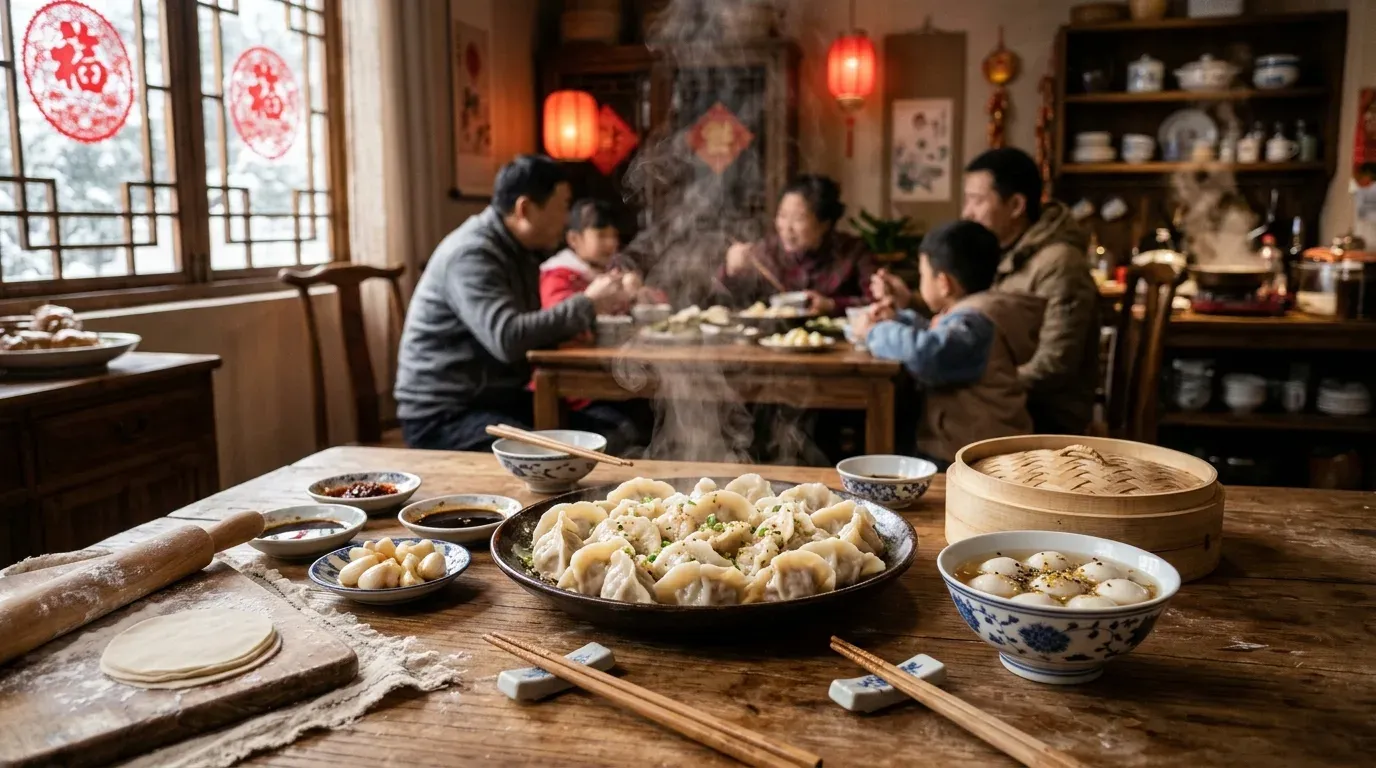
The Dongzhi Festival, or Winter Solstice, is the 22nd solar term in the traditional Chinese calendar, usually falling between Dec 21 and Dec 23. In the north, people traditionally eat boiled dumplings and wontons, while families in the south enjoy tangyuan, steamed sticky rice with cured meats, or sweet osmanthus winter wine. Across China, traditions also include counting the nine nines of winter and honoring elders. The quick reference table below outlines the astronomical background, cultural status, and regional customs of the festival.
| Aspect | Customs and Daily Arrangements |
|---|---|
| Date | Usually falls between Dec 21 and Dec 23 on the Gregorian calendar |
| Astronomical traits | The sun reaches 270 degrees celestial longitude directly over the Tropic of Capricorn, bringing the shortest day and longest noon shadow in the Northern Hemisphere |
| Calendar and status | A major traditional festival second only to the New Year, historically called Ya Sui, giving rise to sayings like "Dongzhi is as big as the New Year" and "fat Dongzhi, lean New Year" |
| Northern core foods | Boiled dumplings (symbolizing ears), wontons (dispelling yin and releasing yang), and red bean porridge in Shaanxi and nearby areas |
| Southern core foods | Red and white tangyuan, Suzhou osmanthus winter wine, Guangzhou cured meat sticky rice, Nanjing hot chicken soup, and nourishing tonics in Fujian and Taiwan |
| Holidays and opening hours | A public holiday for all residents in Macau SAR; no public holiday in mainland China or Taiwan, where malls and scenic attractions operate normally |
Why Did Ancient China View the Dongzhi Festival as Big as the New Year?
In ancient China, the winter solstice was a grand festival second only to the New Year, giving rise to sayings such as "Dongzhi is as big as the New Year," "fat Dongzhi, lean New Year," and Ya Sui (secondary new year). These sayings arose because the solstice arrived just as autumn grain filled the granaries, pigs were fattened for slaughter, and newly brewed winter wine was ready, making meals and rituals even more lavish than the Spring Festival. In 2016, UNESCO inscribed the "Twenty-Four Solar Terms, knowledge in China of time and practices developed through observation of the sun's annual motion" onto the Representative List of the Intangible Cultural Heritage of Humanity, with the winter sacrifice in Sanmen, Zhejiang included on its extended list.
In government institutions, dynasties from the Han onward designated the winter solstice as an official holiday, pausing government administration and official duties. During the Ming and Qing dynasties, emperors traveled to the Circular Mound Altar at the Temple of Heaven in southern Beijing on the solstice to hold grand state ceremonies praying to heaven and for grain. In the Song dynasty capital of Kaifeng, the entire city celebrated the day; even the poorest families borrowed money to buy new clothes and prepare food for ancestral rites. Officials also permitted guanpu, a legal street gambling game, turning the whole city into a scene as festive as the New Year.
Traditional phenology divides the solstice into three five-day periods: first, earthworms knot, curling up like ropes under extreme cold; second, deer shed antlers, as yin-associated elaphures sense the first stirrings of yang energy; third, springs stir, as underground mountain water begins to flow. Farming communities also passed down weather sayings: a clear winter solstice often meant a rainy, muddy Spring Festival, while a wet, slushy solstice pointed toward clear, sunny weather for the New Year.
Counting the Nine Nines and Honoring Elders: What Are the Key Traditions?
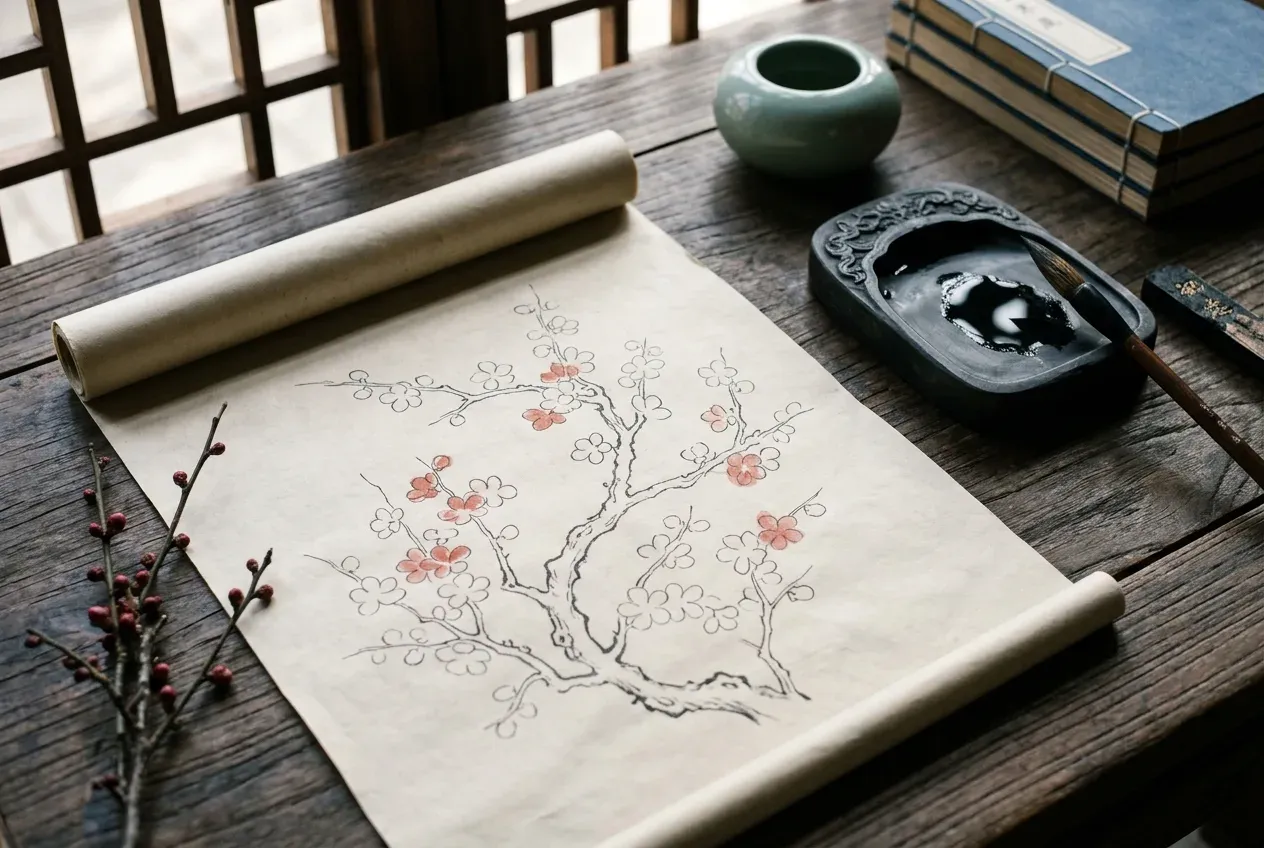
The solstice marks the first day of counting the cold season, known as jiaojiu, when people begin tracking temperatures and waiting for spring. Tradition divides the season into nine-day intervals, and once all eighty-one days across nine cycles are complete, deep winter has passed. Generations in northern China sang the nine-nines folk rhyme: hands stay tucked in during the first and second nines, people walk on ice during the third and fourth, while the fifth and sixth bring willows budding by the river. People also made charts to pass the cold days, using three main styles: writing characters, coloring plum blossoms, or shading circular dials.
In the writing method, nine characters with nine strokes each, such as "willows before the pavilion await the spring breeze", are outlined, with one stroke colored daily according to the weather: red for clear skies, blue for overcast, green for rain, yellow for wind, and white for snow. The painting method depicts a plum branch with nine flowers totaling eighty-one petals, coloring one petal each day. The circular dial version follows a rhyme to record conditions: top shaded for cloudy, bottom for clear, left for wind, right for rain, and the center for snow. In ancient times, the solstice was also called Lüchang Jie, the festival of lengthening treads; during the Han, Wei, Jin, and Tang dynasties, younger generations and scholars presented new shoes and socks to elders and teachers to welcome good fortune and wish them health and harmony.
After household rites, young children stuck glutinous rice balls onto doors, windows, tables, cabinets, water wells, and livestock pens in a custom called xianghao, rewarding the spirits guarding the home and praying for new family members. In rural southern Guangdong, an old custom involved feeding sticky rice cakes and distiller's grains to draft oxen to reward their hard work in the fields and pray for a bountiful harvest. In Fujian and Taiwan, families shaped raw glutinous rice dough into cattle, pigs, chickens, fish, dogs, and cats, then colored and steamed them for solstice sacrifices; known as jimu gouzai, they symbolized thriving livestock. In southern Fujian and Puxian, visiting family graves around the solstice is called guodongzhi to honor eternal bonds with ancestors, while clans in Kinmen hold formal three-offering ceremonies and clan banquets known as shitou.
| Ritual | Practice | Traditional Meaning and Beliefs |
|---|---|---|
| Counting the nine nines | Making nine-nines cold-dispelling charts (writing characters, painting plum blossoms, or shading circles) and singing cold-dispelling rhymes | Tracking weather changes and passing the time until spring |
| Presenting shoes and socks | Younger generations and scholars present new shoes and socks to elders and teachers (also called Lüchang Festival) | Welcoming good fortune, wishing for longevity, and promoting peace and harmony |
| Rewarding household spirits | Children stick glutinous rice balls (tangyuan) onto doors, windows, tables, cabinets, water wells, or livestock pens | Rewarding the door, window, and furniture spirits that guarded the home all year, while praying for new offspring |
| Rewarding farm oxen | Feeding draft oxen glutinous rice cakes and distillers' grains | Honoring their hard labor through the year and praying for a good harvest in the coming year |
| Shaping animal dough figurines | Kneading raw glutinous rice dough into shapes of livestock and pets such as cattle, pigs, chickens, fish, dogs, and cats, then dyeing and steaming them for winter rites | Praying for thriving livestock and bountiful grain harvests |
| Winter solstice grave sweeping and ancestral rites | Grave sweeping in southern Fujian and Puxian is called "guodongzhi"; Kinmen clans hold three-offering rites and clan head banquets | Expressing that descendants and ancestral spirits exist together |
What Do People in Northern China Eat for the Winter Solstice?
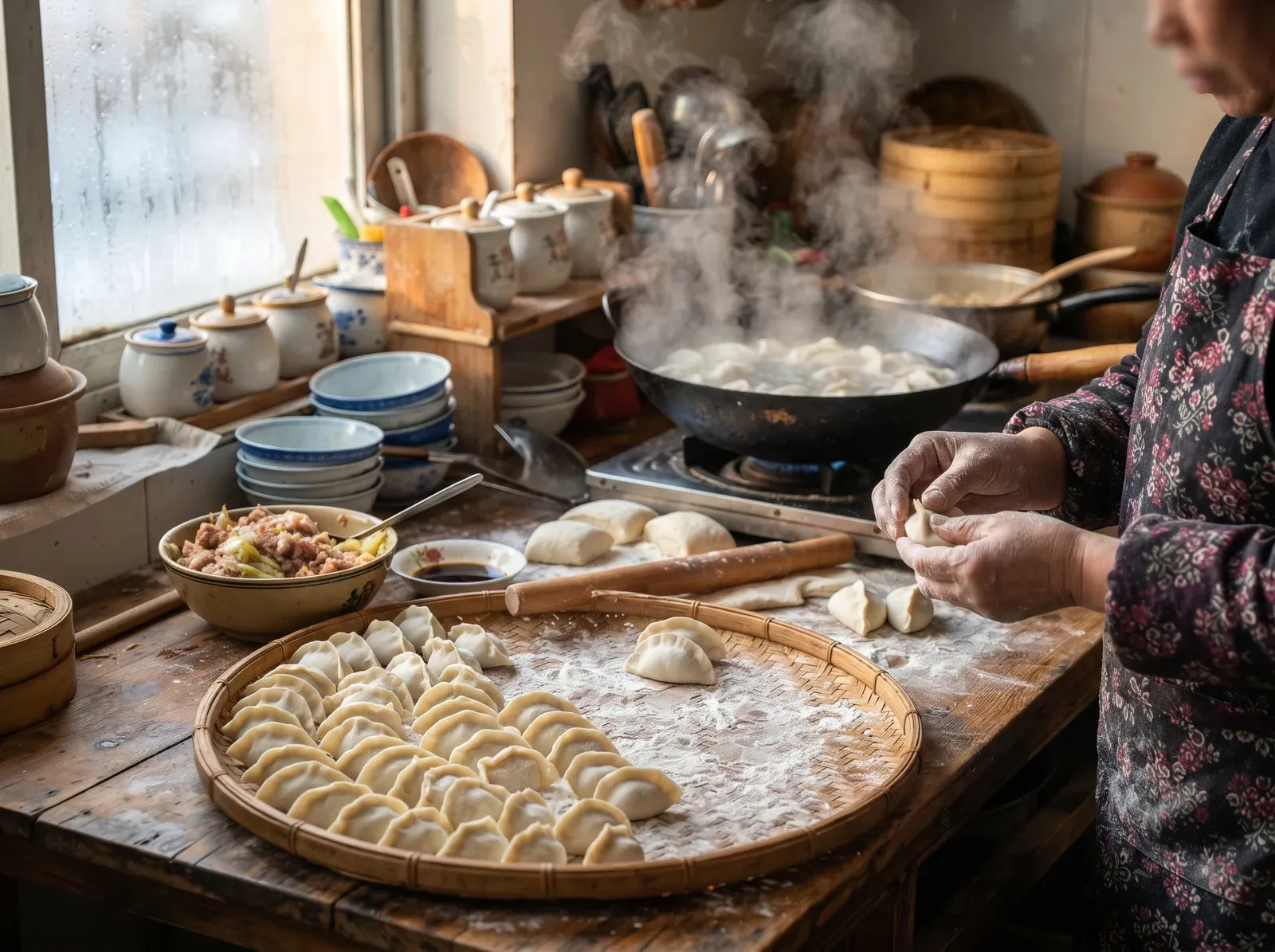
In northern China, the main foods for the solstice are boiled dumplings and wontons, with dumpling eating commonly referred to as "securing the ears." Tradition traces the custom to the Eastern Han dynasty medical sage Zhang Zhongjing, who dispensed medicine on the solstice to help locals with frostbitten ears. He wrapped mutton and medicinal herbs into ear-shaped dough parcels served in broth, which later inspired the tradition of eating dumplings to ward off winter frostbite. Parts of the north and Jiangnan also eat wontons, symbolizing breaking through dark yin to release bright yang, ushering in the transition between seasons, and dispelling primal chaos; old local records also noted that eating wontons on this day sharpens the mind.
The dumplings eaten during this time use thicker round wrappers about 7 centimeters across, folded tightly and enjoyed with dipping sauces; they are boiled by adding cold water three separate times until they float and sink through three cycles to cook through. In contrast, wonton wrappers are thinner squares or trapezoids served in rich broth. In addition, according to the Jingchu Suishiji, Shaanxi and nearby regions share a tradition of eating red bean porridge. Legend says the son of Gonggong died on the solstice and turned into an epidemic spirit, so people boiled red beans, believed to repel illness and misfortune, to ward off disease.
Tip: Northern restaurants prepare enormous quantities of dumplings on the solstice, so if you plan to visit a well-known dumpling house on the day itself, arrive early in the morning or avoid peak lunch and dinner hours.
| Dimension | Northern Boiled Dumplings | Traditional Wontons |
|---|---|---|
| Wrapper size | Thicker round wrappers about 7 cm across | Thinner square or trapezoid wrappers |
| Preparation and seasoning focus | Wrapped tightly and eaten with dipping sauces; boiled by adding cold water three times through "three floats and three sinks" | Focuses on flavorful broth and soup seasonings |
| Folk meaning | Securing ears to prevent frostbite, said to originate from Zhang Zhongjing's cold-dispelling dumpling recipe | Dispelling yin and releasing yang as original chaos parts, with ancient records noting it benefits sharp thinking |
What Do People in Southern China Eat: Tangyuan, Winter Wine, and Tonics
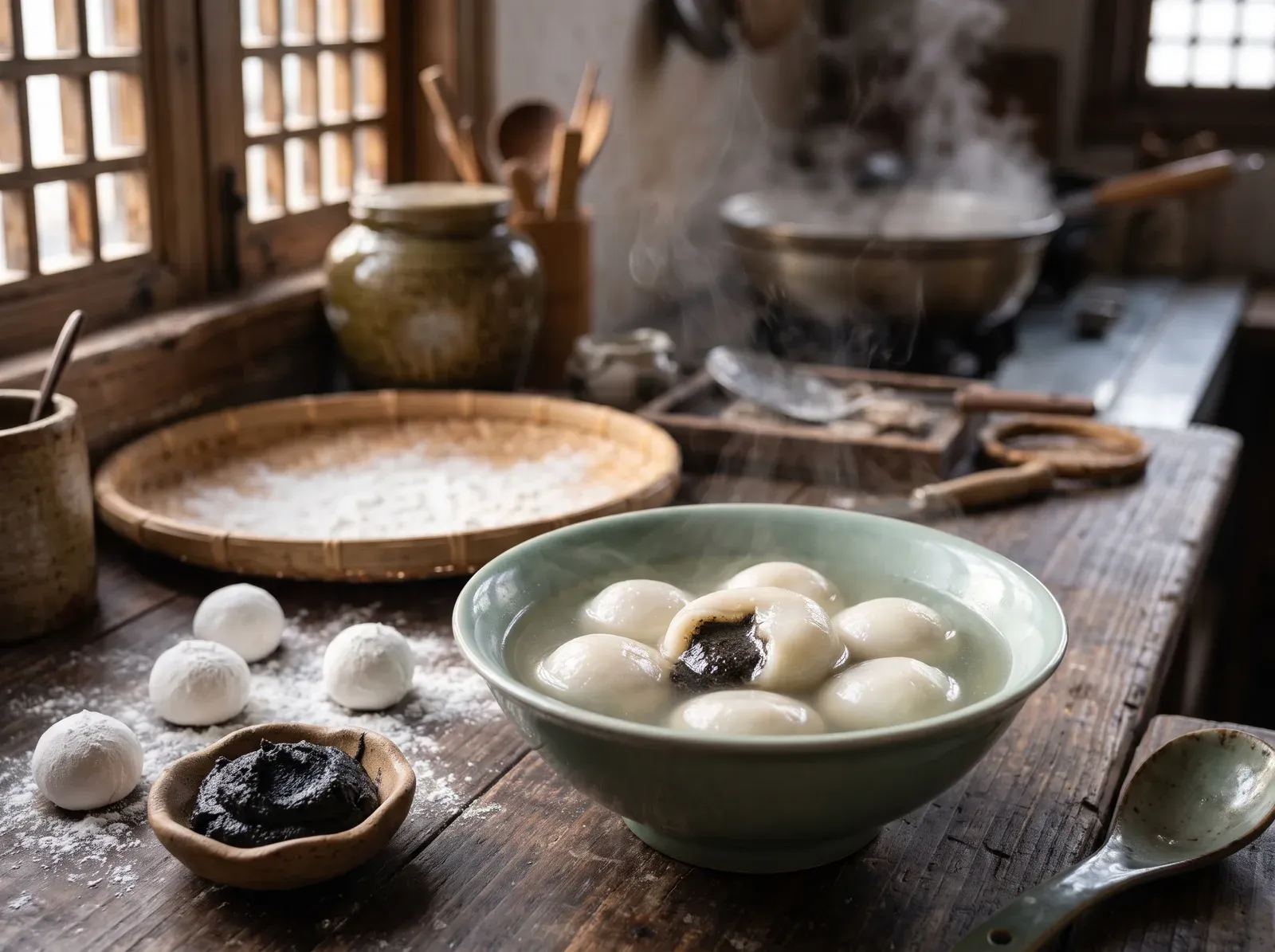
In southern China, the most widespread seasonal food is tangyuan, made from glutinous rice and also known locally as dongjieyuan or tuanyuanzi. Coastal communities often make them in red and white to symbolize the harmony of yin and yang as well as gold and silver wealth; folk belief holds that eating solstice tangyuan marks aging another year, a concept called tiansui. Among Jiangnan varieties, Ningbo tangtuan is the most famous, using water-milled glutinous rice flour from hanging-cloth straining, filled with black sesame paste mixed with lard and sugar; they are known for their glossy white sheen and tender chewiness without sticking to teeth, with Gang Ya Gou standing out as a heritage brand.
In Suzhou, families gather for a reunion dinner on the solstice, setting aside an extra bowl and chopsticks for relatives away on journeys. The table always features sweet osmanthus winter wine, brewed with sugar and osmanthus flowers and sold only in the days leading up to the holiday. Folk traditions in Jiangnan also include eating long thin wheat noodles to wish for longevity and to welcome the lengthening daylight after the solstice. A southern saying notes that eating hot tofu brings wealth, while Nanjing preserves a tradition of drinking hot chicken soup, believing it warms the body for the entire coming year.
Sayings in Fujian and Taiwan speak of nourishing the body during winter to replenish what is lacking, treating the solstice as a pivotal turning point of yin and yang. Families brew herbal tonic soups such as Shiquan or Bazhen, while popular modern dishes include rice wine chicken, ginger duck, and mutton hot pot; in Kinmen, locals eat traditional spring rolls known as shibing alongside sweet rice dumplings. In Guangzhou, people honor ancestors, eat tangyuan, steam sticky rice with cured meats, and prepare poultry and eight-treasure stews. In Fuzhou and the Matsu Islands, locals eat shi, rolled glutinous rice balls coated in roasted soybean powder and sugar.
Tip: If you plan to try traditional water-milled tangtuan in Jiangnan during the festival, time-honored shops often draw large crowds of shoppers in the days leading up to the solstice, so visit early to avoid lines.
| Region | Classic Seasonal Dish | Traditional Customs and Meaning |
|---|---|---|
| Jiangnan (represented by Ningbo) | Water-milled black sesame tangtuan | Made with wet-milled glutinous rice flour and black sesame filling; coastal areas make red and white dumplings symbolizing the harmony of yin and yang and wealth, with the belief that eating them adds a year to your age |
| Suzhou | Sweet osmanthus winter wine | Brewed with sugar and osmanthus and sold only before the solstice; families gather for dinner, leaving a set of chopsticks and a bowl if someone is away from home |
| Nanjing | Hot chicken soup | Drinking hot chicken soup on the solstice, based on the folk belief that it keeps the body warm all year |
| Jiangnan folk tradition | Long wheat noodles and hot tofu | Eating long noodles symbolizes longevity and daylight gain; a folk saying goes, "to become rich, eat hot tofu on the winter solstice" |
| Guangzhou | Cured meat sticky rice, tangyuan, and stewed eight treasures | Honoring ancestors, steaming sticky rice with cured meats, and slaughtering chicken and duck to stew eight-treasure soup |
| Fuzhou and Matsu | Shi (rolled rice balls) | Glutinous rice balls coated in soybean powder and sugar |
| Fujian and Taiwan | Rice wine chicken, ginger duck, and mutton hot pot | Known as "nourishing the winter body," tonic soups are stewed during the yin-yang transition; Kinmen locals eat shibing spring rolls |
Travel Tips for the Solstice: Public Holidays, Fire Safety, and Winter Weather
There is no statutory public holiday for the winter solstice in mainland China or Taiwan, and scenic spots, museums, and public transit across cities operate on standard schedules all day. Among Chinese-majority regions, Macau Special Administrative Region is the only area that designates the day as a public holiday for all residents. In Hong Kong, locals place great importance on the day, calling it more important than the New Year; families gather for an elaborate dinner known as zou dung, and many employers allow staff to leave work early to reunite at home.
In terms of weather, although the Northern Hemisphere receives the least solar heat on the solstice, the release of stored heat from soil and oceans creates a delay. The coldest period usually arrives in January after the solstice (during the third nine and Major Cold solar terms), followed by February, making December far from the coldest month of the year. If traveling in northern China during winter, pack sufficient windproof and thermal clothing.
Tip: Solstice ancestral rituals traditionally involve burning paper offerings, but open outdoor fires are strictly regulated under the Fire Protection Law of the People's Republic of China. Unauthorized fires in public green spaces or forest zones are subject to legal penalties, so do not light open fires during outdoor excursions.
Sources
Dongzhi - Wikipedia
Solar terms - Wikipedia
Counting the nine nines - Wikipedia
Nine-nine cold-dispelling charts - Wikipedia
Dongzhi - Wikipedia
Wonton - Wikipedia
Tangyuan - Wikipedia
Sources verified on Nov 18, 2026
FAQ
Is the winter solstice a public holiday in mainland China, and are attractions open?
Mainland China does not have a statutory public holiday for the solstice, so all tourist attractions, museums, shopping centers, and public transportation operate normally. Among Chinese-majority regions, only Macau SAR designates the day as a public holiday for all residents.
What are the cultural meanings behind eating dumplings and tangyuan?
In the north, eating dumplings is called "securing the ears," tracing back to Eastern Han physician Zhang Zhongjing giving out herbal dumpling soup to treat frostbitten ears, which later became a tradition to ward off frostbite. In the south, glutinous rice tangyuan are often made in red and white to symbolize the harmony of yin and yang and family prosperity, with folk tradition holding that eating them marks aging another year.
What is "counting the nine nines," and on which day does it begin?
The winter solstice is the first day of counting the cold season, traditionally known as jiaojiu. People divide the season into nine-day segments; once all eighty-one days across nine cycles pass, deep winter ends. Folk rhymes and cold-dispelling charts are commonly used to track the weather and pass the time until spring.
Is the winter solstice the coldest day of the year in the Northern Hemisphere?
The solstice is not the coldest day. Although the Northern Hemisphere receives the least heat from the sun on this date, thermal lag from soil and oceans means the coldest period usually falls in January after the solstice, followed by February.