
Changsha Weather: Monthly Temperatures and What to Wear
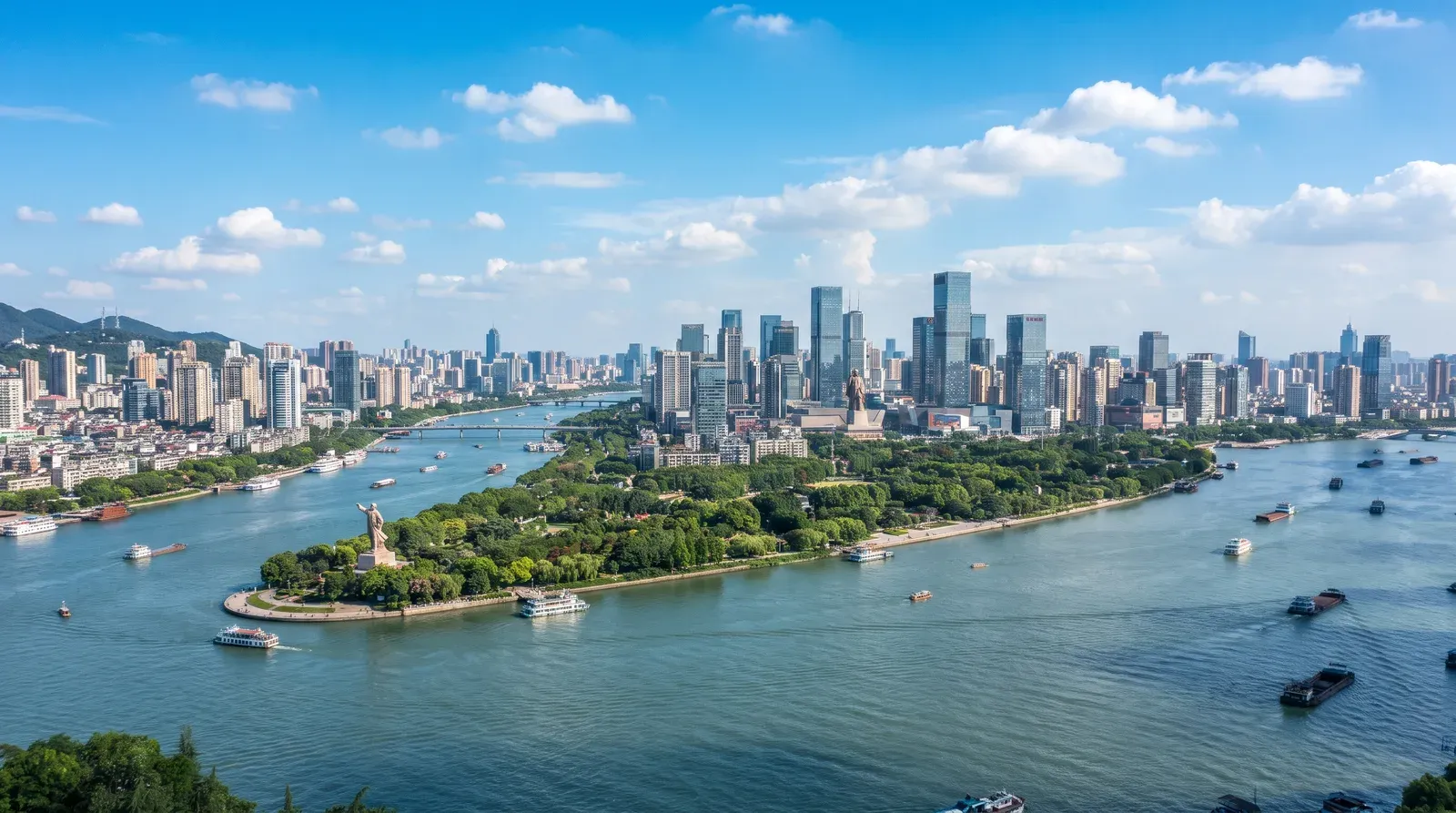
A relatively suitable time to travel in Changsha, China is after late September, when the summer drought and heat fade, nights turn cooler, and rainfall drops notably. According to data from the Public Meteorological Service Center of the China Meteorological Administration, Changsha has an annual average temperature of 17.7°C, with a long summer of about 118 to 127 days, a winter of about 117 to 122 days, and relatively short spring and autumn seasons. Overall, the local climate shows large spring temperature swings, abundant early summer rain, prolonged late-summer heat, and few severe winter freezes.
What are the seasonal climate characteristics and temperature patterns in Changsha?
Changsha has four distinct seasons, but winter and summer are long. The city sits in an alluvial basin with terrain sloping northward at its edges. According to an analysis by the China Meteorological Administration, winter cold air easily moves south and pools here, making local temperatures colder than areas at the same latitude. In summer, heat accumulates in the basin, raising temperatures above other places at the same latitude and making it one of the "four furnaces" south of the Yangtze River.
Meteorological statistics show that the coldest month, January, has the lowest monthly average temperature at 5.2°C, and severe cold periods with five-day average temperatures below 0°C are relatively brief. The hottest month, July, reaches an average temperature of 29.4°C. Regarding extreme records, Wangchengpo station once recorded an extreme minimum of -12.0°C, Mapoling station recorded an extreme maximum of 41.1°C, and the city has an annual average of 6 snow days.
| Meteorological indicator | Value and period |
|---|---|
| Annual average temperature | 17.7°C |
| Average temperature of coldest month (January) | 5.2°C |
| Average temperature of hottest month (July) | 29.4°C |
| Record low temperature (Wangchengpo station) | -12.0°C |
| Record high temperature (Mapoling station) | 41.1°C |
| Extreme high temperature during midsummer drought | 39 to 40°C |
| Annual average precipitation | 1,451.4 mm |
| Precipitation in wettest month (June) | 224.2 mm |
| Precipitation in driest month (December) | 49.7 mm |
| Annual average rainy days | 151 days |
| Rainy days in spring (March to May) | 49.4 days (35% of annual total) |
| Annual average snow days | 6 days |
| Summer duration | About 118 to 127 days |
| Winter duration | 117 to 122 days |
| Spring duration | 61 to 64 days |
| Autumn duration | 59 to 69 days |
What is the Changsha Hunan weather like in spring and summer, and what should you wear?
Spring in Changsha lasts about 61 to 64 days, with fairly wide temperature fluctuations. Meteorological data shows that from late March to mid-May, alternating cold and warm air masses often cause continuous overcast, drizzly days with limited sunshine, and rain days from March to May reach 49.4 days. When visiting Changsha in spring, carry a compact umbrella and prepare a light windbreaker, sweatshirts, and easily washable long-sleeve shirts.
Typically starting in late May, temperatures in Changsha rise noticeably and rainfall increases significantly, entering the main rainy period. June is the wettest month, averaging 224.2 mm of precipitation and marking the peak flood season of the year. Traveling during this time calls for waterproof, non-slip footwear and a portable raincoat.
After the rainy period ends in midsummer August, Changsha shifts into a hot, dry summer drought period, with extreme maximum temperatures reaching 39 to 40°C, and total summer duration lasts about 118 to 127 days. Sun protection and heat relief are essential for summer travel. Bring a parasol, sun-protective clothing, sunglasses, and breathable, quick-drying short sleeves.

How is the weather in Changsha during autumn and winter, and what should you wear?
Autumn in Changsha is relatively short, lasting only 59 to 69 days. After late September, days remain warm while nights cool down, and rainfall drops significantly, bringing crisp autumn air. Layered clothing is recommended for travel during this period. Bring short sleeves along with a light cardigan or jacket that you can easily put on or take off in the morning and evening.
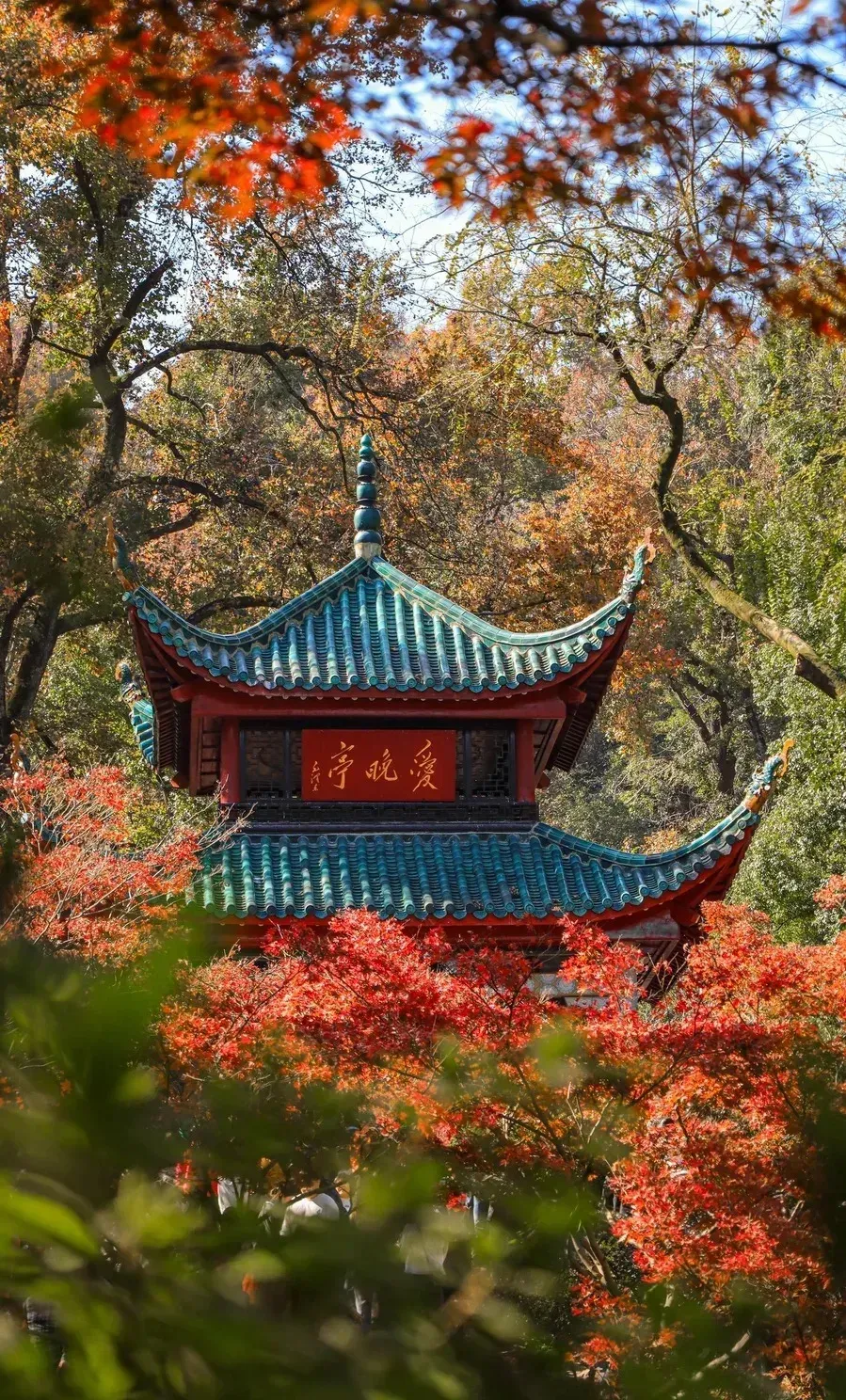
Winter in Changsha runs from late November to mid-March of the following year, lasting 117 to 122 days in total. Although severe cold periods with five-day average temperatures below 0°C are brief, January averages around 5°C, and the driest month, December, averages 49.7 mm of precipitation.
Because cold air moves south and pools in the basin, winters here feel damp and chilly. When traveling to Changsha, bring enough warm clothing, including thick sweaters, a windproof down coat, a heavy jacket, and a scarf to protect your head and neck from cold wind.
What are the weather exceptions and climate conditions for Changsha?
Changsha has an annual average precipitation of 1,451.4 mm and 151 annual rainy days, with an uneven seasonal distribution. Rainy days from March to May account for 35% of the annual total. Continuous overcast rain in spring and heavy downpours in early summer can restrict outdoor plans. Because the start, end, and rainfall volume of the plum rains vary by year, check live weather bulletins before traveling.
In winter, although the average number of snow days is only 6 and severe freezes are brief, in rare years with intense cold snaps, Wangchengpo station once recorded an extreme low of -12.0°C. Occasional snowfall and road icing can happen under these extreme conditions.
The intensity of summer drought and heat also fluctuates from year to year. While midsummer extreme temperatures usually range between 39 and 40°C, Mapoling station once recorded 41.1°C. During persistent dry and hot drought years, extra heat prevention measures are necessary.
How can you plan your itinerary around Changsha weather?
Given Changsha's hot summers, cold winters, and rainy springs, planning your schedule around temperature and rain patterns is sensible. During hot midsummer periods, keep your main daytime sightseeing to indoor museums or shaded wooded spots, and save outdoor exploration for cooler evenings.
When traveling during long rainy stretches in spring, it helps to slow your pace slightly and keep flexible indoor backup options ready, so wet, slippery roads do not disrupt your experience.
If you plan to visit Hunan, you can check our Changsha · Uncle Panda Travel page. A travel designer can adjust your pace based on the climate of your travel month and arrange your driver who knows the routes well to provide private car transfers.
Sources
Changsha - Meteorological Data - China Weather
Changsha - Wikipedia
Sources verified on November 6, 2026
FAQ
Which month has the most rainfall in Changsha?
June is the wettest month in Changsha, with an average monthly precipitation of 224.2 mm; rain days during the entire spring period from March to May also reach 49.4 days.
Does it snow in Changsha during winter, and is it cold?
Changsha gets snow in winter, and meteorological statistics show an annual average of 6 snow days. The coldest month, January, averages 5.2°C. Because cold air gathers in the basin, it feels damp and cold, and Wangchengpo station once recorded an extreme low of -12.0°C.
Why is Changsha called a "furnace" city in midsummer?
Analysis by the China Meteorological Administration points out that Changsha sits in an alluvial basin sloping northward at its edges. Heat trapping in summer makes its temperatures higher than areas at the same latitude, with extreme highs reaching 39 to 40°C during the midsummer drought, and Mapoling station once recorded a high of 41.1°C.
Which months offer relatively comfortable weather for visiting Changsha?
Autumn after late September is relatively more suitable for travel, as the summer drought and heat fade. While days remain warm, nights turn cooler, and rainfall decreases markedly, bringing crisp and clear autumn weather.