
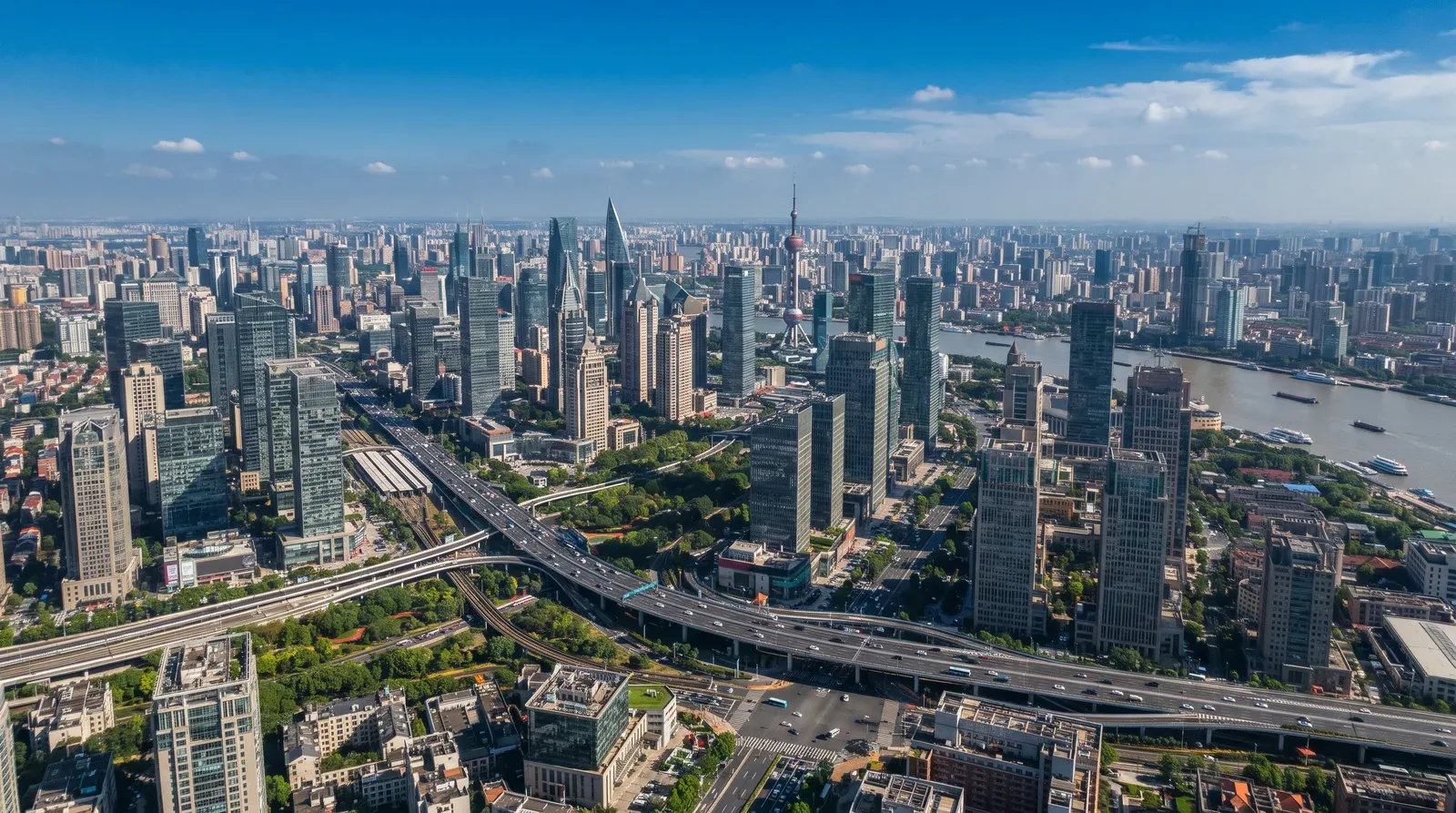
Wuyishan
Wuyishan City in China is located in northwestern Fujian Province, bordering Jiangxi Province. As a county-level city administered by Nanping, it was formerly Chong'an County before becoming a city in 1989, and it is the only city in Fujian named after a famous mountain. It covers an area of over 2,800 square kilometers. The area includes Huanggang Mountain, the highest peak in Fujian and Jiangxi provinces at an elevation of 2,158 meters, and a UNESCO World Cultural and Natural Heritage site inscribed in 1999. Its core zone covers the Nine Bend Stream Ecological Protection Area, the Nature Reserve, the Scenic Area, and the Han City Ruins Protection Area. The region is known for its Danxia landforms, Neo-Confucian heritage, and tea culture, making it a great fit for travelers who enjoy landscapes, history, and tea. Among many Chinese cities and destinations, planning 2 to 3 days is usually recommended to tour the main scenic area and surrounding historic towns.
Key points
Visiting Wuyishan City takes 2 to 3 days, with free admission to the main UNESCO World Heritage scenic area. You need to make a real-name reservation in advance using valid ID, while a one-day sightseeing bus pass costs 70 RMB and bamboo rafting is 130 RMB per person. Spring and autumn bring pleasant weather, avoiding the high temperatures of July and August.
Wuyishan City in China is located in northwestern Fujian Province, bordering Jiangxi Province. As a county-level city administered by Nanping, it was formerly Chong'an County before becoming a city in 1989, and it is the only city in Fujian named after a famous mountain. It covers an area of over 2,800 square kilometers. The area includes Huanggang Mountain, the highest peak in Fujian and Jiangxi provinces at an elevation of 2,158 meters, and a UNESCO World Cultural and Natural Heritage site inscribed in 1999. Its core zone covers the Nine Bend Stream Ecological Protection Area, the Nature Reserve, the Scenic Area, and the Han City Ruins Protection Area. The region is known for its Danxia landforms, Neo-Confucian heritage, and tea culture, making it a great fit for travelers who enjoy landscapes, history, and tea. Among many Chinese cities and destinations, planning 2 to 3 days is usually recommended to tour the main scenic area and surrounding historic towns.
What Key Sights Are Worth Visiting in Wuyishan City?
Wuyishan Scenic Area was established in 1979 and is famous for its Danxia landforms. Key landmarks worth visiting include:
- Nine Bend Stream Bamboo Rafting: Nine Bend Stream stretches about 9.5 kilometers from Xingcun to Wuyi Palace, winding through nine bends and eighteen curves across the scenic area. Taking a bamboo raft is a classic way to experience the red Danxia cliffs and clear waters up close.
- A Thread of Sky (Fuxi Cave): A famous Danxia cave site where the narrowest part of the rock fissure measures less than 40 centimeters wide, allowing visitors to walk through a remarkably tight rock crevice.
- Jiulongke Mother Da Hong Pao Tea Trees: The birthplace of famous Wuyi rock tea, Da Hong Pao, sits inside the Jiulongke gorge, where six mother trees grow on the cliff face. In 1302, during the Yuan Dynasty, an imperial tea garden was set up at the Fourth Bend to produce tribute tea for the court. Wuyishan is also the birthplace of the 'Four Famous Bushes' (Da Hong Pao, Tie Luo Han, Bai Ji Guan, and Shui Jin Gui) as well as Zhengshan Xiaozhong (Lapsang Souchong) black tea.
- Wufu Town and Xiamei Village: Neo-Confucian scholar Zhu Xi of the Southern Song Dynasty lived in Wufu Town from his youth, leaving behind sites like Ziyang Building and Pingshan Academy. Wufu Town was listed as a national historic and cultural town in 2010. During the Qing Dynasty, Xiamei Village served as an important hub for Wuyi rock tea and the starting point of the Shanxi merchants' Ten-Thousand-Li Tea Road, and it preserves more than 30 Qing Dynasty homes.
- Impression Da Hong Pao Show: A 70-minute outdoor live-action performance set against the open landscape, featuring a 360-degree rotating auditorium that traces the history of tea culture.
What Are the Ticket and Scenic Transit Costs in Wuyishan?
The main scenic area currently offers free entry for visitors, and you only need to make a real-name reservation in advance with valid ID to enter. Shuttle buses inside the scenic area and bamboo rafting on Nine Bend Stream require separate tickets, with details listed below:
| Item | Price | Notes |
|---|---|---|
| Main Scenic Area Entry | Free | Real-name reservation with valid ID required |
| Sightseeing Bus (1-day pass) | 70 RMB | Valid for 1 day |
| Sightseeing Bus (2-day pass) | 85 RMB | Valid for 2 days |
| Sightseeing Bus (3-day pass) | 95 RMB | Valid for 3 days |
| Nine Bend Stream Bamboo Rafting | 130 RMB per person | Single ride per person |
How to Get to Wuyishan and Travel Around the City?
Wuyishan has convenient air and rail connections. Wuyishan Airport serves as an important civil aviation hub in northern Fujian. Along the Hefei-Fuzhou high-speed rail line, the area is served by Wuyishan North Station in the city and Nanping City Station in nearby Jianyang District. If you take China's high-speed rail to Nanping City Station, you can transfer directly to Wuyi Tram Line 1. Opened on January 1, 2022, this tram line takes about 40 minutes end to end, linking the high-speed rail station directly to the south entrance of the scenic area. If you want to connect Wuyishan with other highlights like the Fujian Hakka Tulou, your travel designer can tailor a route for you, accompanied by a private vehicle and your driver who knows the area well.
When Is the Best Time to Visit Wuyishan and What Pace Fits Best?
The city has a subtropical monsoon climate with an average annual temperature of about 17°C and annual precipitation of around 1,894 mm. Hot weather is mainly concentrated in July and August. Spring and autumn offer pleasant temperatures, making them great for hiking, walking, and outdoor rafting. For travel pace, planning 2 to 3 days is suggested. On the first day, you can explore A Thread of Sky and the Jiulongke Mother Da Hong Pao Tea Trees, then watch the Impression Da Hong Pao show in the evening. On the second day, enjoy bamboo rafting along Nine Bend Stream and visit Wuyi Palace. If you have a third day, you can head to Wufu Town for its Neo-Confucian past or explore the historic Tea Road village of Xiamei. Beyond sightseeing, you can taste traditional local dishes such as Langu smoked goose, which is boiled, seasoned, and smoked over firewood in a pot with sticky rice and tea leaves at the bottom. Another seasonal treat during Qingming Festival is shuquguo, made by kneading fresh cudweed with rice paste to form a dough, filling it with ingredients like mushrooms and shredded pork, and steaming it for an authentic taste of northern Fujian.
Sources
Wuyishan Scenic Area - Wikipedia
Wuyishan City - Wikipedia
Wuyi Mountains - Wikipedia
Free Admission for Wuyishan Main Scenic Area This Year - The People's Government of Fujian Province
Nanping City Station to Wuyishan Scenic Area Line - Wikipedia
Wufu Town - Wikipedia
Xiamei Village - Wikipedia
All sources verified on November 16, 2026.
Related travel tips
Replies 08:30–22:00 your time · Free to ask.