
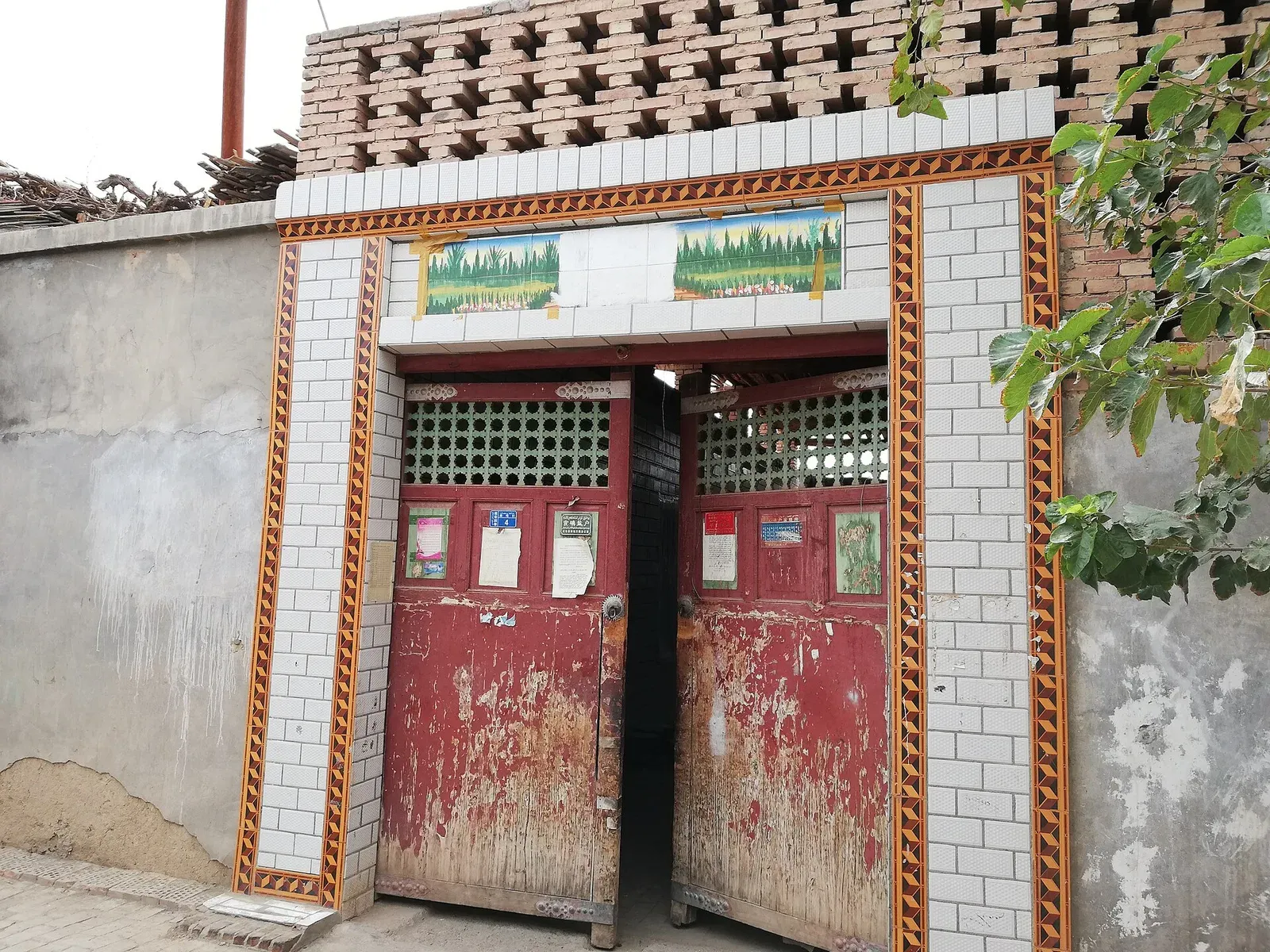
Turpan
Photo: Kubilayaxun / Wikimedia Commons, CC BY-SA 4.0
Located in the Turpan Basin of east-central Xinjiang, Turpan, China is home to Lake Ayding, which sits 154 meters below sea level as the lowest point in mainland China. The area preserves earthen ancient city ruins, Buddhist grottoes, and the subterranean Karez irrigation system, making it well suited for cultural journeys into Western Regions history and oasis civilization. Spending 1 to 2 days is usually recommended to explore the city and its main surrounding sights.
Key points
Visiting Turpan, China typically takes 1 to 2 days, and bullet trains reach Turpan North Railway Station directly from Urumqi in about 1 hour. Because average highs exceed 38°C from June to August, explore open-air ruins in the morning or evening and visit Turpan Museum during midday with free ID booking. With sights scattered far apart, have your travel designer arrange your driver for private transfers.
Located in the Turpan Basin of east-central Xinjiang, Turpan, China is home to Lake Ayding, which sits 154 meters below sea level as the lowest point in mainland China. The area preserves earthen ancient city ruins, Buddhist grottoes, and the subterranean Karez irrigation system, making it well suited for cultural journeys into Western Regions history and oasis civilization. Spending 1 to 2 days is usually recommended to explore the city and its main surrounding sights.
| Item | Details |
|---|---|
| Recommended stay | 1 to 2 days |
| Climate features | 3,000 to 3,200 hours of sunshine a year, dry and hot summers |
| Getting there | About 1 hour by bullet train directly from Urumqi to Turpan North Railway Station |
| Getting around | Walk or take a taxi in the city; hire a car or share a ride for surrounding sights |
| Ticket booking | Turpan Museum offers free entry with advance reservation using valid ID |
When Is the Weather Suitable for Visiting Turpan, China?
The city has a temperate extreme arid desert climate with 3,000 to 3,200 hours of sunshine a year, earning it the local nicknames Land of Fire and Wind Depot. Hot weather above 35°C lasts for more than 100 days, and summer daytime ultraviolet rays are intense. From June to August, the average daily high exceeds 38°C, showing distinct dry and hot climate characteristics.
Travelers have noted in trip journals that the basin's sandstone ground feels like a steamer in midsummer, where intense afternoon sunlight makes the reddish-brown mountains shimmer like blazing flames in the heat haze. In 2023, the area recorded an all-time high air temperature of 52.2°C, and summer daytime ground surface temperatures often exceed 80°C.
Tip: Summer daytime ultraviolet rays are intense, so plan visits to open-air ruins in the early morning or evening, and head into Turpan Museum or the underground karez exhibition halls during midday.
How to Get to Turpan and Travel Around?
Turpan North Railway Station, an important hub on the Lanzhou-Xinjiang High-Speed Railway, opened at the end of 2014, allowing you to reach the urban area directly from Urumqi in about 1 hour by bullet train. For flights, Turpan Jiaohe Airport is the lowest airport by elevation in China, positioned as a secondary airport for the regional capital Urumqi, and both airports are managed and operated together.
According to travel notes, the downtown area is compact, so you can explore within the city on foot or by taxi. However, sites like Jiaohe Ancient City, Gaochang Ancient City, the Thousand Buddha Caves, and desert scenic spots are scattered across the surrounding area far apart, so visitors usually need to hire a car, share a ride, or join a local day tour.
Tip: Referring to High-Speed Rail Network and Train Travel Experience, make sure you choose Turpan North Railway Station in Gaochang District when taking bullet trains to the city, as the older Turpan Railway Station is located in Daheyan Town about 50 kilometers away.
What Are the Main Sights in Turpan?
Located about 10 kilometers west of Gaochang District, Jiaohe Ancient City is the world's largest and best-preserved earthen ancient city architectural site, inscribed as a UNESCO World Heritage Site in 2014. The entire ancient city sits on an island-like plateau about 1,650 meters long, surrounded by 30-meter-deep cliff river valleys, with main structures dug downward out of the earth by carving away dirt to leave standing walls. Entering from the South Gate, you can walk north along the central north-south avenue to explore government offices, the Grand Buddhist Temple, and the stupa forest.
Gaochang Ancient City lies about 40 kilometers east of the Turpan urban area, covering a total area of about 2.2 million square meters as one of the largest ancient city ruins remaining in the Western Regions. In the southwest corner of the outer city stands a Grand Buddhist Temple site covering about 10,400 square meters, where the Tang Dynasty monk Xuanzang is said to have preached while traveling west in search of Buddhist scriptures.
The Karez system is the lifeline of this Gobi oasis, ingeniously composed of vertical shafts, underground channels, open canals, and retention ponds (laoba). It channels snowmelt from the Tianshan Mountains by gravity flow to irrigate farmland while preventing intense evaporation from strong winds and extreme heat, and was added to the World Heritage Irrigation Structures list in 2024. The city features 4 open theme areas, including Karez Folk Customs Park and Karez Amusement Park, where you can experience the subterranean springs firsthand in underground channel halls.
Tip: Both ancient cities are open-air earthen ruins with no tree shade, so bring plenty of drinking water for morning summer visits, and take shelter in the underground karez exhibition halls around midday.
| Location | Highlights and Features | Location and Distance |
|---|---|---|
| Turpan Museum | National first-grade museum with free reservation via valid ID, housing the Bu Tianshou manuscript of the Analects with Zheng Xuan's commentary and paraceratherium fossils | On Munar Road in Gaochang District |
| Flaming Mountains Scenic Area | National 4A-level scenic area, featuring an underground exhibition hall with a giant Golden Cudgel thermometer and surface sculptures from Journey to the West | Running across the middle of the Turpan Basin |
| Bezeklik Thousand Buddha Caves | Cliff grottoes in Mutou Valley with 77 surviving caves and murals from the Qocho Kingdom period | About 40 kilometers from the city (about 10 kilometers from Gaochang Ancient City) |
| Astana Cemeteries | Public cemetery from the Western Jin to Tang dynasties, yielding Fuxi and Nüwa paintings, ancient documents, and natural mummies | About 37 kilometers southeast of the city |
| Grape Valley | National 5A-level scenic area where the Buyiluk River runs through the oasis, with over 4,200 mu of vineyards | 11 kilometers northeast of the city |
| Emin Minaret (Su Gong Ta) | Qing Dynasty minaret built by Emin Khoja, standing 36.5 meters tall with mud bricks laid in over 10 geometric patterns | Located within Turpan city |
| Kumtag Desert | The only desert in the world connected directly to a city, a national scenic area | Right against the southern edge of Shanshan County's old town |
How to Plan a Day-by-Day Turpan Itinerary?
If you have only one day, a classic west route is recommended: after arriving at Turpan North Railway Station by high-speed train in the morning, head first to Jiaohe Ancient City to walk the central avenue before the sun gets too strong. During the hottest midday hours, move indoors to Turpan Museum on Munar Road in Gaochang District to see ancient manuscripts and fossils, then visit the underground karez exhibition halls. In the evening as temperatures cool down, head to Grape Valley to experience the oasis irrigation channels.
If you have set aside two days, the second day works well for hiring a car to follow the east route ruins along Silk Road history: in the morning, explore the Flaming Mountains Scenic Area stretching about 100 kilometers and the cliffside Bezeklik Thousand Buddha Caves; next, visit Gaochang Ancient City and the Astana Cemeteries about 10 kilometers away; then in the evening, head to the Kumtag Desert right beside the south end of Shanshan County's old town to enjoy the desert scenery.
Tip: Major sights scattered around Turpan are far apart, so ask your travel designer in advance to arrange a hired car with a driver who can guide you, making it easy to connect the east and west routes.
Why Do Turpan Raisins Dry Naturally in Drying Houses?
Turpan's distinctive grape drying houses (chunliangfang or yinfang) are built on elevated, breezy ground. Their four walls are filled with lattice vent holes to catch the hot, dry winds, letting freshly picked grapes lose moisture gradually in a well-ventilated space.
Travelers note in their accounts that walking into an earthen drying house filled with vent holes brings a sweet fruity aroma. Because they are sheltered from direct sunlight, seedless white grapes dried in these shade houses keep their green or yellow color rather than turning dark like sun-dried grapes.
Tip: Beyond tasting fresh fruit in the valleys, picking up naturally dried seedless white raisins at old town bazaars or roadside drying houses makes a convenient souvenir to take home.
What Do First-Time Visitors Often Get Wrong in Turpan?
The desert climate and geography of the Turpan Basin are distinct, with many historical ruins scattered across open land far from the city center. Sorting out station locations before you go, dodging midday sun, and reserving museum entry in advance will save you a lot of hassle.
| Common Mistake | How to Handle It |
|---|---|
| Mixing up train stations | Choose Turpan North Railway Station for bullet trains to the city; the older Turpan Railway Station is in Daheyan Town about 50 kilometers away |
| Midday sun exposure | Plan outdoor ruins for the morning or evening, and retreat to Turpan Museum or underground karez halls around midday |
| Assuming all sights are in town | Main surrounding sites are far apart, so you usually need to hire a car, carpool, or join a local day tour |
| Queuing for museum tickets | Turpan Museum has offered free admission since March 2008; visitors book in advance using valid ID |
Sources
Jiaohe Ruins - Wikipedia
Flaming Mountains - Wikipedia
Turpan - Wikipedia
Karez Well System - Wikipedia
Emin Minaret - Wikipedia
Gaochang - Wikipedia
Bezeklik Caves - Wikipedia
Turpan Museum - Wikipedia
Grape Valley - Wikipedia
Chunliangfang (Drying House) - Wikipedia
Kumtag Desert (Shanshan) - Wikipedia
Bezeklik Thousand Buddha Caves - Wikipedia
Astana Cemetery - Wikipedia
Sources verified on November 19, 2026
Related travel tips
Replies 08:30–22:00 your time · Free to ask.