
Shenyang China Weather and Four-Season Dressing Guide
Key points
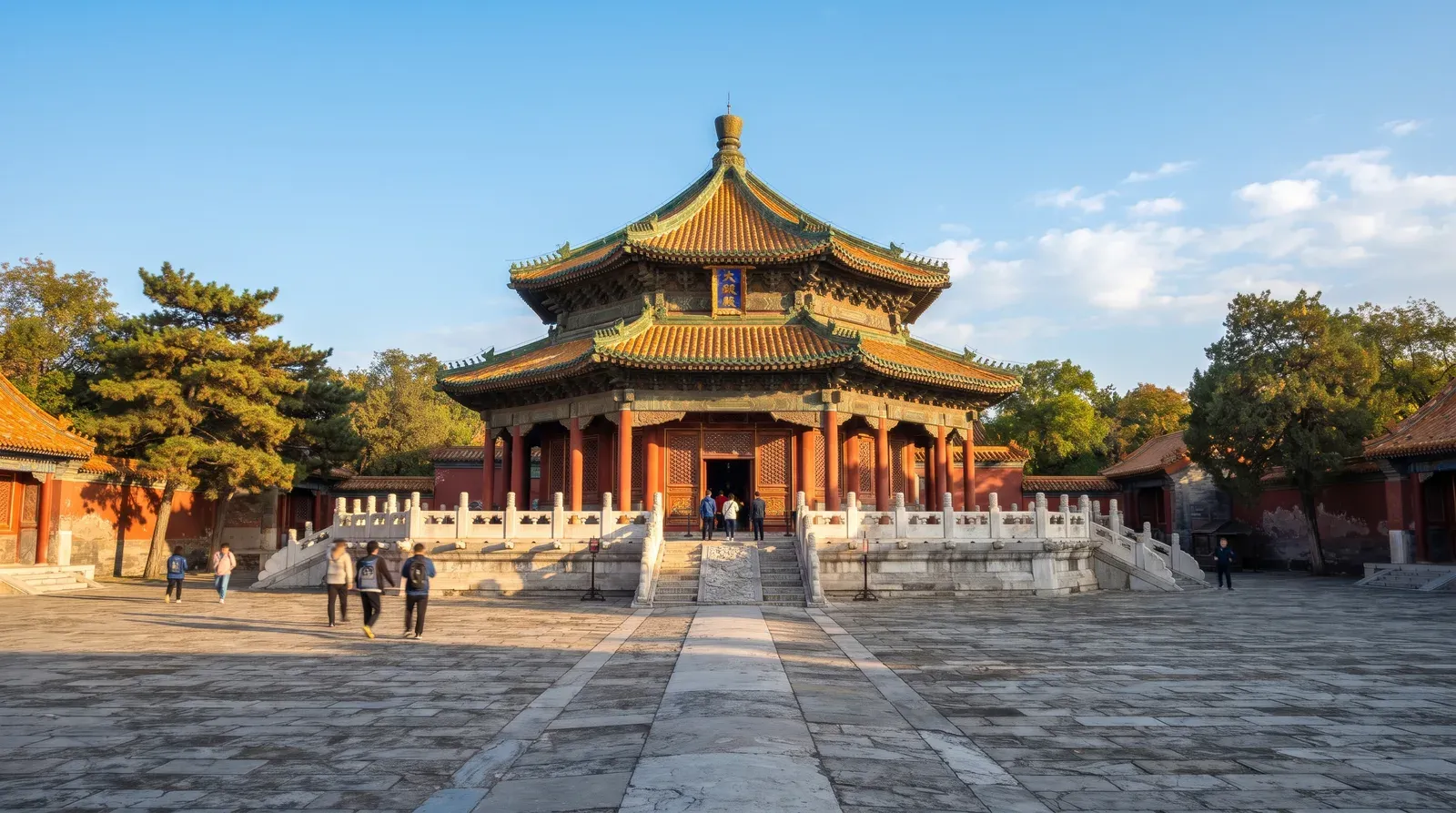
Shenyang China weather features distinct seasons with an annual average temperature of 8.4°C, making autumn from September to October the most comfortable travel period. From December to February, winter temperatures average between -10°C and -15°C, requiring layered clothing to manage warm centrally heated interiors. Outdoor sightseeing should wrap up before 2:00 PM, as the sun sets as early as 4:18 PM around the winter solstice.
Shenyang has a temperate monsoon climate with an annual average temperature of 8.4°C, distinct seasons, and a long cold period. January is the coldest month, averaging -11.0°C, while July averages 24.7°C, and average daily highs in winter usually stay below 0°C. If you plan a trip, understanding Shenyang China weather and daylight patterns is key to choosing your clothes and scheduling your days.
| Period or Season | Climate and Weather Features |
|---|---|
| Spring | Warms up quickly with ample sunshine; days with winds above force 6 account for about 46% of annual windy days |
| Summer (June to August) | Average temperatures between 20°C and 30°C (hottest in July); rainfall is concentrated in July and August, accounting for about 60% of total annual precipitation and often falling as rainstorms |
| Autumn | Brief transition season; spring and autumn are both short and windy |
| Winter (December to February) | Long and cold; average temperatures often stay between -10°C and -15°C, with average daily highs below 0°C; snow is common from November to March |
How Do Temperatures Change Across the Seasons in Shenyang?
According to Chinese meteorological records, Shenyang has a temperate continental monsoon climate. It features cold winters, warm summers, short and windy transitions in spring and autumn, and plenty of sunshine, with a frost-free period of 183 days a year. Winters are long and cold, while summers are hot with concentrated rain. Historical extreme temperatures reached a high of 38.4°C on August 2, 2018, and a low of -32.9°C on January 15, 2001. Knowing these temperature swings helps you choose the right clothing thickness for your trip.
Weather monitoring data shows that average temperatures in Shenyang from June to August usually range between 20°C and 30°C. July is the hottest month, occasionally topping 30°C. From December to February in winter, average temperatures usually sit between -10°C and -15°C. Nights are bitterly cold, and daytime temperatures under sunlight often remain below freezing. If you spend extended time outdoors in deep winter, you need full protection against frostbite and freezing cold.
Which Months Offer the Most Comfortable Weather in Shenyang?
If you prefer mild, cool weather, autumn from September to October is a comfortable time to visit, though the local transition from summer into winter is brief. Spring warms up quickly with ample sunshine, but it is the windiest season of the year. Days with winds above force 6 make up about 46% of all windy days throughout the year. If you visit in spring, outdoor gales speed up heat loss from your body, making windproof outerwear essential.
Summer rain is concentrated in July and August. These two months account for about 60% of annual rainfall, often arriving as sudden downpours. Winter lasts from November to March. Although the weather is cold, it is the classic season to take in northern snowscapes. Snowfall is common from November to March, occurring most frequently in January and February, with annual total snowfall between 50 and 60 centimeters.
Tip: When visiting Shenyang in July and August, keep a folding umbrella or raincoat in your bag, and step into a nearby shopping mall or metro station if sudden rainstorms hit.
What to Wear in Winter: How Do You Balance Freezing Outdoors and Heated Indoors?
Cities north of China's Qinling Mountains and Huai River began installing citywide central heating networks back in the 1950s. In winter, Shenyang is heated by municipal authorities and designated companies, keeping indoor spaces warm. This dramatic temperature contrast between inside and outside means you need to dress in layers. That way, you can peel off heavy outer layers right after stepping indoors and avoid sweating in heated rooms. Wear breathable cotton or moisture-wicking thermal base layers next to your skin, add a fleece or cardigan sweater as a middle layer, and put on a long windproof down coat on the outside.
Because outdoor winter temperatures remain below freezing and roads can turn icy or snowy, keeping your head, hands, and feet warm determines how long you can comfortably walk. Choose thick-soled snow boots with deep treads or insulated high-top winter boots, paired with thick wool socks. Wear a warm winter hat that covers your ears securely, a scarf, and windproof gloves whenever you head outside. For dining, local families traditionally ferment Chinese cabbage in large earthenware crocks to make suancai (pickled cabbage). Savoring a steaming copper hot pot of pickled cabbage with pork belly or the famous braised pork with glass noodles is a classic way to fend off the outdoor chill.
Tip: Centrally heated indoor air gets quite dry, so place a bowl of water in your hotel room or turn on a humidifier, and carry lip balm and hand cream with you.
What Time Does It Get Dark in Winter, and How Does Daylight Affect Your Route?
Shenyang sees short daylight hours in winter, getting dark much earlier than southern regions. Astronomical records show that in mid-to-late November, daylight lasts about 9 hours and 43 minutes, with sunrise at 6:39 AM and sunset at 4:22 PM. Around the winter solstice on December 22, daylight shrinks to the annual minimum of 9 hours and 8 minutes, with sunset moving up to 4:18 PM. The earliest sunset of the year usually arrives around December 8 or 9. By contrast, around the summer solstice on June 21, daylight stretches to 15 hours and 13 minutes, with sunset at 7:24 PM, marking a difference of 6 hours and 5 minutes between summer and winter daylight.
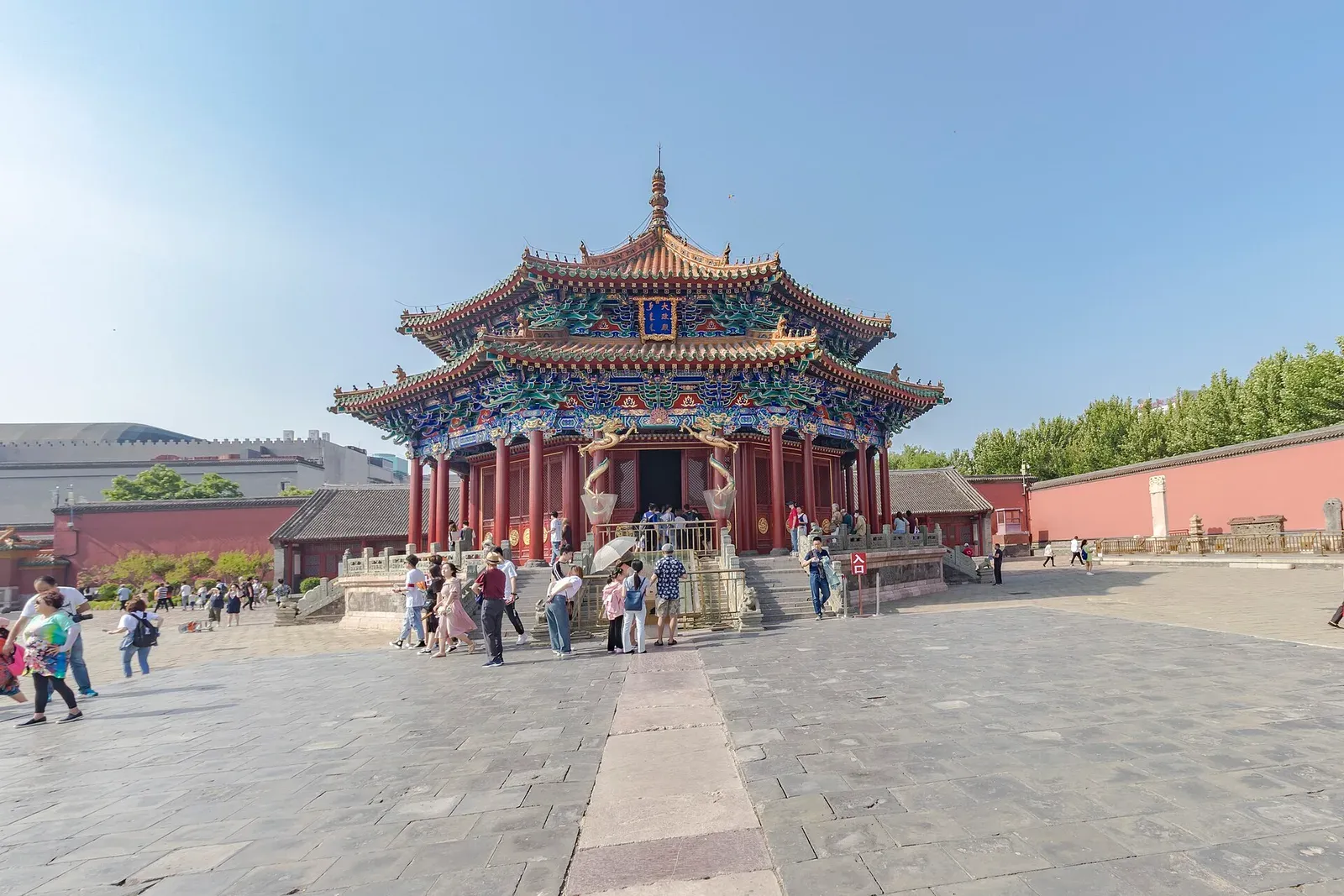
Earlier winter sunsets directly shape outdoor attraction hours, so you should schedule outdoor visits in the morning and early afternoon before 2:00 PM. For example, Shenyang Imperial Palace Museum operates on low-season hours from October 11 to April 9 each year, opening at 9:00 AM, stopping ticket entry at 3:45 PM, and closing at 4:30 PM (closed Mondays, except statutory holidays). If you arrive at the gate after 3:30 PM in winter, you could easily miss entry. When planning your days, consult this Shenyang travel guide to pace your daylight sightseeing.
| Venue | Opening and Admission Hours | Closure Policy |
|---|---|---|
| Shenyang Imperial Palace Museum | October 11 to April 9 of the following year, 9:00 to 16:30 (last entry at 15:45) | Closed on Mondays (except statutory holidays) |
| Liaoning Provincial Museum | April 1 to October 31, 9:00 to 17:00 (last entry at 16:00, free admission) | Closed on Mondays (except statutory holidays) |
| China Industrial Museum | Tuesday to Sunday, 9:00 to 16:00 (free admission, real-name reservation required) | Closed on Mondays and major statutory holidays |
What Are the Indoor Alternatives When It Rains, Snows, or Blows Hard?
When spring gales or summer storms make outdoor activities unappealing, Shenyang offers several spacious indoor cultural venues. Liaoning Provincial Museum in Hunnan District offers free admission with roomy galleries and modern facilities. It is closed on Mondays (except statutory holidays) and works well for a half-day cultural visit. The China Industrial Museum in Tiexi District is also free to enter, open Tuesday through Sunday from 9:00 AM to 4:00 PM, closed on Mondays and major statutory holidays, with real-name reservations required before visiting.
If rain or wind eases up, or once your museum visit ends, you can explore covered commercial areas or sample regional cuisine. Recommended by the local tourism department, the Laobeishi tourist block, Hongmei Cultural and Creative Park, and Xita Korean Food Street all offer distinctive stops. In addition, Laobian Dumplings on Zhongjie, founded in 1829 during the Daoguang era of the Qing Dynasty, is a recognized China Time-honored Brand snack, making it a warming indoor choice during poor weather.
How Do You Get Around Shenyang in Cold Weather?
During freezing cold or snowy weather, the underground metro is the most punctual way to travel. By June 2026, Shenyang Metro operated 6 lines with 144 stations across 216.7 kilometers of track, connecting the Zhongjie commercial area, Beiling Park, Liaoning Provincial Museum, and major railway hubs. If you plan to tour the Beiling area, Line 2 serves it with three stations: Beiling Park Station, Lingxi Station, and Xinle Ruins Station.
For intercity travel, Shenyang Taoxian International Airport sits about 20 kilometers from the city center, with passengers arriving and departing through Terminal 3. Metro Line 2's Taoxian Airport Station lies right beneath the terminal, connected by an underground passage on level B1 for seamless train access. Airport buses also run to Shenyang North Railway Station (Line 1) and Shenyang Railway Station passenger hub (Line 2) for 15.5 yuan one way, taking about 60 minutes. If you depart from Beijing, the Beijing to Shenyang high-speed railway covers 700 kilometers with a maximum design speed of 350 km/h, cutting train travel time to 2 hours and 17 minutes.
| Transport Option | Route and Operating Standards |
|---|---|
| Shenyang Metro | 6 operating lines and 144 stations covering 216.7 km, connecting Zhongjie, Beiling Park, Liaoning Provincial Museum, and major railway stations |
| Airport Bus | Runs Line 1 to Shenyang North Station and Line 2 to Shenyang Station transport hub, with a one-way fare of 15.5 yuan taking about 60 minutes |
| Taxis | Daytime base fare of 9 yuan for 3 km, then 1 yuan per 500 meters; nighttime base fare (22:00 to 6:00 the next day) of 10 yuan for 3 km, then 1 yuan per 455 meters |
| Beijing-Shenyang High-Speed Railway | 700 km in total length with a maximum design speed of 350 km/h; train travel time between Beijing and Shenyang is 2 hours and 17 minutes |
Visiting Shenyang for the First Time? What Weather Mistakes Do People Make?
Myth one: assuming winter afternoons warm up above freezing. Shenyang has a long winter. Weather data shows that even on sunny afternoons, average winter highs usually remain below 0°C, so windproof and warm clothing is needed the entire time you are outdoors. Myth two: planning winter afternoon outdoor sightseeing on a summer schedule. Around the winter solstice, sunset arrives at 4:18 PM, followed by rapid darkness and plunging temperatures, and attractions on off-season hours like Shenyang Imperial Palace stop admissions at 3:45 PM.
Myth three: assuming the north is dry and rain gear is not needed. Summer rain in Shenyang is mainly concentrated in July and August, often falling as heavy downpours, so carrying an umbrella or raincoat during summer travel is a sensible choice. Myth four: heading out in a single thick sweater. Shenyang has central heating indoors in winter. If your inner layer is too heavy and cannot be taken off, you will easily overheat and sweat indoors, and catching a cold from the cold wind outside becomes very easy. We recommend wearing breathable thermal underwear close to your skin, paired with an easily removable cardigan sweater or windproof jacket outside.
Sources
Northeastern Chinese cuisine: Wikipedia
Shenyang Imperial Palace Museum
Liaoning Provincial Museum: Wikipedia
Shenyang Metro: Wikipedia
Shenyang: Wikipedia
China Industrial Museum: Wikipedia
Shenyang Taoxian International Airport: Wikipedia
Laobian Dumplings: Wikipedia
Most Popular Travel Itinerary: 5 Days and 4 Nights: Liaoning Department of Culture and Tourism
Northern and southern China: Wikipedia
Zhao Mausoleum (Qing dynasty): Wikipedia
Beijing Shenyang high-speed railway: Wikipedia
Shenyang Meteorological Data: China Weather
Shenyang: Wikipedia
Heating: Wikipedia
All sources verified on November 19, 2026
FAQ
How cold does it get in Shenyang during the coldest part of winter?
January in Shenyang averages -11.0°C, and average daily winter highs stay below 0°C. During severe cold waves, the city's historical record low dropped to -32.9°C.
Which months offer the coolest and most comfortable weather in Shenyang?
Autumn in September and October brings pleasantly cool weather, offering comfortable travel conditions. Spring warms up quickly but brings frequent high winds, July and August in summer are hot with heavy downpours, and winter is long and freezing.
Does it snow often in Shenyang during winter, and how heavy is it?
Snow is common in Shenyang from November to March, falling most often in January and February. Annual snowfall across the city averages between 50 and 60 centimeters, so winter visitors have a strong chance of seeing snowy scenes.
Do Shenyang hotels and restaurants have heating in winter?
Cities north of China's Qinling Mountains and Huai River widely use centralized municipal heating. In winter, Shenyang is heated by the government or designated providers, so standard hotels, restaurants, and shopping malls stay comfortably warm indoors.
How long does the high-speed train take from Beijing to Shenyang?
The Beijing to Shenyang high-speed railway covers 700 kilometers with a top design speed of 350 km/h, cutting train travel time from the former 4 hours down to 2 hours and 17 minutes.