
Second Trip to Yunnan: Beyond the Classic Four Cities

For a second visit to Yunnan, you can head off the beaten path and skip the standard towns. During busy holidays, travelers can head south to the Jingmai Mountain ancient tea forests in Pu'er, or journey deep into northwest Yunnan to visit Lugu Lake at about 2,900 meters and see traditional Mosuo villages. If you prefer volcanic landscapes, Baoshan's Tengchong in the west features 97 volcanic cones, with mild winters and cool summers.
Which routes in Yunnan go off the beaten path beyond the classic towns?
For a Yunnan second trip, travelers can pick among four directions: western Yunnan for volcanic geothermal sights, southwestern Yunnan for tea forests and rainforests, southern Yunnan for historic railways, and northwestern Yunnan for high plateaus. Each region differs clearly in scenery and elevation, letting you choose the pace you prefer.
| Destination | Key Places and Highlights | Key Facts and Data |
|---|---|---|
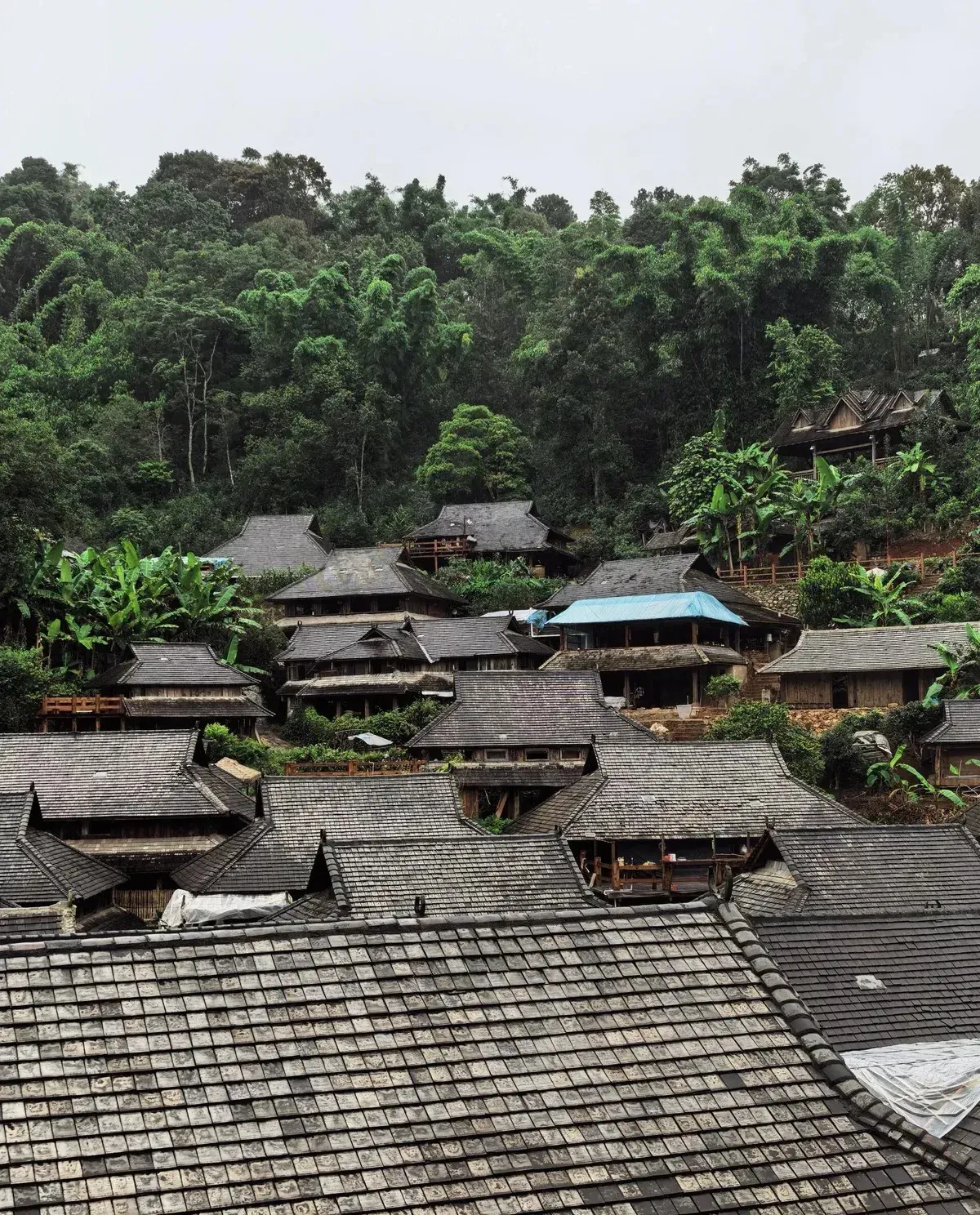
| Pu'er | Jingmai Mountain Ancient Tea Forest Cultural Landscape | Cultivated by the Blang and Dai peoples since the 10th century; UNESCO World Heritage Site |
| Tengchong, Baoshan | Yunnan Tengchong Volcanic and Geothermal National Geopark | 97 volcanic cones; average temperature 7.8°C in coldest month and 19.8°C in warmest month |
| Mangshi, Dehong | Menghuan Grand Golden Pagoda | Largest hollow Buddhist pagoda in Asia; hosts Water Splashing Festival and Munao Zongge Festival |
| Jianshui and Mengzi, Honghe | Jianshui Confucius Temple and Mengzi Bisezhai Station | Jianshui has one of the largest Confucius temples in southern China; Bisezhai Station built in 1909 as the only special-class station on Yunnan-Vietnam Railway |
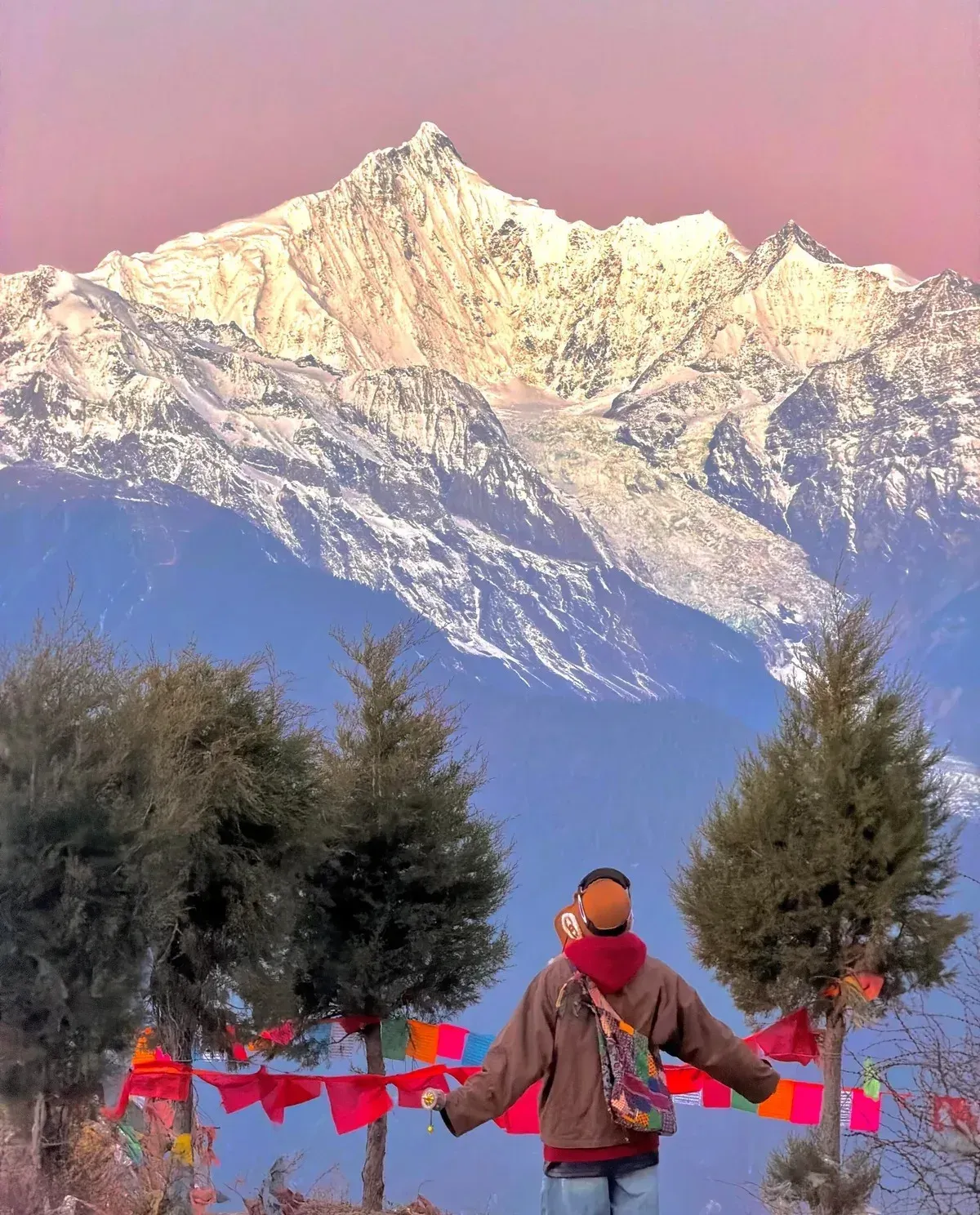
| Deqin and Nujiang, Diqing | Mount Meili Kawagarbo and Wengli Section of Ancient Tea Horse Road | Main peak at 6,740 meters with climbing banned by law in 2001; Wengli section is 1,182 meters long |
| Xishuangbanna | Xishuangbanna Tropical Botanical Garden, Chinese Academy of Sciences | Over 12,000 living plant species, 38 specialized plant areas, about 250 hectares of primary tropical rainforest |
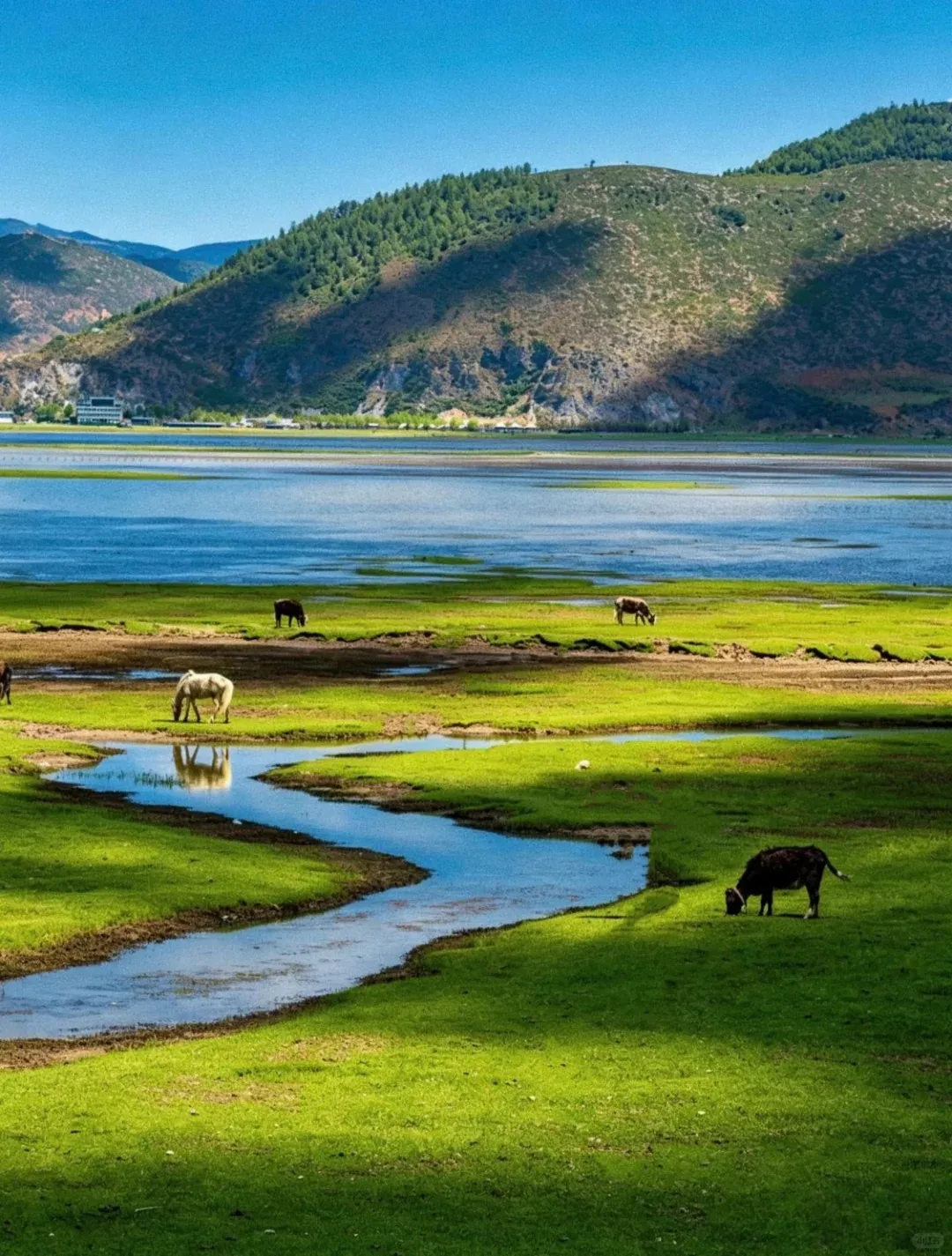
| Lijiang and Diqing Grand Loop | Lugu Lake and Pudacuo National Park | 11-day northwest Yunnan loop visiting Lugu Lake at about 2,900 meters and Mosuo villages |
Where can you see volcanoes and border towns in western Yunnan?
Western Yunnan is well suited for exploring Baoshan's Tengchong and Mangshi, the capital of Dehong Prefecture. According to geological records, Tengchong lies on the western slopes of the Gaoligong Mountains in a volcanic geothermal zone, containing 97 volcanic cones and Yunnan Tengchong Volcanic and Geothermal National Geopark.
According to meteorological records, Tengchong has a plateau subtropical monsoon climate without freezing winters or scorching summers, averaging 7.8°C in its coldest month and 19.8°C in its warmest month. According to folklore records, Theravada Buddhism is widespread in Mangshi, which is home to the Menghuan Grand Golden Pagoda, the largest hollow Buddhist pagoda in Asia. The Water Splashing Festival and Munao Zongge Festival are its most iconic ethnic celebrations.
What are the options in southwestern Yunnan for tea forests and rainforests?
When avoiding holiday crowds, travel routes can head south to the Jingmai Mountain ancient tea forests in Pu'er. According to the UNESCO World Heritage list, the Cultural Landscape of Old Tea Forests of the Jingmai Mountain in Pu'er was cultivated over a millennium by the local Blang and Dai peoples starting in the 10th century, creating a World Heritage site where traditional villages sit among ancient tea trees.
Continuing south to Xishuangbanna reveals a botanical realm of tropical rainforests. According to garden records, the Xishuangbanna Tropical Botanical Garden of the Chinese Academy of Sciences holds more than 12,000 living plant species across 38 specialized areas and protects about 250 hectares of primary tropical rainforest, making it China's largest botanical garden by area.
How should you plan a trip to southern Yunnan for historic architecture and railways?
Travelers interested in historical architecture and modern industrial heritage can visit Jianshui and Mengzi in Honghe Prefecture. According to official heritage records, Jianshui County is a national historical and cultural city that houses one of the largest Confucius temples in southern China, long celebrated for its scholar traditions and cultural archives.
Further east lies the century-old railway station site in Mengzi. According to heritage preservation archives, Bisezhai Station in Mengzi was built in 1909. It served as the only special-class station along the Yunnan-Vietnam Railway and the starting point for the private Gebishi Railway, and is listed as a Major Historical and Cultural Site Protected at the National Level.
What mountain retreats are worth visiting on a return to northwest Yunnan?
On a return trip to Yunnan, you can also bypass busy towns to explore Deqin in Diqing or the Nujiang River Gorge. To avoid holiday crowds, custom itineraries often replace crowded tourist towns with deeper areas in northwest Yunnan like Mount Meili and Balagezong.
According to geographic survey data, Kawagarbo, the main peak of Meili Snow Mountain in Deqin, stands at 6,740 meters, making it the highest peak in Yunnan Province. According to cultural relic surveys, the Wengli section of the Ancient Tea Horse Road is preserved on the east bank of the Nujiang River in Wuli Village, Bingzhongluo Town, Gongshan County. Measuring 1,182 meters in total length, it is also a Major Historical and Cultural Site Protected at the National Level.
What planning tips and local regulations apply to these routes?
On an 11-day northwest Yunnan loop, the route crosses mountain passes from Lijiang to Lugu Lake at about 2,900 meters to experience morning light and Mosuo villages, before connecting to Tiger Leaping Gorge and Pudacuo National Park. Because traveling through high-altitude terrain involves frequent mountain crossing, you should leave sufficient driving time.
Visiting sacred peaks requires strict compliance with local mountaineering regulations. According to regulations from the Deqin County People's Congress, mountaineering activities on Kawagarbo were banned by law in 2001. To this day, none of its major peaks have ever been successfully climbed, and visitors to Deqin may only view the mountain from afar.
If you are planning a second trip to Yunnan, you can ask an Uncle Panda travel designer to set the pace, with your driver handling transfers throughout the journey. A separate licensed guide, arranged by your travel designer on request, can also provide commentary in Chinese or English.
Sources
Cultural Landscape of Old Tea Forests of the Jingmai Mountain in Pu’er - UNESCO World Heritage Centre
Tengchong - Wikipedia
Mangshi - Wikipedia
Jianshui County - Wikipedia
Bisezhai Railway Station - Wikipedia
Meili Snow Mountain - Wikipedia
Bingzhongluo - Wikipedia
Xishuangbanna Tropical Botanical Garden - Wikipedia
Nineteen days in Yunnan that started on the busiest week of the year
Northwest Yunnan Grand Loop: Kunming, Dali, Lijiang, Lugu Lake & Shangri-La
These sources were verified on Nov 6, 2026
FAQ
How many days are usually recommended for a second trip to Yunnan?
If you take the northwest Yunnan loop, our 11-day itinerary travels from Lijiang to Mosuo villages at Lugu Lake at about 2,900 meters, then connects to Tiger Leaping Gorge and Pudacuo National Park. If you choose a single focus like Tengchong and Mangshi or Pu'er and Jingmai Mountain, you can arrange a slower single-route trip based on your holiday schedule.
Is there a large temperature difference between winter and summer in Tengchong?
According to meteorological records, Tengchong has a plateau subtropical monsoon climate without freezing winters or scorching summers, averaging 7.8°C in its coldest month and 19.8°C in its warmest month.
Can climbing expeditions be organized for Mount Kawagarbo?
No. The Deqin County People's Congress banned mountaineering activities on Kawagarbo by law in 2001. To this day, none of its major peaks have ever been climbed successfully, and all visitors view it from observation platforms.
When did the cultivation of the ancient tea forests on Jingmai Mountain begin?
According to the UNESCO World Heritage list, the Cultural Landscape of Old Tea Forests of the Jingmai Mountain in Pu'er was cultivated over a millennium by the local Blang and Dai peoples starting in the 10th century, creating a World Heritage site where traditional villages sit among ancient tea trees.