
Should You Add Xishuangbanna to Your Yunnan Trip?
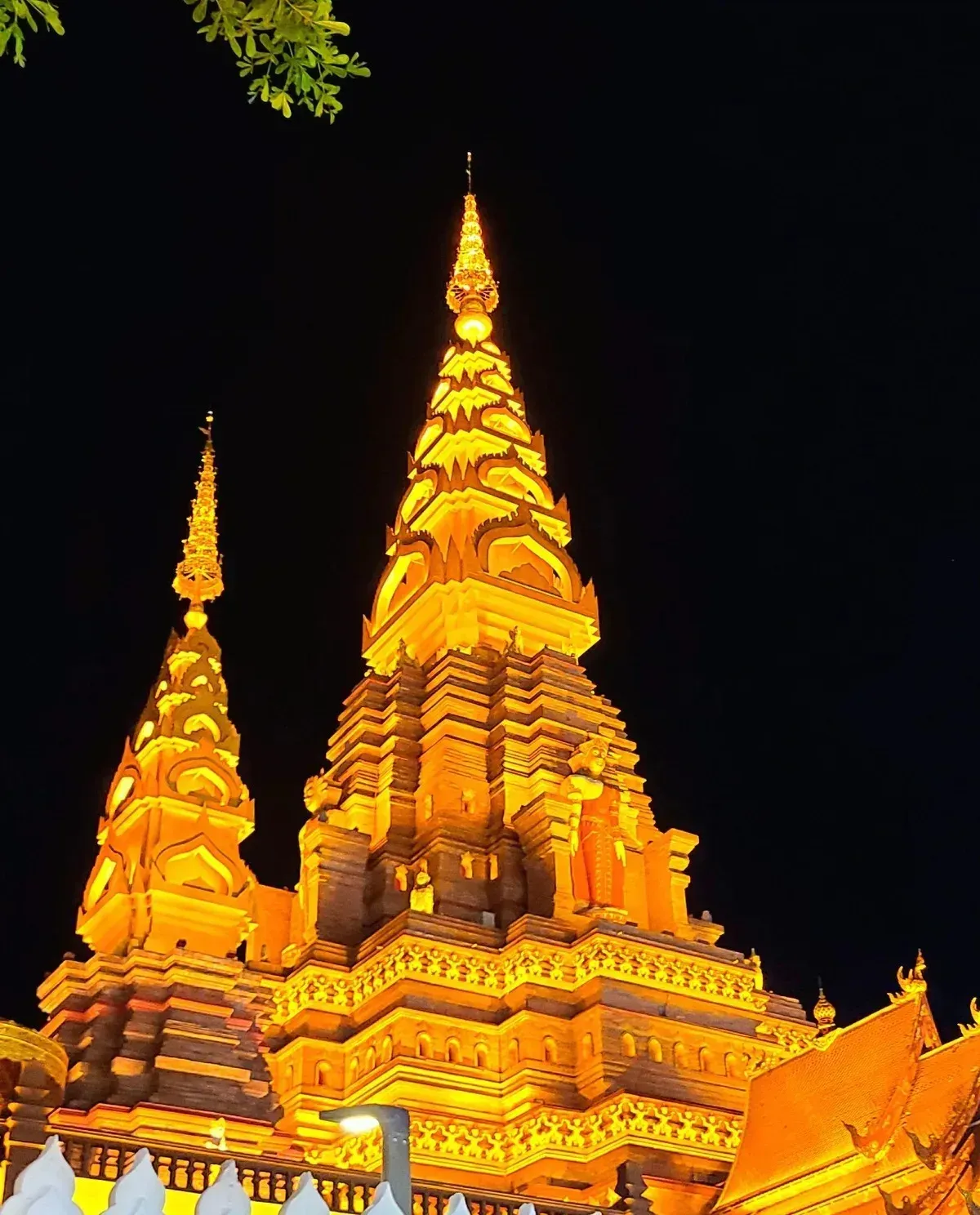
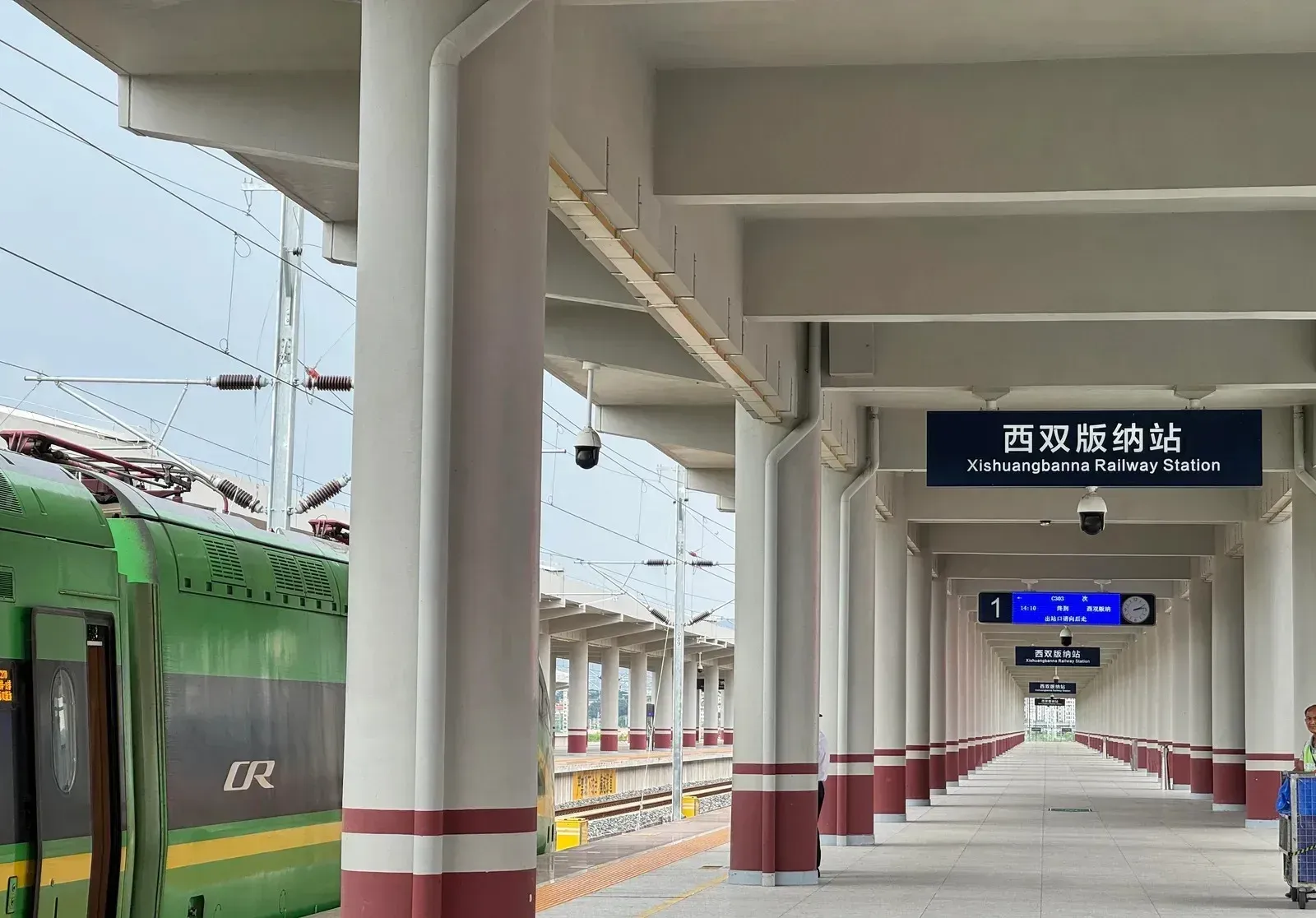
Whether to add Xishuangbanna to your Yunnan trip depends mainly on your total travel days and your interest in tropical nature. The China-Laos Railway opened fully on December 3, 2021, linking Kunming and Jinghong with over 20 bullet trains each day, taking about 3 to 4 hours one way. If you want to experience tropical rainforests, Theravada Buddhist architecture, and Dai culture alongside Yunnan's highland lakes and snow-mountain ancient towns, the region offers a completely different scenery.
How Long Does the Train Take from Kunming to Xishuangbanna?
Taking a bullet train from Kunming to Jinghong takes about 3 to 4 hours one way. The China-Laos Railway opened on December 3, 2021, providing more than 20 daily departures throughout the day. Train services run across various time slots, so travelers can choose departures that match their schedule.
Is Local Transportation Convenient in and Around the Area?
The high-speed railway station is located in Gasa Subdistrict, Jinghong, only about 600 meters from Gasa International Airport (JHG). The airport sits in the southwestern part of Jinghong, about 5.6 kilometers from the city center. Because the train station and airport stand side by side, transfers between air and rail are straightforward.
When traveling around Xishuangbanna city areas in Jinghong, taxis start at 7 yuan for the first 3 kilometers, which includes a 2 yuan fuel surcharge. Reaching outlying sights such as Mengla County requires road transport, as several key attractions are relatively far from downtown.
| Transport or Hub | Location and Coverage | Operating Time and Distance Data |
|---|---|---|
| China-Laos Railway bullet trains | Kunming to Jinghong | Over 20 daily trains, about 3 to 4 hours one way |
| Jinghong high-speed station | Gasa Subdistrict, Jinghong | About 600 meters from the airport |
| Gasa International Airport (JHG) | Southwest Jinghong | About 5.6 kilometers from downtown Jinghong |
| Downtown taxis | Jinghong urban area | Starting fare 7 yuan (covers 3 kilometers, includes 2 yuan fuel surcharge) |
What Unique Rainforest Sights Can You Visit?
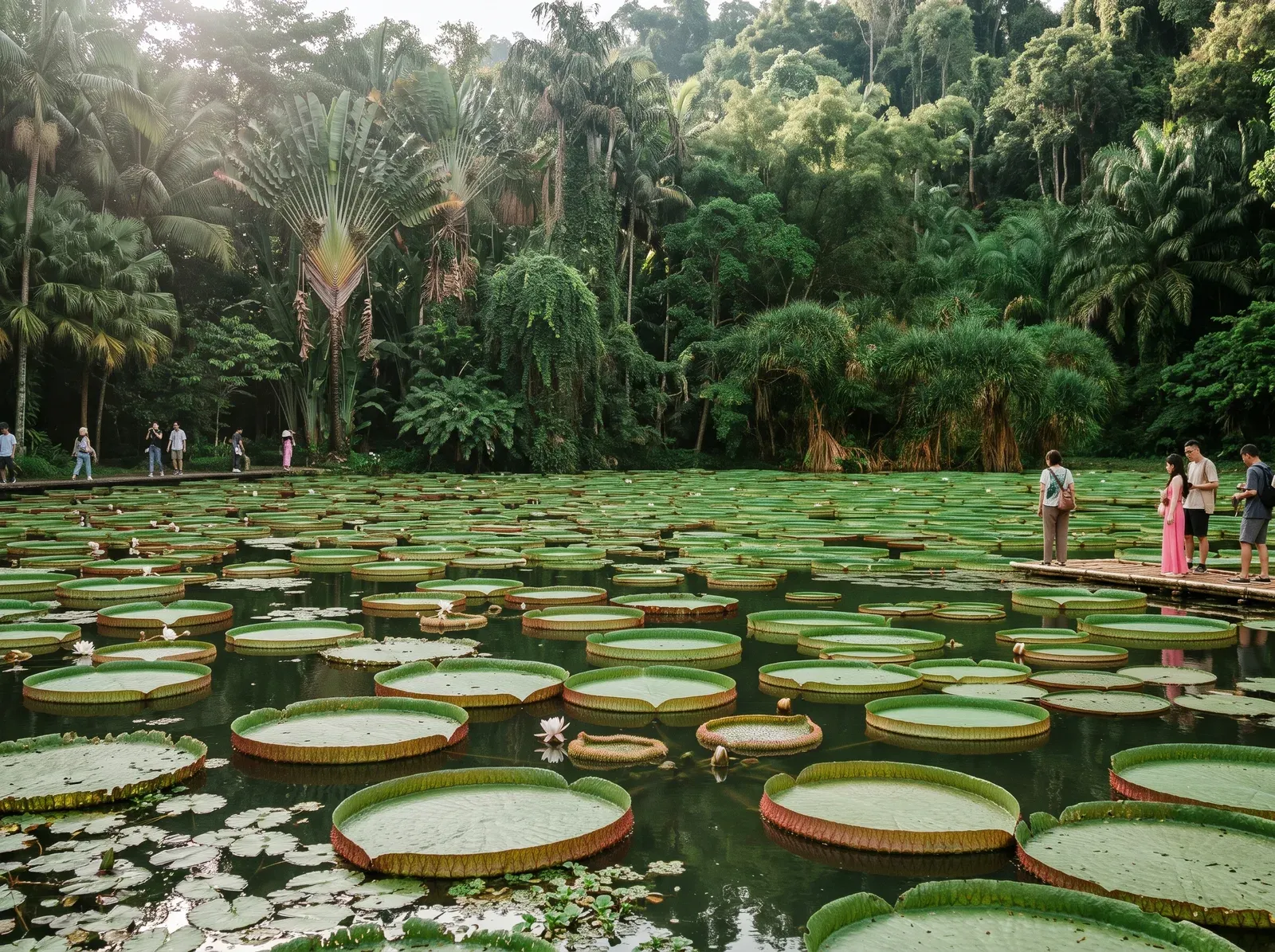
In Xishuangbanna, China, travelers can experience typical tropical rainforest ecosystems as well as rare plants and animals. Located in Mengla County, the Tropical Botanical Garden of the Chinese Academy of Sciences was founded in 1959. Covering 1,125 hectares, it holds more than 13,000 species of tropical plants, allowing visitors to view a vast variety of flora.
Also in Mengla County, Mengla Wangtianshu Scenic Area is known for its groves of sky-scraping Parashorea trees reaching 70 to 80 meters high and its canopy skywalk. Visitors can step onto the suspended walkway to observe the structure of the rainforest canopy from above.
In terms of wildlife, the area is home to the largest wild Asian elephant population in China, along with rare species such as wild oxen and green peafowl. These rainforest resources are rarely found across Yunnan's higher-elevation areas.
What Cultural Sights and Night Markets Are Worth Exploring?
Cultural sights here are characterized by Theravada Buddhist architecture and lively night markets. Located in Jinghong, Manting Imperial Garden was once the royal garden of the Dai rulers. It combines Theravada Buddhist buildings, tropical greenery, and ethnic cultural displays, making it a key place to learn about Dai royal history and traditional religious architecture.
Next to the New Bridge in Jinghong, Gaozhuang hosts the large Starlight Night Market along the Mekong River. The market brings together numerous food stalls and handicraft booths by the river at dusk, offering a lively taste of urban nightlife.
| Attraction or Cultural Site | Location | Key Features and Data |
|---|---|---|
| Chinese Academy of Sciences Tropical Botanical Garden | Mengla County | Founded in 1959, covers 1,125 hectares, preserves over 13,000 tropical plant species |
| Mengla Wangtianshu Scenic Area | Mengla County | Parashorea groves 70 to 80 meters tall, rainforest canopy walkway |
| Manting Imperial Garden | Jinghong | Former Dai royal garden, combining Theravada Buddhist architecture, tropical plants, and cultural displays |
| Gaozhuang Starlight Night Market | Near the New Bridge, Jinghong | Large Mekong riverside night market with street food and handmade crafts |
| Wild Asian elephants and rare wildlife | Southern Yunnan | Holds China's largest wild Asian elephant population, with wild oxen and green peafowl |
What Is the Weather Like, and When Is the Best Time to Visit?
The climate stays warm and humid year-round without distinct four seasons, with annual average temperatures between 18.6 and 22.9°C. The local weather is divided into a dry season from November to April and a wet season from May to October. The dry season has relatively little rainfall and pleasant temperatures, making it a good time to avoid winter cold and tour the outdoors.
The Dai New Year (Water Splashing Festival) takes place each year from April 13 to 15, lasting for 3 days. If you want to experience the rich local festive atmosphere, you can visit in mid-April.
What Should You Consider Before Adding It to Your Plan?
If your total Yunnan travel days are tight, consider prioritizing Kunming, Dali, and Lijiang rather than trying to fit in extra destinations. Because the prefecture lies in southernmost Yunnan and bullet trains take around 3 to 4 hours each way, round-trip travel and sightseeing require dedicated days.
Regarding seasons, the wet season from May to October brings frequent rain and higher humidity, so rain gear is necessary for outdoor activities. In addition, if you have traveled extensively in Southeast Asian countries, the Theravada Buddhist architecture and night markets may feel somewhat familiar, so consider your personal preferences before deciding.
Sources
China-Laos Railway - Wikipedia
Local High-Speed Railway Station - Wikipedia
Gasa International Airport - Wikipedia
Dai Autonomous Prefecture - Wikipedia
Tropical Botanical Garden - Wikipedia
Sources verified on November 8, 2026
FAQ
When does the Dai Water Splashing Festival take place?
The Dai New Year (Water Splashing Festival) is celebrated every year from April 13 to 15, with festivities lasting 3 days.
Are there frequent high-speed trains to Xishuangbanna from Kunming?
Train departures are frequent. Following the opening of the China-Laos Railway, more than 20 daily bullet trains run from Kunming to Jinghong, taking about 3 to 4 hours one way.
Is the high-speed railway station far from Gasa Airport?
It is very close. The railway station is in Gasa Subdistrict, Jinghong, only about 600 meters from Gasa International Airport.
How are taxi fares calculated in local urban areas?
In Jinghong, taxi fares start at 7 yuan for the first 3 kilometers, which includes a 2 yuan fuel surcharge.
Which months make up the dry season?
The dry season runs from November to April, while the wet season runs from May to October. The region is warm and humid year-round without distinct seasons, with an annual average temperature between 18.6 and 22.9°C.