Tourist Attractions in Shanghai: Landmarks and Routes
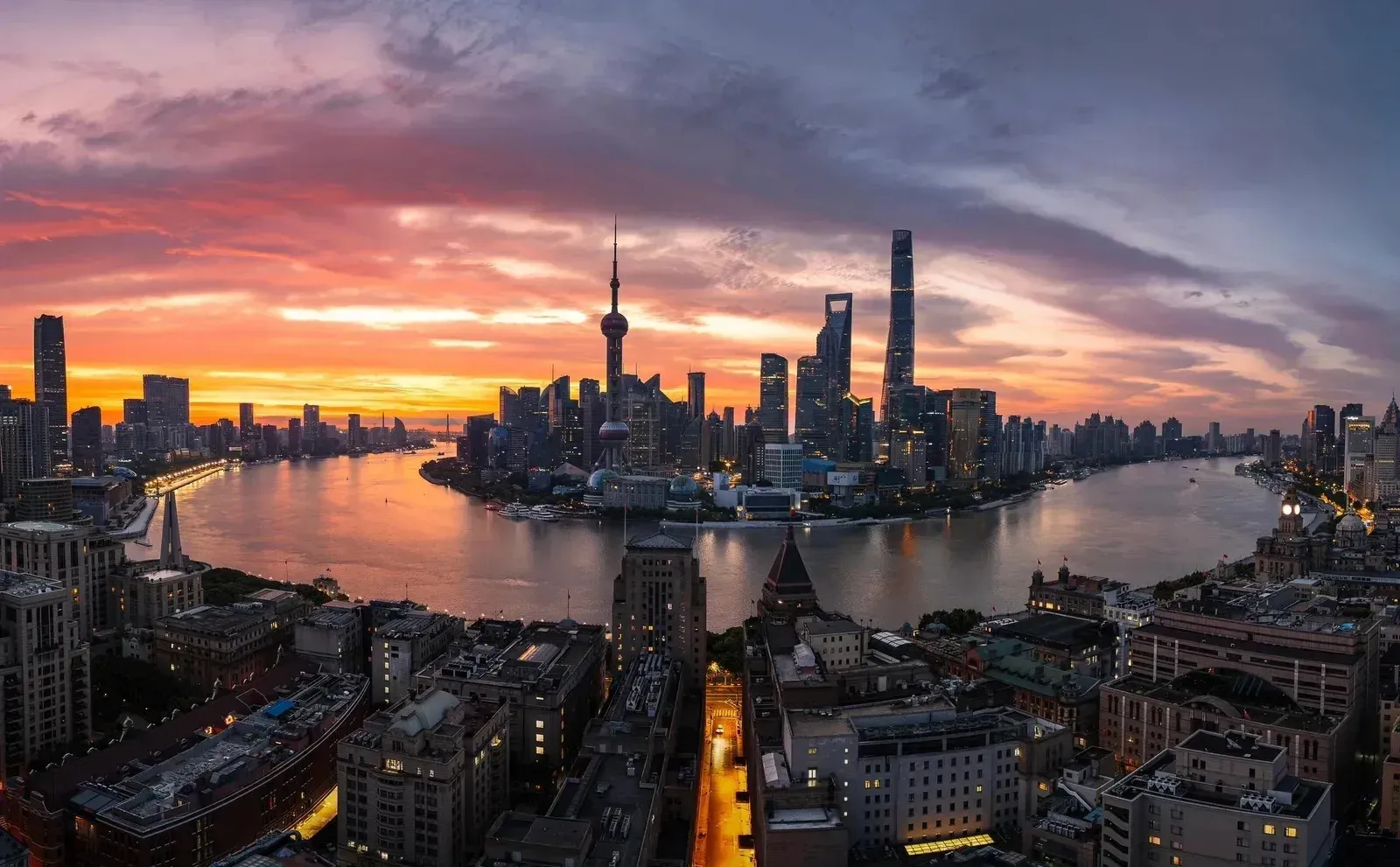
Key tourist attractions in Shanghai are concentrated on both sides of the Huangpu River. Highlights include the Bund with its 52 classic buildings, Yu Garden dating back to 1559, Shanghai Tower with its 546-meter-high observation deck, and the Shanghai Museum housing more than 120,000 cultural artifacts. First-time visitors can begin in Puxi with historic neighborhoods and cultural venues, then head to Pudong for high-rise viewing decks, and continue to the suburban water town of Zhujiajiao in Qingpu. This sequence shows Jiangnan heritage, modern Haipai history, and contemporary cityscapes.
What Architectural Features Define Core Shanghai Landmarks?
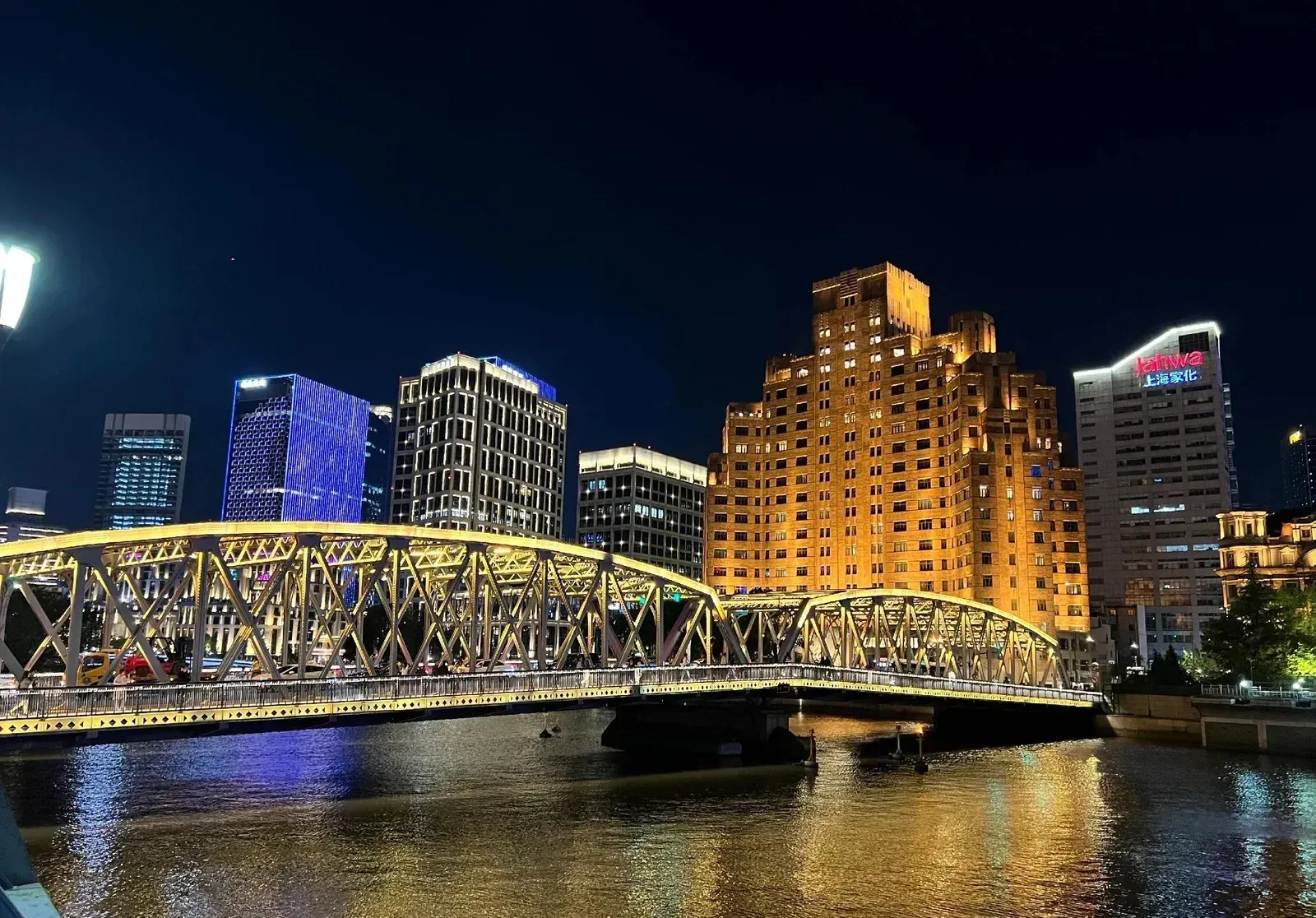
The Bund stretches 1.6 kilometers (1 mile) along the bank of the Huangpu River, starting from Yan'an Road in the south to Waibaidu Bridge across Suzhou Creek in the north. According to architectural records, 52 buildings stand along the Bund, covering various classic Western styles including Eclecticism, Romanesque Revival, Gothic Revival, Renaissance Revival, Baroque Revival, Neoclassicism, and Art Deco. Walking along the riverside promenade, visitors can closely observe stone facades and dome structures from different historical periods.
Across the river, Shanghai Tower represents modern high-rise architecture. According to information released by the building, its observation decks on the 118th floor (546 meters high) and the 119th floor (552 meters high) opened fully to the public on April 26, 2017. From these decks, visitors can look down over the entire Huangpu River and the Lujiazui skyline.
Which Classic Attractions Should You Visit in Historic Puxi?
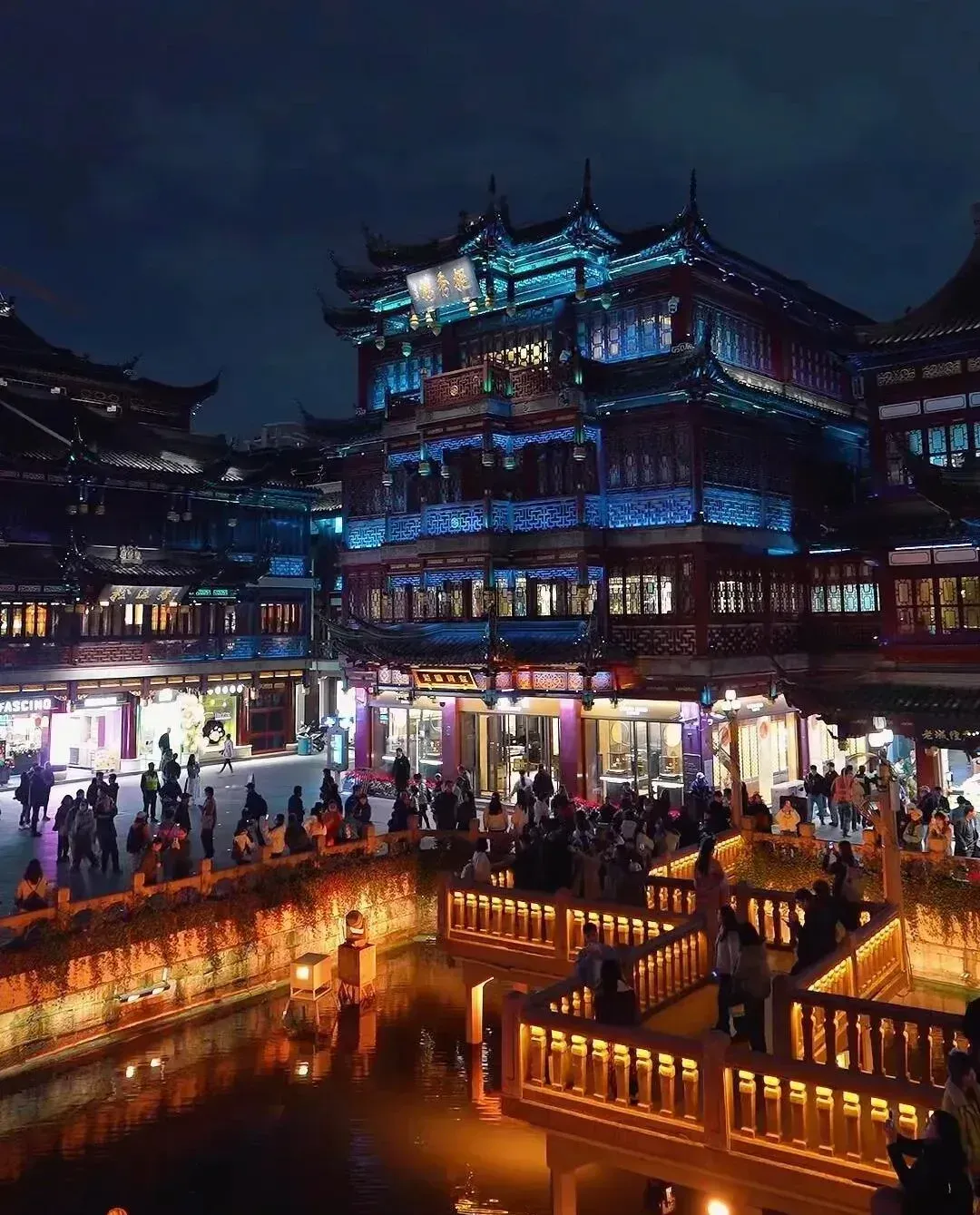
Yu Garden is a representative Jiangnan classical garden in Shanghai's Old City. It was founded in 1559 during the Ming Dynasty by Pan Yunduan for his father Pan En to enjoy his retirement. According to garden records, Yu Garden now covers 2 hectares (5 acres). Before entering the garden, visitors cross the Nine-Turn Bridge, which spans a pond and leads past the Mid-Lake Pavilion. Inside, delicate rockeries, brick carvings, pavilions, and towers showcase Ming and Qing gardening craft along with local life.
Connecting the Bund with core commercial districts, Nanjing Road Pedestrian Mall is an important way to feel the city's lively retail scene. Between 2019 and 2020, the section from Middle Henan Road to the Bund (East Zhongshan 1st Road) was converted into a pedestrian-only walkway, extending the street directly east to the riverfront. Walking along this pedestrian section, you can reach the river without crossing traffic lanes.
In the People's Square area, Shanghai Museum is an important window into traditional Chinese art. According to museum data, Shanghai Museum houses over 120,000 cultural artifacts, including ancient Chinese bronzes, ceramics, calligraphy, furniture, jades, coins, and paintings. The exhibitions show the evolution of ancient craft techniques, calligraphy, and painting, making it worth setting aside ample time to explore.
How Do Major Tourist Attractions in Shanghai Compare?
To help plan your trip, you can compare the location, history, and key features of these central landmarks and cultural sites side by side:
| Attraction | Area | Scale and Historical Data | Key Features |
|---|---|---|---|
| The Bund | West bank of the Huangpu River | Extends 1.6 km (1 mile), with 52 buildings | Classic Western styles including Eclecticism and Neoclassicism |
| Yu Garden | Old City, Huangpu District | Founded in 1559 in Ming Dynasty, covers 2 hectares (5 acres) | Nine-Turn Bridge, Mid-Lake Pavilion, and Ming-Qing classical garden design |
| Shanghai Tower | Lujiazui, Pudong New Area | Observation decks on floor 118 (546 m) and floor 119 (552 m) opened on April 26, 2017 | High-altitude views over the Huangpu River and city skyline |
| Nanjing Road Pedestrian Mall | Huangpu District | Upgraded between 2019 and 2020 from Middle Henan Road to East Zhongshan 1st Road | Pedestrian-only walkway directly connecting to the Bund waterfront |
| Shanghai Museum | People's Square, Huangpu District | Houses over 120,000 cultural artifacts | Ancient Chinese bronzes, ceramics, calligraphy, furniture, and paintings |
| Zhujiajiao Ancient Town | Qingpu District | Established about 1,700 years ago, with 36 ancient stone bridges | Jiangnan water town scenery with crisscrossing waterways and stone bridges |
How Should You Plan Your First Route in Shanghai?
For your first visit to Shanghai, you can arrange your sightseeing route along both sides of the Huangpu River. In Puxi, start at Shanghai Museum to view ancient artifacts, then walk east along Nanjing Road Pedestrian Mall directly to the Bund to see the 52 historic buildings. From there, head into the Old City to explore Yu Garden and the Nine-Turn Bridge.
After exploring the historic areas of Puxi, cross the river to Lujiazui in Pudong and head up to the observation deck on the 118th or 119th floor of Shanghai Tower for wide views of the river and the city. If you have more time in Shanghai, you can also plan a trip to Zhujiajiao Ancient Town in Qingpu District. There you can experience a water settlement founded about 1,700 years ago and walk across 36 ancient stone bridges spanning the waterways.
For arrival and departure, travelers entering or leaving the city through Pudong International Airport can take the maglev train. The Shanghai Maglev demonstration line runs between Longyang Road Station and Pudong International Airport, covering 30 kilometers in 8 minutes and 10 seconds one way. This transfer connects the airport and the city transit hub in just a few minutes.
What Should You Know Before Visiting Shanghai?
When planning your schedule, pay attention to opening hours and weather conditions. Walking outdoors along the Bund and Nanjing Road Pedestrian Mall requires no admission tickets. However, visibility from the observation deck at Shanghai Tower can be affected by rain or low clouds, so adjusting your ascent based on the weather is recommended. In addition, cultural venues like Shanghai Museum and Yu Garden may hold regular maintenance or seasonal closures, so check official updates before your visit.
For travelers who prefer an unhurried pace across downtown Shanghai and Jiangnan water towns, regional transit and city transfers can be handled by professionals. If you need a customized multi-day itinerary, your travel designer can plan the route, and your driver can provide door-to-door rides and accompaniment throughout, saving you the hassle of public transit transfers and navigation.
Sources
The Bund - Wikipedia
Yu Garden - Wikipedia
Shanghai Tower - Wikipedia
Nanjing Road - Wikipedia
Shanghai Museum - Wikipedia
Zhujiajiao - Wikipedia
Shanghai maglev train - Wikipedia
Sources verified on November 6, 2026.
FAQ
Is there fast rail transit from Pudong International Airport to the city?
The Shanghai Maglev demonstration line operates between Longyang Road Station and Pudong International Airport. It covers 30 kilometers in 8 minutes and 10 seconds one way, connecting directly to city metro lines at the station.
Can you walk directly from Nanjing Road Pedestrian Mall to the Bund?
Yes. The pedestrian mall completed an eastward extension between 2019 and 2020. The section from Middle Henan Road to East Zhongshan 1st Road at the Bund is fully pedestrianized, allowing you to walk straight to the waterfront.
What is the history and main highlight of Yu Garden?
Built in 1559 during the Ming Dynasty by Pan Yunduan for his father's retirement, Yu Garden now covers 2 hectares. Before entering, visitors cross the Nine-Turn Bridge over a pond by Mid-Lake Pavilion, offering a classic Jiangnan garden experience.
Which floor do you visit for the observation deck at Shanghai Tower?
Observation decks open to the public are located on the 118th floor (546 meters high) and the 119th floor (552 meters high). Fully open since April 26, 2017, they provide high-altitude views across the city.
Can you visit a traditional Jiangnan water town near downtown Shanghai?
Yes. Zhujiajiao Ancient Town in Qingpu District was established about 1,700 years ago, featuring 36 ancient stone bridges and crisscrossing canals, making it a fitting destination to experience a Jiangnan water town.