Sichuan China Travel Guide: Cities, Sights and Routes
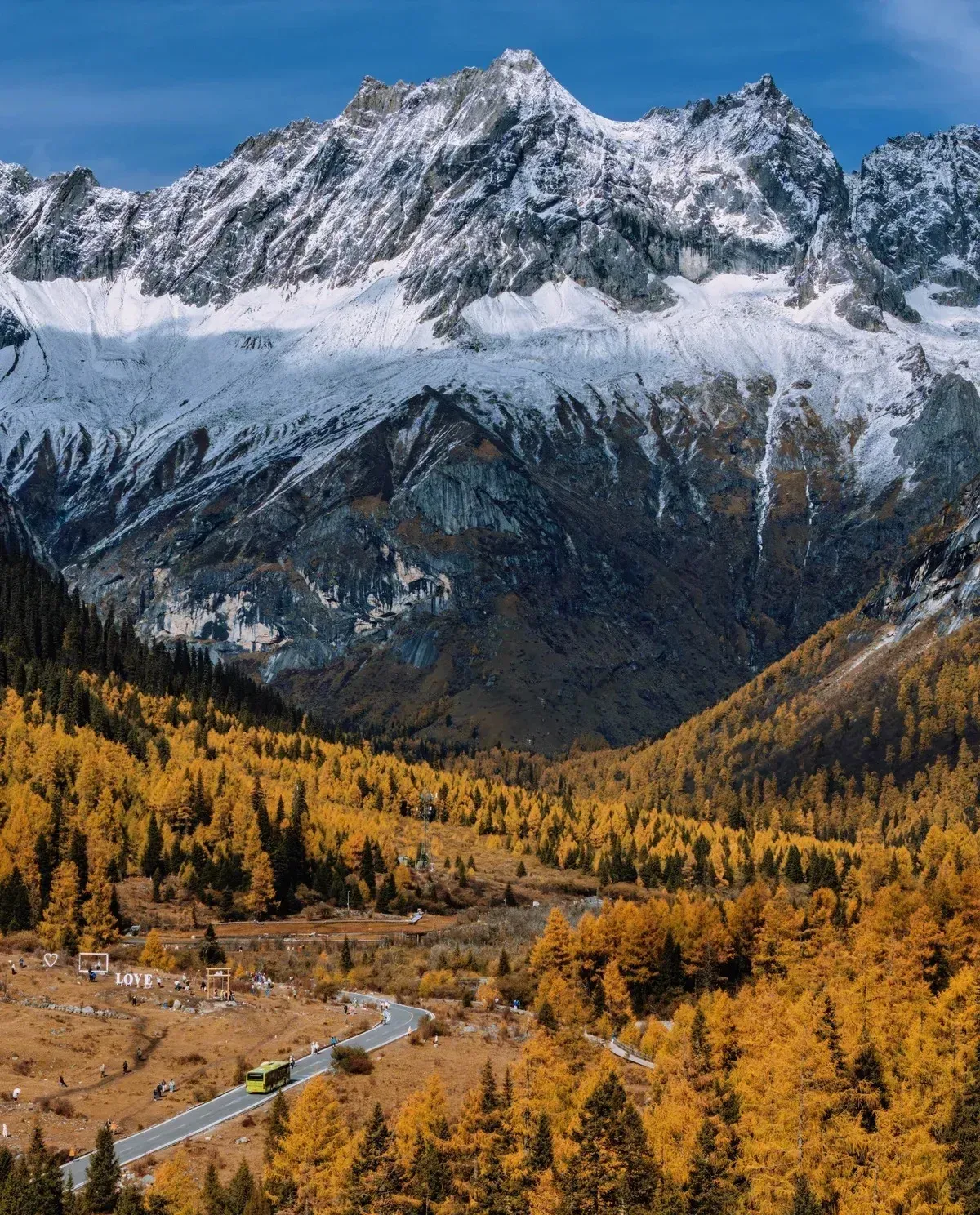
When traveling in Sichuan China, most itineraries center on the provincial capital of Chengdu. The province is home to 5 UNESCO World Heritage sites: Jiuzhaigou, Huanglong, Mount Qingcheng and the Dujiangyan Irrigation System, Mount Emei and the Leshan Giant Buddha, and the Sichuan Giant Panda Sanctuaries. Since the Zhenjiangguan to Huangshengguan section of the Sichuan-Qinghai Railway opened on August 30, 2024, travel from Chengdu East Station to Huanglongjiuzhai Station takes as little as 1 hour and 39 minutes. Travelers can transfer from train to bus at this station to reach Jiuzhaigou and Huanglong directly. Understanding the geographic layout and transit routes helps when planning a trip.
How are major cities and five regions distributed in Sichuan China?
Administratively, Sichuan has 1 sub-provincial city (Chengdu), 17 prefecture-level cities, and 3 ethnic autonomous prefectures: Ngawa Tibetan and Qiang Autonomous Prefecture, Garze Tibetan Autonomous Prefecture, and Liangshan Yi Autonomous Prefecture. Geographically and for planning purposes, the province is usually divided into five main areas: Chengdu Plain, Northeast Sichuan, South Sichuan, Panxi, and Northwest Sichuan. When looking at a Sichuan map, travelers can clearly see the terrain divide marked by the Longmen Mountains and the Daliang Mountains.
Sichuan drops in elevation from west to east along the line of the Longmen Mountains and Daliang Mountains. It roughly splits into the eastern Sichuan Basin with its rim mountains, and the western alpine plateaus and southwestern mountains. Mount Gongga, the main peak of the Daxue Mountains in western Sichuan, is the highest point in the province at 7,556 meters. The provincial capital of Chengdu lies in the Chengdu Plain area, serving both as the main transit hub and as the starting point for trips into the northwest plateaus and southwest mountains.
What world heritage sites and historic landmarks are in the Sichuan region?
The province holds 5 UNESCO World Heritage sites: Jiuzhaigou, Huanglong, Mount Qingcheng and the Dujiangyan Irrigation System, Mount Emei and the Leshan Giant Buddha, and the Sichuan Giant Panda Sanctuaries. Among them, the Dujiangyan water conservation project was built under Li Bing, governor of Shu Prefecture during the reigns of King Zhaoxiang and King Zhuangxiang of Qin. It dredged the Jianjiang and Pijiang rivers, creating the irrigation system that made the Chengdu Plain known as the land of abundance. Within Chengdu, there is the Chengdu Research Base of Giant Panda Breeding, and many other panda reserves and research bases operate across the province.
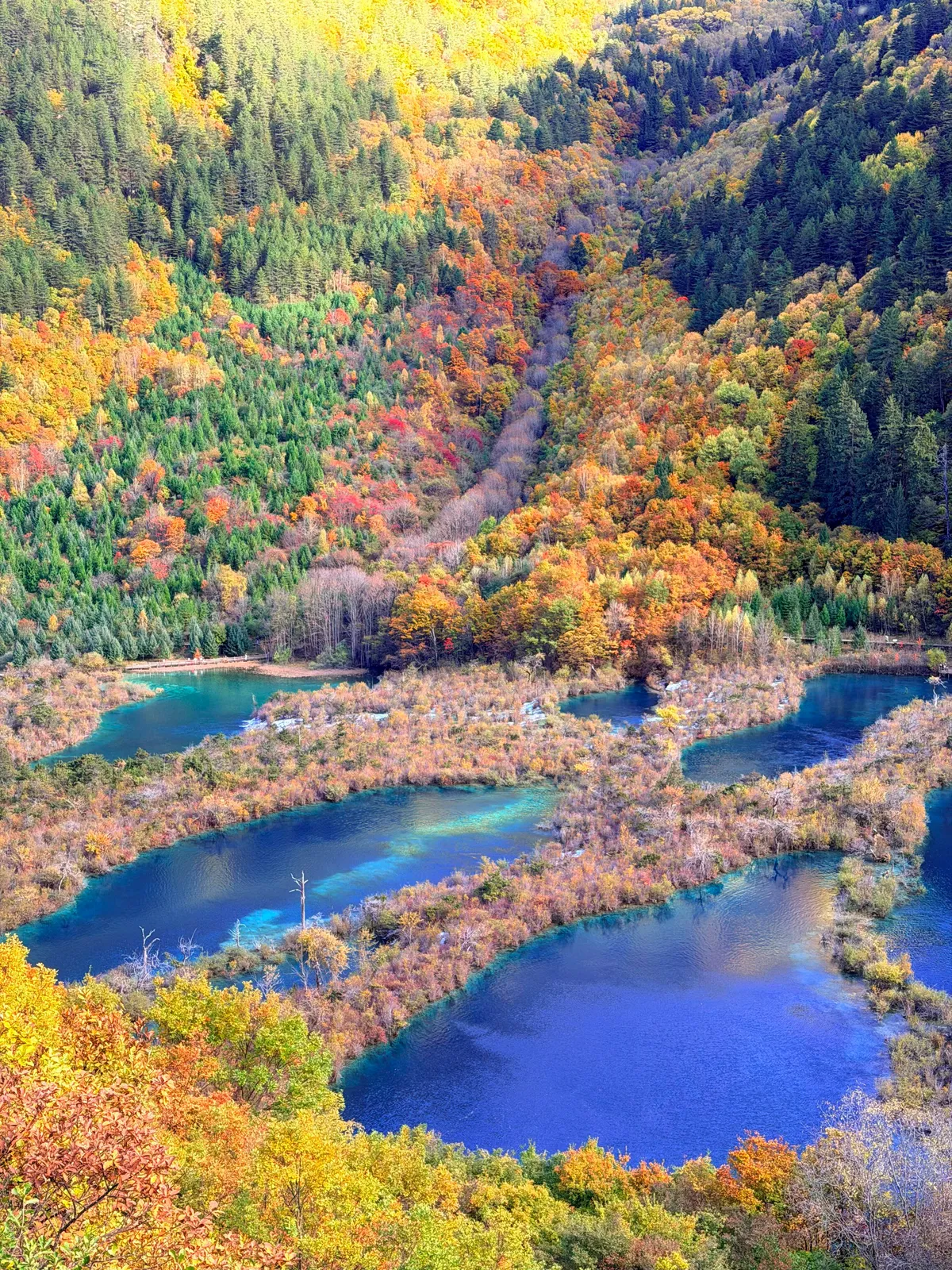
The Sanxingdui site in Guanghan, Deyang, is considered an ancient capital of the Shu Kingdom. First discovered in 1929, the site revealed two major sacrificial pits in 1986 along with numerous bronze and jade artifacts, confirming an advanced ancient bronze civilization. Among the World Heritage sites, Mount Emei and the Leshan Giant Buddha sit in southern Sichuan, while Jiuzhaigou and Huanglong lie in Ngawa Tibetan and Qiang Autonomous Prefecture in the northwest.
What rail and road routes lead to Jiuzhaigou and northwest Sichuan?
To reach Jiuzhaigou in northwest Sichuan, travelers can choose high-speed trains or highway routes. The Chengdu East to Huangshengguan section of the Sichuan-Qinghai Railway operates up to 30 bullet trains daily. Departing from Chengdu East Station, the fastest train takes 1 hour and 33 minutes to Songpan Station, 1 hour and 39 minutes to Huanglongjiuzhai Station, and 1 hour and 54 minutes to Huangshengguan Station. By road, Chengdu connects to Jiuzhaigou mainly via the west and east ring roads, while another road corridor enters from Lanzhou in Gansu.
| Route Name | Origin and Destination | Main Points Along the Way | Total Distance or Fastest Time |
|---|---|---|---|
| Sichuan-Qinghai Railway High-Speed Train | Chengdu East Station to Huanglongjiuzhai Station | Songpan, Huanglongjiuzhai | Fastest time 1 hour and 39 minutes |
| West Ring Road | Chengdu to Jiuzhaigou | Dujiangyan, Wenchuan, Maoxian, Songpan | Total length about 440 kilometers |
| East Ring Road | Chengdu to Jiuzhaigou | Mianyang, Jiangyou, Pingwu | Total length about 480 kilometers |
| Lanzhou to Jiuzhaigou Highway | Lanzhou, Gansu to Jiuzhaigou | Linxia, Hezuo, Luqu, Zoige, Chuanzhusi | Total route 711 kilometers |
How do climate and travel conditions vary across different areas of Sichuan?
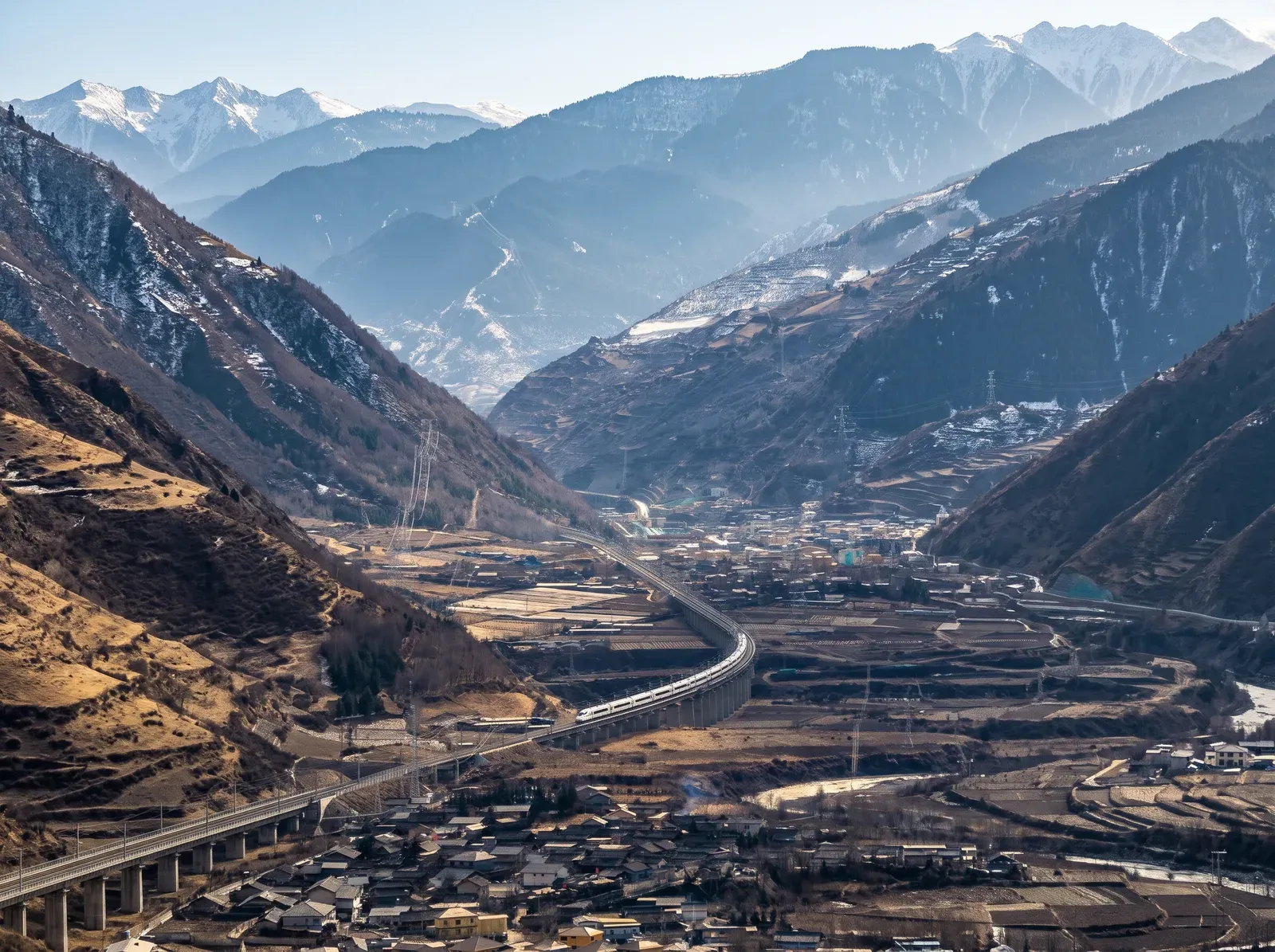
The eastern Sichuan Basin has a subtropical monsoon climate, while the western plateau is mainly shaped by vertical elevation changes, shifting from subtropical in the south to subarctic in the north. Most of the western Sichuan plateau has an annual average temperature below 8°C, with January averages around -5°C and July averages of only 10 to 15°C, featuring long winters and no true summer. Valleys in the southwestern mountains have annual average temperatures between 15 and 20°C.
Seasonal weather on the plateau also affects trail access within scenic areas. During the off-peak season from November 16 to March 31 each year, Jiuzhaigou closes several boardwalk sections for winter conservation, including the route from Long Lake parking lot to Multi-Colored Pond and from the Primeval Forest to Rize Protection Station. Travelers planning a winter visit to Jiuzhaigou need to account for these seasonal boardwalk closures.
If you want to connect sights across Sichuan smoothly, Uncle Panda Travel can arrange a private customized itinerary. Your travel designer coordinates train schedules and road conditions to structure the route, and provides a private vehicle with your driver handling transfers along the way.
Sources
Sichuan Province - Wikipedia
Sichuan - Wikipedia
From August 30, Chengdu East Station to Huanglongjiuzhai Station reachable in 1 hour and 39 minutes - People's Daily Online Sichuan
Jiuzhaigou National Park Official Website - How to Arrive
Jiuzhaigou National Park Official Website - Ticket Prices
Sources verified on November 6, 2026
FAQ
Which station should travelers use for Jiuzhaigou on the Sichuan-Qinghai Railway?
When taking the Sichuan-Qinghai Railway high-speed train to Jiuzhaigou, get off at Huanglongjiuzhai Station. The fastest train from Chengdu East Station takes only 1 hour and 39 minutes, and passengers can transfer to buses right outside the station for Jiuzhaigou and Huanglong.
Where is the highest elevation in Sichuan?
The highest point in the province is Mount Gongga, the main peak of the Daxue Mountains in western Sichuan, standing at 7,556 meters.
What road route runs from Lanzhou, Gansu to Jiuzhaigou?
The road from Lanzhou, Gansu to Jiuzhaigou passes through Linxia, Hezuo, Luqu, Zoige, and Chuanzhusi, covering a total distance of 711 kilometers.
Are all boardwalks open during winter in Jiuzhaigou?
Not all of them are open. During the off-peak season from November 16 to March 31 each year, Jiuzhaigou closes several boardwalk sections for winter conservation, including the stretches from Long Lake parking lot to Multi-Colored Pond and from the Primeval Forest to Rize Protection Station.