
Northern China Travel: Top Cities and Classic Routes
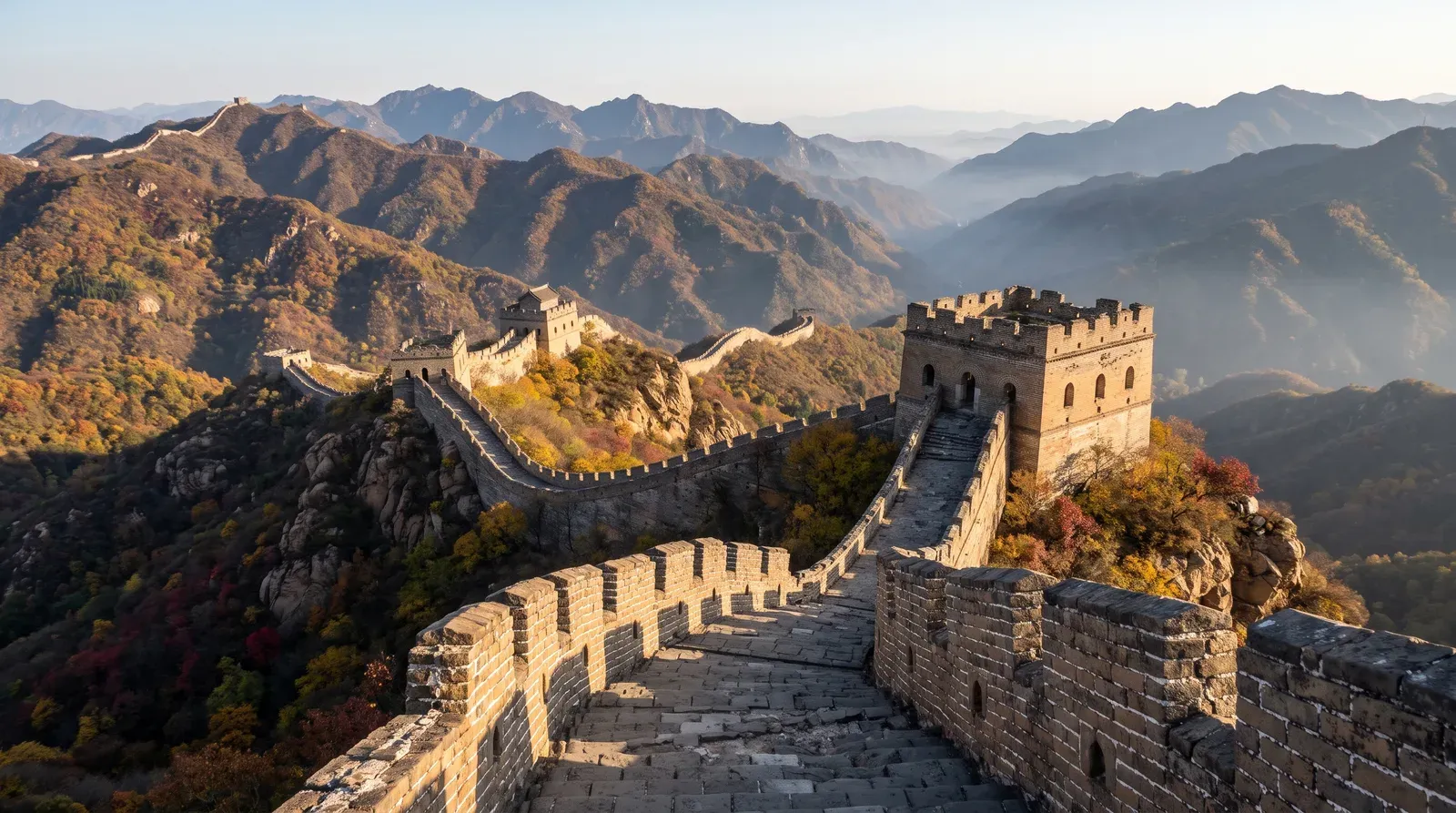
Northern China covers a vast area. Geographically, northern and southern China are usually divided by the Qinling Mountains and Huai River line, which roughly coincides with the January 0°C isotherm and the 800 mm precipitation line. When planning a first trip to the region, Beijing makes a practical central hub. With a 600-year history as a capital and an elevation of 44 meters, it offers 3 to 4 days to visit the Forbidden City and the Great Wall before you travel to Xi'an or northeastern cities by high-speed rail.
Which Key Cities and Climates Define Northern China?
Winters in northern China are long, cold, and dry, with temperatures often staying below freezing. Summers are hot and humid, while the transition seasons are relatively short. According to information released in October 2023 by the Ministry of Housing and Urban-Rural Development, Xi'an and Shenyang are both megacities with an urban permanent population of 5 million to 10 million, each presenting distinct characteristics among cities in the north.
For travel seasons, recommended months for Beijing and Xi'an fall mainly in spring and autumn, when mild weather suits outdoor activities. Harbin is famous for its winter ice and snow scenes. From mid-to-late December to February each year is a suitable time to visit the Ice and Snow World and the Songhua River.
| City | Recommended Time and Season | Geography, Climate, and City Scale | Key Highlights and Transport |
|---|---|---|---|
| Beijing | 3 to 4 days, best in April to May and September to October | 600-year capital history, elevation of 44 meters | Forbidden City, Mutianyu Great Wall, connected by Beijing-Shenyang and Beijing-Shijiazhuang-Zhengzhou high-speed rails |
| Xi'an | At least 3 days recommended, best in spring and autumn | Megacity, hot summers with strong sunshine | Terracotta Army, Ming City Wall, Xi'an North railway station with 34 platform faces |
| Shenyang | Mild spring and autumn, four distinct seasons | Megacity (urban permanent population of 5 million to 10 million) | Shenyang Imperial Palace, Qing Zhao Mausoleum (Beiling), directly accessible by Shenyang Metro Line 2 |
| Harbin | Winter visits from mid-to-late December to February | Coldest in January with an average low of -22.4°C | Ice and Snow World, Sun Island Snow Expo, directly accessible by Harbin-Dalian alpine high-speed railway |
Classic Ancient Capitals: How to Connect Beijing and Xi'an
Beijing and Xi'an represent the core of ancient Chinese civilization, closely connected by high-speed rail. Since the Beijing-Shijiazhuang-Zhengzhou high-speed railway opened at the end of 2012, direct high-speed trains operate between Beijing and Xi'an via Zhengzhou, making travel between the two cities very convenient.
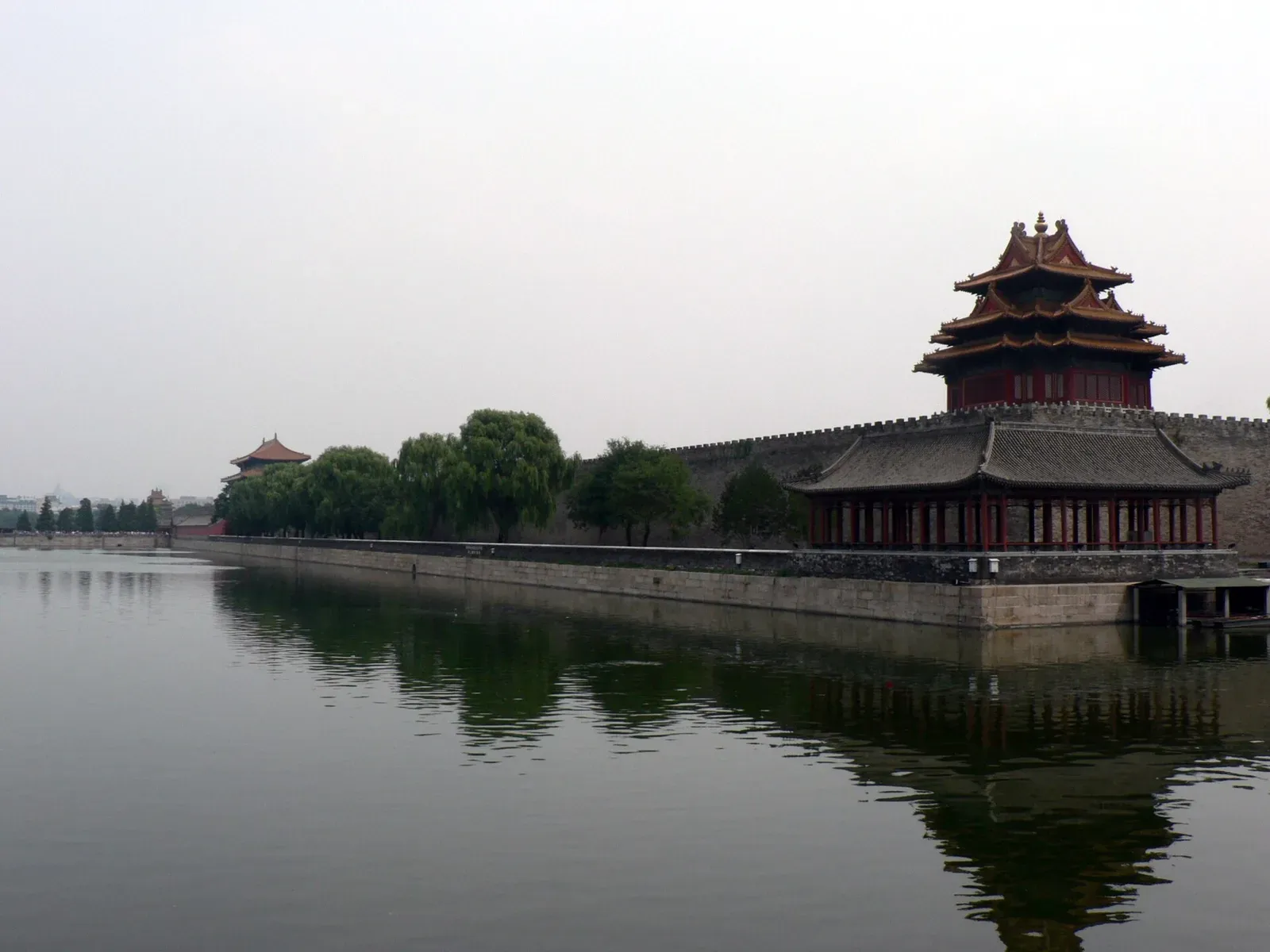
In Beijing, 3 to 4 days are recommended to visit highlights like the Forbidden City, Mutianyu Great Wall, and Shichahai Hutongs. When visiting the Palace Museum, note that it is closed on Mondays throughout the year except on statutory holidays. Tickets must be booked in advance, opening as early as 20:00, 7 days before your visit.
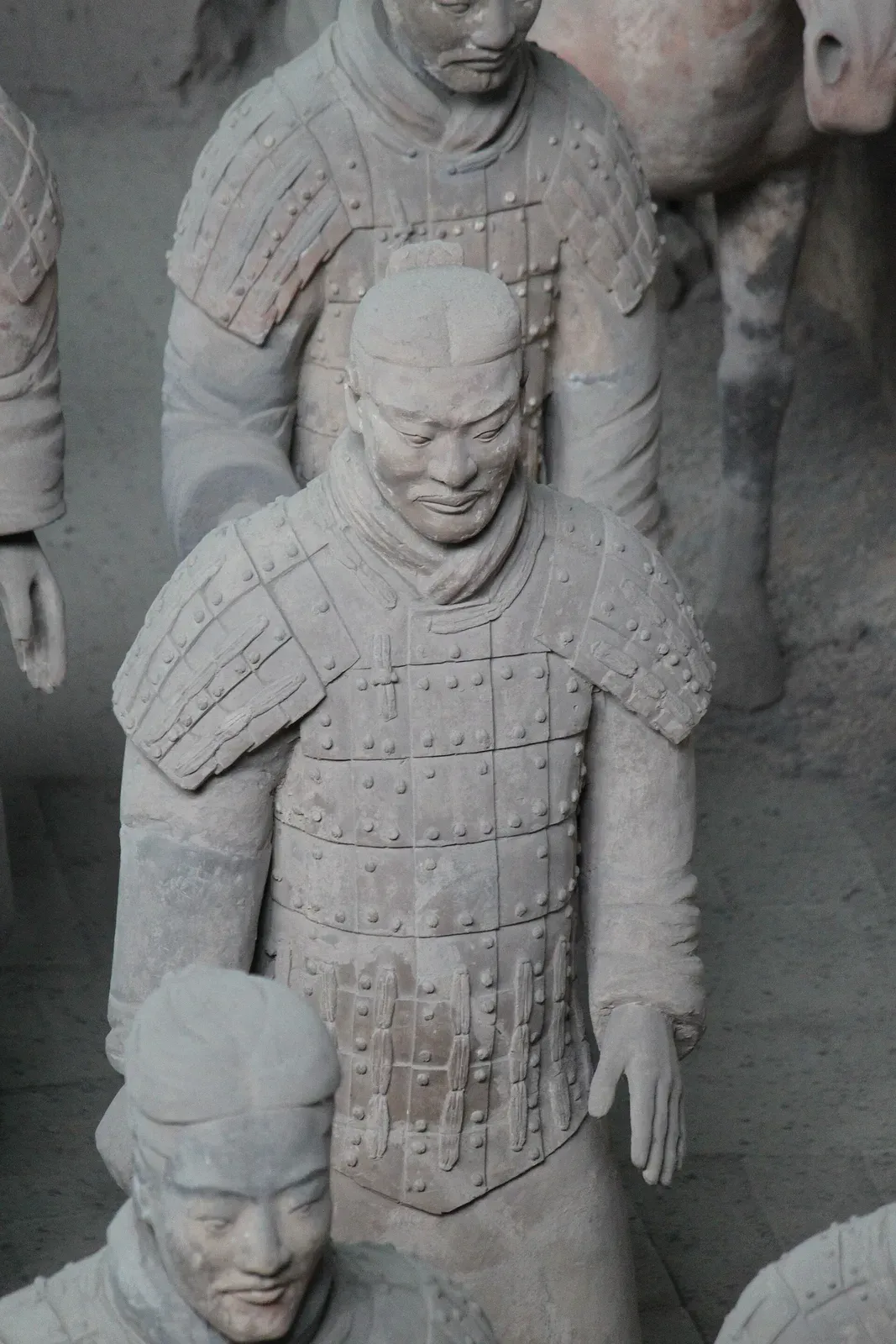
As the starting point of the ancient Silk Road, Xi'an requires at least 3 days according to travel guides. Inscribed on the UNESCO World Heritage List in 1987, the Mausoleum of the First Qin Emperor and the Terracotta Warriors open Pit 1, Pit 2, and Pit 3 excavation sites to the public. Emperor Qinshihuang's Mausoleum Site Museum consists of the Museum of Qin Terracotta Warriors and Horses and Lishan Garden. Each site takes about 1.5 hours to tour, and ticket holders can take the free shuttle bus between them.

Beyond the Terracotta Army, the Muslim Quarter and an evening visit to the illuminated South Gate of the Ming City Wall are also popular. According to Wikivoyage, the best seasons to visit Xi'an are spring and autumn. Summers bring intense midday sun and heat, so you should avoid touring the unshaded city wall during peak daytime hours. For transportation, Xi'an North railway station, with 34 platform faces, is the largest railway station in northwest China. Travelers can also take Xi'an Metro Line 14 between Beikezhan (Beiguangchang) station and Airport West (T1, T2, T3) station, which takes about 40 minutes one way.
Beyond the Great Wall: How to Connect Beijing, Shenyang, and Harbin
Heading north through Shanhaiguan, Shenyang and Harbin showcase early Qing dynasty history and snow-covered landscapes. The Beijing-Shenyang high-speed railway extends 700 kilometers with a maximum design speed of 350 km/h, cutting the travel time between Beijing and Shenyang from 4 hours to 2 hours and 17 minutes.
Shenyang preserves rich Qing dynasty royal heritage outside the Great Wall. Founded in 1625, Mukden Palace served as the imperial palace before the Qing moved into central China. Three emperors, Nurhaci, Hong Taiji, and Shunzhi, lived here between 1625 and 1644. Mukden Palace covers about 60,000 square meters with over 300 buildings and 20 courtyards, and was added to the UNESCO World Heritage List in 2004 as an extension of the Imperial Palaces of the Ming and Qing Dynasties in Beijing.
Built between 1643 and 1651, the Zhao Mausoleum (Beiling) in Shenyang, along with the surrounding Beiling Park, covers 3.3 million square meters (330 hectares), making it the largest of the three imperial tombs north of the Great Wall. Visitors can take Shenyang Metro Line 2 to Beilinggongyuan station, Lingxi station, or Xinleyizhi station to visit.
Continuing north from Shenyang, the Harbin-Dalian high-speed railway spans 921 kilometers, linking Shenyang, Harbin, and Dalian. As the world's first high-speed line operating in high-latitude cold regions, it can withstand extreme winter temperatures down to -40°C and features track snow-melting technology. According to China Meteorological Administration data, Harbin has a mid-temperate continental monsoon climate. The coldest month, January, has an average low of -22.4°C, with daily lows regularly falling below -20°C and occasionally dipping below -30°C.
Harbin's three main winter attractions include the Ice and Snow World, the Sun Island Snow Expo covering 1.5 million square meters (around 260 snow sculpture groups), and the Songhua River Ice and Snow Carnival (about 60 entertainment activities). The China Harbin International Ice and Snow Festival opens officially each year on January 5. The Ice and Snow World typically opens for trial operations around mid-to-late December (roughly December 17 to 20) at 10:00 a.m. The park spans a record 1.2 million square meters, and the 27th Ice and Snow World used a total of 400,000 cubic meters of ice and snow.

What Local Flavors Define Northern China's Cuisine?
In northern China, the dry and mild climate suits crops like wheat, millet, and other grains with a growing period of 4 to 6 months. Corn, sorghum, soybeans, and wheat are the main crops, making noodles, flatbreads, porridge, and dumplings staple foods. Modern dishes across North and Northeast China (including Beijing, Tianjin, and the Northeast) are heavily influenced by Shandong cuisine, with many home-cooked meals in the north adopting its techniques.
Signature Beijing dishes feature Peking duck and instant-boiled mutton. The first restaurant specializing in Peking duck was Bianyifang, founded in 1416 and located at Xianyukou near Qianmen. Today, Quanjude and Bianyifang stand as two century-old brands representing Peking duck: Quanjude is known for open-oven roasting over an open flame, while Bianyifang preserves closed-oven roasting. Unlike Sichuan hotpot, traditional Beijing instant-boiled mutton uses a copper pot with boiling clear broth to cook thinly sliced mutton, which is dipped in a sauce made of sesame paste, chili oil, and chive flower sauce, often accompanied by cabbage, tofu, and glass noodles.
Shaanxi cuisine is known for its flour-based dishes. Shaanxi Biangbiang noodles, also known as oil-splashed hand-ripped noodles, originate from Shaanxi and rank among the 'Eight Curiosities of Shaanxi' because of their belt-like width. Shaanxi roujiamo typically features chopped spiced pork slow-simmered for several hours, stuffed inside a baked leavened flatbread called baijimo, while Gansu versions often use lamb.
Northeastern Chinese cuisine is renowned for its braised and stewed dishes. The famous 'Four Great Stews of the Northeast' include pork stew with glass noodles, chicken stew with hazel mushrooms, catfish stew with eggplant, and pork ribs stew with green beans. Other regional classics include crispy sweet-and-sour pork (guobaorou), sauteed potato, green pepper, and eggplant (disanxian), and copper pot hotpot with pickled cabbage and pork belly.
What Tickets and Transit Visa-Free Rules Apply in Northern China?
Eligible citizens from 55 countries (including the US and Australia) holding onward tickets to a third country can enjoy a 240-hour (10-day) visa-free transit policy upon entry via designated ports. This allows inter-provincial travel across designated areas in 24 provinces and municipalities, including Beijing and Shaanxi. Travelers entering through Beijing with connecting tickets can take a high-speed train to Xi'an in Shaanxi, and then depart within the permitted timeframe to a third country or region.
Real-name ticket reservations at attractions also require advance planning. The Palace Museum is closed on Mondays throughout the year except on statutory holidays. Visits must be booked in advance, opening as early as 20:00, 7 days before your visit. Emperor Qinshihuang's Mausoleum Site Museum also operates a real-name reservation system. Foreign visitors, as well as visitors from Hong Kong, Macao, and Taiwan, can reserve tickets in advance through the official website and WeChat official account. If you prefer to explore these northern cities at a more relaxed pace, you can have a travel designer help set a comfortable route rhythm, with your driver handling point-to-point transfers in the city.
Sources
Harbin - Wikipedia
42nd China Harbin International Ice and Snow Festival opens | govt.chinadaily.com.cn
World's largest ice and snow theme park opens, igniting China's winter tourism fever - Chinadaily.com.cn
List of megacities in China - Wikipedia
Beijing · Uncle Panda Travel
Chinese cuisine - Wikipedia
Shandong cuisine - Wikipedia
Peking duck - Wikipedia
Instant-boiled mutton - Wikipedia
Biangbiang noodles - Wikipedia
Roujiamo - Wikipedia
Northeastern Chinese cuisine - Wikipedia
Visa policy of mainland China - Wikipedia
Emperor Qinshihuang's Mausoleum Site Museum Official Website
The Palace Museum
Terracotta Army - Wikipedia
Northern and southern China - Wikipedia
Mukden Palace - Wikipedia
Zhao Mausoleum (Qing dynasty) - Wikipedia
Beijing-Shenyang high-speed railway - Wikipedia
Harbin-Dalian high-speed railway - Wikipedia
Zhengzhou-Xi'an high-speed railway - Wikipedia
Xi'an North railway station - Wikipedia
Sources verified as of November 16, 2026
FAQ
Can foreign tourists visit northern China visa-free?
Eligible citizens from 55 countries (including the US and Australia) holding onward tickets to a third country can enjoy a 240-hour (10-day) visa-free transit upon entry through designated ports. This allows cross-provincial travel across designated areas in 24 provinces and municipalities, including Beijing and Shaanxi.
How far in advance should tickets be booked for the Palace Museum and the Terracotta Army?
The Palace Museum is closed on Mondays throughout the year except on statutory holidays. Visits must be booked in advance, opening as early as 20:00, 7 days before your visit. Emperor Qinshihuang's Mausoleum Site Museum also requires real-name reservations. All visitors, including foreign travelers and visitors from Hong Kong, Macao, and Taiwan, can reserve tickets in advance through the official website and WeChat official account.
How cold is Harbin in winter, and what are its main snow and ice activities?
According to China Meteorological Administration data, Harbin's average low temperature in January is -22.4°C, with daily lows regularly falling below -20°C and occasionally dipping below -30°C. Harbin's three main winter attractions are the Ice and Snow World, the Sun Island Snow Expo, and the Songhua River Ice and Snow Carnival.
Is it convenient to travel from Beijing to Shenyang and Xi'an by high-speed rail?
The Beijing-Shenyang high-speed railway covers 700 kilometers with a maximum design speed of 350 km/h, reducing train travel time to 2 hours and 17 minutes. Since the Beijing-Shijiazhuang-Zhengzhou high-speed railway opened at the end of 2012, direct high-speed trains connect Xi'an and Beijing via Zhengzhou, providing smooth transit between the two cities.