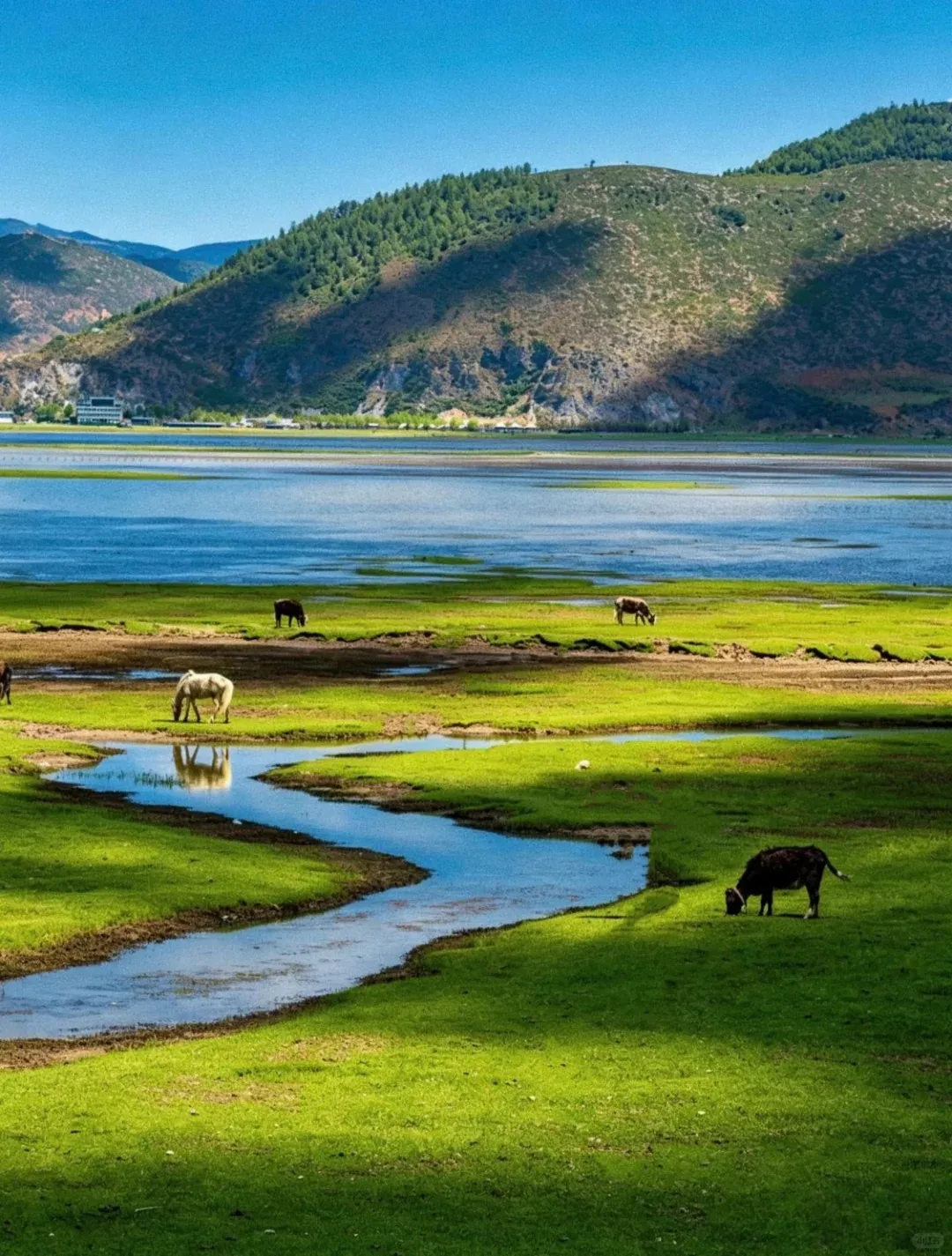
Lakes in China: the largest and the most famous
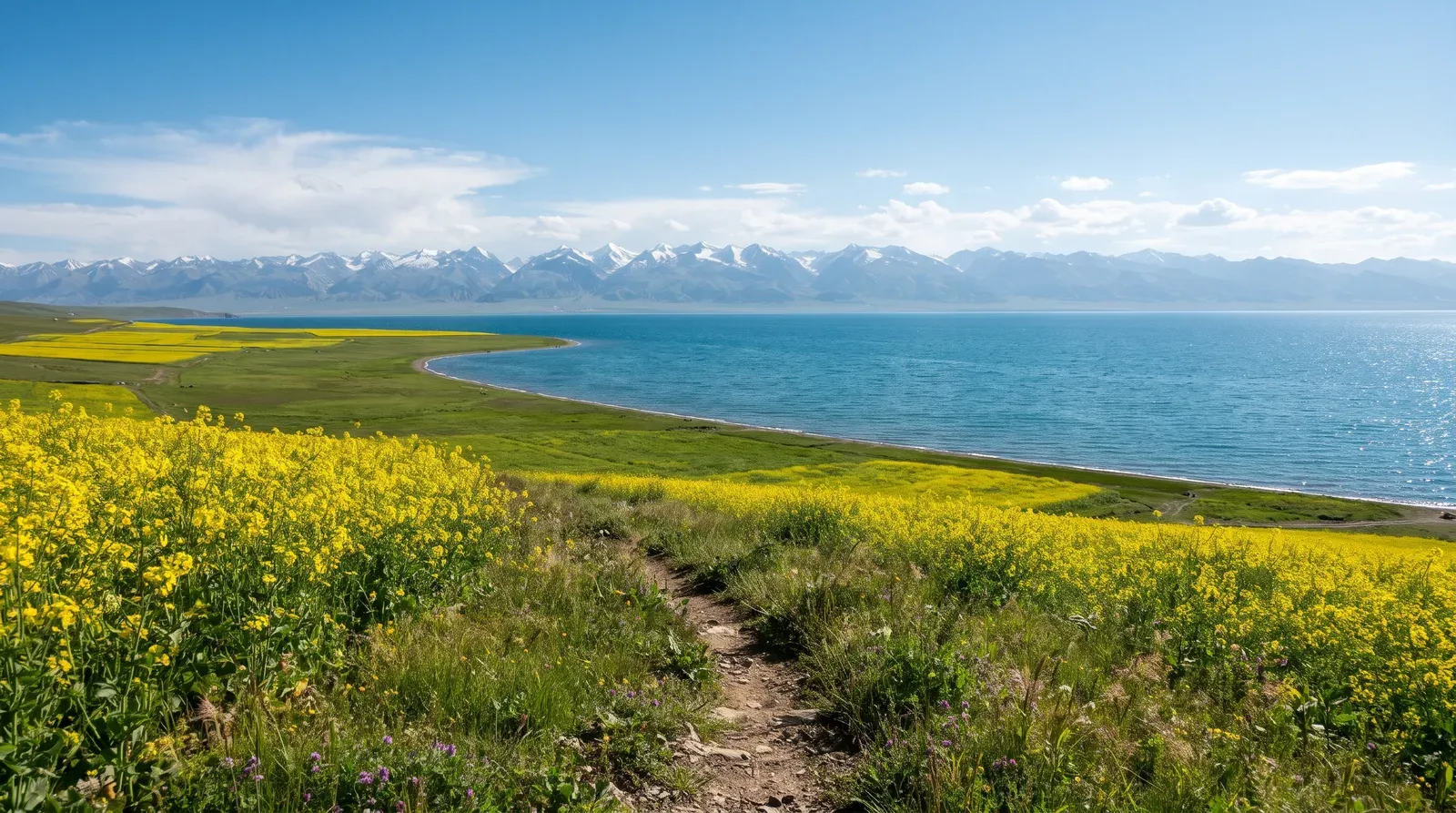
The largest lake in China is Qinghai Lake, in the northeast of Qinghai Province, covering more than 4,500 sq km. The largest freshwater lake is Poyang Lake, in northern Jiangxi Province, at about 3,583 sq km. By the usual count, mainland China has 3,741 lakes with a water area of 1 sq km or more, about 93,723 sq km of water in total. The densest clusters are on the Tibetan Plateau and in the middle and lower Yangtze plain, where many of the major bodies of water in China sit.
Where are the largest lake and the largest freshwater lake?
Qinghai Lake lies in the northeast of Qinghai Province, about 100 km west of Xining, with a surface at about 3,205 to 3,260 m. It is the largest closed saltwater lake in China. Poyang Lake sits in northern Jiangxi and is the largest freshwater lake by area. It gives winter habitat to as many as 500,000 migratory birds, and up to 90% of the critically endangered Siberian crane winters there.
Where are the main lakes in China?
Most of them sit in two areas: the Tibetan Plateau and the middle and lower Yangtze plain. Plateau lakes are high up; the lakes of the Yangtze plain lie mostly in low wetland.
Namtso stands for the plateau lakes: a surface at 4,718 m, about 1,900 sq km of water, the largest high-altitude saltwater lake by area in Tibet, and a well-known sacred lake in Tibetan Buddhism. Qinghai Lake's surface sits at about 3,205 to 3,260 m. The middle and lower Yangtze plain holds the traditional Five Lakes: Poyang, Dongting, Tai, Hongze and Chaohu.
What are the areas and surface elevations of the main lakes?
Areas run from 6.39 sq km at Hangzhou's West Lake to more than 4,500 sq km at Qinghai Lake. Surface elevation runs from 1,972 m at Erhai to 4,718 m at Namtso. The table below compares the lakes people ask about most.
| Lake | Province | Water type | Area (sq km) |
|---|---|---|---|
| Qinghai Lake | Northeast Qinghai | Closed saltwater lake | Over 4,500 |
| Poyang Lake | Northern Jiangxi | Freshwater lake | About 3,583 |
| Namtso | Tibet | High-altitude saltwater lake | About 1,900 |
| Erhai | Yunnan | Plateau fault freshwater lake | 250 |
| Hangzhou's West Lake | Zhejiang | Lake | 6.39 |
Three numbers for surface elevation: Qinghai Lake about 3,205 to 3,260 m, Namtso 4,718 m, Erhai 1,972 m.
Which five are the traditional Five Lakes?
In older Chinese geography, the Five Lakes usually means five freshwater lakes spread across central and eastern China. By the traditional account they are the five below.
| Lake | Province |
|---|---|
| Poyang Lake | Jiangxi |
| Dongting Lake | Hunan |
| Tai Lake | Jiangsu and Zhejiang |
| Hongze Lake | Jiangsu |
| Chaohu | Anhui |
Dongting Lake was once called Eight Hundred Li Dongting and was long the largest freshwater lake in China in historical times. Silt and land reclamation turned it into the second largest freshwater lake.
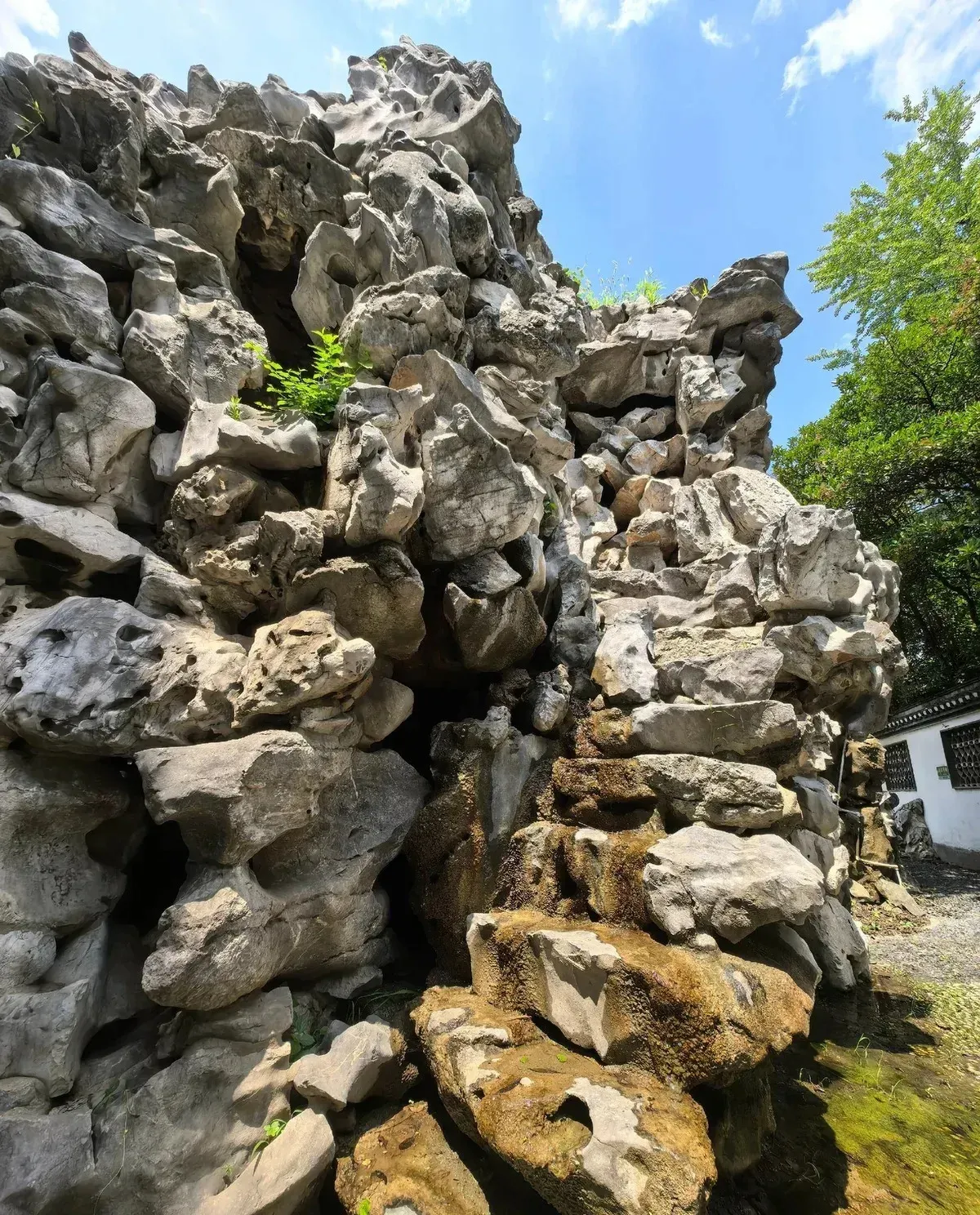
Tai Lake produces the oddly shaped limestone known as Taihu stone, or scholar's rock. It has long been the most prized stone for rockeries and water scenes in Chinese gardens, and the classical gardens of Suzhou use it.
What can you see at Hangzhou's West Lake and at Erhai in Dali?
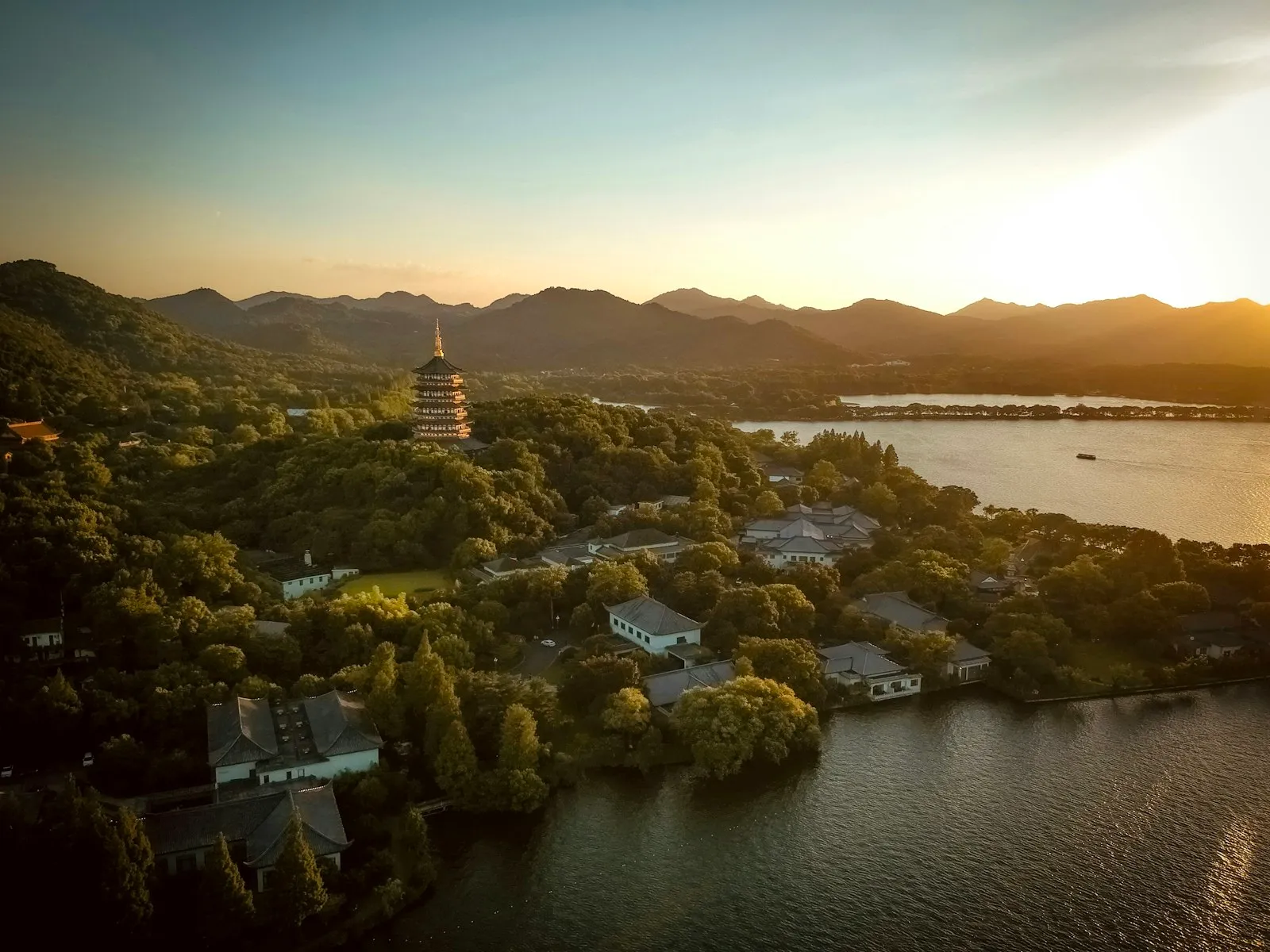
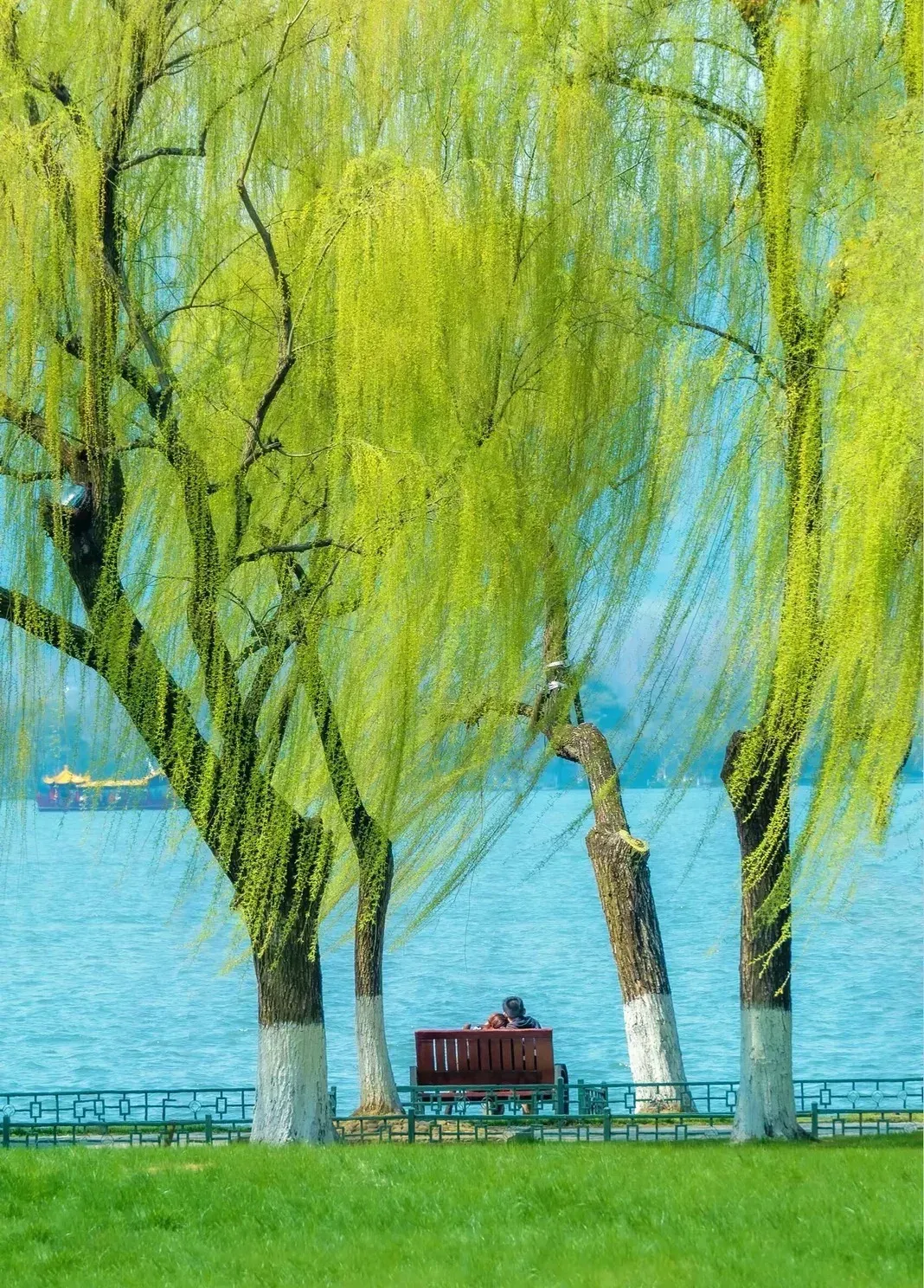
Hangzhou's West Lake covers 6.39 sq km of water, 3.2 km from north to south and 2.8 km from east to west. Long causeways such as Su Causeway and Bai Causeway, man-made islands such as Three Pools Mirroring the Moon, and Solitary Hill make up its layout of one hill, two causeways and three islands. It was the first large national key tourist site in China to drop its main entrance ticket entirely, and it received 4.426 million visits in the 7 days of the 2024 National Day holiday.
Erhai in Dali, Yunnan, sits at 1,972 m, runs 40 km from north to south and 7 to 8 km from east to west, and covers 250 sq km. It is a plateau fault freshwater lake and the core carrier of Bai culture.
What should you keep in mind when visiting these lakes?
The word largest needs a type first. Qinghai Lake is a closed saltwater lake and Poyang is a freshwater lake, so the two titles point to two different firsts.
Plateau lakes differ a lot in elevation: Namtso at 4,718 m, Qinghai Lake at about 3,205 to 3,260 m, Erhai at 1,972 m. Plan the pace of the days around the actual elevation and the people travelling with you.
The 500,000 birds at Poyang Lake come to winter there, so go in the wintering season if you want to see them in flocks.
The Five Lakes is a term from traditional Chinese geography and means the five above. On a real trip the lakes are far apart, so two or three in one go is smoother.
Uncle Panda Travel runs a 7-day private itinerary that links Hangzhou's West Lake with the classical gardens of Suzhou on one route, with your driver also guiding you and handling pickups, and the pace set by how many days you have.
Sources
List of lakes in China - Wikipedia, the free encyclopedia
Rivers & Lakes----Institute of Geographic Sciences and Natural Resources Research, CAS
Qinghai Lake - Wikipedia
Poyang Lake - Wikipedia
Five Lakes (China) - Wikipedia
Dongting Lake - Wikipedia
Lake Tai - Wikipedia
West Lake - Wikipedia
Namtso - Wikipedia
Erhai Lake - Wikipedia
Sources checked on November 6, 2026.
FAQ
Is the largest lake in China saltwater or freshwater?
Qinghai Lake, the largest lake in China by area, is a closed saltwater lake of more than 4,500 sq km. The largest freshwater lake is Poyang Lake in northern Jiangxi, at about 3,583 sq km.
Do you need a main entrance ticket for Hangzhou's West Lake?
Hangzhou's West Lake was the first large national key tourist site in China to drop its main entrance ticket entirely. In the 7 days of the 2024 National Day holiday it received 4.426 million visits.
How high is Namtso?
Namtso's surface is at 4,718 m and it covers about 1,900 sq km of water. It is the largest high-altitude saltwater lake by area in Tibet and a well-known sacred lake in Tibetan Buddhism.
When should you go to see the birds at Poyang Lake?
Poyang Lake gives winter habitat to as many as 500,000 migratory birds, and up to 90% of the Siberian cranes winter there. Go in the wintering season to see them in flocks.
How big is Erhai, and how high is it?
Erhai sits at 1,972 m, runs 40 km from north to south and 7 to 8 km from east to west, and covers 250 sq km. It is the core carrier of Bai culture.