Kuan Zhai Alley Chengdu: How to Visit and Is It Worth It
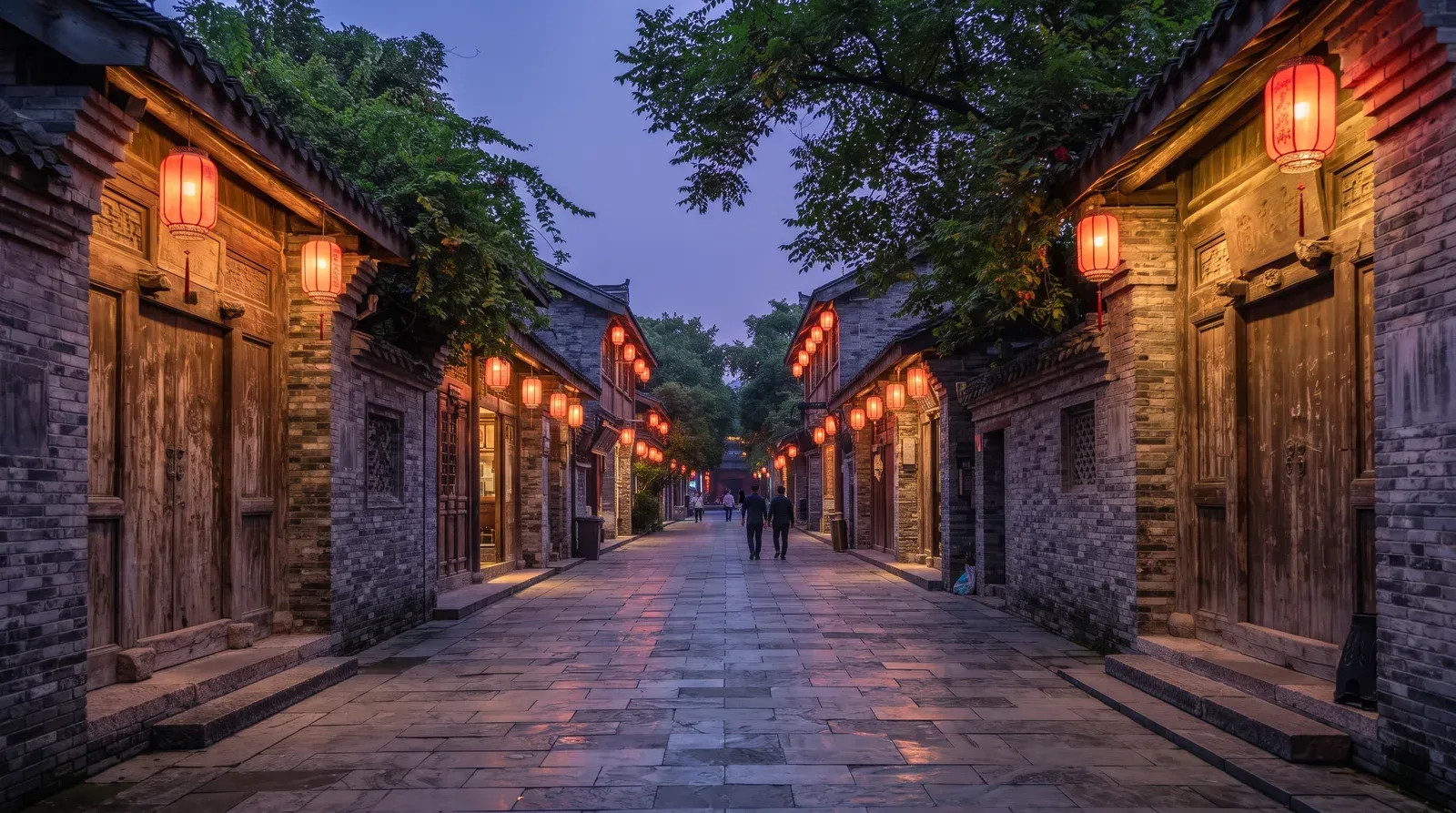
According to records, Kuan Zhai Alley in Chengdu is located near Changshun Street in Qingyang District. From north to south, it consists of three parallel historic streets and courtyards: Kuan Alley, Zhai Alley, and Jing Alley. Following protective renovation, it officially opened to the public on June 14, 2008. In the Qing Dynasty, 42 garrison alleys were built in the Shaocheng Manchu City, and only these three have survived, making it a preserved Qing Dynasty quarter in Chengdu. The architecture combines Western Sichuan courtyard residences with northern Chinese hutong layouts. In July 2020, the Ministry of Commerce recognized Kuanzhai Alley as one of the first national demonstration pedestrian streets.
What Is the Difference Between Kuan Alley and Zhai Alley?
The three alleys differ clearly in width and spatial proportions. Measurements show that Kuan Alley is about 7 meters wide, while Zhai Alley is about 5 meters wide. The buildings on both sides stand roughly 5 to 8 meters tall, creating a height-to-width ratio of approximately 1:1.
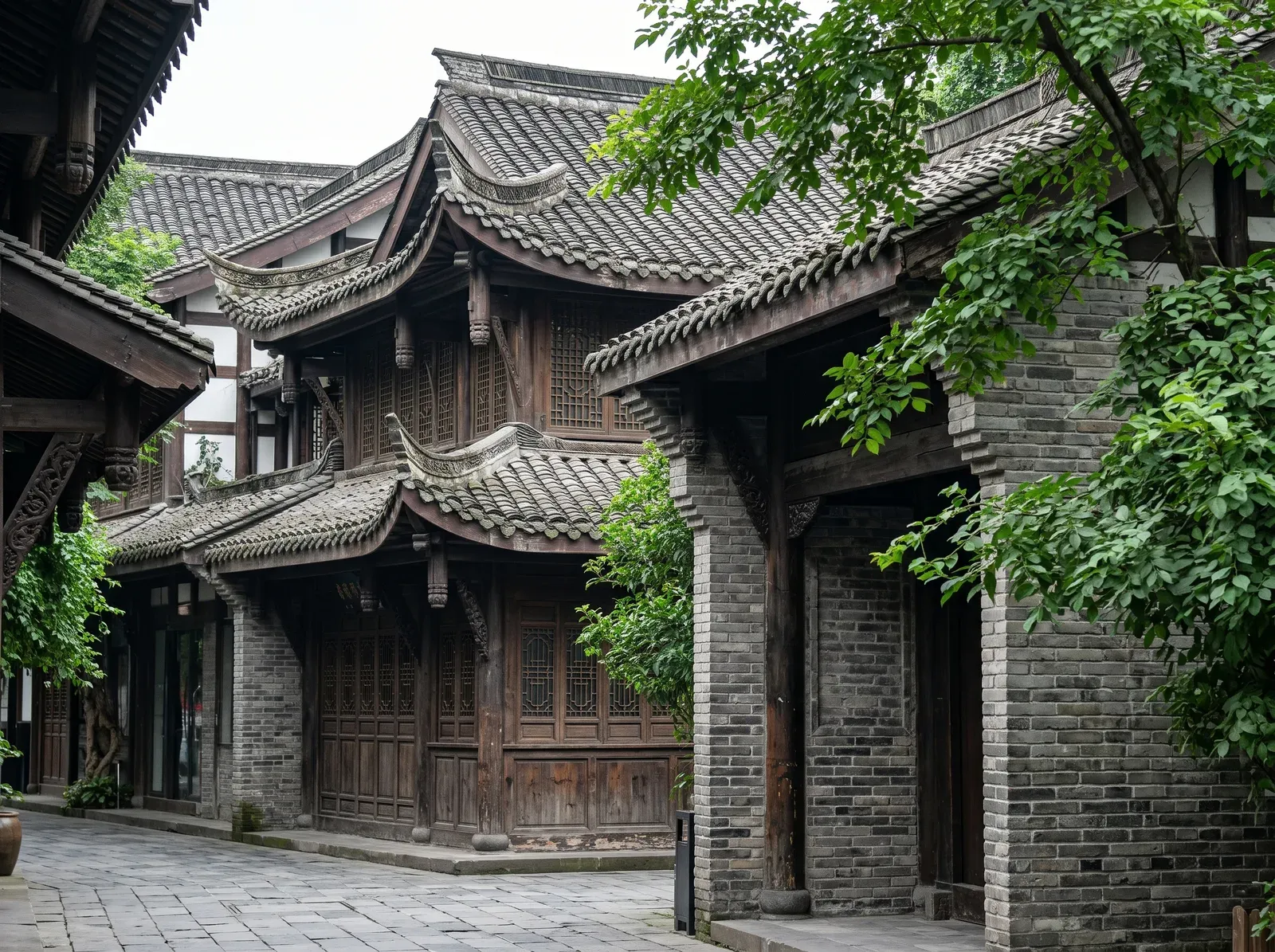
Each of the three streets has its own focus in architectural appearance and functional character. Kuan Alley emphasizes well-preserved historic buildings and slow living. Zhai Alley combines Qing Dynasty, Republic of China, and Western architectural styles. Jing Alley brings together teahouses, snack stalls, handicrafts, shadow puppetry, and Sichuan opera. The overall layout of the quarter follows a fishbone pattern, blending Western Sichuan residential architecture with northern hutong urban fabric.
| Alley Name | Original Qing Hutong Name | 1948 Survey Naming Record | Street Width and Building Height | Architectural and Atmosphere Focus | Notable Historical Relics and Sights |
|---|---|---|---|---|---|
| Kuan Alley | Xingren Hutong | Measured and labeled as Kuan Alley for being the wider one | Street width about 7 meters, side buildings about 5 to 8 meters tall | Focuses on well-preserved historic architecture and slow living | Preserves typical historic entrance gates like Kailu |
| Zhai Alley | Taiping Hutong | Measured and labeled as Zhai Alley for being the narrower one | Street width about 5 meters, side buildings about 5 to 8 meters tall | Blends Qing, Republic of China, and Western styles | Retains a horse-tethering stone relic on the wall of No. 32 |
| Jing Alley | Ruyi Hutong | Labeled as Jing Alley for having a well | Fishbone layout within the Qing historic quarter | Gathers teahouses, snack stalls, handicrafts, shadow puppetry, and Sichuan opera | Features a brick culture sculpture wall extending roughly 400 meters east to west |
What Is the History of Kuan Zhai Alley?
Historical records of the area date back to the 57th year of the Kangxi reign. According to historical records, after quelling the Dzungar rebellion in 1718, the Qing court stationed over 1,000 soldiers in Chengdu. The imperial court built the Manchu City on the foundations of Shaocheng, reserving it exclusively for the Manchu and Mongolian Eight Banners.
A total of 42 garrison hutongs were built in the Qing Dynasty Manchu City, but only Kuan Alley, Zhai Alley, and Jing Alley survived. During the Qing Dynasty, these three streets were called hutongs: Kuan Alley was originally Xingren Hutong, Zhai Alley was Taiping Hutong, and Jing Alley was Ruyi Hutong.
The alleys took their current names after the 1911 Revolution. During a 1948 city survey, surveyors measured the streets and labeled the wider one Kuan Alley, the narrower one Zhai Alley, and the one with a well Jing Alley. Following protective renovation, the quarter officially opened to the public on June 14, 2008.
What Historic Relics Are Preserved in the Area?
Kuan Alley preserves typical Qing Dynasty courtyard entrances, with the Kailu gate being one of the most recognizable historic doorways. This entrance structure preserves the intact doorway design of a Qing residential home.
A horse-tethering stone remains on the wall of No. 32 Zhai Alley. It is one of only three surviving horse-tethering stone relics in the alleys.
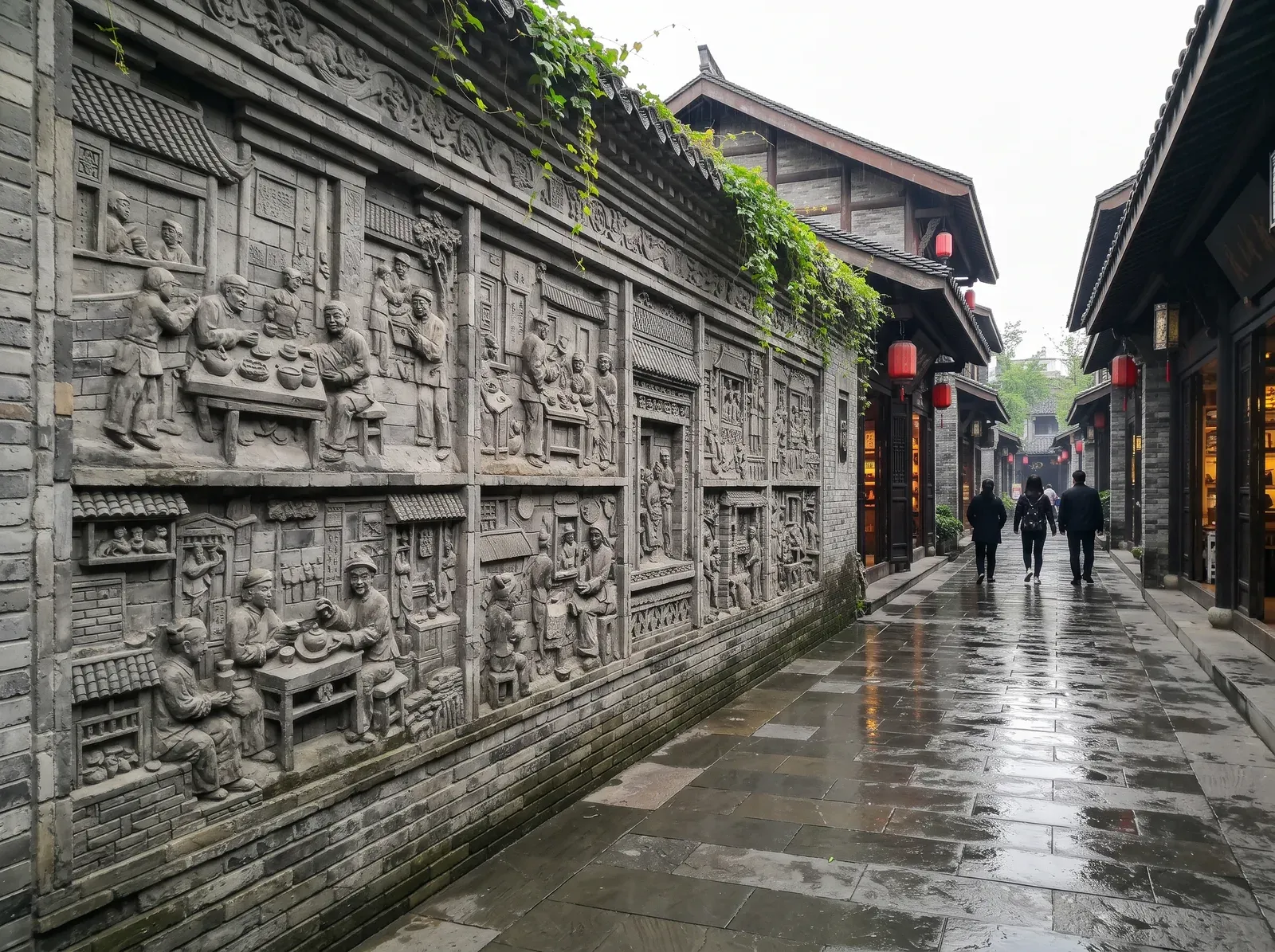
Jing Alley features a brick culture sculpture wall extending roughly 400 meters from east to west. This relief wall showcases the folk customs and traditional life of old Chengdu.
When Is Visiting Kuan Zhai Alley in Chengdu a Better Experience?
Visits are suggested for the evening to night hours. During this time, you can experience the lively everyday atmosphere of local residents taking evening walks, while the softly lit traditional courtyards offer a more scenic ambiance.
The area's nighttime cultural and tourism appeal has received official recognition. In August 2022, Kuan Zhai Alley in Chengdu was selected for the second batch of national-level nighttime cultural and tourism consumption clusters announced by the Ministry of Culture and Tourism.
If you prefer exploring this Qing Dynasty historic quarter of Chengdu at an unhurried pace, you can ask a travel designer to help plan your city itinerary. With your driver handling pick-ups and transfers, you can take your time taking in the historic architecture and local street life along each alley.
Sources
Wide and Narrow Alley - Wikipedia
The sources above were verified on November 6, 2026.
FAQ
In what year did Kuan Zhai Alley officially open to the public?
Following protective renovation, it officially opened to the public on June 14, 2008. From north to south, the quarter consists of three parallel historic streets and courtyards: Kuan Alley, Zhai Alley, and Jing Alley.
How did Kuan Alley, Zhai Alley, and Jing Alley get their names?
In the Qing Dynasty, the three streets were originally named Xingren Hutong, Taiping Hutong, and Ruyi Hutong, taking their current names after the 1911 Revolution. During a 1948 city survey, surveyors measured them and marked the wider one as Kuan Alley, the narrower one as Zhai Alley, and the one with a well as Jing Alley.
What is the history behind the horse-tethering stone at No. 32 Zhai Alley?
The Qing Dynasty Manchu City was constructed in 1718 (the 57th year of the Kangxi reign), stationing over 1,000 soldiers in Chengdu. The horse-tethering stone preserved on the wall of No. 32 Zhai Alley is one of only three surviving horse-tethering stone relics in the area.
What are the highlights of Jing Alley?
Jing Alley features a brick culture sculpture wall extending roughly 400 meters from east to west, showcasing folk traditions of old Chengdu. It also gathers teahouses, snack stalls, handicrafts, shadow puppetry, and Sichuan opera performances.
Why is an evening or nighttime visit to the alleys recommended?
Visiting from evening to night lets you experience the everyday atmosphere of local residents taking strolls, while the softly lit traditional courtyards offer an appealing setting. The quarter was recognized in August 2022 as a national-level nighttime cultural and tourism consumption cluster.