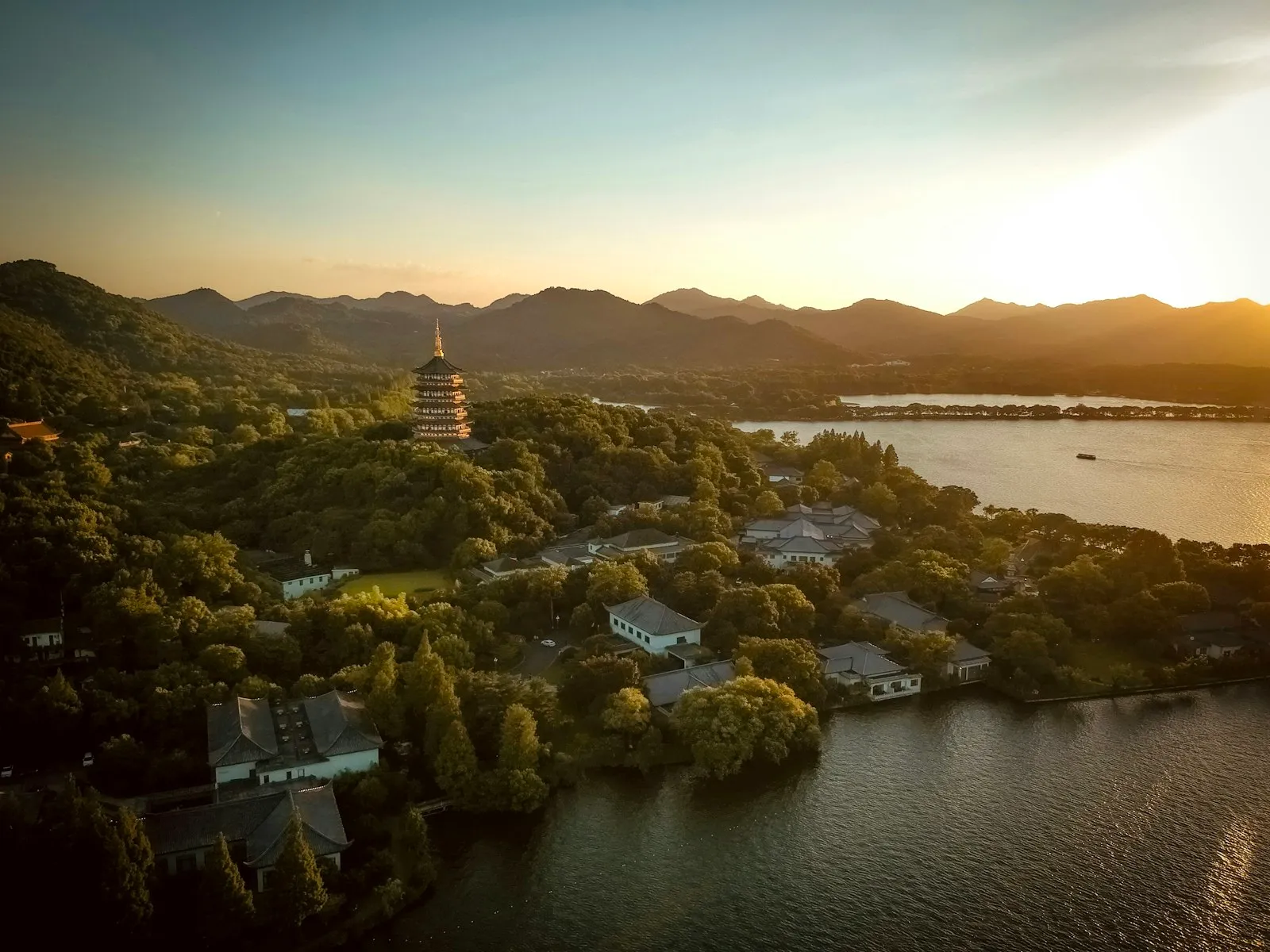
Jiangsu Travel Guide: Classic Multi-City Routes in China
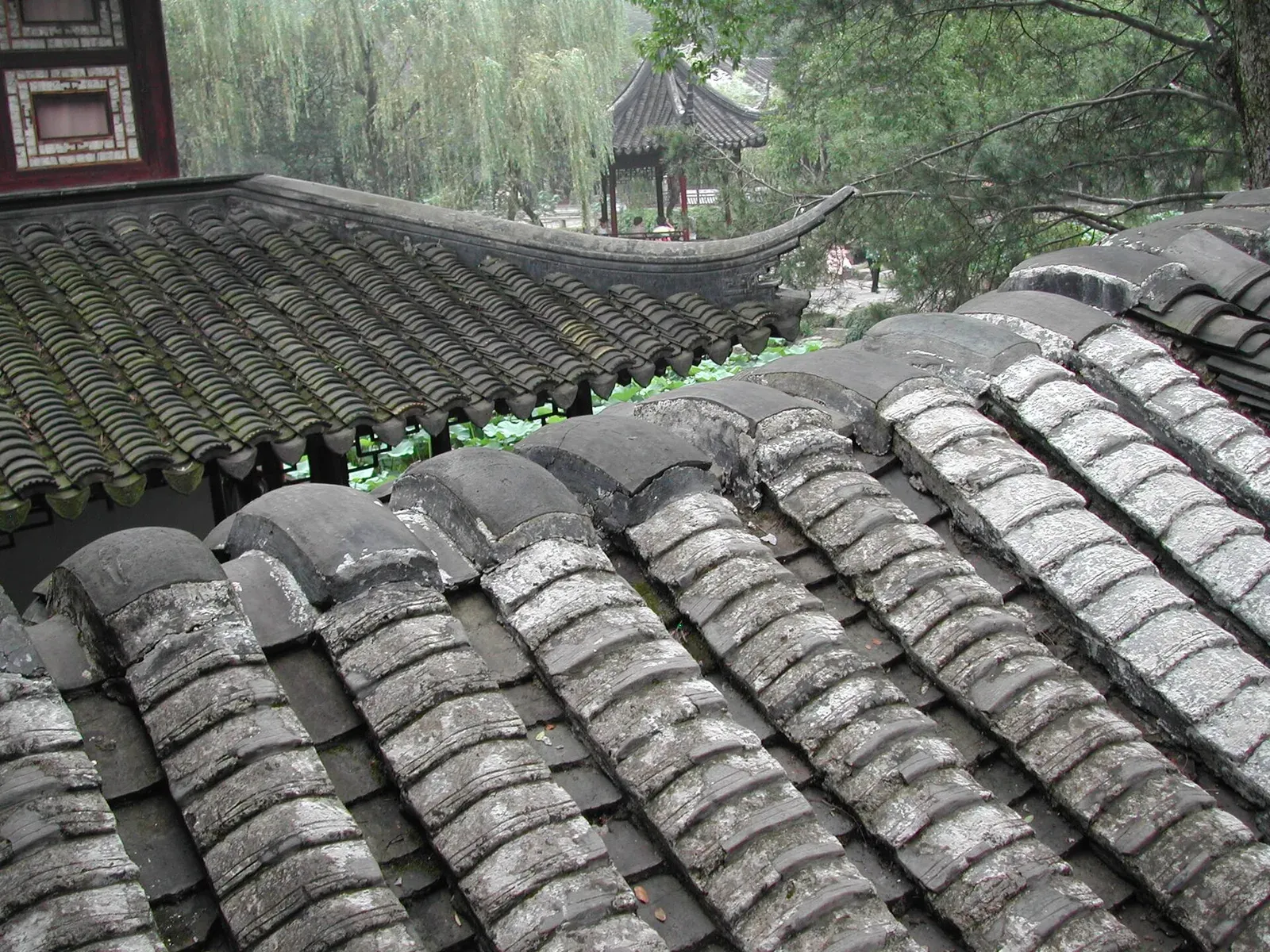
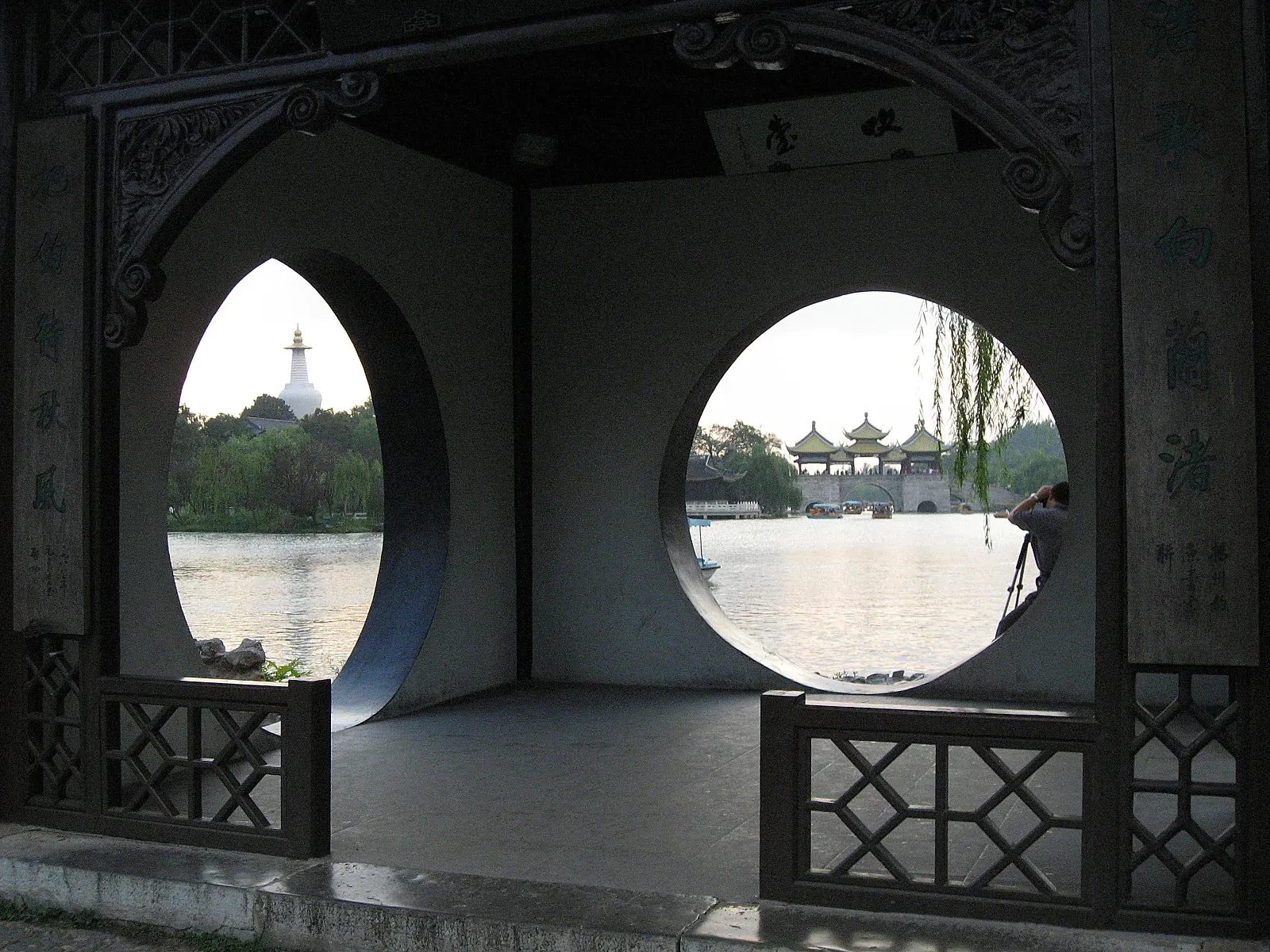
Photo: Francesco Bandarin / Wikimedia Commons, CC BY-SA 3.0
A trip to Jiangsu, China works well over 5 to 7 days, following the Shanghai-Nanjing intercity railway and the Lianyungang-Zhenjiang railway for a smooth one-way route through Suzhou, Wuxi, Yangzhou, and Nanjing. High-speed trains from Shanghai reach Suzhou in as little as 24 minutes, while direct trains to Nanjing take 73 minutes. Plains make up 68% of the total area of Jiangsu, and the dense rail network makes it easy to travel between cities without backtracking.
| Item | Planning Details |
|---|---|
| Recommended trip length | 5 to 7 days |
| Classic route order | Suzhou to Wuxi, Yangzhou, and then Nanjing |
| Key high-speed rail lines | Shanghai-Nanjing intercity railway (99 minutes for direct express trains), Lianyungang-Zhenjiang railway (designed speed of 250 km/h) |
| Best travel months | March to May, October to November (avoid the plum rain season from mid-June to early July) |
| Major free sights requiring booking | Sun Yat-sen Mausoleum, Nanjing Museum, Suzhou Museum, and China Grand Canal Museum in Yangzhou |
What is the smoothest multi-city route through Jiangsu, China?
Jiangsu has deep cultural roots, with three World Cultural Heritage sites (the Classical Gardens of Suzhou, the Ming Xiaoling Mausoleum, and the Jiangsu section of the Grand Canal) and one World Natural Heritage site (the Migratory Bird Sanctuaries along the Coast of Yellow Sea-Bohai Gulf of China). A multi-city trip usually starts in Suzhou, passes through Wuxi and Yangzhou, and finishes in the provincial capital, Nanjing, with travel between each city taking 1 to 2 hours one way. If you have extra time, you can also travel 32.7 km from central Suzhou to visit Zhouzhuang Ancient Town in Kunshan.
| Day | Recommended Cities and Highlights | Intercity and City Transport |
|---|---|---|
| Day 1 | Suzhou: Humble Administrator's Garden, adjacent Suzhou Museum, Tiger Hill, evening stroll at Shantang Street | High-speed train from Shanghai Hongqiao Station to Suzhou Station, then taxi or city bus |
| Day 2 | Suzhou: Lingering Garden, Lion Grove Garden, Hanshan Temple, Suzhou-style noodles with seasonal toppings | City bus or walking in Suzhou |
| Day 3 | Wuxi: Changchun Bridge at Taihu Yuantouzhu, Qingming Bridge Historic Canal District on Nanchang Street | Shanghai-Nanjing intercity high-speed train from Suzhou to Wuxi Station |
| Day 4 | Yangzhou: Slender West Lake, Daming Temple, Dongguan Street for jade shaomai and thousand-layer oil cake | High-speed train via the Lianyungang-Zhenjiang railway into Yangzhou |
| Day 5 | Yangzhou to Nanjing: China Grand Canal Museum in Yangzhou, Geyuan Garden or Heyuan Garden | High-speed train to Nanjing, then transfer to the Nanjing Metro |
| Day 6 | Nanjing: Ming Xiaoling Mausoleum, Sun Yat-sen Mausoleum, Linggu Temple, evening walk along the Fuzimiao Qinhuai River scenic area | Nanjing Metro Line 2 to Muxuyuan Station, then scenic shuttle buses inside the park |
| Day 7 | Nanjing: Nanjing Museum, Zhonghuamen Fortress, taste traditional salted duck before departure | Nanjing Metro Line S1 to Lukou International Airport |
If you prefer gardens and historic street nightscapes, spend two full days in Suzhou. If you are more interested in historical architecture, focus on Nanjing's Ming and Qing monuments and city wall ruins. If traveling between cities with luggage, your travel designer can arrange your driver for private intercity transfers and city transport, letting you explore each city at your own pace.
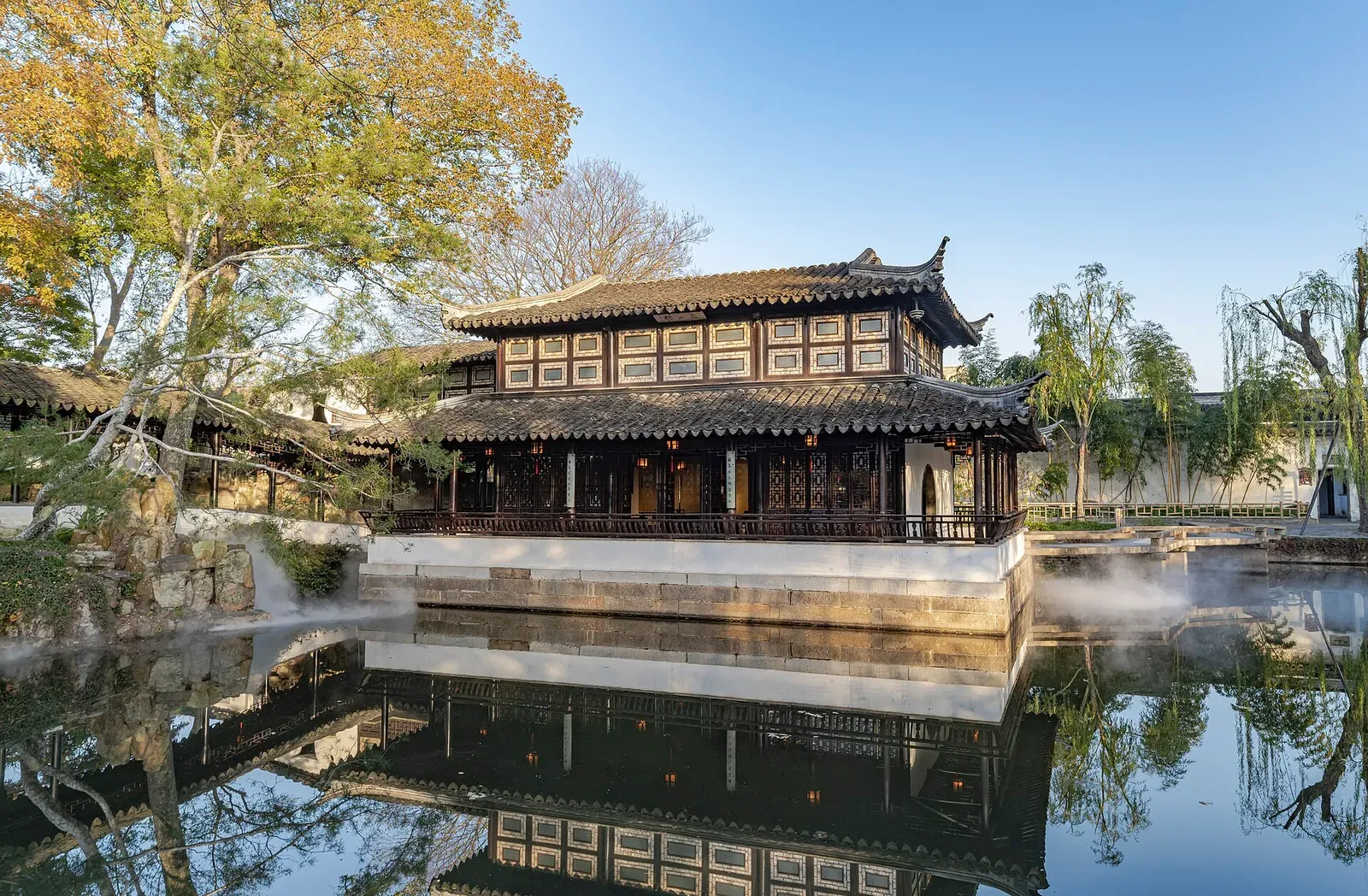
With no civil airport in Suzhou, where should you fly into and how do you connect?
Suzhou currently has no civil airport, so air travelers usually arrive at nearby Wuxi Shuofang Airport, Shanghai Hongqiao Airport, or Shanghai Pudong International Airport. Wuxi Shuofang Airport lies 20 km southeast of urban Suzhou and 16 km northwest of urban Wuxi. Bus Line 1 connecting Wuxi New District and Suzhou New District Station costs 2 yuan (1.2 yuan with a transit card). Nanjing Lukou International Airport is located in Jiangning District, Nanjing, about 36 km in a straight line from the city center.
| Hub or Route | Cities Served | Connections and Operation | Reference Fare |
|---|---|---|---|
| Wuxi Shuofang Airport | Wuxi, Suzhou | Station on Wuxi Metro Line 3; railway passenger terminal shuttle takes about 40 minutes | Airport shuttle 5 yuan per person |
| Nanjing Lukou International Airport | Nanjing, Yangzhou | Metro Line S1 runs directly to Nanjing South Railway Station (35.8 km long); South Station coach bus takes about 35 minutes | Metro 7 yuan; taxi to downtown around 100 yuan |
| Shanghai-Nanjing intercity railway | Shanghai, Suzhou, Wuxi, Nanjing | Express trains stop at Changzhou, Wuxi, and Suzhou stations; regular trains make 6 to 7 stops | Around 2 hours travel time (regular trains) |
| Lianyungang-Zhenjiang railway | Yangzhou, Zhenjiang | 305.2 km in total length, connecting to Dantu Station on the Shanghai-Nanjing intercity railway in Zhenjiang | Connects southern Jiangsu to Yangzhou high-speed rail network |
Tip: Taking a high-speed train from Suzhou to Shanghai Hongqiao Station and then transferring to Metro Line 2 to Pudong Airport takes about 1.5 hours. Nanjing Lukou International Airport is over 100 km from downtown Yangzhou, which usually takes 1 hour and 40 minutes by car, so leave plenty of transfer time for return flights.
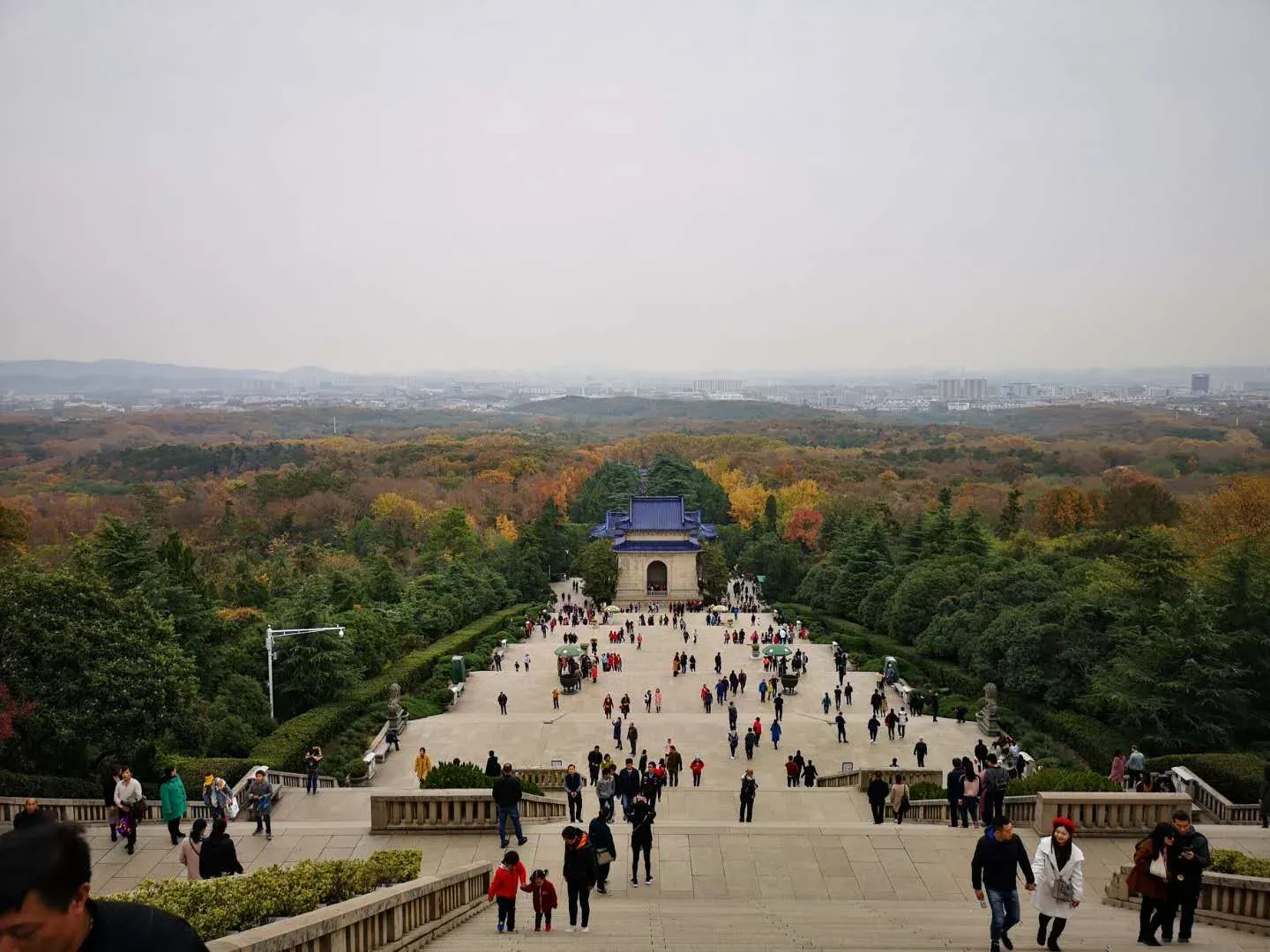
How much are attraction tickets, and which sights require advance reservations?
Most major museums and cultural sites in Jiangsu operate on a real-name reservation system. Nanjing Museum, the new Suzhou Museum, the China Grand Canal Museum in Yangzhou, and Sun Yat-sen Mausoleum in Nanjing are all free to enter, but require advance real-name bookings through official online channels along with presenting original ID documents. Popular paid gardens like the Humble Administrator's Garden have limited slots during peak season and also require real-name booking. Among paid attractions, tickets for the Wuxi Lingshan Grand Buddha are 160 yuan (from 80 yuan online), and Yuantouzhu tickets are 90 yuan (from 45 yuan online).
| City | Attraction | Reference Ticket Price | Opening Hours and Reservation Rules |
|---|---|---|---|
| Suzhou | Humble Administrator's Garden | 80 yuan peak season, 70 yuan low season (from 70 yuan online) | Opens at 7:30; real-name booking with passport or ID |
| Suzhou | Suzhou Museum (New Hall) | Free (advance booking required) | Tuesday to Sunday 9:00 to 17:00 (last entry at 16:00), closed Mondays |
| Suzhou | Tiger Hill Scenic Area | From 60 yuan online | Opens at 7:30 |
| Wuxi | Yuantouzhu Scenic Area | 90 yuan (from 45 yuan online) | March to May and October to November 8:00 to 17:30; other months 8:30 to 17:00 |
| Wuxi | Huishan Ancient Town (Jichang Garden) | 70 yuan (from 35 yuan online) | Opens at 8:00 |
| Yangzhou | Slender West Lake Scenic Area | 60 yuan (from 58 yuan booked online) | Official hours usually 7:00 to 18:00 |
| Yangzhou | China Grand Canal Museum | Free (advance booking required) | Opens at 9:00, exhibition area around 18,000 square meters |
| Nanjing | Sun Yat-sen Mausoleum | Free (advance real-name booking required) | 8:30 to 17:00 (reservations close at 16:30) |
| Nanjing | Ming Xiaoling Mausoleum | 70 yuan (from 68 yuan online) | Opens at 6:30; listed as a World Cultural Heritage site in 2003 |
| Nanjing | Nanjing Museum | Free (advance booking via WeChat mini-program) | Tuesday to Sunday 9:00 to 17:00 (last entry at 16:00), closed Mondays |
Tip: Sun Yat-sen Mausoleum releases reservation slots daily on the hour from 9:00 to 16:00 across eight time slots; individual visitors can book online via the official WeChat account, mini-program, or Meituan app. Nanjing Museum is closed on Chinese New Year's Eve and the first day of the Lunar New Year, and closed on Mondays unless it is a statutory holiday; entry requires presenting the original ID used for booking.
When is the best time to visit Jiangsu, and when is the plum rain season?
In most of Jiangsu, average temperatures in January range between minus 1 and 4°C, and in July between 26 and 29°C, with annual precipitation of 800 to 1,200 mm. The most comfortable weather occurs in spring (March to May) and autumn (October to November). On the shores of Lake Taihu, Yuantouzhu in Wuxi is planted with more than 30,000 cherry blossom trees and features the 1936 Changchun Bridge and cherry blossom dikes, making spring the prime season to view cherry blossoms by the lake.
The Yangtze and Huai river basins in eastern China experience a plum rain season in late spring and early summer. Cities across Jiangsu usually see continuous overcast, rainy weather from mid-June to early July. If you travel during summer, keep rain gear handy and plan more indoor museum visits. If you visit in late autumn, you can catch golden ginkgo foliage along with comfortable, clear, and dry weather.
What local foods and cultural traditions can you experience along the route?
Traveling across Jiangsu offers a taste of distinct culinary styles alongside scenic views and historic sites. Suzhou noodle shops emphasize delicate broths and rich toppings, serving seasonal Fengzhen pork noodles in summer, sanxia noodles (shrimp meat, roe, and brains) available from June to August, and tuhuangyou crab roe noodles in autumn. Kunqu opera was proclaimed a Masterpiece of the Oral and Intangible Heritage of Humanity by UNESCO in 2001, and you can often hear Kunqu excerpts in Suzhou's old town at night. Yangzhou is one of the birthplaces of state banquet Huaiyang cuisine, where tea snacks like jade shaomai and 64-layer thousand-layer oil cake are known together as the twin wonders of Yangzhou.
In Nanjing, traditional salted duck is eaten year-round, with the version prepared in the eighth lunar month when sweet osmanthus blooms, known as osmanthus duck, being the most famous. Between Chinese New Year and the Lantern Festival each year, the Qinhuai Lantern Festival held around the Fuzimiao Qinhuai River scenic area is the city's premier celebration. At the foot of the Ming city wall, the Zhonghuamen Gate, measuring 118.5 meters wide from east to west and 128 meters long from north to south with three barbicans and four arched gates, offers an exceptional vantage point overlooking old Nanjing.
Sources
Ming Xiaoling Mausoleum - Wikipedia
Sun Yat-sen Mausoleum - Wikipedia
Linggu Temple - Wikipedia
Holiday Opening Status of Popular Scenic Spots in Nanjing - Xinhua Daily
East Asian rainy season - Wikipedia
City Wall of Nanjing - Wikipedia
Fuzimiao, Nanjing - Wikipedia
Nanjing Museum - Wikipedia
Nanjing Metro - Wikipedia
Shanghai-Nanjing intercity railway - Wikipedia
Nanjing salted duck - Wikipedia
Suzhou Travel Guide: Classical Gardens, Tiger Hill and Canals
Suzhou Museum - Wikipedia
Suzhou - Wikipedia
Shantang Street - Wikipedia
Hanshan Temple - Wikipedia
DELICACIES_Delicacies
Jiangsu Province - Wikipedia
Yuantouzhu - Wikipedia
Grand Buddha at Ling Shan - Wikipedia
Lianyungang-Zhenjiang high-speed railway - Wikipedia
Shanghai-Nanjing intercity railway - Wikipedia
Qingming Bridge Historic Canal District - Wikipedia
Slender West Lake - Wikipedia
Huaiyang cuisine - Wikipedia
China Grand Canal Museum in Yangzhou - Wikipedia
Kunqu - Wikipedia
Suzhou Museum
Wuxi Taihu Yuantouzhu Scenic Area
Nanjing Lukou International Airport - Wikipedia
Wuxi Shuofang Airport - Wikipedia
Yangzhou - Wikipedia
Jiangsu - Wikipedia
All sources verified as of November 18, 2026.
FAQ
How many days are recommended for visiting Jiangsu, and what is the smoothest route?
Planning 5 to 7 days is recommended. Following the high-speed rail line in a one-way, west-bound direction from Suzhou to Wuxi, Yangzhou, and then Nanjing is the smoothest order. High-speed rail from Shanghai to Suzhou takes as little as 24 minutes, while a direct train from Nanjing back to Shanghai takes only 73 minutes, avoiding any backtracking.
Since Suzhou has no civil airport, which airport should you fly into?
You can choose Shanghai Hongqiao, Shanghai Pudong, or Wuxi Shuofang Airport. Shuofang Airport is just 20 km from downtown Suzhou, with the Suxi Bus Line 1 running directly to Suzhou New District Railway Station. If you land at Pudong Airport, you can take a high-speed train to Shanghai Hongqiao Station and then transfer to Metro Line 2, which takes about 1.5 hours.
Can you walk into Sun Yat-sen Mausoleum, Suzhou Museum, or Nanjing Museum without a prior reservation?
No, you cannot walk in directly, as all require advance real-name reservations. Sun Yat-sen Mausoleum releases free booking slots on the hour from 9:00 to 16:00 across eight time slots each day, with admission granted via ID or QR code. The new Suzhou Museum and Nanjing Museum are closed on Mondays, requiring advance reservations through official WeChat channels and entry with your original ID.
When is the best time to visit Jiangsu, and when is the plum rain season?
The best periods are March to May (for spring flowers) and October to November (for cool autumn weather). The plum rain season in Jiangsu typically runs from mid-June to early July, bringing continuous rain, so keep rain gear with you.
Are the attractions within Nanjing's Zhongshan Scenic Area far apart, and how do you get around?
Ming Xiaoling Mausoleum and Sun Yat-sen Mausoleum are both located within the Zhongshan Scenic Area on Purple Mountain. Take Nanjing Metro Line 2 to Muxuyuan Station and walk about 700 meters north to reach Ming Xiaoling. Inside the scenic area, sightseeing shuttle Bus Line 4 (running between Sun Yat-sen Mausoleum and Linggu Temple) and Line 5 (running between Linggu Temple and Ming Xiaoling's Zixia Lake) connect the major sights.