People's Park Chengdu: Tea at Heming Teahouse
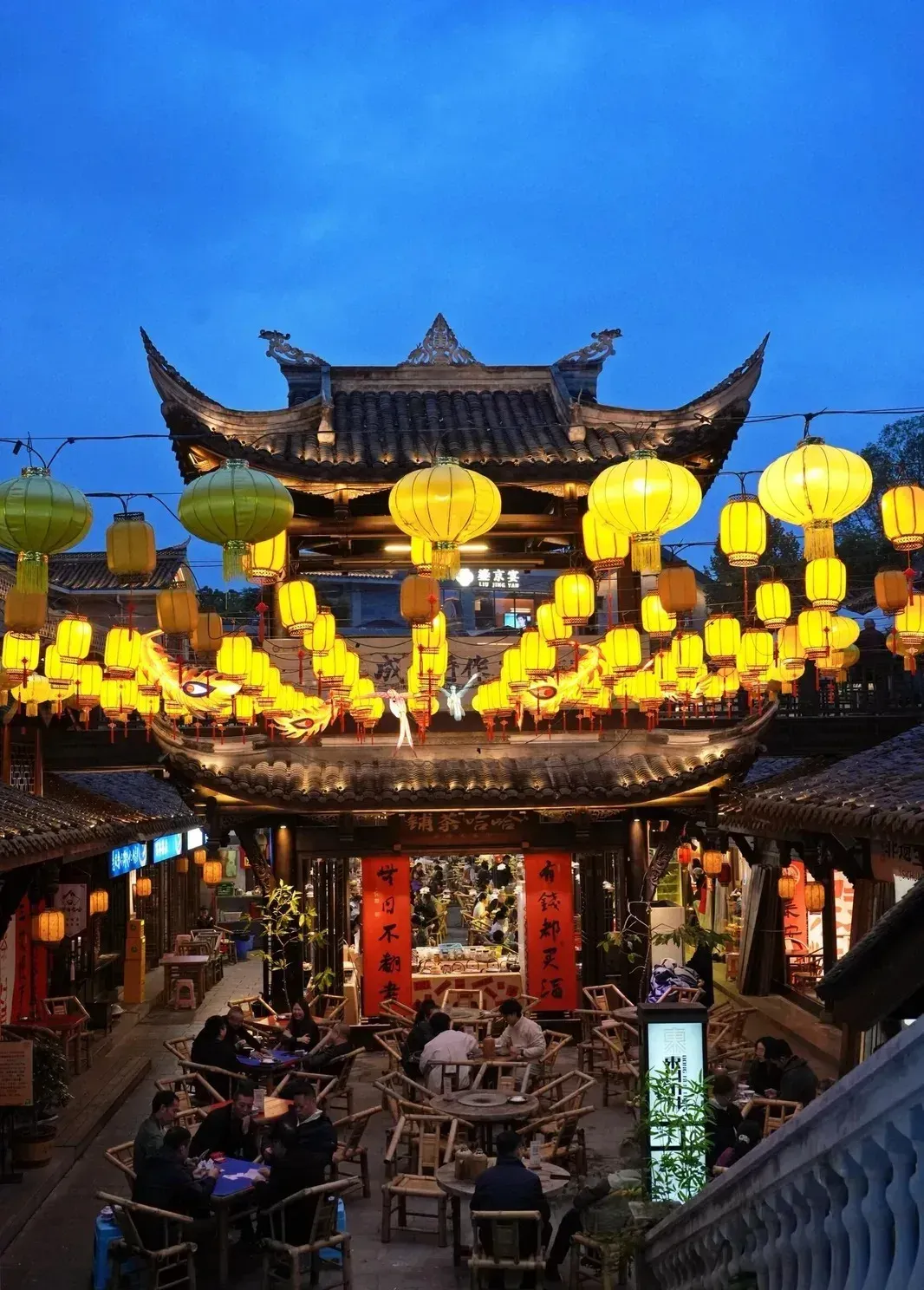
To visit People's Park Chengdu, take Chengdu Metro Line 2 directly to People's Park Station. Founded in 1911 and covering 112,639 square meters (about 169 mu), the park is open to the public daily for free. At Heming Teahouse, founded in 1923, you can sit on bamboo chairs to drink covered bowl tea, watch Sichuan kung fu tea pouring with long-spout copper kettles, and try traditional folk ear cleaning. Afterwards, walk to the northwest section to view the 31.86-meter Monument to the Martyrs of the Railway Protection Movement, or stop by the matchmaking corner that formed spontaneously in 2005.
How to Get to People's Park Chengdu and Ticket Info
You do not need to buy tickets to enter the park, as it is open to the public daily for free. The public transit network here is well developed, making it easy to reach from all across downtown Chengdu.
Following public transit routes, you can take Chengdu Metro Line 2 to People's Park Station and exit right by the entrance. If you choose local buses, lines 5, 13, and 37 also run directly to People's Park Station.
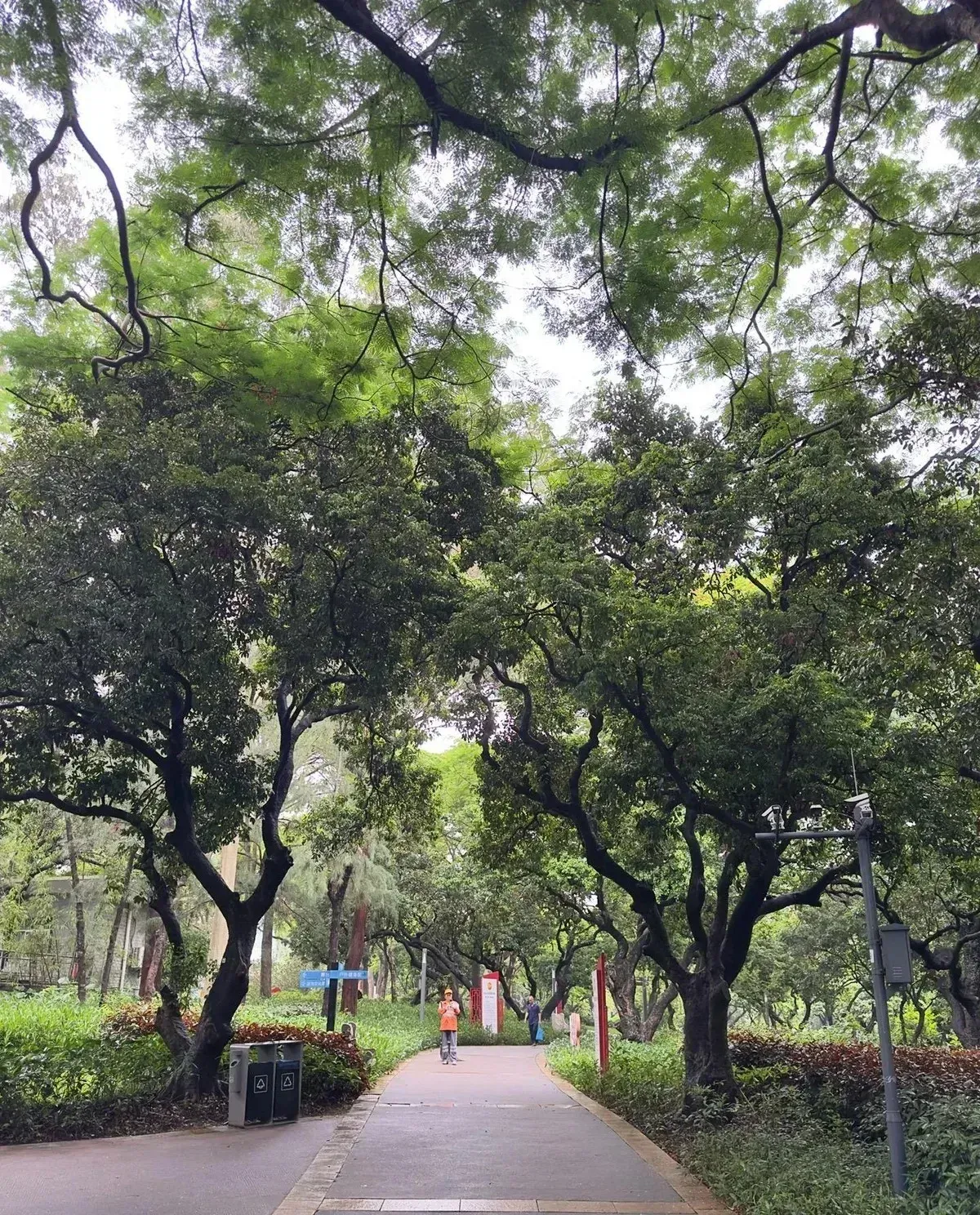
Spanning 112,639 square meters (about 169 mu), it is the earliest urban park in Chengdu. Located in the city center with shady green trees, it welcomes many local residents for daily walks and serves as a public space to experience authentic everyday Chengdu life.
What is the history of the park, and who first proposed it?
Originally named Shaocheng Park and founded in 1911, it was the first public park in Sichuan's history. It is not only the earliest modern urban park built in Chengdu, but it has also witnessed more than a century of social change in the city.
In 1911, the third year of the Xuantong reign in the Qing Dynasty, General Yukun, then garrison commander of Chengdu, converted part of Shaocheng into Shaocheng Park on the recommendation of Police Commissioner Zhou Xiaohuai. Shaocheng had originally served as a garrison quarter, and converting it into a park opened up the previously closed area to the general public.

Shaocheng Park was later renamed People's Park, preserving cultural and historical sites from different eras. Today, the lush grounds stand as a living record of early modern public garden development.
What is the Heming Teahouse experience, and what tea-pouring moves can you see?
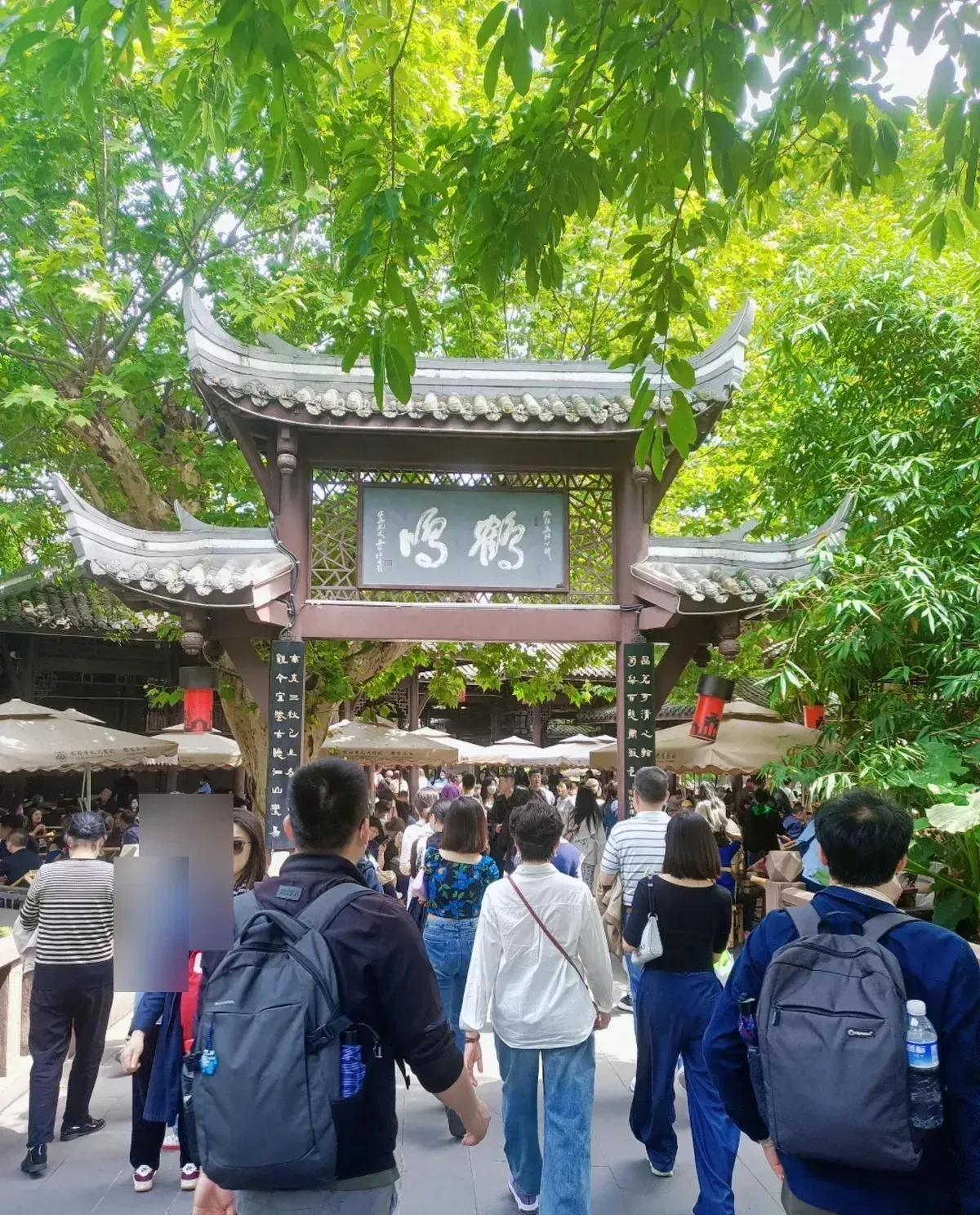
A great way to slow down in the park is to visit Heming Teahouse, founded in 1923, for a cup of covered bowl tea. As one of the oldest surviving teahouses in Chengdu, it was established in 1923 by a merchant surnamed Gong from Dayi.
The founder named the teahouse Heming after dreaming of white cranes craning their necks and crying out over a pond. Sitting at Heming Teahouse in People's Park to sip covered bowl tea and try traditional folk ear cleaning is a distinctive way to enjoy Chengdu's relaxed daily pace.
While drinking tea, watching the tea masters handle long-spout copper kettles is a major highlight. They perform Sichuan kung fu tea with movements such as pouring from a high kettle, embracing the moon, roc spreading wings, and plucking the pipa behind the back, pouring slender streams of boiling water smoothly and accurately into tea bowls.
In addition to sipping tea and watching the show, sitting back for traditional folk ear cleaning is another classic experience. Ear cleaners use traditional tools to clean and soothe ears, providing a unique sense of relaxation.
What other historic monuments and sights can you see in the park?
Besides the century-old teahouse, the northwest area of the park houses the Monument to the Martyrs of the Railway Protection Movement. Built in 1913, it stands 31.86 meters tall and was listed as a Major Historical and Cultural Site Protected at the National Level in 1988.
The monument bears inscriptions in four distinct calligraphic styles written by four calligraphers: Wu Zhiying, Zhao Xi, Yan Kai, and Zhang Kuijie. These inscriptions on each of the four sides serve as key historical artifacts documenting the Sichuan Railway Protection Movement.
Along with solemn historical monuments, the park also reflects local everyday life. Since 2005, a matchmaking corner has developed spontaneously here, becoming an interesting cultural feature of the city.
| Sight or historic building | Year established | Features, scale, and historical details |
|---|---|---|
| People's Park Chengdu | 1911 | Originally named Shaocheng Park, covers 112,639 square meters (about 169 mu), first park in Sichuan history, free entry daily |
| Monument to the Martyrs of the Railway Protection Movement | 1913 | 31.86 meters tall, inscribed by four masters on four sides, listed as a national protected site in 1988 |
| Heming Teahouse | 1923 | Founded by merchant Gong from Dayi, one of the oldest surviving teahouses in Chengdu, offers covered bowl tea, kettle pouring, and ear cleaning |
| Matchmaking Corner | 2005 | Spontaneous public gathering space formed by locals, reflecting contemporary everyday city life |
Travel tips and practical advice for visiting the park
Entry to the park is free daily, but tea at Heming Teahouse and traditional folk ear cleaning require paying on-site. During peak daytime hours, the teahouse fills up quickly, so leave plenty of time to find an empty seat.
Because the Monument to the Martyrs of the Railway Protection Movement is a protected national historical site, visitors should follow cultural relic protection guidelines. The matchmaking corner is a spontaneous gathering area, so it is recommended to keep a polite distance and respect personal privacy.
If you plan to include the park in a multi-day Chengdu trip, your travel designer can balance your daily pace and arrange private transfers with your driver, giving you time to enjoy the slow pace of life while connecting to nearby cultural sights.
Sources
People's Park (Chengdu) - Wikipedia
Monument to the Martyrs of the Railway Protection Movement - Wikipedia
Sources verified on Nov 8, 2026
FAQ
Do you need to book tickets in advance for People's Park Chengdu?
No, People's Park Chengdu is open to the public daily for free, and visitors can walk in without tickets.
What public transit routes lead to the park?
Visitors can take Chengdu Metro Line 2 directly to People's Park Station, or ride bus routes 5, 13, or 37 to People's Park Station.
What classic moves are in the long-spout teapot performance at Heming Teahouse?
Tea masters performing Sichuan kung fu tea at Heming Teahouse demonstrate moves such as pouring from a high kettle, embracing the moon, roc spreading wings, and plucking the pipa behind the back.
Who inscribed the title on the Monument to the Martyrs of the Railway Protection Movement?
The inscriptions on the four sides of the monument were written by four renowned calligraphers: Wu Zhiying, Zhao Xi, Yan Kai, and Zhang Kuijie, each using a distinct calligraphic style.
How did Heming Teahouse get its name?
Founded in 1923 by a merchant surnamed Gong from Dayi, Heming Teahouse was named after the founder dreamed of white cranes calling aloud across a pond.