
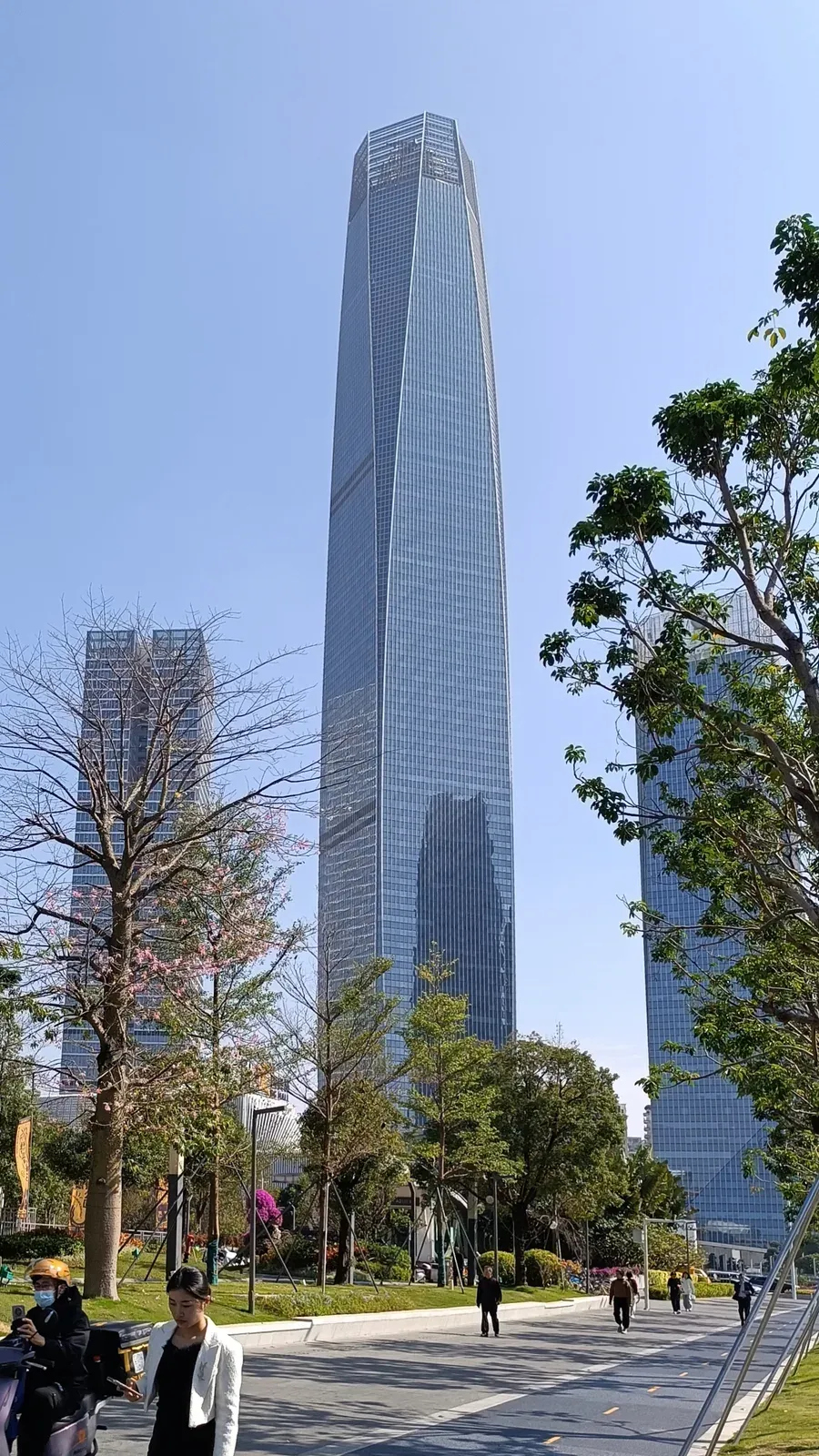
Dongguan
Photo: TaiZiThee 832 / Wikimedia Commons, CC BY 4.0
Dongguan sits at the heart of the Guangzhou-Shenzhen corridor. Its city center is 50 kilometers from downtown Guangzhou to the north and 90 kilometers from downtown Shenzhen to the south. The city is home to the site of Lin Zexu's opium destruction, the Humen Forts, the Ming and Qing architectural complex of Nanshe Ancient Village, and the Songshan Lake greenway. A visit of 1 to 2 days is usually recommended.
Key points
A visit to Dongguan typically takes 1 to 2 days, with the city center located 50 kilometers from downtown Guangzhou and 90 kilometers from downtown Shenzhen. Because railway stations are spread across different towns, make sure to distinguish Dongguan Station and Humen Station on Metro Line 2 from Changping Station, which lies about 40 kilometers from downtown. Autumn and winter bring drier weather that is suitable for outdoor touring.
Dongguan sits at the heart of the Guangzhou-Shenzhen corridor. Its city center is 50 kilometers from downtown Guangzhou to the north and 90 kilometers from downtown Shenzhen to the south. The city is home to the site of Lin Zexu's opium destruction, the Humen Forts, the Ming and Qing architectural complex of Nanshe Ancient Village, and the Songshan Lake greenway. A visit of 1 to 2 days is usually recommended.
| Item | Details |
|---|---|
| Location | Heart of Guangzhou-Shenzhen corridor; city center is 50 km from downtown Guangzhou and 90 km from downtown Shenzhen; by water, 47 nautical miles from Hong Kong and 48 nautical miles from Macao |
| Administrative system | One of 4 prefecture-level cities in mainland China without county-level divisions, running a two-tier city and town administrative system (governing 4 subdistricts and 28 towns) |
| Permanent population | Exceeded 10 million in 2020 |
| Climate | Subtropical monsoon climate south of the Tropic of Cancer; annual average temperature of 23.3°C; annual average precipitation of 2042.6 mm |
| Key transit | Metro Line 2 connects Dongguan Railway Station, the main urban area, and high-speed Humen Station; Humen Ferry Terminal offers direct ferries to Hong Kong International Airport's SkyPier |
| Suggested stay | 1 to 2 days |
What is the weather like in Dongguan, and when should you visit?
Dongguan lies south of the Tropic of Cancer and has a subtropical monsoon climate. The weather is mild and rainy throughout the year, with an annual average temperature of 23.3°C and annual average precipitation of 2042.6 mm. You can visit all year round. Autumn and winter bring relatively less rainfall and moderate temperatures, which suits outdoor walking and cycling.
Tip: Dongguan has an annual average precipitation of 2042.6 mm with frequent summer rain, so bring rain gear when cycling around Songshan Lake or touring outdoor historical sites, and pack a light jacket for temperature changes in autumn and winter.
How do you get to Dongguan, and how do you get around?
Dongguan sits in the center of the Guangzhou-Shenzhen corridor, bordering Guangzhou to the north and Shenzhen to the south. By water, it is 47 nautical miles from Hong Kong and 48 nautical miles from Macao. Dongguan Port includes Humen Ferry Terminal, a national first-class port with direct ferry service to Hong Kong International Airport's SkyPier. Travelers arriving by train can check the China high-speed rail guide for schedule and boarding details.
For local travel, the initial phase of Dongguan Metro Line 2 runs 37.74 kilometers with 15 stations, linking Dongguan Railway Station, the city's main urban area, and high-speed Humen Station.
Tip: High-speed Humen Station sits on the Guangzhou-Shenzhen-Hong Kong High-Speed Railway; after arriving, you can walk through the transit center to transfer to Dongguan Metro Line 2 at Humen Railway Station or the Guangzhou-Shenzhen Intercity Railway at Humenbei Station.
What can go wrong when arriving in Dongguan by train for the first time?
Dongguan has no county-level administrative tier, operating on a two-level system of city and towns that governs 4 subdistricts and 28 towns. Because several major railway stations are spread across different towns with similar names, check station locations carefully before booking.
| Station | Location and transit links | Travel advice |
|---|---|---|
| Dongguan Station | At the border of Shilong Town and Chashan Town; served by Guangzhou-Shenzhen intercity trains; underground level is the northern terminus of Metro Line 2 | Choose this station if you are visiting Nanshe Ancient Village in Chashan Town or transferring by metro to the main urban area |
| Humen Station | In Humen Town on the Guangzhou-Shenzhen-Hong Kong High-Speed Railway; connects via transit center on foot to Metro Line 2 and Humenbei Station on the Guangzhou-Shenzhen Intercity Railway | Choose this station when traveling via the high-speed line or heading to the Opium War Museum and Humen Forts |
| Changping Station | In Changping Town; formerly called Dongguan Station; about 40 kilometers from the Dongguan municipal government and downtown | Served by conventional and intercity rail; travelers heading to the main urban area need to distinguish Dongguan Station, Humen Station, and Changping Station |
Which sights in Dongguan are worth a dedicated visit?
Dongguan is home to 7 Major Historical and Cultural Sites Protected at the National Level. These include the site of Lin Zexu's opium destruction and the Humen Forts, Dongguan Keyuan Garden, the Quejin Pavilion Stele, the ancient architectural complexes of Nanshe Village and Tangwei Village, the Dalingshan Anti-Japanese Base site, the Haogang Shell Mound site, and the South Bridge of the Guangzhou-Kowloon Railway in Shilong.
The Opium War Museum (also known as the Humen Lin Zexu Memorial Hall and the Sea Battle Museum) is on Jiefang Road in Humen Town. It is a national first-class museum and a 4A-rated tourist attraction, managing a site area of around 800,000 square meters. Construction of the Humen Forts began in the 56th year of the Kangxi reign in the Qing dynasty (1717). On the eve of the Opium War, officials including Lin Zexu and Guan Tianpei established three defensive lines consisting of 11 forts armed with more than 300 iron cannons.
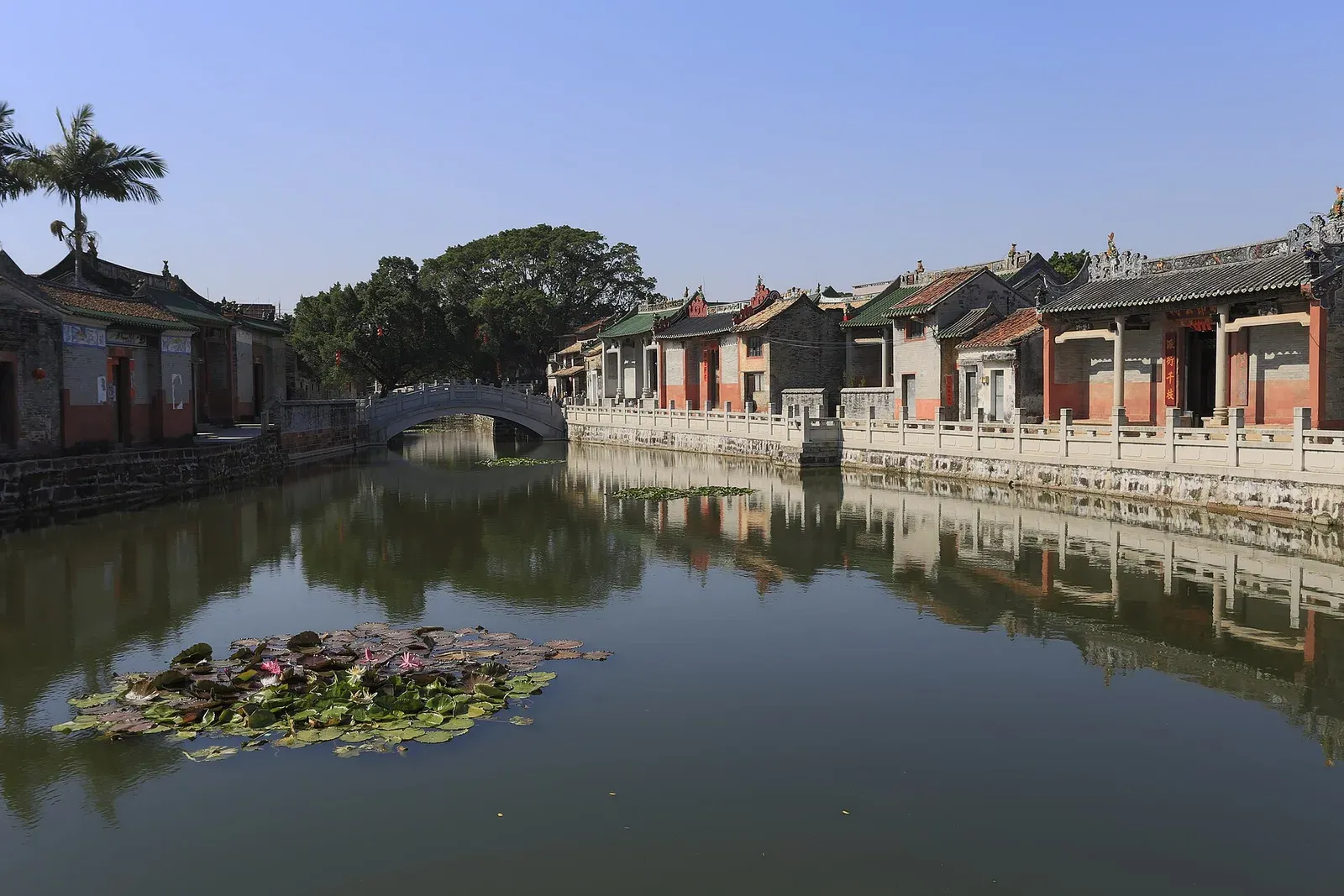
Nanshe Ancient Village in Chashan Town was founded during the Southern Song dynasty. During the Chongzhen era of the Ming dynasty, a defensive wall was built around an area of nearly 100,000 square meters. The village is symmetrically laid out along 4 central ponds and contains 16 ancestral halls from the Ming and Qing dynasties, including the Xie Ancestral Hall.
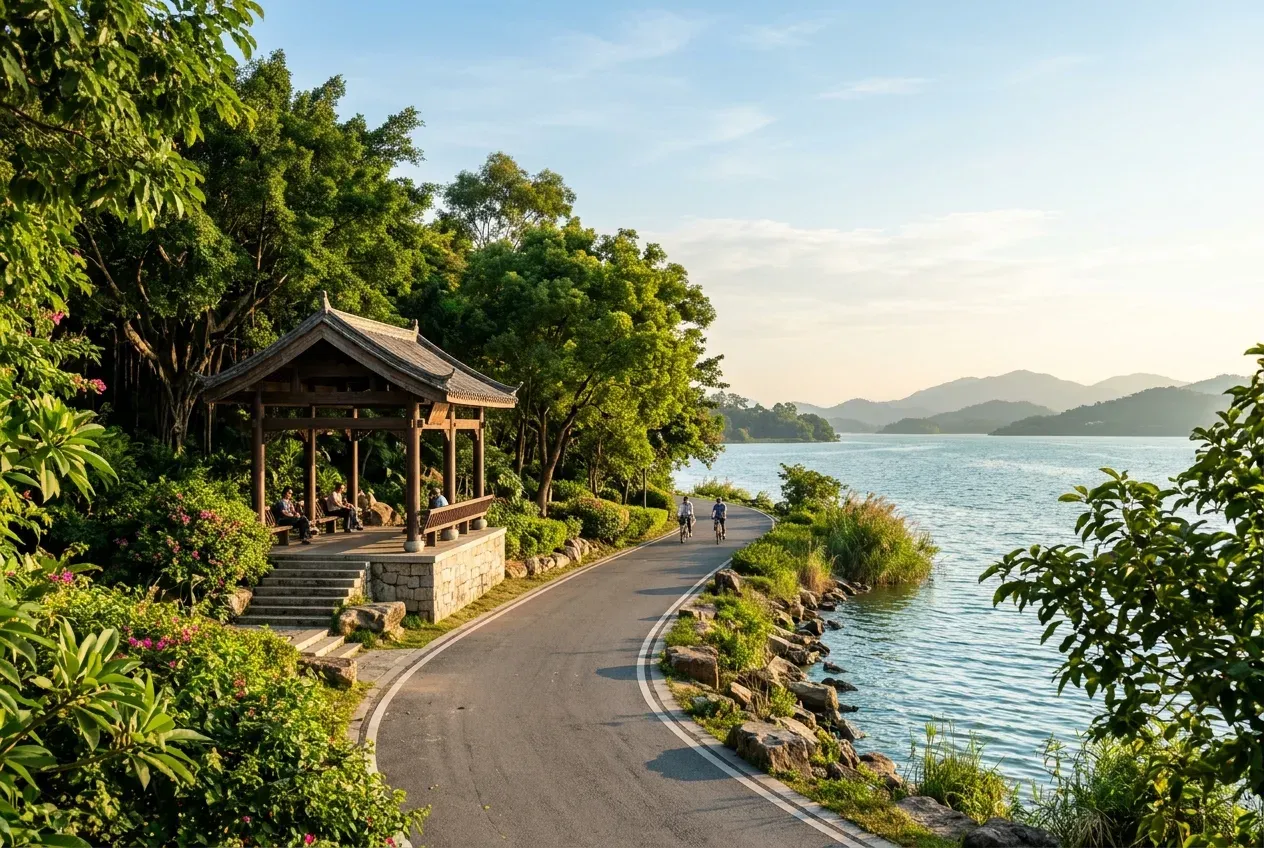
Songshan Lake was originally Songmushan Reservoir. It features a 42-kilometer circuit road for cycling and hiking. Completing the full loop takes about 3 to 4 hours, and the highest vantage point is the viewing pavilion in Taoyuan Park.
How should you plan a 1- or 2-day itinerary?
Dongguan's main sights are spread across Humen Town, Chashan Town, Songshan Lake, and the central urban area. You can plan a straightforward route using the Guangzhou-Shenzhen Railway, Guangzhou-Shenzhen-Hong Kong High-Speed Railway, and Metro Line 2 without backtracking.
One-day itinerary: Arrive at Humen Station in the morning via high-speed rail and head to Jiefang Road to visit the Opium War Museum and the Humen Forts site, viewing the remnants of the 11 forts and the iron cannons. In the afternoon, take Metro Line 2 to the main urban area to tour Dongguan Keyuan Garden.
Two-day itinerary: On day one, arrive at Dongguan Station via the Guangzhou-Shenzhen Railway and visit the 16 Ming and Qing ancestral halls in Nanshe Ancient Village in Chashan Town. Next, head to Songshan Lake to cycle or walk the 42-kilometer circuit road (the full loop takes about 3 to 4 hours) and climb up to the Taoyuan Park viewing pavilion. On day two, travel to Humen Town to visit the site of Lin Zexu's opium destruction and the Humen Forts before departing from Humen Station or Humen Ferry Terminal.
What should you eat in Dongguan, and what is the city known for?
Laifen consists of round, slender, and chewy rice noodles made primarily from non-glutinous rice, making it Dongguan's signature noodle dish (often served as roast goose laifen). When dining out locally, refer to the Chinese food and dining guide.
Dongguan is historically famous for producing Guanxiang (agarwood). In ancient times, agarwood was transported by water to ports around the Pearl River Estuary, which gave Hong Kong ("Fragrant Harbor") its name.
In modern industry and culture, Dongguan is known as the "factory of the world." Its electronic information industry, centered on smartphones, is a trillion-yuan pillar sector and includes major makers Huawei, OPPO, and vivo. The city is also designated a national basketball city in China, home to the Guangdong Southern Tigers, who have won multiple CBA championships.
Sources
Dongguan City - Wikipedia
Dongguan - Wikipedia
The Opium War Museum - Wikipedia
Humen Forts - Wikipedia
Nanshe Village - Wikipedia
Songshan Lake - Wikipedia
Dongguan Rail Transit Line 2 - Wikipedia
Humen Station - Wikipedia
Dongguan Railway Station - Wikipedia
Changping Station - Wikipedia
Laifen - Wikipedia
Sources verified on November 18, 2026
Related travel tips
Replies 08:30–22:00 your time · Free to ask.