
How to Use the Metro in China: Tickets, QR Codes, and Transfers
Key points
To learn how to use the metro in China, open a transit QR code in Alipay or WeChat to scan at the gates, or tap a transit or bank card. Beijing single fares cost 3 to 50 yuan. Across Shanghai, overseas contactless cards work at gates if PIN-free small payments are enabled. Enter and exit with the same card or QR code; most transfers are inside the paid area.
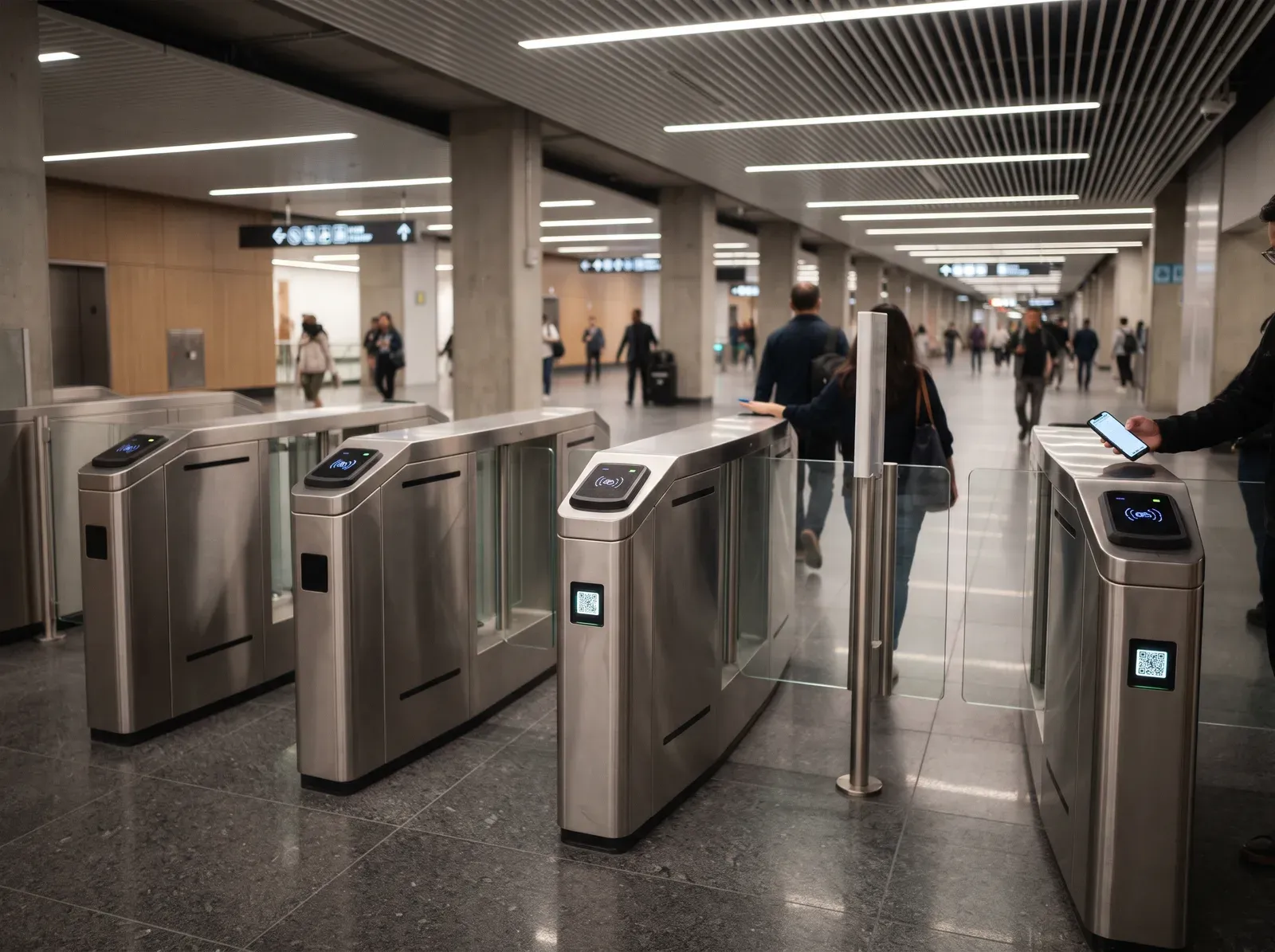
Buying tickets and riding trains is very convenient for foreigners using the subway in China. You do not need to wait in line at ticket windows. You can activate transit QR codes directly in Alipay or WeChat to scan through fare gates, or tap a bank card or transit card to enter and exit. In Beijing, for example, single-trip urban rail fares range between 3 yuan and 50 yuan, with most lines charging by distance. In places like Shanghai, fare gates also support tapping overseas contactless bank cards directly to pass through.
How can foreign visitors use mobile QR codes on the metro in China?
Once you activate the local metro transit service in Alipay or WeChat, you can scan QR codes at fare gates to enter, exit, and transfer. According to official Shanghai Metro information, passengers can also download the Metro Daduhui app to scan at gates. Cardholders with Mastercard or Diners Club cards can enable payment through the overseas card option under the WeChat Pay channel inside the app. Travelers arriving in Shanghai by train can also obtain a Shanghai City Travel Code (Suishenma) through the Railway 12306 platform, which works directly on the Shanghai Metro, public buses, the Airport Link Line, the Maglev train, and ferries, except for the Jinshan Railway.
Can you tap an overseas contactless bank card at fare gates?
Across the entire Shanghai Metro network, passengers holding qualifying contactless bank cards can use Tap to Ride directly at fare gates. According to the Shanghai Municipal People's Government and official metro information, fare gates support eligible contactless cards from UnionPay, Visa, Mastercard, American Express, and JCB, as well as digital yuan hard wallets. This feature requires that the bank card has PIN-free small payments enabled and holds sufficient available credit or funds.
How do you use transit cards and virtual phone cards?
If you take public transportation often during your trip, you can get a prepaid card with the China T-union logo. Under the interoperability rules led by the Ministry of Transport, passengers with a China T-union card can tap to ride subways and public buses across participating cities nationwide. In addition, the Shanghai Public Transportation Card can be added as a virtual card to supported smartphones or smartwatches, allowing you to tap your device to enter and exit metro stations. Foreign users who activate a unified transport code through the Suishenxing app can also enjoy the same transfer discounts as local Shanghai residents.
What are the differences between the main payment and travel methods?
| Travel Method | Supported Payment Channel or Media | Coverage and Notes | Fare and Billing Reference |
|---|---|---|---|
| Mobile QR code | Alipay, WeChat, Metro Daduhui app, Railway 12306 Suishenma | Scan directly at fare gates, with overseas bank cards linked inside apps | Single fares in Beijing range from 3 to 50 yuan; Suishenxing users in Shanghai get local transfer discounts |
| Tap to Ride with overseas bank card | Contactless cards from UnionPay, Visa, Mastercard, American Express, JCB, and digital yuan hard wallets | Tap directly at all Shanghai Metro fare gates without buying tickets in advance | Requires PIN-free small payments enabled, charged based on actual distance traveled |
| Nationwide transit card | Prepaid card with the China T-union logo | Tap to ride subways and public buses across participating cities nationwide | Charged according to local public transit rates |
| Virtual transit card on phone | Shanghai Public Transportation Card virtual card added to a smartphone or smartwatch | Tap your device to enter and exit Shanghai Metro stations | Charged according to actual transit fares |
What practical details should you know about transfers and metro rides?
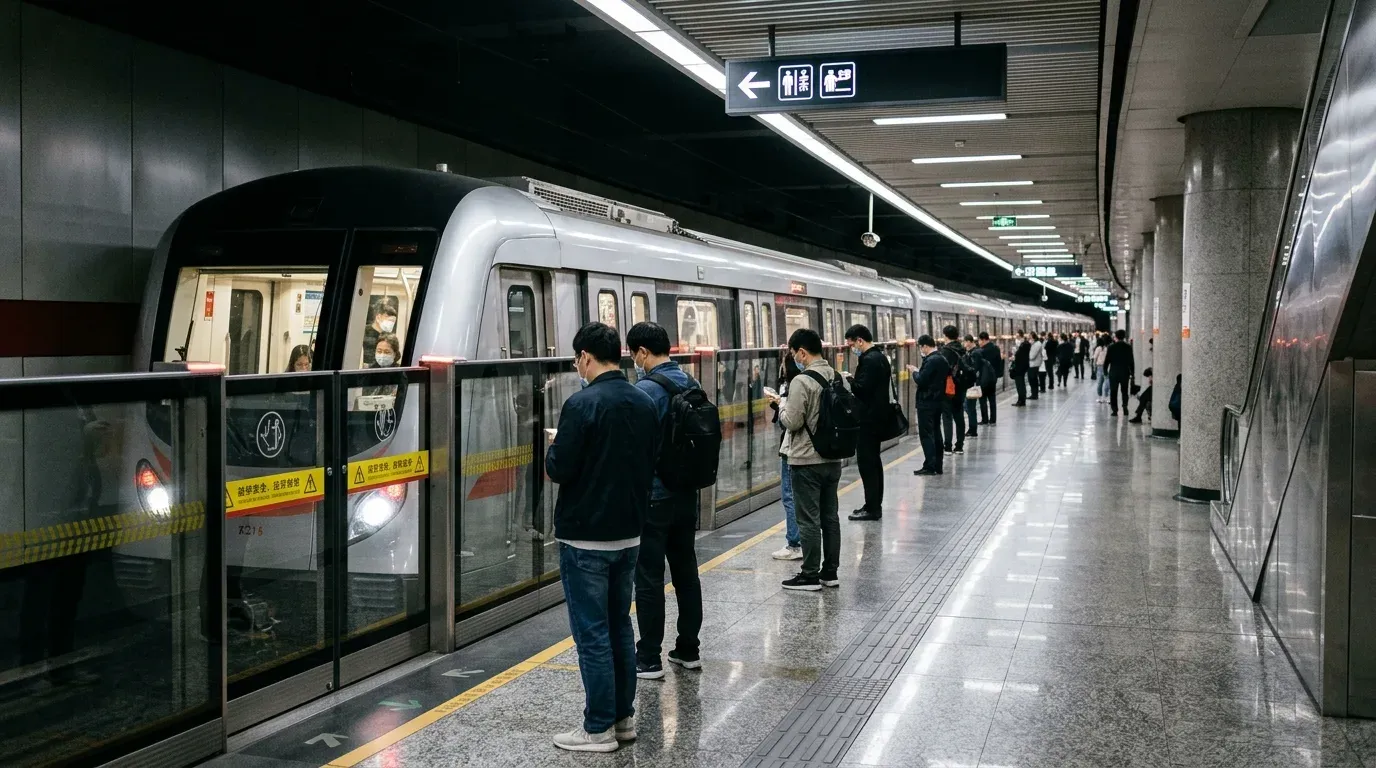
Transferring between metro lines is straightforward. At most interchange stations, you can follow overhead signs to change lines directly inside the fare-paid area. In Beijing, subway trains and stations provide bilingual announcements in Mandarin and English, so you can clearly hear the next stop and transfer information. Note that entering and exiting requires using the same card or the same QR code in the same mobile app, otherwise the fare gate cannot calculate your travel distance accurately.
Which lines have separate fare rules?
Not all rail lines follow standard city base fares. Some airport lines and suburban lines charge separate rates. In Beijing, the Xijiao Line, Yizhuang T1 Line, Capital Airport Express, and Daxing Airport Express operate under separate fare structures, with single-trip tickets priced independently between 3 yuan and 50 yuan. In Shanghai, the suburban railway Airport Link Line uses independent pricing with a starting fare of 4 yuan and a full-route fare of 26 yuan, connecting Hongqiao International Airport and Pudong International Airport in about 40 minutes.
If you want to take the metro on your own during free days, your travel designer can map out your station transfer routes. When traveling longer distances between cities or carrying heavy luggage, your driver will provide point-to-point private transfers.
Beijing, Xi'an & Shanghai 14-Day Private Tour, Slow Pace
Sources
Metro Travel Your Way - Shanghai Municipal People's Government
Beijing Subway - Baidu Baike
The sources above were verified on Nov 5, 2026
FAQ
Can foreign visitors tap an overseas Visa or Mastercard credit card directly to enter subways in China?
On the Shanghai Metro, passengers holding qualifying contactless bank cards from Visa, Mastercard, American Express, JCB, or UnionPay can tap to ride directly at fare gates, provided that PIN-free small payments are enabled. In other cities, you can usually link an overseas card in Alipay or WeChat to scan a transit QR code to enter and exit.
Can transit cards with the China T-union logo be used across different cities?
Yes. Under the interoperability rules of the Ministry of Transport, passengers holding a card with the China T-union logo can tap to ride subways and public buses across participating cities nationwide.
Are there English announcements when riding the metro in China?
Yes. Subways in major Chinese cities generally offer clear bilingual guidance. For example, trains and stations on the Beijing Subway provide announcements in both Mandarin and English.
What is the fare for the Shanghai Airport Link Line, and how long does the full journey take?
The Shanghai suburban railway Airport Link Line operates with independent pricing. The starting fare is 4 yuan and the full route costs 26 yuan, connecting Hongqiao International Airport and Pudong International Airport in about 40 minutes.