
Dali Weather: What to Wear and Four Seasons Travel Guide
Key points
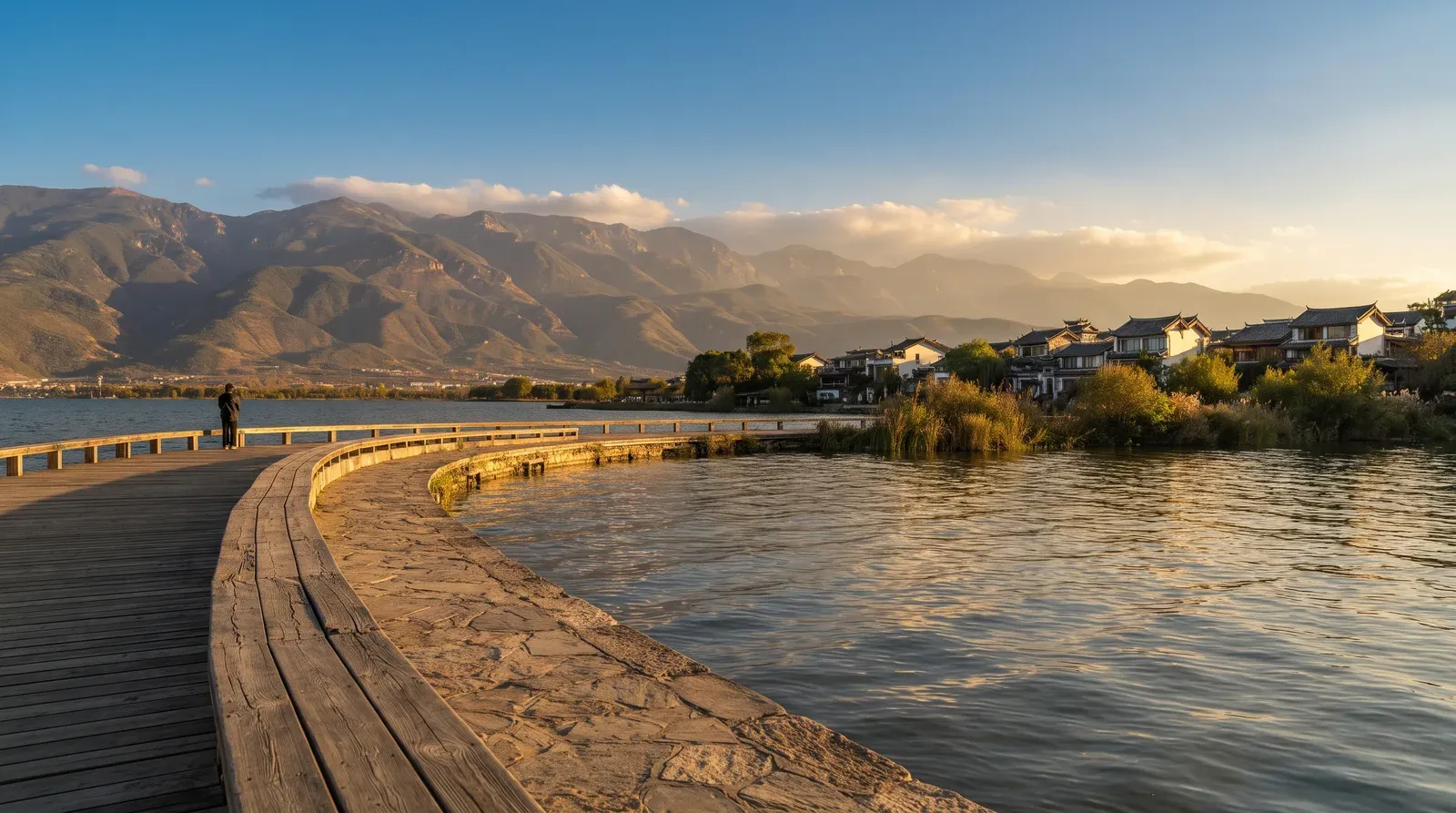
Dali weather features an annual average temperature of 15.1°C, with daytime highs around 25°C during the rainy season from June to October, requiring breathable layers and rain gear. Winters still reach 16°C or higher by day, though freezing nights demand thick coats. Bring warm outer layers when ascending to the 3,900-meter upper station of the Cangshan Ximatan Cableway.
Dali City has a subtropical plateau monsoon climate shaped by its low latitude and high elevation, with an average annual temperature of 15.1°C. Dali Prefecture sits in the transition zone between the Hengduan Mountains and the Yunnan-Guizhou Plateau, with an average altitude of 2,090 meters. This vertical relief creates noticeable day-night temperature swings and elevation shifts. When planning for Dali weather, the key to dressing comfortably is preparing for distinct wet and dry seasons, wide temperature drops between day and night, and rapid cooling at higher mountain elevations.
| Weather and Travel Factor | Official Figures and Climate Features |
|---|---|
| Climate Type | Subtropical plateau monsoon climate |
| Average Annual Temperature | 15.1°C |
| Average Annual Rainfall | 1,054.9 mm |
| Average Annual Sunshine | 2,228.1 hours |
| Average Frost-Free Period | 239.6 days |
| Rainy Season | June to October |
How Does Dali Weather Change Between Wet and Dry Seasons?
The local climate is mild with abundant sunshine, coinciding rain and heat, and distinct wet and dry seasons. Winters are brief, mild, and dry, while summers are warm and rainy. Most of the annual rain falls during the rainy season from June to October. In summer, rain falls on most days, and daytime temperatures usually reach around 25°C. In winter, frost can appear at night, but daytime temperatures usually still rise to 16°C or higher.
If you visit during the rainy season from June to October, breathable clothing and rain gear are practical for daytime outings. If you travel in winter, sunny days feel comfortable, but you will need a thick coat in the morning and evening to handle freezing drops in temperature.
How Should You Prepare for Strong Winds in Autumn and Winter?
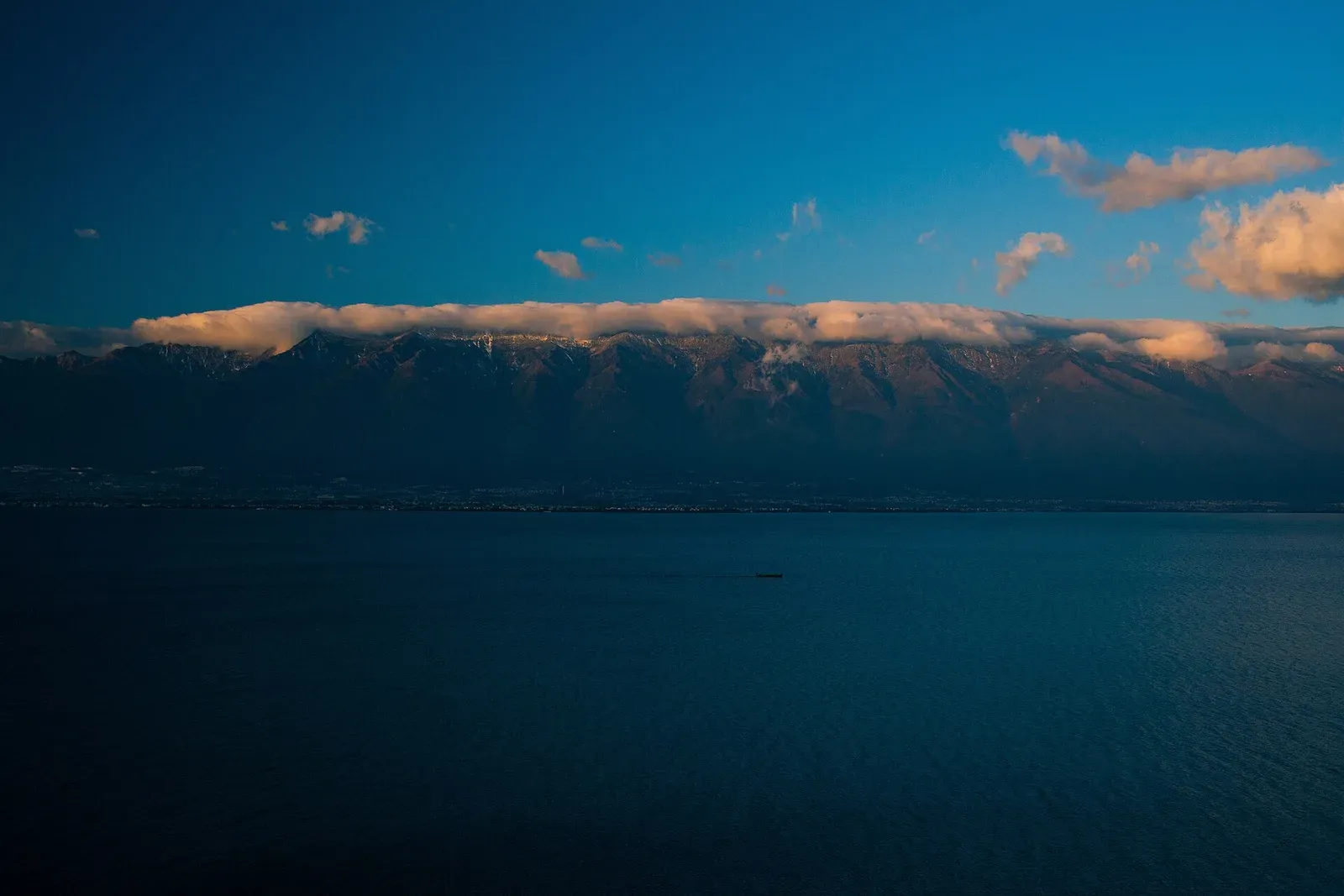
Dali is a windy region, with high winds concentrated in autumn and winter. The Xiaguan area of Dali City records an average annual wind speed of 4.1 meters per second, 78.5 gale days a year, and a historical maximum wind speed of 35.7 meters per second, earning it the local nickname "Wind City." Dali is famous for four traditional scenes known as "Wind, Flower, Snow, and Moon," and Xiaguan Wind heads the list, followed by Shangguan Flower, Cangshan Snow, and Erhai Moon.
Tip: Winds are strong around Xiaguan and along Erhai Lake in autumn and winter, so carry a windproof jacket.
What Temperature Differences Should You Expect on Mount Cangshan and Erhai Lake?
The terrain rises in the west and dips in the east, creating distinct vertical microclimates. Mount Cangshan features 19 major peaks, most rising above 3,500 meters. Malong Peak reaches 4,122 meters and Yuju Peak reaches 4,097 meters, keeping high-altitude temperatures significantly lower than down in the lake basin. Erhai Lake sits at an altitude of 1,972 meters, stretches 40.5 kilometers north to south, covers 252.19 square kilometers, and holds 3 billion cubic meters of water, buffering the local climate across the surrounding basin.
| Cangshan Ximatan Cableway Station or Scenic Spot | Altitude |
|---|---|
| Lower Station (Tianlongbabu Film City) | 2,200 meters |
| Middle Station (Seven Dragon Maiden Pools) | 2,800 meters |
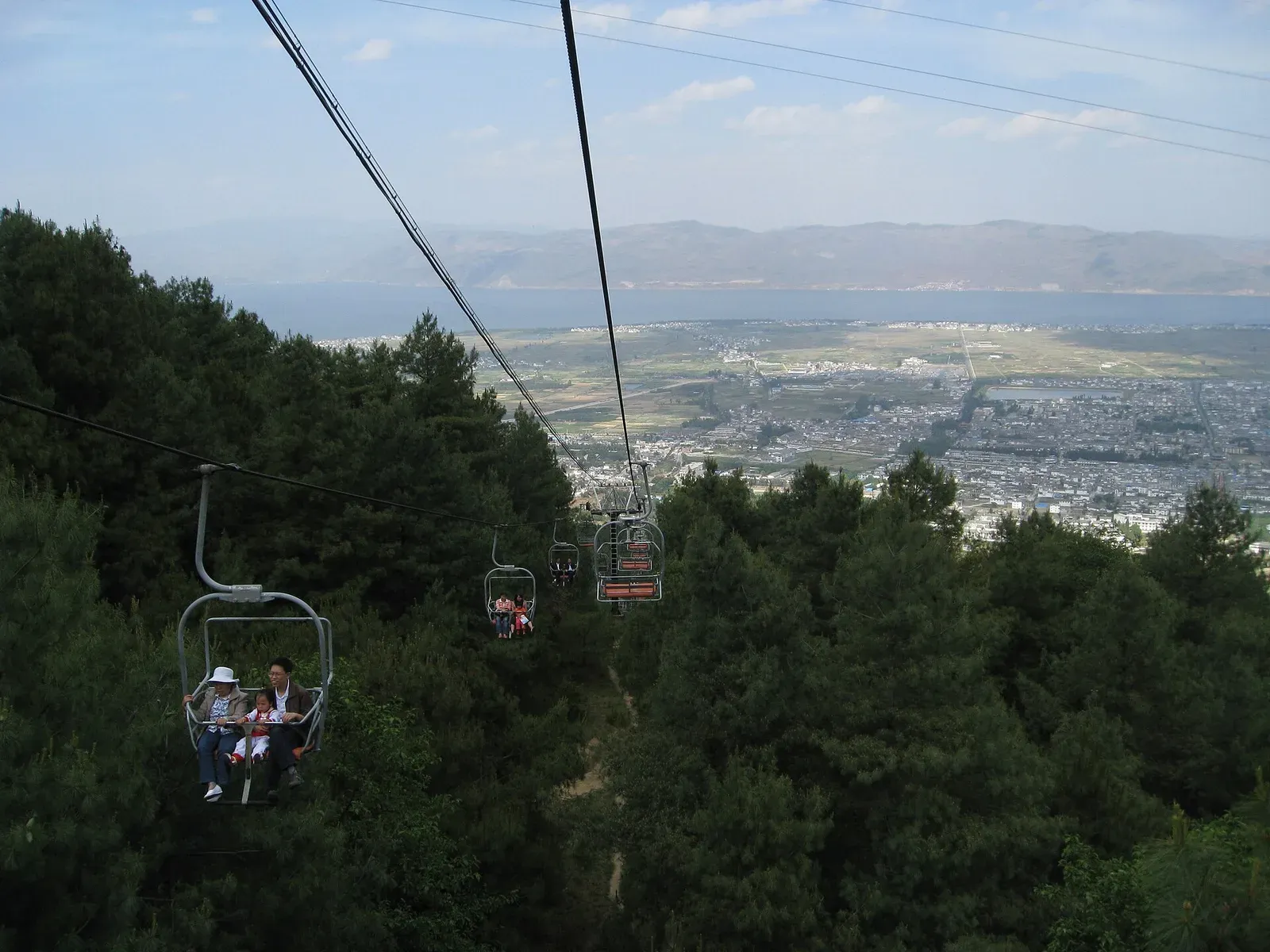
| Upper Station (Yuju Peak Ximatan Area) | 3,900 meters |
| Ximatan Alpine Moraine Lake | 3,920 meters |
According to Wuwei Travel, winter hikers on Yudai Road should consider walking from north to south, heading from Zhonghe Temple toward Cangshan Grand Canyon. This keeps you facing the sun for more warmth, and you should try to avoid hiking in the late afternoon.
Tip: According to an announcement by Today Dali, cableways may close due to high winds, heavy rain, or maintenance, and issued annual passes cannot be extended or refunded. Check the weather and cableway operating notices before heading up Mount Cangshan.
How Strong Is Plateau UV Light, and What Gear Do You Need?
Dali sits at nearly 2,000 meters above sea level with strong sunlight, recording 2,228.1 hours of average annual sunshine. This intense highland sunlight produces significant UV radiation, making full sun protection necessary during the day whether it is sunny or overcast. Uncle Panda Travel notes that because Dali is near 2,000 meters in altitude and receives powerful sunlight, travelers must bring a sun hat and sunscreen.
Tip: Keep a UV-blocking sun hat with you and reapply sunscreen regularly when walking along Erhai Lake or climbing Cangshan boardwalks to prevent sunburn.
Sources
Dali City - Wikipedia
Erhai Lake - Wikipedia
Cangshan Cableway 50% Off, Erhai Cruise Discounts: Prefecture Anniversary Benefits
Dali City - Wikipedia
Dali Travel Guide: Erhai Lake, Old Town and Bai Villages
Mount Cangshan - Wikipedia
Dali Bai Autonomous Prefecture - Wikipedia
Sources verified on November 18, 2026
FAQ
Which months make up the rainy season in Dali?
Most of Dali's annual rainfall occurs during the rainy season from June to October. Summer days often bring rain, and daytime temperatures usually reach around 25°C, making a compact umbrella and a light rain jacket helpful additions to your daypack.
Does Dali feel very cold during the day in winter?
Dali winters are short, mild, and dry. While frost can develop at night, daytime temperatures typically still rise to 16°C or higher. Days feel comfortable under the sun, though mornings and evenings require extra warm layers.
What should you know before taking the Cangshan Ximatan Cableway?
The Ximatan Cableway ascends from the lower station at 2,200 meters to the upper station at 3,900 meters, while Ximatan Lake sits at 3,920 meters between Yuju Peak and Longquan Peak. High-mountain temperatures are consistently much lower than in the basin, and winds can be brisk, so bring a thick, warm coat.
What does the famous Dali phrase "Wind, Flower, Snow, and Moon" refer to?
This traditional Dali saying highlights four classic sights: Xiaguan Wind, Shangguan Flower, Cangshan Snow, and Erhai Moon. The wind in Xiaguan is especially noticeable throughout autumn and winter.