
China Visa Application and Process: Visa-Free Stay Duration, Document Categories, and Application Methods

Key points
Eligible citizens from 55 countries transiting to a third destination can enter China visa-free for up to 240 hours, while travelers from 59 countries can visit Hainan visa-free for up to 30 days. Other foreign visitors must obtain a visa through a China Visa Application Service Center, offering 4 submission options. Passports must have at least 3 months of validity, and private stays require registration within 24 hours.
Foreign citizens entering China usually need to apply for a visa at a China Visa Application Service Center or a Chinese embassy or consulate abroad, though eligible travelers may enter visa-free under specific conditions. China's transit visa exemption now covers 55 countries, and eligible citizens from 59 countries holding ordinary passports can enter Hainan Province visa-free. For visa-free travel to China for US citizens, options are limited to transit exemptions, the Guangdong 6-day tour group policy, and Hainan entry. Otherwise, US travelers need to obtain a visa abroad before arriving and cannot apply for a port visa on arrival.
| Category | Eligible Travelers and Requirements | Stay Duration | Permitted Area |
|---|---|---|---|
| 240-hour transit visa exemption | Citizens of 55 countries with a valid passport and confirmed connecting tickets to a third country or region | 240 hours (starting from 00:00 on the day after entry) | Designated areas across 24 provinces, autonomous regions, and municipalities, with inter-provincial travel permitted |
| 24-hour transit visa exemption | Transit passengers holding connecting international tickets within 24 hours | Within 24 hours | Restricted areas of key hub airport ports (exempt from border inspection formalities) |
| Hainan visa-free entry | Citizens of 59 countries holding ordinary passports (for business, visits, family visits, medical care, exhibitions, sports, and similar purposes) | Up to 30 days | Hainan Island (no travel agency tour group required) |
| Coastal cruise visa exemption | Foreign tour groups (2 people or more) received by domestic travel agencies entering via 13 coastal cruise ports | Up to 15 days | All areas of coastal provinces, autonomous regions, and municipalities, as well as all of Beijing Municipality |
| Guangdong visa-free for tour groups from Hong Kong and Macao | Ordinary passport holders from countries with diplomatic ties joining a travel agency tour group in Hong Kong or Macao | Up to 6 days | Nine Pearl River Delta cities in Guangdong and Shantou City |
| APEC Business Travel Card | Cardholders with valid cards marked with the CHN code on the back engaging in business activities | Up to 90 days per visit | Within China (using dedicated border inspection lanes) |
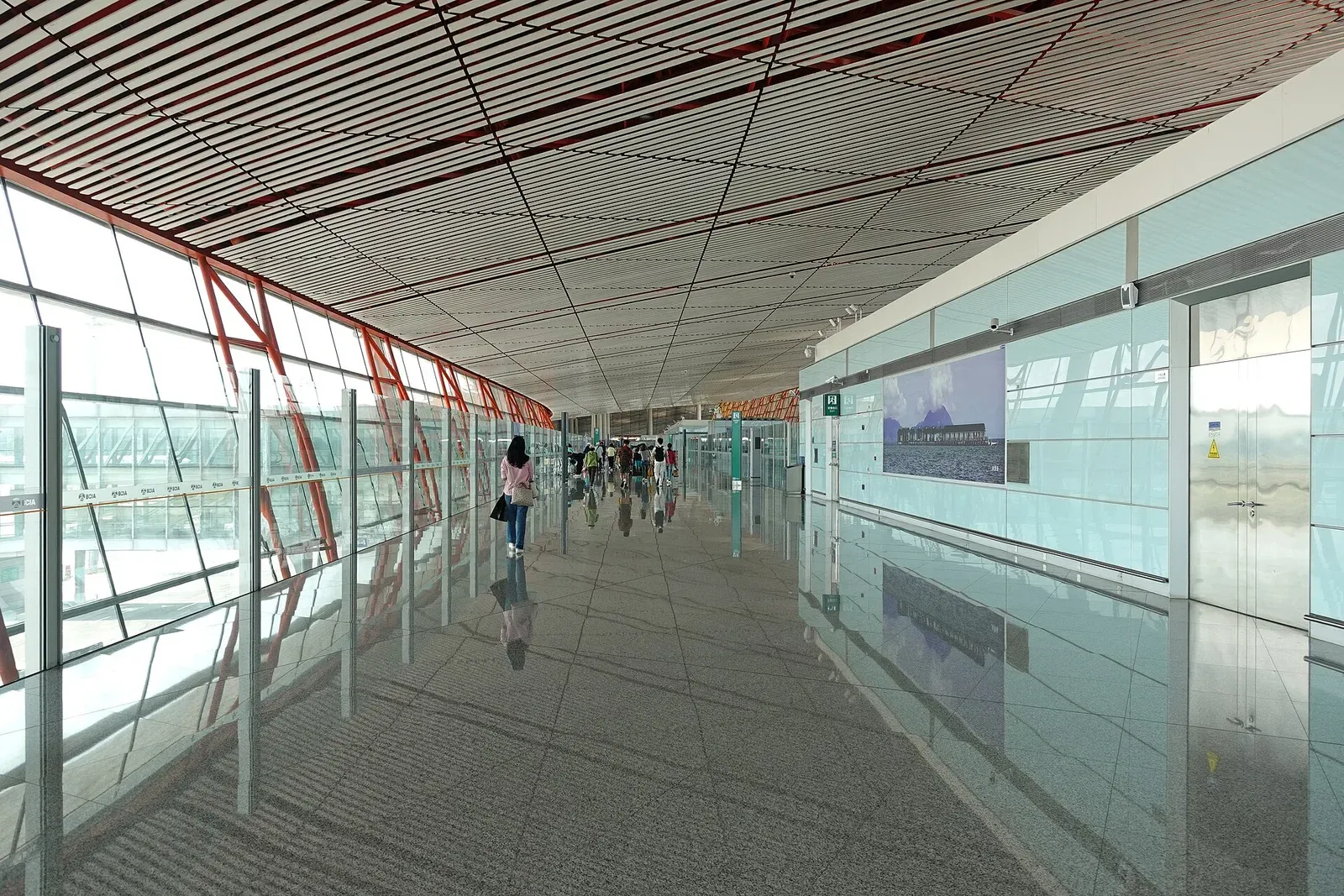
Do I need a visa to enter China? How 240-hour and 24-hour transit exemptions work
Foreign travelers eligible for transit visa exemptions do not need to apply for a regular Chinese visa in advance when traveling to a third country or region. Effective Dec 17, 2024, China extended the permitted stay at transit exemption ports to 240 hours (10 days). The stay duration is calculated starting from 00:00 on the day following entry. Applicants are required to hold a passport or international travel document valid for at least 3 months, and need to have booked a connecting ticket with confirmed dates and seats within 240 hours before entering. Under China's transit visa exemption rules, Hong Kong, Macao, and Taiwan are treated as independent destinations, allowing you to route through them as a third country or region.
At key hub airports approved by the National Immigration Administration, transit passengers holding connecting international tickets within 24 hours can transit directly without border inspection formalities as long as they stay within the restricted port area. Traveler accounts note that international transit passengers stepping off their flight at hub airports can follow signs for the international transfer channel to complete their connection, provided they do not need to leave the secure terminal area.
Tip: Flights routing between the US mainland and US territories like Guam do not qualify as travel to a third country, as your itinerary needs to include a layover in a third country or Hong Kong, Macao, or Taiwan. In addition, US and Canadian citizens transiting through airports in Tianjin, Weihai, Xi'an, or Zhengzhou cannot add extra domestic transfer stops within China, and need to depart directly on an international flight.
Which regional routes allow visa-free entry? Hainan, cruise ports, and the Pearl River Delta
Beyond transit exemptions, foreign visitors can enter China visa-free through regional channels like Hainan Island, coastal cruises, and tour groups from Hong Kong and Macao. Eligible citizens of 59 countries holding ordinary passports can enter Hainan Province visa-free and stay on the island for up to 30 days without needing a travel agency tour group. Permitted purposes cover business, visits, family reunions, medical treatment, exhibitions, and athletic competitions, excluding work and study. Foreign tour groups of 2 people or more received by domestic travel agencies arriving on cruise ships through 13 coastal ports, including Shanghai, can stay visa-free as a whole group for up to 15 days, covering all coastal provinces, autonomous regions, and municipalities, as well as Beijing.
Foreign travelers already in Hong Kong or Macao who hold ordinary passports from countries with diplomatic ties to China can join a local tour group to visit nine Pearl River Delta cities in Guangdong and Shantou for up to 6 days without a visa. If you hold a valid APEC Business Travel Card marked with the CHN code on the back, you can enter China visa-free for business activities, stay up to 90 days per visit, and use dedicated border inspection lanes.
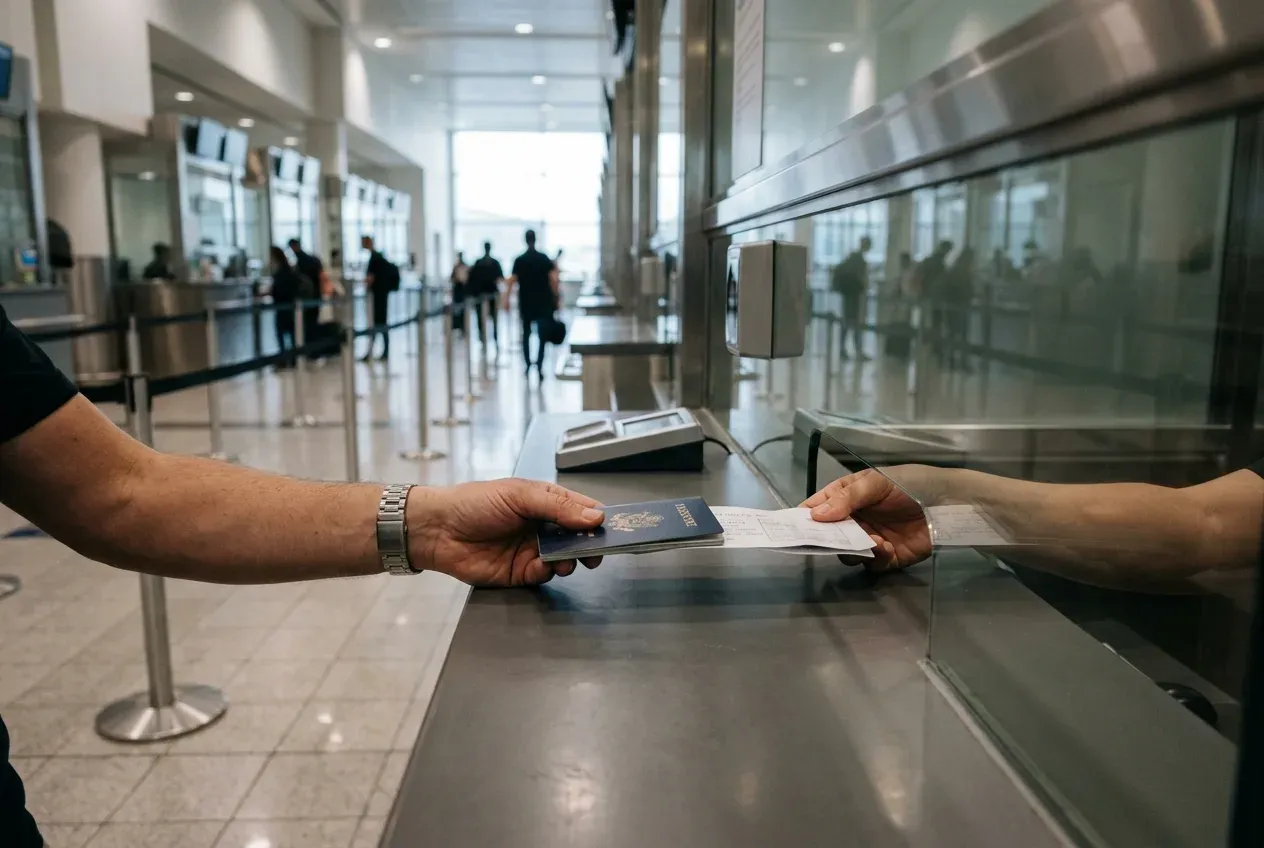
Which regular Chinese visa category fits your visit, and what documents are needed?
Foreign citizens who do not meet visa-free conditions need to apply for a regular Chinese visa at a visa application service center or an overseas embassy or consulate before traveling. Regular Chinese visas include categories such as tourism (L), business (M), exchanges and visits (F), family visits (Q1/Q2), personal matters (S1/S2), and work (Z). The letter codes for these categories correspond to the first pinyin letters of their Chinese names.
Requirements for a Chinese visa application have been simplified in several regions, easing preparation for travelers wondering how long it takes to get a Chinese visa. Effective Dec 1, 2023, US citizens applying for a tourist visa (L visa) no longer need to submit an itinerary, round-trip flight tickets, or hotel bookings. Foreign nationals holding Hong Kong or Macao resident status are also exempt from submitting round-trip flight tickets and hotel bookings when applying at local visa centers in Hong Kong or Macao.
Tip: Declare your true travel purpose when applying for a tourist visa.
Submission Options at the China Visa Application Service Center
When applying through the center, applicants can choose from 4 submission options: regular, express, rush, and postal service. Processing fees vary depending on visa category, number of entries, validity period, and applicant nationality.
| Submission Option | Fee Determination |
|---|---|
| Regular processing | Fees depend on visa type, entries, validity, and nationality |
| Express processing | Fees depend on visa type, entries, validity, and nationality |
| Rush processing | Fees depend on visa type, entries, validity, and nationality |
| Postal processing | Fees depend on visa type, entries, validity, and nationality |
First time entering China? Common compliance pitfalls to avoid
First-time visitors to China often misunderstand requirements around passport validity, past visa refusals, temporary accommodation registration, and travel permits for restricted areas. Knowing these regulatory rules helps you avoid delays at border control or unauthorized stay records.
| Common Misunderstanding | Official Rule and Practical Advice |
|---|---|
| Passport validity and visa refusal stamps | Travelers with less than 3 months of passport validity, a refusal stamp from a Chinese visa authority, or a record of illegal entry, stay, or employment in China within the past 5 years cannot apply for transit visa exemptions |
| Accommodation registration outside hotels | Transit visa-exempt travelers staying somewhere other than a hotel must register temporary accommodation at the local police station within 24 hours of arrival, either in person or through their host |
| Overstaying due to emergencies | If sudden illness or force majeure requires staying beyond 240 hours or outside permitted areas, apply in advance for a stay permit at the local public security exit-entry administration |
| Travel document requirements for Tibet | Foreign tourists visiting Tibet need a Tibet Travel Permit issued by the Tibet Tourism Bureau arranged through a travel agency, in addition to a Chinese visa, and cannot travel independently |
Tip: The National Immigration Administration 12367 government service platform provides a 24-hour hotline (+86-12367) supporting Chinese, English, Russian, Japanese, and Korean, so you can call anytime if you have policy questions while in China.
Sources
FAQ on the 240-Hour Transit Visa Exemption for Foreign Nationals
Exit and Entry Policy of the People's Republic of China - Wikipedia
Visa policy of mainland China - Wikipedia
Sources verified as of Nov 19, 2026
FAQ
How many days can US citizens stay in China visa-free for tourism?
US citizens who qualify for the 240-hour transit exemption while transiting to a third country or region can travel across designated areas in 24 provinces, autonomous regions, and municipalities for up to 10 days. Those traveling to Hainan Province with an ordinary passport can stay visa-free for up to 30 days. Outside of transit exemptions, Hainan visa-free entry, or the Guangdong 6-day tour group policy, US citizens need to secure a visa before arriving and cannot apply for a visa on arrival at the border.
Do Hong Kong and Macao count as a third country or region under the 240-hour transit exemption?
Yes. Under China's transit visa exemption policy, Hong Kong, Macao, and Taiwan are treated as independent destinations. You can design transit routes using them as a third country or region, such as flying from San Francisco to Hong Kong with a layover in Beijing.
Do US citizens still need round-trip flight tickets and hotel bookings to apply for an L tourist visa?
No. Effective Dec 1, 2023, US citizens applying for a Chinese tourist visa (L visa) do not need to submit an itinerary, round-trip flight tickets, or hotel bookings.
Do I need to register if I stay with family or friends under a transit visa exemption?
Yes. Transit visa-exempt travelers staying anywhere other than a hotel must report and complete temporary accommodation registration at the local police station within 24 hours of arrival, either in person or through their host.
Can foreign tourists buy tickets and travel independently to Tibet?
No. Foreign visitors traveling to Tibet must have a Tibet Travel Permit issued by the Tibet Tourism Bureau arranged through a travel agency, in addition to a Chinese visa, and cannot travel independently.
What should I do if a sudden illness causes me to overstay the 240-hour limit?
If sudden illness or force majeure requires staying beyond 240 hours or outside permitted areas, you should apply in advance for a stay permit at the local public security exit-entry administration.