
China Public Holidays Calendar and Peak-Travel Tips

Key points
Under statutory rules for China public holidays totaling 13 days, expressways offer toll-free access for passenger cars with 7 seats or fewer only during Spring Festival, Qingming, Labor Day, and National Day. During the 40-day Chunyun rush, you can avoid peak travel by heading toward coastal cities before the holiday, and foreign travelers can complete online passport verification directly on Railway 12306.
Under the Measures on National Holidays and Memorial Days revised by the State Council in 2024, the current standard for China public holidays is 13 days, with 2 additional days for all citizens starting January 1, 2025. In practice, a China national holiday is usually combined with adjacent weekends through adjusted workdays to create long breaks or mini vacations. Understanding the holiday schedule, shifted workdays, and travel patterns on highways and railways is key to planning your trip in China.
| Item | Rules and Standards |
|---|---|
| Total statutory public holidays | 13 days (off for all citizens) |
| Long holidays with adjusted workdays | Spring Festival, National Day, Labor Day |
| Short holidays with linked or adjusted days | New Year's Day, Qingming Festival, Dragon Boat Festival, Mid-Autumn Festival |
| Holidays with toll-free toll roads | Spring Festival, Qingming Festival, Labor Day, National Day |
| Eligible vehicles for toll-free highways | Passenger vehicles with 7 seats or fewer (including 7 seats), including motorcycles permitted on regular toll roads |
How do working day adjustments and schedules work for 2026 China public holidays?
According to the holiday adjustment rules announced by the State Council, except for rare special cases, Spring Festival includes an 8-day break starting from Chinese New Year's Eve, National Day includes adjusted days off starting October 1, and Labor Day also forms a continuous break through adjusted workdays. New Year's Day, Qingming Festival, Dragon Boat Festival, and Mid-Autumn Festival each have adjusted or consecutive days off; if a festival falls on a Wednesday, only that single day is taken off. In the revised holiday regulations, all citizens receive 4 days off for Spring Festival (Chinese New Year's Eve, and the 1st through 3rd days of the 1st lunar month) and 2 days off for Labor Day (May 1 and May 2). The specific schedule for 2026 holidays and makeup workdays is listed in the table below.
| Holiday Name | Holiday Dates | Days Off |
|---|---|---|
| New Year's Day | January 1 to 3 | 3 days |
| Spring Festival | February 15 (28th day of the 12th lunar month) to 23 (7th day of the 1st lunar month) | 9 days |
| Qingming Festival | April 4 (Saturday) to 6 (Monday) | 3 days |
| Labor Day | May 1 (Friday) to 5 (Tuesday) | 5 days |
| Dragon Boat Festival | June 19 (Friday) to 21 (Sunday) | 3 days |
| Mid-Autumn Festival | September 25 (Friday) to 27 (Sunday) | 3 days |
| National Day | October 1 (Thursday) to 7 (Wednesday) | 7 days |
Depending on holiday rules: if a traditional festival falls on a Wednesday, the government only grants 1 day off on that day without adjusting adjacent weekends; if the festival is close to a weekend, it is combined or adjusted to form a 3-day break.
Which holidays have toll-free expressways, and what should you watch for at toll gates?
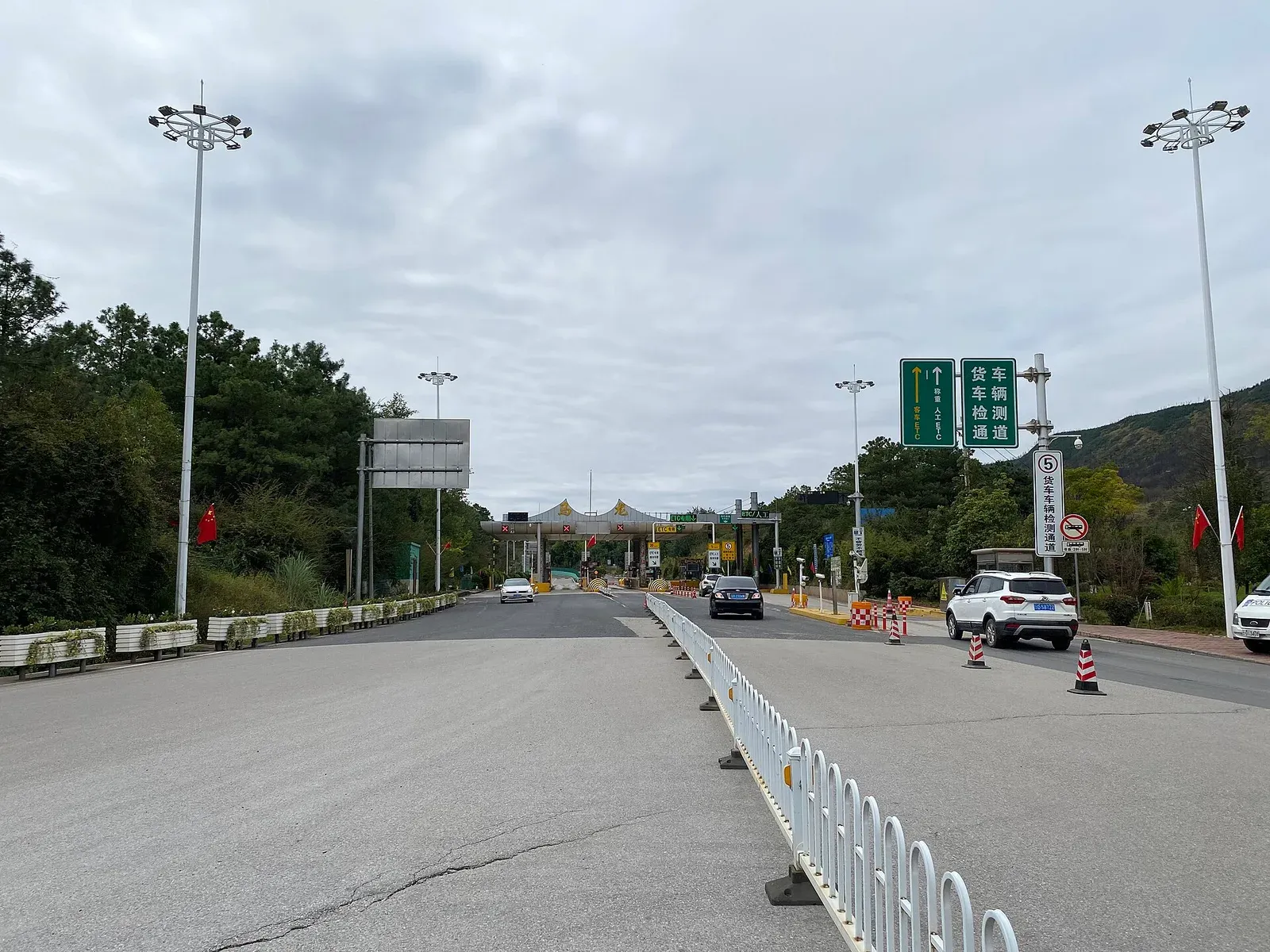
Under the national toll-free policy, toll roads are free of charge only during 4 statutory holidays and their linked off-days: Spring Festival, Qingming Festival, Labor Day, and National Day. Expressways are not free during New Year's Day, Dragon Boat Festival, and Mid-Autumn Festival. The toll-free window starts at 00:00 on the first day of the holiday and ends at 24:00 on the last day. For regular highways, it is based on the time you pass through the toll lane; for expressways, it is based on the time you exit the toll lane.
Vehicles eligible for free travel on toll roads during major holidays are passenger vehicles with 7 seats or fewer (including 7 seats), as well as motorcycles permitted on regular toll roads.
| Toll-Free Statutory Holidays | Toll-Free Window Standards | Eligible Vehicles |
|---|---|---|
| Spring Festival and its connected rest days | From 00:00 on the first day to 24:00 on the last day of the holiday (based on passage through toll lanes for regular roads and exit time for expressways) | Passenger vehicles with 7 seats or fewer (including 7 seats), including motorcycles permitted on regular toll roads |
| Qingming Festival and its connected rest days | From 00:00 on the first day to 24:00 on the last day of the holiday (based on passage through toll lanes for regular roads and exit time for expressways) | Passenger vehicles with 7 seats or fewer (including 7 seats), including motorcycles permitted on regular toll roads |
| Labor Day and its connected rest days | From 00:00 on the first day to 24:00 on the last day of the holiday (based on passage through toll lanes for regular roads and exit time for expressways) | Passenger vehicles with 7 seats or fewer (including 7 seats), including motorcycles permitted on regular toll roads |
| National Day and its connected rest days | From 00:00 on the first day to 24:00 on the last day of the holiday (based on passage through toll lanes for regular roads and exit time for expressways) | Passenger vehicles with 7 seats or fewer (including 7 seats), including motorcycles permitted on regular toll roads |
Tip: When entering an expressway through a manual lane, exit through a manual lane as well. If you exit through an ETC lane, the barrier will not lift without entry information, requiring you to turn back to a manual lane.
What are the travel traffic patterns during Chunyun and Golden Week holidays?
The 7-day or 8-day breaks formed by workday adjustments are known as Golden Weeks, marking peak periods for domestic tourism and long-distance travel across regions. In addition, Chunyun (the Spring Festival travel rush) usually begins 15 days before Chinese New Year and lasts around 40 days, creating a nationwide peak in passenger traffic.
Cross-regional travel during Chunyun shows a clear directional pattern: before the holiday, passenger flows move mainly from economically developed coastal cities such as Beijing, Shanghai, Shenzhen, and Guangzhou toward central and western regions and rural areas; after the holiday, the flow reverses completely, moving from central and western regions and rural areas back to major coastal cities.
To avoid peaks based on passenger direction: if you travel during the week before Spring Festival, long-distance transport toward coastal cities like Beijing, Shanghai, and Guangzhou is relatively uncrowded; if you head toward central or western China before the holiday, you will move in the same direction as the main homecoming crowd and need to arrange connections well in advance.
How can international travelers book high-speed train tickets on Railway 12306 during holidays?
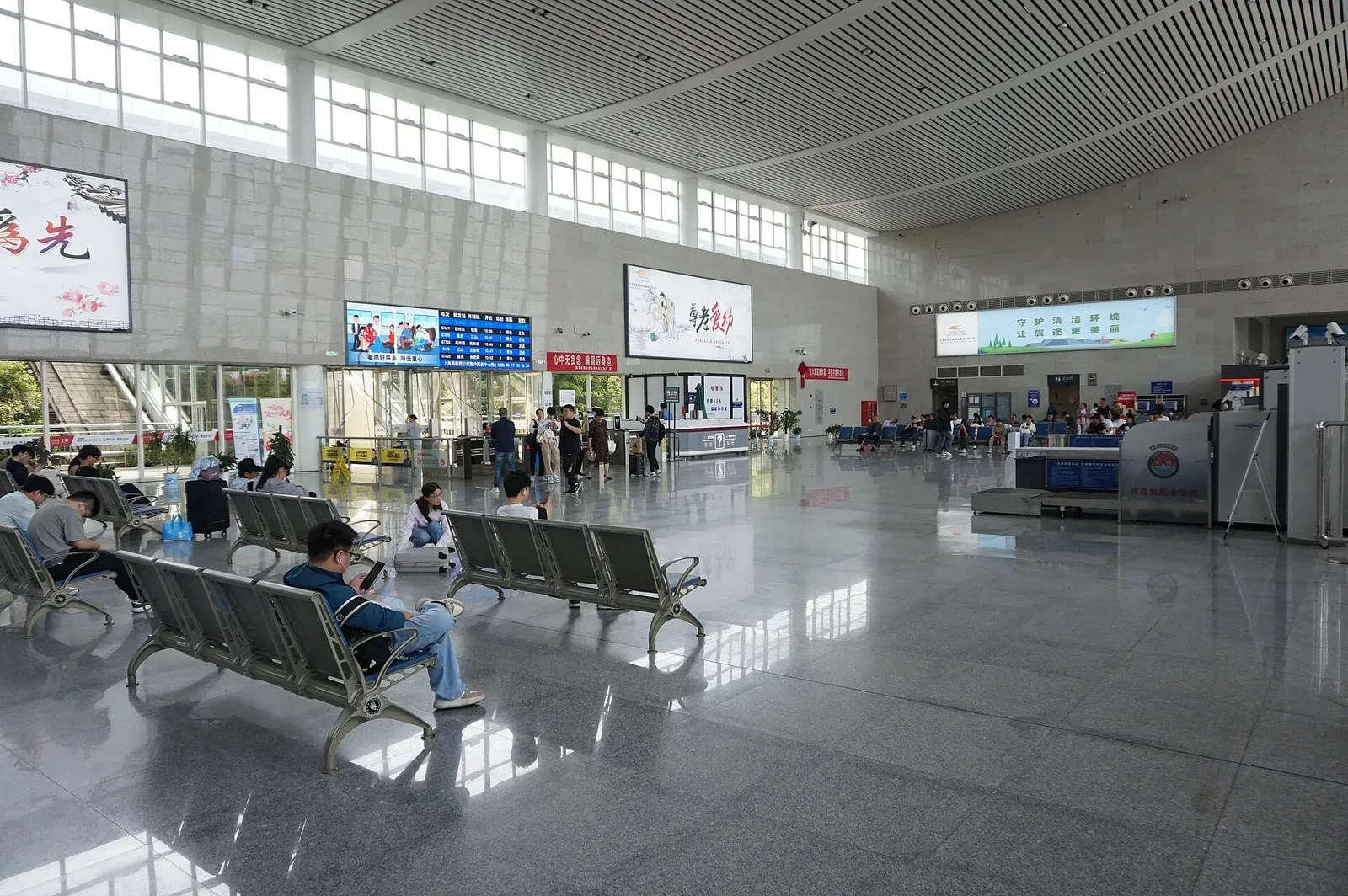
The English version of Railway 12306, the official platform of the China Railway Customer Service Center, allows passengers with foreign passports to register and book tickets online, and accepts international credit cards such as Visa and Mastercard. Since November 28, 2023, Railway 12306 has offered online passport identity verification for international travelers, so you do not need to visit a station ticket window after completing verification online.
To handle heavy holiday ticket demand, the Railway 12306 mobile app includes features for pre-filling booking information and subscribing to ticket on-sale reminders, helping you set up passenger details before tickets go on sale. If popular trains sell out during holidays, the official Railway 12306 waitlist service covers all trains across the national network, allowing you to submit a waitlist order that the system fulfills automatically in line.
| Service Feature | Operation and Support Details |
|---|---|
| Online foreign passport verification | Provides online identity verification for foreign passports without visiting manual station windows |
| International credit card payment | The English version supports online registration and booking for non-Chinese passport holders, and accepts international credit cards such as Visa and Mastercard |
| On-sale reminder subscription | The mobile app provides a subscription feature for train ticket release alerts |
| Pre-filling booking information | The mobile app includes a pre-fill feature for ticket requests, making it easy to set travel information before tickets go on sale |
| Official waitlist booking | When popular holiday tickets sell out, travelers can submit a waitlist order for the system to queue and fulfill automatically across all trains |
Sources
Ministry of Justice of the People's Republic of China
Public holidays in China - Wikipedia
Approval of the State Council on the Plan for Toll-Free Passage of Small Passenger Vehicles on Major Holidays
Three-Day Qingming Holiday: Save This Fee - Guangzhou Municipal People's Government
Chunyun - Wikipedia
China Railway Customer Service Center - Wikipedia
Golden Week (China) - Wikipedia
Sources verified on November 17, 2026
FAQ
How many statutory public holidays are there in China in 2026?
Under the Measures on National Holidays and Memorial Days revised for the fourth time by the State Council in 2024, the current statutory standard for China public holidays is 13 days. Starting January 1, 2025, 2 additional days off were added for all citizens: Chinese New Year's Eve and May 2.
Are expressways toll-free during New Year's Day, Dragon Boat Festival, and Mid-Autumn Festival?
No, they are not toll-free. Under national policy, free passage applies only to 4 statutory holidays and their linked off-days: Spring Festival, Qingming Festival, Labor Day, and National Day. Standard tolls apply during New Year's Day, Dragon Boat Festival, and Mid-Autumn Festival.
Does expressway toll-free passage depend on entry time or exit time?
For expressways, toll-free passage is determined by the time your vehicle exits the toll lane; for regular toll roads, it depends on the time you pass through the toll lane. The toll-free window runs from 00:00 on the first day of the holiday to 24:00 on the last day.
Do international travelers need to verify their passports at a train station window to buy tickets on 12306?
No, they do not. Since November 28, 2023, China Railway 12306 has offered online passport identity verification. Foreign passport holders can complete verification online in the English version of 12306 without visiting an in-person station ticket window.
When does Chunyun usually start, and how long does it last?
Chunyun usually starts 15 days before Chinese New Year and lasts around 40 days. During this period, passenger travel before the holiday flows mainly from Beijing, Shanghai, Guangzhou, and Shenzhen toward central and western regions and rural areas, and the flow completely reverses after the holiday.