
Beijing Train Stations: Hubs, Routes, and Subway Transfers
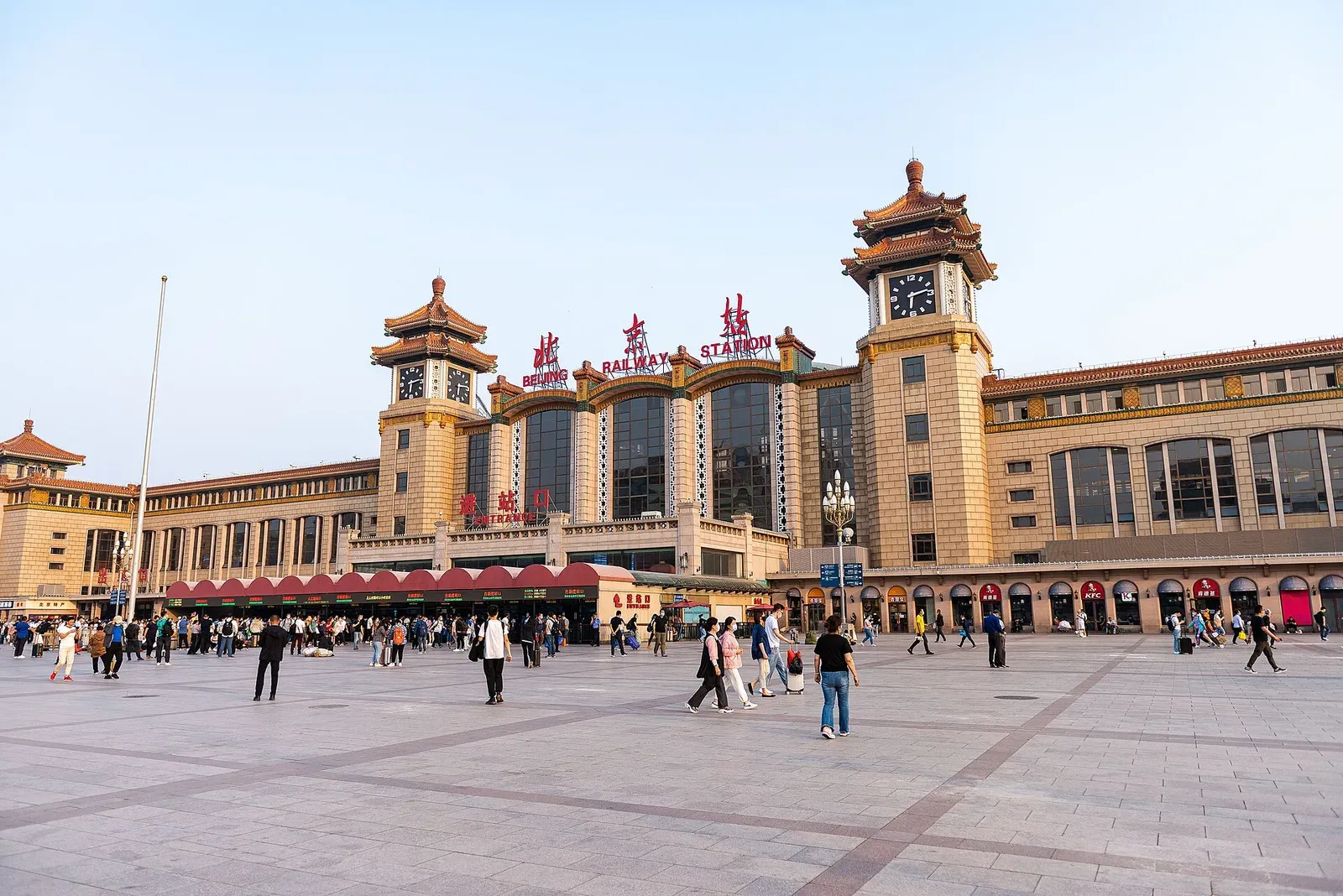
Photo: N509FZ / Wikimedia Commons, CC BY-SA 4.0
Key points
Seven major Beijing train stations serve different routes across the country, with high-speed trains to Shanghai departing mainly from Beijing South and departures on the Beijing-Guangzhou line handled by Beijing West and Beijing Fengtai. Transferring between terminals requires exiting to use local subways or city transit. Always verify the full station name on your ticket and carry your original passport for electronic ticket boarding.
According to the Beijing municipal government's English website, 7 large Beijing train stations link passenger routes across the city: Beijing Station, Beijing West, Beijing South, Beijing Fengtai, Beijing Chaoyang, Beijing North, and Qinghe. Each station handles high-speed rail, regular trains, or intercity routes heading in different directions. Check the exact station name printed on your ticket before heading out, so directional words in the name do not lead you to the wrong terminal.
| Station Name | District | Opening or Reopening Date | Key Lines and Destinations |
|---|---|---|---|
| Beijing Station | Dongcheng District | 1959 | Beijing-Harbin Railway, Beijing-Shanghai Railway, Beijing-Tangshan Intercity, Beijing-Binhai Intercity; runs Beijing-Shanghai, Beijing-Harbin, and Beijing-Guangzhou high-speed trains toward Shenyang, Harbin, Dalian, Qinhuangdao, and Shanghai |
| Beijing West Railway Station | Fengtai District | Early 1996 | Beijing-Guangzhou High-Speed Railway, Beijing-Guangzhou Railway, Beijing-Kowloon Railway, and Beijing-Xiongan Intercity passenger trains |
| Beijing South Railway Station | Fengtai District | August 1, 2008 | Starting point for Beijing-Shanghai High-Speed Railway and Beijing-Tianjin Intercity Railway, mainly serving Shanghai, Xiamen, Hefei, Qingdao, and Tianjin |
| Beijing Fengtai Railway Station | Fengtai District | June 20, 2022 | Beijing-Guangzhou High-Speed Railway, along with passenger services on Beijing-Kowloon, Beijing-Guangzhou, Fengtai-Shacheng, Beijing-Yuanping, Beijing-Shanghai, Beijing-Harbin, and Beijing-Baotou railways |
| Beijing Chaoyang Railway Station | Chaoyang District | January 22, 2021 | Mainly operates trains toward Harbin, Shenyang, and Chengde |
| Beijing North Railway Station | Xicheng District | Reopened December 30, 2019 | Origin station for Beijing-Zhangjiakou High-Speed Railway, mainly serving Zhangjiakou, Datong, Hohhot, and Baotou; one of the origin stations for the Huairou-Miyun Line |
| Qinghe Railway Station | Haidian District | Reopened December 30, 2019 | Passenger services for Beijing-Zhangjiakou High-Speed Railway and the Huairou-Miyun Line |
Which Beijing Train Stations Serve Shanghai, Guangzhou, or the Northeast?
Trains bound for Shanghai usually depart from Beijing South, but according to the Beijing municipal government's English website, Beijing Station has also started operating high-speed trains on the Beijing-Shanghai line. The Beijing-Shanghai High-Speed Railway and Beijing-Tianjin Intercity Railway start from Beijing South, where high-speed departures to Tianjin, Xiamen, Hefei, and Qingdao mainly originate. High-speed passenger trains on the Beijing-Guangzhou line run mostly from Beijing West and Beijing Fengtai, both located in Fengtai District.
For travel toward the northeast and northern China, Beijing Chaoyang mainly runs services to Harbin, Shenyang, and Chengde. Beijing Station also serves the Beijing-Harbin Railway, running trains toward Shenyang, Harbin, Dalian, and Qinhuangdao. High-speed trains bound for Zhangjiakou, Datong, Hohhot, and Baotou depart from Beijing North at the Xizhimen transport hub, while Qinghe station at the Qinghe transport hub also handles passenger services on the Beijing-Zhangjiakou high-speed line.
If you are traveling to eastern China or southeastern coastal cities, double-check whether your ticket lists Beijing South or Beijing Station. If you are heading toward Zhangjiakou or Inner Mongolia, verify whether you depart from Beijing North or Qinghe.
How Do Subways and Public Transit Connect to Each Station?
Several major passenger stations connect directly with the city subway network. Beijing Station is served by Beijing Subway Line 2, with subway Exit D opening right onto the front square. Each terminal provides subway lines, city buses, or airport shuttles to help arriving and departing passengers travel across the city.
| Station Name | Connecting Rail Transit Lines | Surface Transit and Connection Details |
|---|---|---|
| Beijing Station | Beijing Subway Line 2 | Subway Exit D sits on the front square; more than 30 Beijing bus and trolleybus lines stop nearby; Airport Bus Line 3 terminates around 300 meters east of the square |
| Beijing West Railway Station | Beijing Subway Line 7, Beijing Subway Line 9 | The underground subway station was completed in late 2011, built with cross-platform interchange space between Line 7 and Line 9 |
| Beijing North Railway Station | Beijing Subway Line 2, Line 4, Line 13 | Located outside Xizhimen subway station, built in 1905 and reopened after renovation on October 31, 2016 |
| Beijing Chaoyang Railway Station | Beijing Subway Line 3 | Subway Line 3 began serving this terminal with 7 platforms and 15 track lines on December 15, 2024 |
| Beijing Fengtai Railway Station | Beijing Subway Line 10, Beijing Subway Line 16 | Two subway lines connect directly to the passenger station |
| Qinghe Railway Station | Beijing Subway Line 13, Changping Line | Line 13 station opened in late 2019, and Changping Line station opened on December 31, 2021; mutual security check recognition is in place among subway, national rail, and suburban rail |
| Beijing South Railway Station | Airport Bus | Operates airport shuttle buses to Beijing Capital International Airport |
Beijing Subway fares are distance-based: 3 yuan per trip for the first 6 kilometers, 4 yuan for 6 to 12 kilometers, an additional 1 yuan for each 10 kilometers between 12 and 32 kilometers, and an additional 1 yuan for each 20 kilometers beyond 32 kilometers, with no fare cap. When passengers spend over 100 yuan in a calendar month using a Beijing Yikatong transit card on the subway, spending past that amount receives a 20 percent discount; after spending reaches 150 yuan, spending past that amount receives a 50 percent discount.
Beijing Subway offers four ways for foreign travelers to pay and ride: buying a Beijing Pass at airport arrival areas, activating a subway ride code through Alipay, purchasing tickets at station ticket vending machines, and buying at staffed ticket windows. In addition, the Tap to Ride service covers all 27 subway lines (including both airport lines, the Xijiao Line, and the Yizhuang T1 Line) as well as Suburban Railway Line S2, letting passengers tap through fare gates directly with overseas Mastercard, Visa, or domestic and international UnionPay QuickPass cards.
Tip: When transferring at Qinghe, mutual security check recognition is active across the subway, national rail, and suburban railway, so arriving passengers do not need a second security screening to enter the subway.
Which Station Should You Use for the Badaling Great Wall or Miyun?
To reach the Badaling Great Wall in Yanqing District, take the Beijing-Zhangjiakou High-Speed Railway from Beijing North or Qinghe. The line has 9 passenger stations, including Badaling Great Wall Station in Yanqing District and Changping Station in Changping District. Qinghe and Beijing North serve as key departure and stopover points along this high-speed route.
To reach Yanqi Lake in Huairou or Gubeikou in Miyun, you can ride the 144.6-kilometer Huairou-Miyun Line. The line has 7 stations: Beijing North, Qinghe, Changping North, Yanqi Lake, Huairou North, Heishansi, and Gubeikou. It currently operates 8 pairs of trains daily: 4 pairs between Beijing North and Huairou North, 2 pairs between Qinghe and Huairou North, and 2 pairs between Beijing North and Gubeikou, with a maximum one-way fare of 12 yuan.
Train S501 leaves Beijing North at 6:55 a.m. and takes about two and a half hours to reach Gubeikou in Miyun, or just over one hour to Yanqi Lake. According to Visit Beijing, seats on the Huairou-Miyun Line are unreserved and work on a first-come, first-served basis like the subway. As foreign tourist visits to the Gubeikou terminus have grown in recent years, the station has provided translation devices to help staff communicate with travelers.
How Can Foreign Travelers Buy Tickets and Board Trains?
Under railway passenger transport regulations, valid IDs for foreign travelers buying tickets on the 12306 website or phone booking line include foreign passports and Foreign Permanent Resident ID Cards. The 12306 website and app serve as the only authorized official online ticketing platform, offering an English interface for international passengers. Tickets can also be purchased at station ticket windows, self-service ticket machines, phone reservation hotlines, or through railway ticket sales agents.
| Service Stage | Official Rules and Procedures | Key Hours and Guidelines |
|---|---|---|
| Online Booking and Inquiries | The 12306 website and app offer 24-hour information search and refund services | Ticketing and change services run from 5:00 to 1:00 the next morning (5:00 to 23:30 on Tuesdays) |
| Boarding ID Requirement | China Railway operates electronic tickets, and the valid ID used during purchase, such as a passport, serves as the boarding pass | Paper tickets are not required; electronic ticketing was fully implemented on high-speed and intercity lines on April 29, 2020, and extended to regular lines on June 20, 2020 |
| Ticket Change Policy | Each passenger can change a ticket only once | Changing to another train within the presale window is free if done more than 48 hours before departure |
| Free Baggage Allowance | Each passenger can carry up to 20 kilograms of personal luggage for free | On high-speed EMU trains, the total sum of length, width, and height for each item must not exceed 130 centimeters |
What Should You Know About Station Transfers and Layouts?
The terminals sit in different districts without direct airside shuttle corridors, so transferring between stations requires exiting and taking urban rail or surface transit. For instance, Beijing Station, located inside the Second Ring Road in Dongcheng District southeast of the city center, is the only railway terminal within the old city wall perimeter. Beijing South, located between the Second and Third Ring Roads in Fengtai District about 7.5 kilometers from the city center, primarily handles high-speed rail.
Station footprints and building sizes also vary widely. Beijing West covered 510,000 square meters upon completion, Beijing Chaoyang has a floor area of 183,000 square meters, and Beijing Fengtai covers 400,000 square meters. Walking routes through the departure waiting halls are long, so leave ample time for walking after arrival. In addition, standard high-speed and regular passenger trains assign reserved seats, whereas the suburban Huairou-Miyun Line uses unreserved seating where spots are first come, first served.
Sources
How to Buy Tickets
Let's Explore Which Train Stations in Beijing Offer High-speed Rail Service
Beijing railway station - Wikipedia
Beijing South railway station - Wikipedia
Beijing West railway station - Wikipedia
Line 7 (Beijing Subway) - Wikipedia
Beijing North railway station - Wikipedia
Beijing Chaoyang railway station - Wikipedia
Beijing Fengtai railway station - Wikipedia
Qinghe railway station - Wikipedia
Exploring the popularity of Beijing's Huairou-Miyun Line
China Railway - Wikipedia
12306 CHINA RAILWAY
Railway Passenger Transport Regulations - China Railway 12306
Electronic Ticket (China Railway) - Wikipedia
Sources verified on November 20, 2026
FAQ
Should I depart from Beijing South or Beijing Station for Shanghai?
The Beijing-Shanghai High-Speed Railway starts from Beijing South, where most high-speed trains to Shanghai depart. According to the Beijing municipal government's English website, Beijing Station has also begun running high-speed trains on the line, while mainly handling passenger services on the conventional Beijing-Shanghai Railway. Check the specific departure station printed on your ticket booking when planning your trip.
Is Beijing Chaoyang Railway Station directly connected to the subway?
Yes. Beijing Subway Line 3 officially opened to serve Beijing Chaoyang on December 15, 2024, allowing passengers to take Line 3 directly toward various parts of the city after exiting the station.
Do foreign travelers need to pick up paper tickets before boarding high-speed trains?
No. China Railway uses electronic ticketing across its network. The valid ID you used when booking, such as a foreign passport or Foreign Permanent Resident ID Card, serves as your boarding pass. You can scan your ID or go through the manual verification gate to enter.
Can you take a train directly from Beijing North to the Badaling Great Wall?
Yes. Beijing North is the origin station for the Beijing-Zhangjiakou High-Speed Railway, which serves 9 passenger stations along the route, including Badaling Great Wall Station in Yanqing District.
Can foreign visitors tap an overseas bank card to ride the Beijing Subway?
Yes. The Tap to Ride service covers all 27 subway lines, supporting gate entry with overseas Mastercard and Visa cards, as well as domestic and international UnionPay QuickPass cards.
What are the basic rules for changing a train ticket in China?
Under railway regulations, a ticket can only be changed once. If you change it more than 48 hours before train departure, you can switch to another train within the presale window without a fee.