
Are Hotel Rooms in China Safe? Surveillance Rules and Practical Tips

Photo: Uuongkinghe / Wikimedia Commons, CC BY-SA 4.0
Key points
Hotel rooms in China are safe and strictly regulated under public security laws, with front desks and monitoring rooms staffed 24 hours a day and public surveillance footage kept for at least 30 days by law. Hidden cameras inside guest rooms are strictly prohibited, while foreign travelers aged 16 and older must carry passports for inspection and can call the 12367 hotline for assistance.
Hotel room stays across China are strictly regulated by public security management rules as a whole. The front desk and security monitoring room must have dedicated personnel on duty 24 hours a day. Guest room areas are patrolled around the clock by law, and video surveillance recordings in public areas must be kept for at least 30 days.
Are Hotel Rooms in China Safe? Public Cameras and Room Privacy
Under public security management regulations, hotels must establish a guest identity verification and registration system, with dedicated staff verifying guest identification documents and uploading them in real time into the hotel industry security management information system. Hotel entrances and exits, corridors, elevators, and other public areas must have public security video surveillance systems installed by law. These systems cannot be interrupted during business hours, and surveillance recordings must be kept for at least 30 days by law.
Regarding privacy protection inside guest rooms, regulations such as the newly revised Guangdong Provincial Hotel Industry Public Security Management Provisions clearly state that hotels must ensure rooms are free of equipment used for peeping, secret filming, or eavesdropping. Under Article 1198 of the Civil Code of the People's Republic of China, where a third party's conduct causes damage to another person, the third party bears tort liability; operators such as hotels that fail to fulfill safety protection obligations must bear corresponding supplementary liability. Field surveys show that mainstream hotels in many parts of China are equipped with anti-recording detection devices and have set up secondary review and inspection routines during room housekeeping.
Scenario: As you walk into the hotel lobby and guest room corridors, entrances, exits, and elevators are all covered by public security surveillance operating around the clock by law.
How to Protect Your Privacy and Valuables in a Room?
According to public security management regulations, opening a hotel requires security facilities such as a guest property and luggage storage room or safe deposit boxes. If you carry important documents or valuables, you can use the in-room safe or leave them with the front desk for safekeeping as needed.
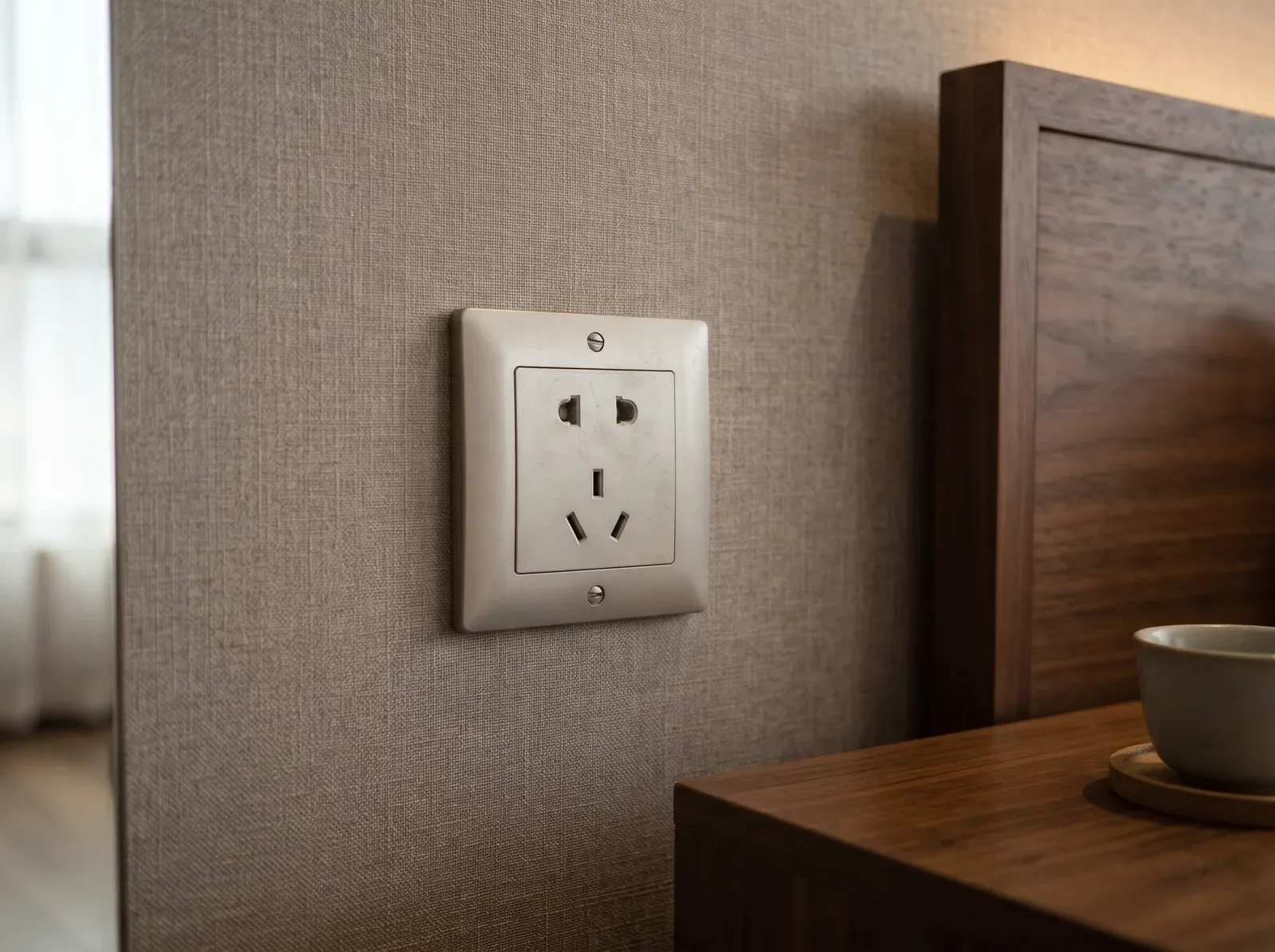
When checking room privacy, information security experts point out that beds and bathrooms are the areas offenders tend to target. Common hiding spots include decorations facing the bed, small bedside items, wall sockets, dark picture frames, and bathroom fixtures. Experts suggest turning off all lights and closing the curtains tightly to check for cameras. In complete darkness, shine a phone flashlight or flash at suspicious items to spot lens reflections, or use a professional detector.
| Area and Stage | Legal and Regulatory Requirements | Protective Facilities and Responsibilities |
|---|---|---|
| Entrances, exits, and corridors | Surveillance must not be interrupted during business hours, with records kept for at least 30 days by law | Public security video surveillance systems |
| Front desk and guest room areas | Dedicated staff on duty 24 hours a day at the front desk and monitoring room, with guest room areas patrolled all day | Guest identity verification registration and security information system |
| Property storage | Facilities required by law to open a hotel | Luggage storage room or safe deposit boxes |
| Guest room interior | Ensure rooms have no peeping or secret filming devices, with supplementary liability for failing safety obligations | Hotel anti-recording detectors and housekeeping inspection routines |
Rules and Helplines for International Guests Checking In
Article 39 of the Exit and Entry Administration Law of the People's Republic of China provides that when foreigners stay in hotels in China, the hotels must register their accommodation in accordance with public security regulations for the hotel industry and submit foreigner registration details to local public security organs. The law also stipulates that foreigners aged 16 and older staying or residing in China must carry their passports, other international travel documents, or residence certificates with them for inspection.
Regarding where international visitors can stay, seven departments including the Ministry of Commerce issued a notice in July 2024 clarifying that local authorities and online booking platforms must not use qualification barriers to restrict accommodation operators from hosting overseas travelers, nor may they post unauthorized notices stating they cannot host overseas guests. For payments, authorities are upgrading overseas bank card acceptance equipment, increasing POS machine coverage, and encouraging operators to accept RMB cash with sufficient change. For payment preparations, you can also refer to How to pay in China: Alipay & WeChat Pay for visitors.
Tip: If overseas visitors encounter policy questions or disputes regarding hotel check-in registration in China, call the 12367 immigration service platform or the 12345 government hotline for 24/7 bilingual support in English and Chinese.
Sources
Exit and Entry Administration Law of the People's Republic of China
Notice of the Ministry of Commerce and 7 Other Departments on Measures to Facilitate Accommodation for Overseas Personnel
Beijing Municipal Provisions on the Public Security Administration of the Hotel Industry
CCTV News: Survey on the Implementation of Guangdong's Anti-Recording Rules in the Hotel Industry
CCTV News: Experts Teach You How to Spot Pinhole Cameras with a Mobile Phone
Sources verified on November 17, 2026
FAQ
Can international travelers stay at regular hotels in China?
In July 2024, seven departments including the Ministry of Commerce clarified that local authorities and online platforms must not use qualification requirements to bar hotels from hosting overseas visitors, nor may they post unauthorized notices stating hotels cannot host them.
What should you do if a hotel refuses to host you or you face check-in disputes?
When overseas visitors have policy questions or registration disputes, call the 12367 immigration service platform or the 12345 government hotline. Both provide 24/7 bilingual consultation and complaint services in English and Chinese.
Do foreigners need to carry their passports with them while staying at hotels in China?
By law, foreigners aged 16 and older staying or residing in China must carry their passports, other international travel documents, or residence certificates with them for inspection.
Are surveillance cameras allowed inside hotel rooms in China?
Guest rooms are private spaces where surveillance cameras are strictly prohibited. Local regulations clearly require hotels to ensure rooms have no peeping or secret filming equipment, and operators face civil supplementary liability if they fail their safety protection obligations.