Southern China Travel: Top Cities & Classic Itineraries

When planning a trip across southern China, you can use the high-speed rail network to connect cities across the Jiangnan and Lingnan regions, spending 2 to 3 days in key hubs such as Guangzhou. Geographically, this part of the country usually refers to the vast area south of the Qinling Mountains and Huai River line. It features subtropical and tropical monsoon climates with mild, snow-free winters, and historically relied on waterways as the main travel routes. For longer journeys, travelers can combine routes based on interprovincial train travel times and seasonal weather patterns.
Which Key Cities Should You Visit in Southern China?
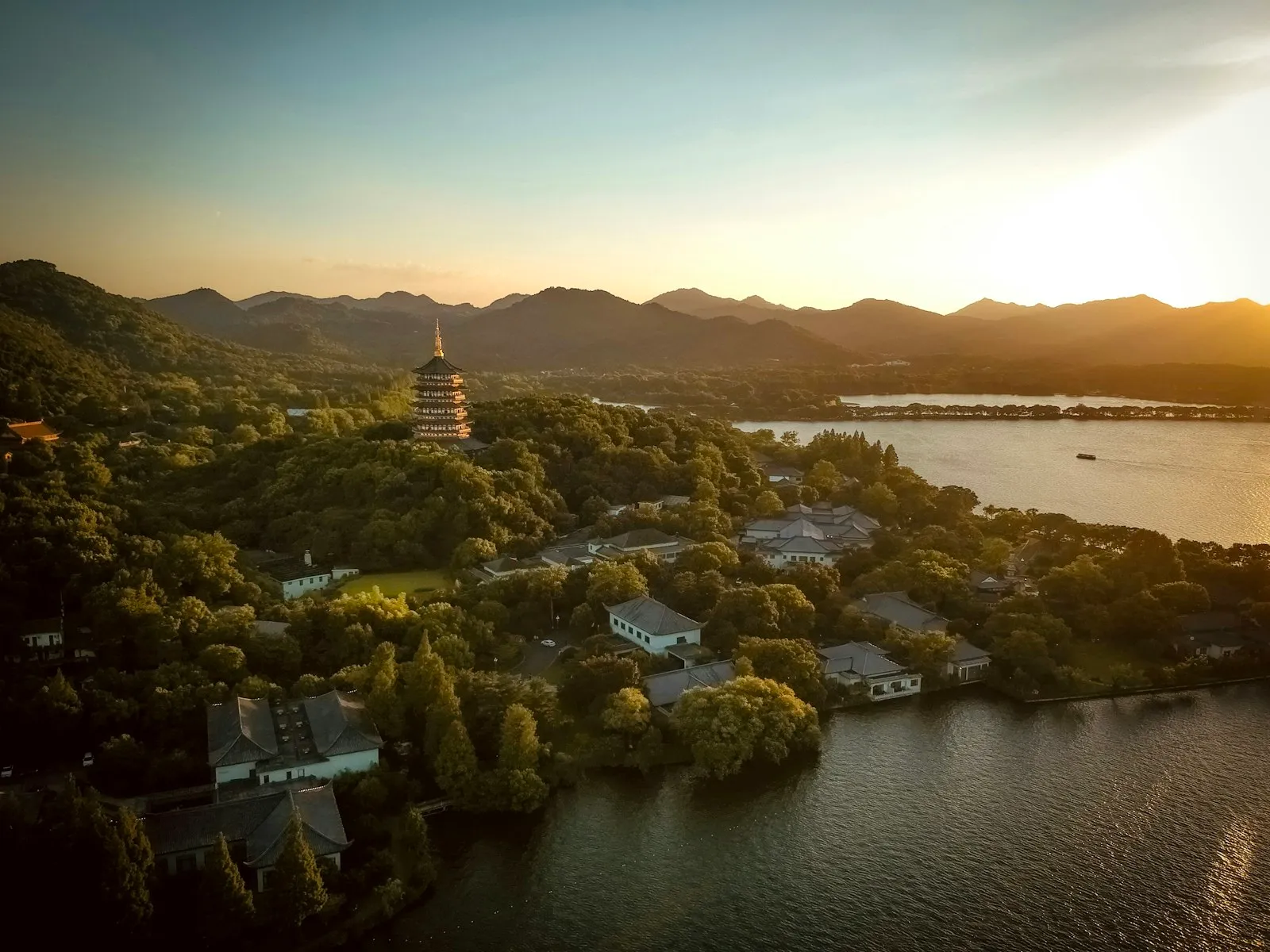
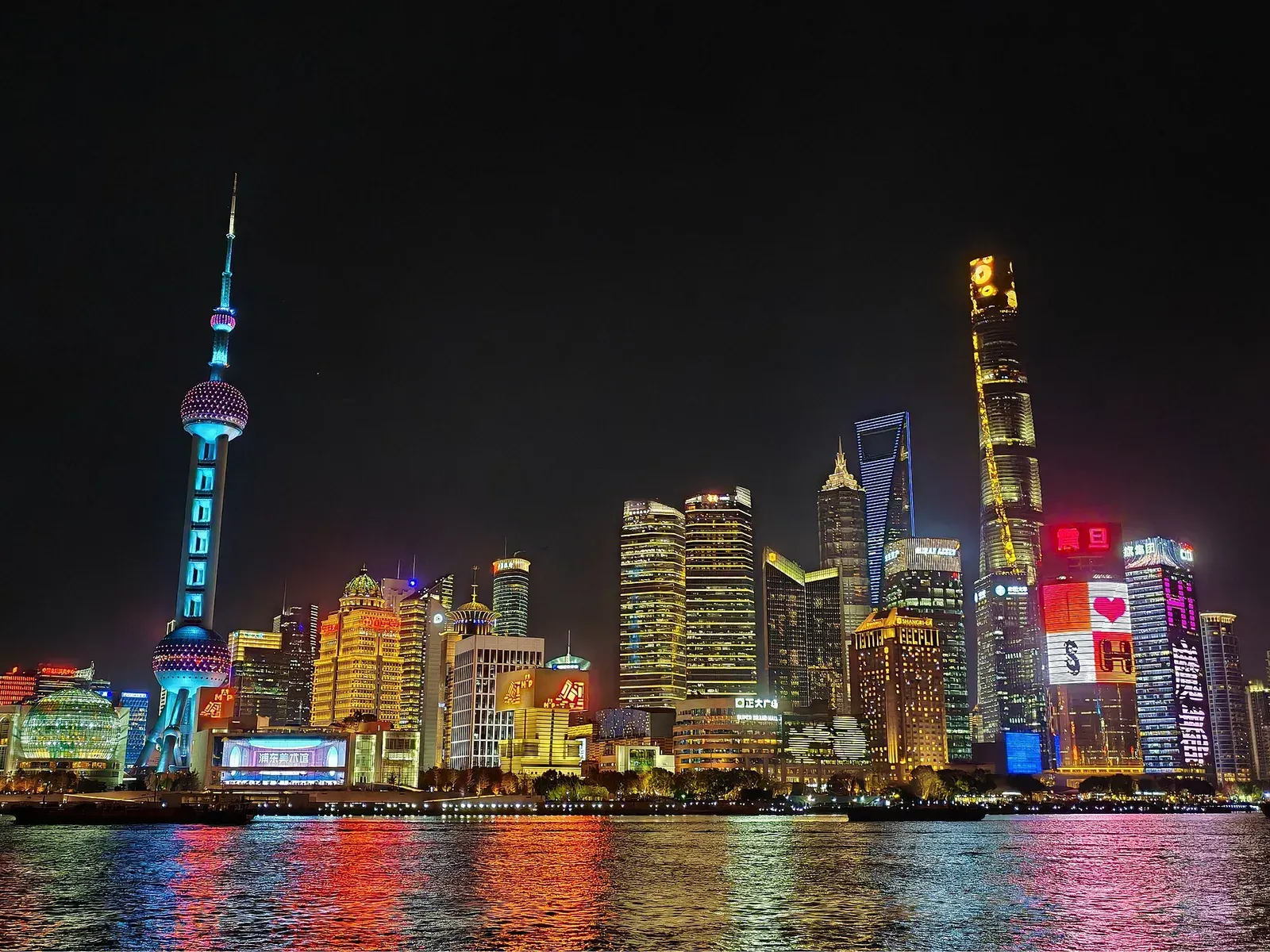
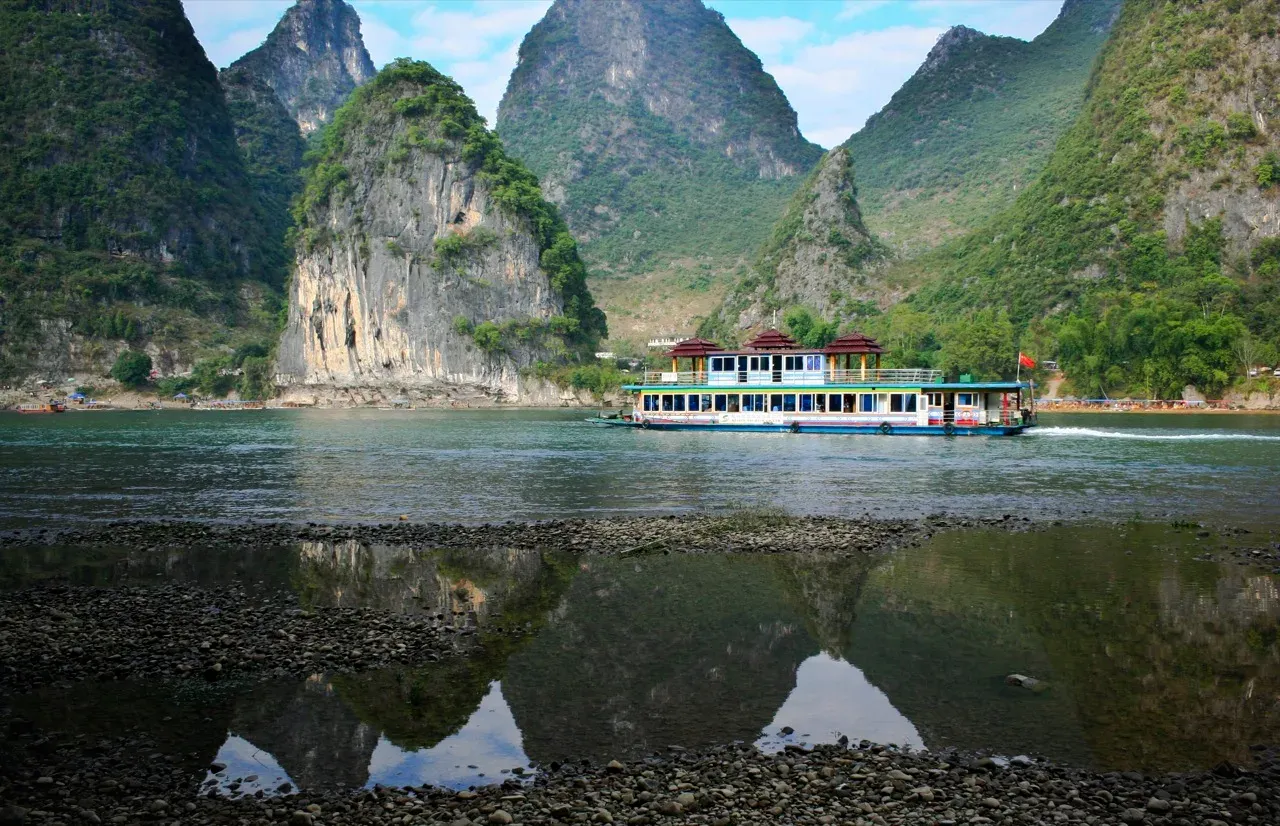
Shanghai, Hangzhou, Guilin, and Guangzhou are four classic cities across the region. Shanghai is home to the historic Bund and Shanghai Tower, China's tallest building at 632 meters with 128 floors. Hangzhou features West Lake, a free-entry UNESCO World Heritage site. Guilin is famous for its dense karst peak forest landscape. Guangzhou serves as a trading port along the Pearl River with a history of over 2,200 years.
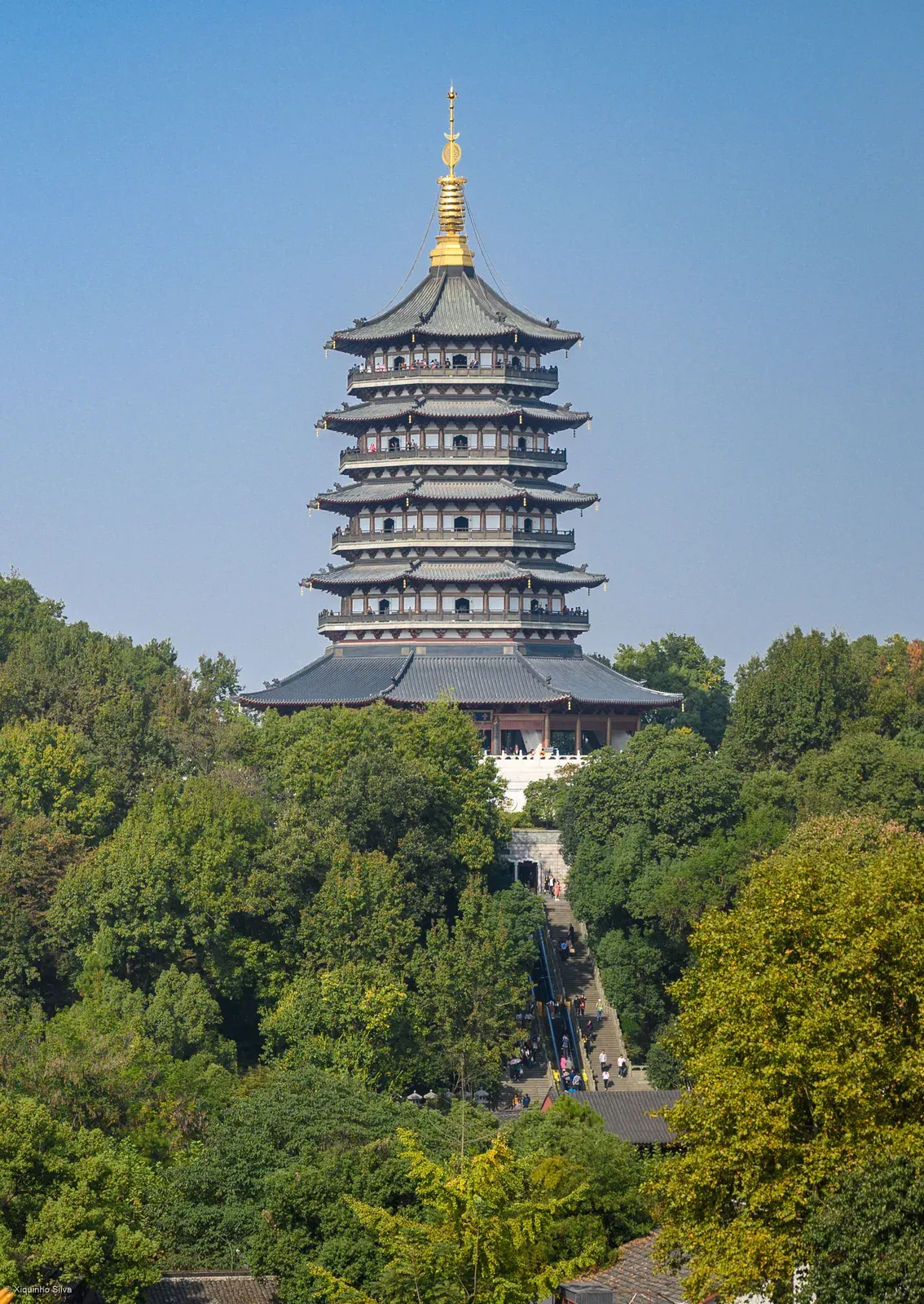
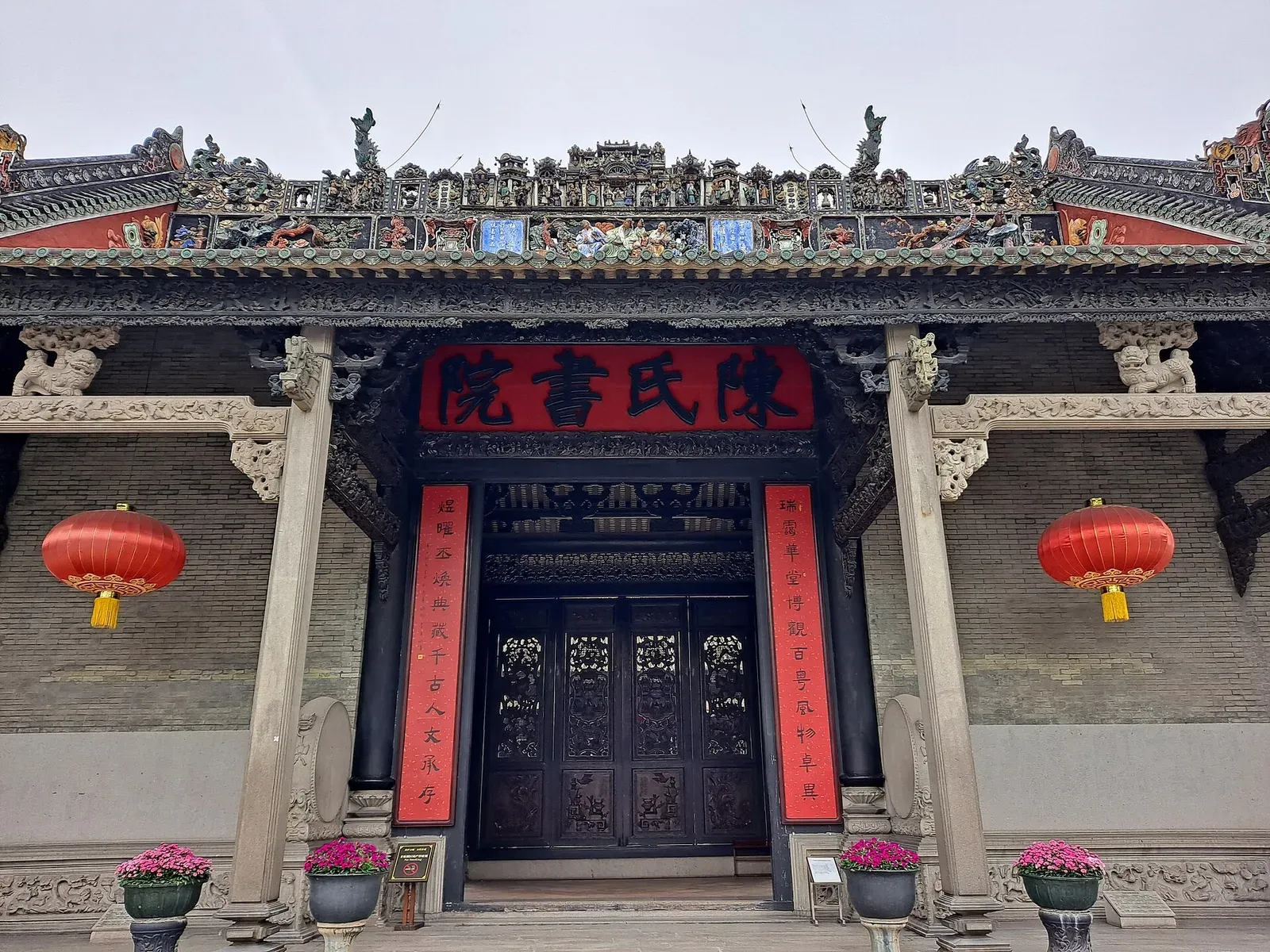
Each city offers distinct cultural heritage and landscapes. The Chen Clan Ancestral Hall showcases Lingnan architectural decorative crafts. Lingyin Temple houses grand wooden Buddha statues and grotto carvings. The karst landscape along the Li River is featured on the back of the 20-yuan banknote in the fifth series of the renminbi.
| City | Region | Key Landmarks | Core Data and Facts |
|---|---|---|---|
| Shanghai | Direct-administered municipality | The Bund, Yu Garden, and Shanghai Tower | The Bund extends 1.6 kilometers; Shanghai Tower stands 632 meters tall with 128 floors |
| Hangzhou | Zhejiang Province | West Lake and Lingyin Temple | West Lake covers 6.39 square kilometers of water; Lingyin Temple was founded in 328 AD |
| Guilin | Guangxi Zhuang Autonomous Region | Li River and Yangshuo West Street | The Li River is 164 kilometers long; karst formations line the 83-kilometer stretch between Guilin and Yangshuo |
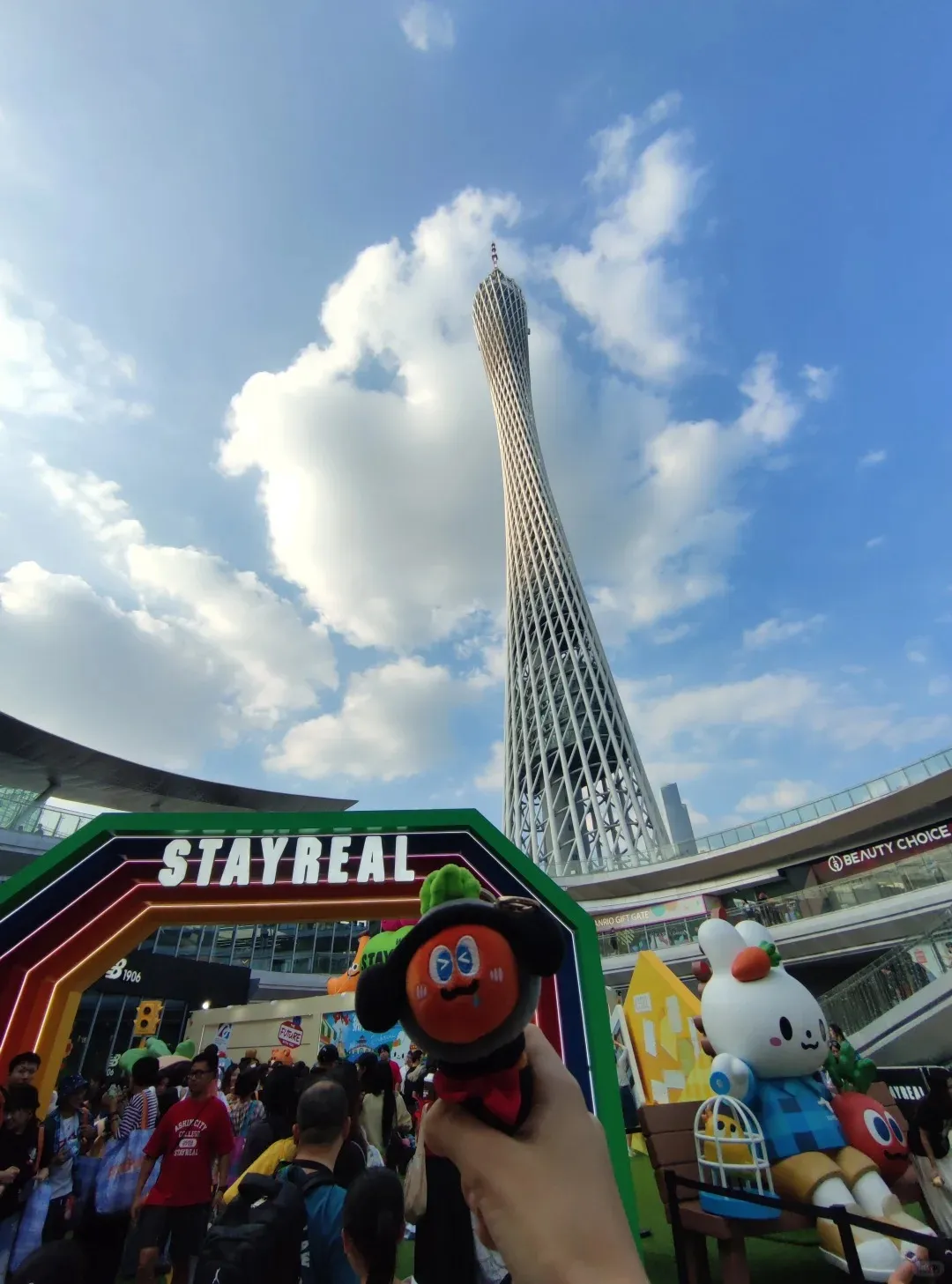
| Guangzhou | Guangdong Province | Canton Tower, Chen Clan Ancestral Hall, and Shangxiajiu Pedestrian Street | Canton Tower is 600 meters tall; Shangxiajiu Pedestrian Street is about 1,218 meters long |
How Can You Connect These Cities by High-Speed Rail?
Taking high-speed rail is the most efficient way to travel between these cities. According to railway authority data, the Shanghai-Hangzhou Passenger Dedicated Line opened on October 26, 2010. Designed for speeds of 350 km/h, the 202-kilometer line cuts train travel time between Shanghai and Hangzhou to about 45 minutes.
The 856-kilometer Guiyang-Guangzhou Passenger Dedicated Line opened on December 26, 2014, with bridges and tunnels making up 83% of the route, shortening rail travel between Guangzhou and Guilin to about 2 to 3 hours. In addition, the 921.4-kilometer Hangzhou-Changsha High-Speed Railway opened on December 10, 2014, connecting Hangzhou, Nanchang, and Changsha, with travel time from Hangzhou to Changsha taking about 3 hours and 36 minutes.
As a major hub in the south, Guangzhou South Railway Station brings together the Guangzhou-Shenzhen-Hong Kong Express Rail Link, the Beijing-Guangzhou High-Speed Railway, the Guiyang-Guangzhou High-Speed Railway, the Nanning-Guangzhou High-Speed Railway, and the Guangzhou-Zhuhai Intercity Railway. It serves as a departure and arrival hub for destinations such as Hong Kong West Kowloon, Shenzhen, and Beijing. Travelers can easily take these trunk lines for cross-provincial trips.
| High-Speed Rail Line | Route Section | Total Line Length | Speed or Engineering Metric | Train Travel Time |
|---|---|---|---|---|
| Shanghai-Hangzhou Passenger Dedicated Line | Shanghai to Hangzhou | 202 kilometers | Designed speed of 350 km/h | About 45 minutes |
| Guiyang-Guangzhou Passenger Dedicated Line | Guangzhou to Guilin | 856 kilometers | Bridges and tunnels account for 83% | About 2 to 3 hours |
| Hangzhou-Changsha High-Speed Railway | Hangzhou to Changsha | 921.4 kilometers | Opened on December 10, 2014 | About 3 hours and 36 minutes |
What Landmarks and Cultural Experiences Do These Four Cities Offer?
Along the Bund in Shanghai, 52 historic buildings in diverse architectural styles line a 1.6-kilometer stretch beside the Huangpu River. Yu Garden, originally built in 1559 during the Ming dynasty, covers 2 hectares and features the famous Exquisite Jade Rock, a Taihu stone weighing 5 tons and measuring 3.3 meters high. The 632-meter-tall Shanghai Tower features public observation decks on the 118th floor (546 meters) and 119th floor (552 meters), as well as a sightseeing level on the 121st floor at 562 meters.
West Lake in Hangzhou covers a water area of 6.39 square kilometers, measuring 3.2 kilometers from north to south and 2.8 kilometers from east to west. Inscribed as a UNESCO World Heritage site in 2011, it is China's first prominent large-scale scenic area to waive admission fees. Founded in 328 AD during the Eastern Jin dynasty by the Indian monk Huili, Lingyin Temple enshrines a 24.6-meter-tall camphorwood statue of Shakyamuni Buddha in its Grand Hall, the largest wooden Buddha statue in China. The Feilaifeng grottoes in front of the temple preserve 338 well-preserved statues.
In Guilin, the Li River extends 164 kilometers, with the 83-kilometer section from Guilin to Yangshuo flanked by dense karst peaks. Yangshuo West Street received over 21.1 million visitors in 2023, with nearby sights including Moon Hill, the Yulong River, and Silver Cave. In Guangzhou, the Shangxiajiu Pedestrian Street runs about 1,218 meters, characterized by arcade buildings with shops on the ground floor and residences above. The Chen Clan Ancestral Hall brings together wood carvings, stone carvings, brick carvings, pottery figurines, plaster moldings, iron castings, and murals. At Guangzhou teahouses, visitors can experience traditional morning tea culture known as 'one pot of tea and two pieces of dim sum.'
What Is the Best Season for Travel in Southern China?
Autumn is generally the most comfortable season for travel across the region. Guangzhou sits on the subtropical coast, with an annual average temperature between 21.7 and 23.1 degrees Celsius, an average relative humidity of 77%, and annual urban precipitation of about 1,923 millimeters. The best travel window is from October to December, with October and November offering clear, dry weather and moderate temperatures.
Guilin has an annual average temperature of 19.12 degrees Celsius, and autumn is usually sunny and dry. However, its average annual precipitation approaches 1,890 millimeters, with about 50% of the rainfall concentrated between April and June during the plum rain period and late spring into early summer.
When traveling, pay attention to local weather patterns: temperatures rise in Guangzhou during March, often bringing damp south-returning winds (Huinantian); April to June is the rainy season with frequent heavy downpours; July to September is hot and prone to typhoons under subtropical high pressure; and December to February is cool and overcast. Prepare breathable clothing and rain gear depending on your travel month.
What Are the Rules for Foreign Visitors Using Transit Visas?
According to National Immigration Administration regulations, eligible citizens from 55 countries holding connecting tickets to a third country can enter via designated ports and enjoy a 240-hour (10-day) visa-free transit. This policy allows travelers to take cross-provincial trips within designated areas across 24 provinces and municipalities, including Beijing, Shanghai, Shaanxi, Sichuan, and Chongqing.
When visiting cultural sights in Guangdong, keep specific hours and ticketing rules in mind. The Chen Clan Ancestral Hall on Zhongshan 7th Road opens daily from 08:30 to 17:30. Adult tickets cost 10 yuan, tickets for seniors aged 60 to 65 and students cost 5 yuan, while minors under 18 and seniors aged 65 and above enter free. Foreign visitors must present their passports when purchasing tickets. Canton Tower, with a total height of 600 meters (a 454-meter main body and a 146-meter antenna mast), is another key landmark for panoramic views.
When planning cross-city travel in southern China, you can have a travel designer plan your connecting route at your own pace, with your driver providing transfers and accompanying you throughout to ensure an unhurried trip.
Sources
Guangzhou · Uncle Panda Travel
Canton Tower - Wikipedia
Shangxiajiu Pedestrian Street - Wikipedia
Visa policy of mainland China - Wikipedia
Guangdong | Province, History, Map, Population, & Facts | Britannica
Guangzhou South railway station - Wikipedia
Dim sum - Wikipedia
Chen Clan Ancestral Hall (Chen Clan Academy) - Guangdong - PRD Culture
Guangzhou - Wikipedia
South China - Wikipedia
West Lake - Wikipedia
Lingyin Temple - Wikipedia
Shanghai-Hangzhou high-speed railway - Wikipedia
The Bund - Wikipedia
Yu Garden - Wikipedia
Shanghai Tower - Wikipedia
Li River - Wikipedia
Guilin - Wikipedia
Guiyang-Guangzhou high-speed railway - Wikipedia
Yangshuo County - Wikipedia
Hangzhou-Changsha high-speed railway - Wikipedia
The sources above were verified on November 17, 2026.
FAQ
How many days are recommended for a first trip to southern China?
Spending 2 to 3 days is recommended for a single city like Guangzhou. By taking advantage of the 240-hour (10-day) transit visa exemption, you can connect multiple destinations such as Shanghai and Hangzhou by high-speed rail for a cross-provincial trip.
Does Hangzhou West Lake require an admission ticket, and how large is it?
Hangzhou West Lake is free to enter, making it China's first prominent large scenic area without an entrance fee. Its water area covers 6.39 square kilometers, extending 3.2 kilometers from north to south and 2.8 kilometers from east to west, and it was inscribed as a UNESCO World Heritage site in 2011.
How long does the high-speed train take from Guangzhou to Guilin?
On the Guiyang-Guangzhou Passenger Dedicated Line, travel time between Guangzhou and Guilin is reduced to about 2 to 3 hours. The rail line is 856 kilometers long, with bridges and tunnels making up 83% of the route.
How much is admission to the Chen Clan Ancestral Hall in Guangzhou, and what are the ticket rules for foreign visitors?
Adult admission to the Chen Clan Ancestral Hall is 10 yuan. Tickets cost 5 yuan for seniors aged 60 to 65 and students, while minors under 18 and seniors aged 65 and above enter for free. Opening hours are 08:30 to 17:30 daily, and foreign visitors must show their passports when buying tickets.