
Qianmen Street, Beijing: Old Brands and Food Walk
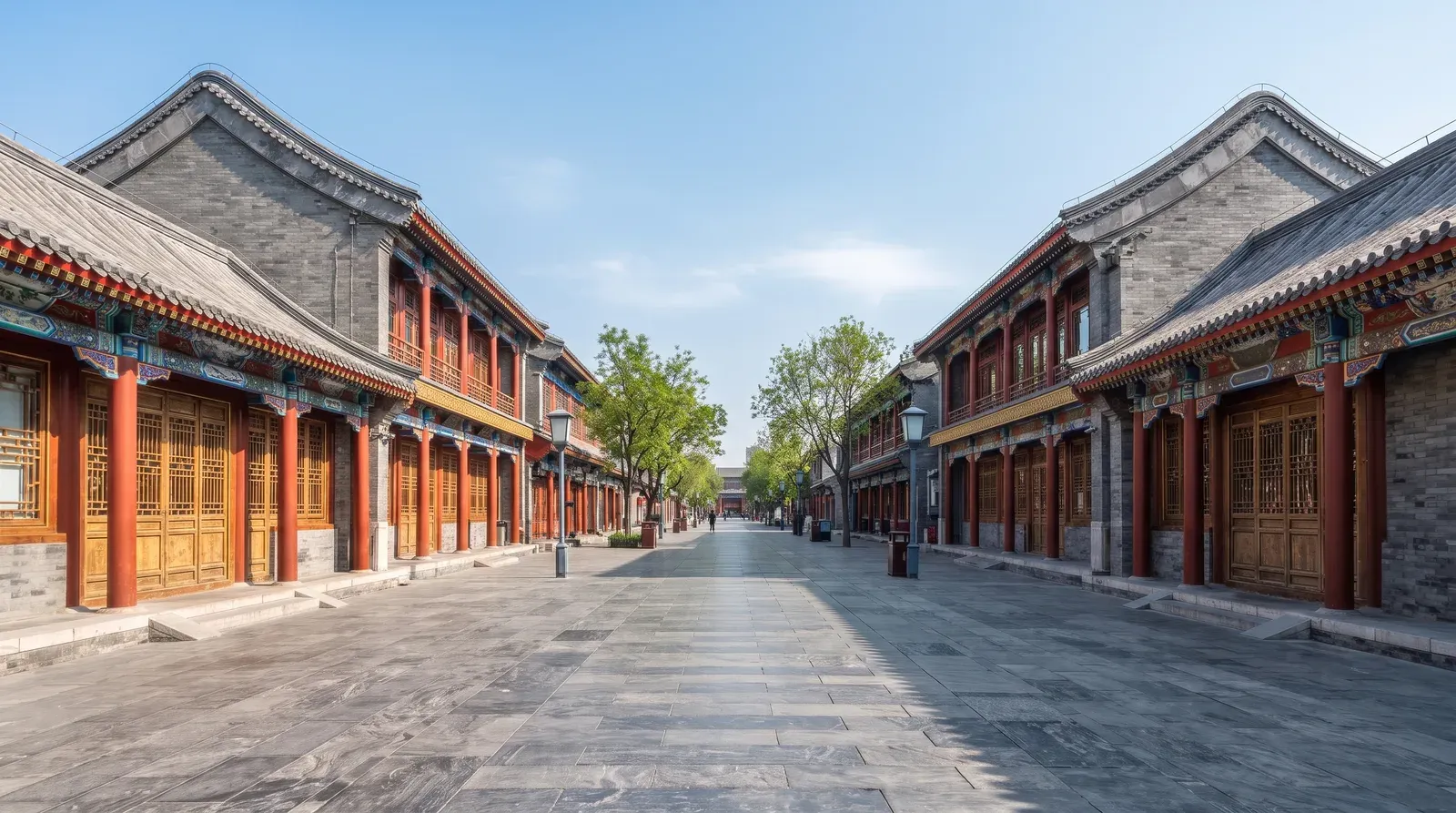
The section of Qianmen Street from Zhengyangmen to Zhushikou is 845 meters long and 20 meters wide. This entire pedestrian street is open to the public for free, requiring no admission tickets. Situated along Beijing's Central Axis, it brings together 16 China Time-Honored Brands. Visitors can taste intangible cultural heritage specialties such as open-oven roast duck from Quanjude founded in 1864 and shaomai from Duyichu founded in 1738, ride vintage century-old Dangdang trams, and explore historic buildings and cultural venues along the street.
What historic buildings and landmarks are on Qianmen Street?
The avenue sits on Beijing's Central Axis, measuring 845 meters in length and 20 meters in width. Before the outer city wall was built in 1550 during the 29th year of the Jiajing reign in the Ming dynasty, this route served as an imperial road for emperors traveling to the Temple of Agriculture and the Temple of Heaven. It officially received its present name in 1965.
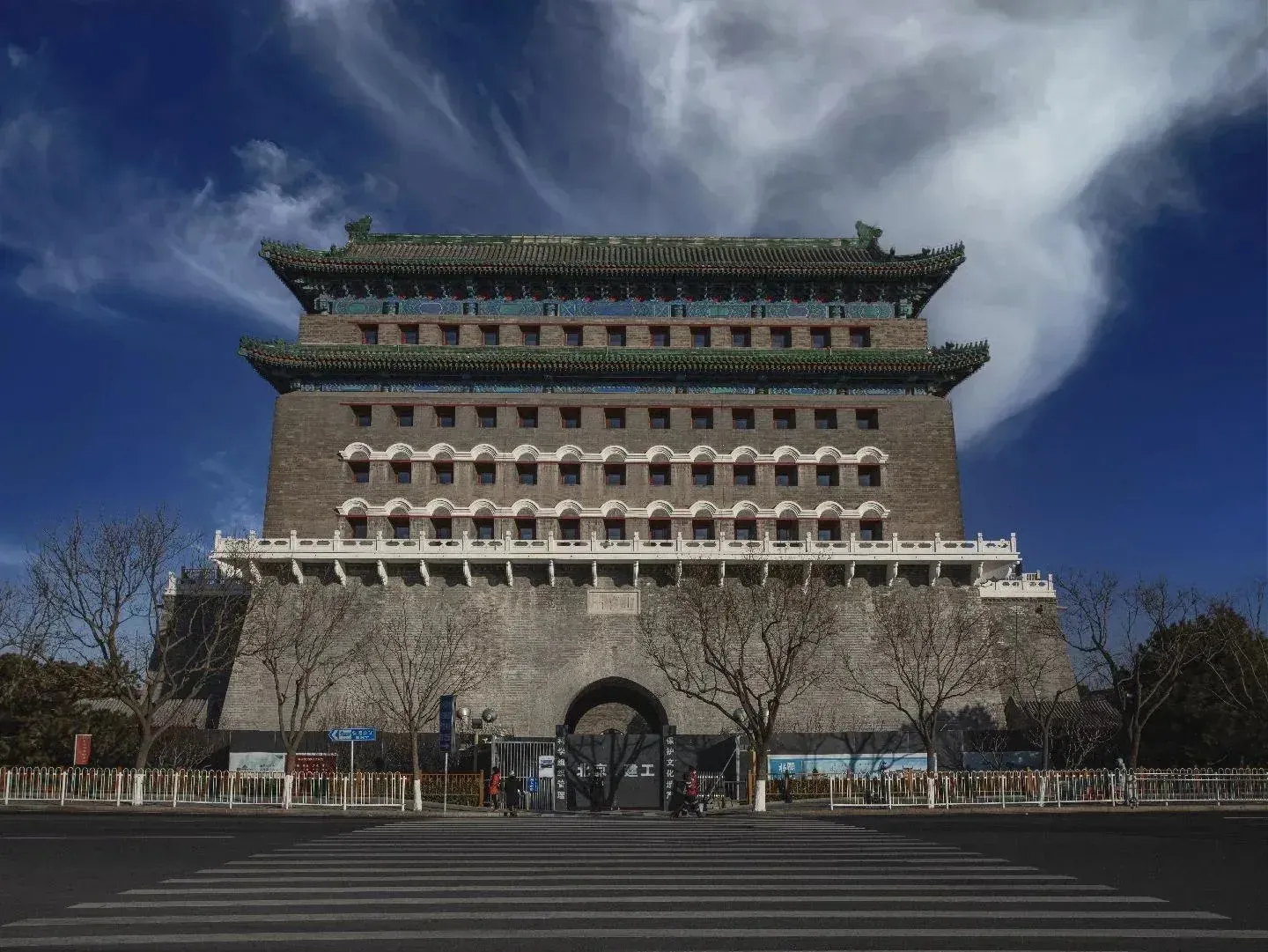
Zhengyangmen Gate Tower stands 43.65 meters high, making it the tallest among all gate towers in Beijing. South of the gate tower, the Zhengyangmen Arrow Tower features 86 arrow slits built for defensive archery.
The area retains and operates vintage Dangdang trams with a century of history. Visitors can ride the tram for a slow journey down the street to experience the urban character of old Beijing.
At No. 30, the historic storefront of Quanjude roast duck restaurant remains preserved. Built in 1901 during the 27th year of the Guangxu reign in the Qing dynasty, it features a three-bay grey-brick arched structure and was listed as a Beijing municipal heritage conservation unit in 2011.
Which historic restaurants and tea shops can you find here?
A total of 16 China Time-Honored Brands gather along the street, and the culinary skills of several notable shops are listed as national intangible cultural heritage. The historic restaurant Quanjude was founded in 1864 during the third year of the Tongzhi reign in the Qing dynasty. Its open-oven roast duck technique was added to the national intangible cultural heritage list in 2008.
Duyichu was founded in 1738 during the third year of the Qianlong reign in the Qing dynasty, known for its shaomai and fried triangle dumplings. Its shaomai preparation technique joined the national intangible cultural heritage list in 2008. Donglaishun was founded in 1903 during the 29th year of the Guangxu reign in the Qing dynasty, and its instant-boiled mutton craft was added to the national list in 2008. Yueshengzhai was established in 1775 during the 40th year of the Qianlong reign in the Qing dynasty on the west side of the Qianmen Five-Arch Archway, and its braised beef and mutton recipe was listed as national intangible cultural heritage in 2008.
Besides restaurants, the street also gathers famous tea shops. Wu Yutai was founded in 1887 during the 13th year of the Guangxu reign in the Qing dynasty, and its jasmine tea scenting technique was included on the national intangible cultural heritage list in 2011. Zhang Yiyuan was established in 1900 during the 26th year of the Guangxu reign in the Qing dynasty, and its jasmine tea scenting craft joined the national intangible cultural heritage list in 2008.
| Shop Name | Year Founded | Signature Specialties | National Intangible Cultural Heritage Craft | Year Listed |
|---|---|---|---|---|
| Duyichu | 1738 (3rd year of Qianlong reign) | Shaomai, fried triangle dumplings | Shaomai making technique | 2008 |
| Yueshengzhai | 1775 (40th year of Qianlong reign) | Braised beef and mutton | Braised beef and mutton technique | 2008 |
| Quanjude | 1864 (3rd year of Tongzhi reign) | Open-oven roast duck | Quanjude open-oven roast duck technique | 2008 |
| Wu Yutai | 1887 (13th year of Guangxu reign) | Jasmine tea | Wu Yutai jasmine tea scenting technique | 2011 |
| Zhang Yiyuan | 1900 (26th year of Guangxu reign) | Jasmine tea | Zhang Yiyuan jasmine tea scenting technique | 2008 |
| Donglaishun | 1903 (29th year of Guangxu reign) | Instant-boiled mutton | Donglaishun instant-boiled mutton technique | 2008 |
What museums and shops are around the avenue and Dashilar?
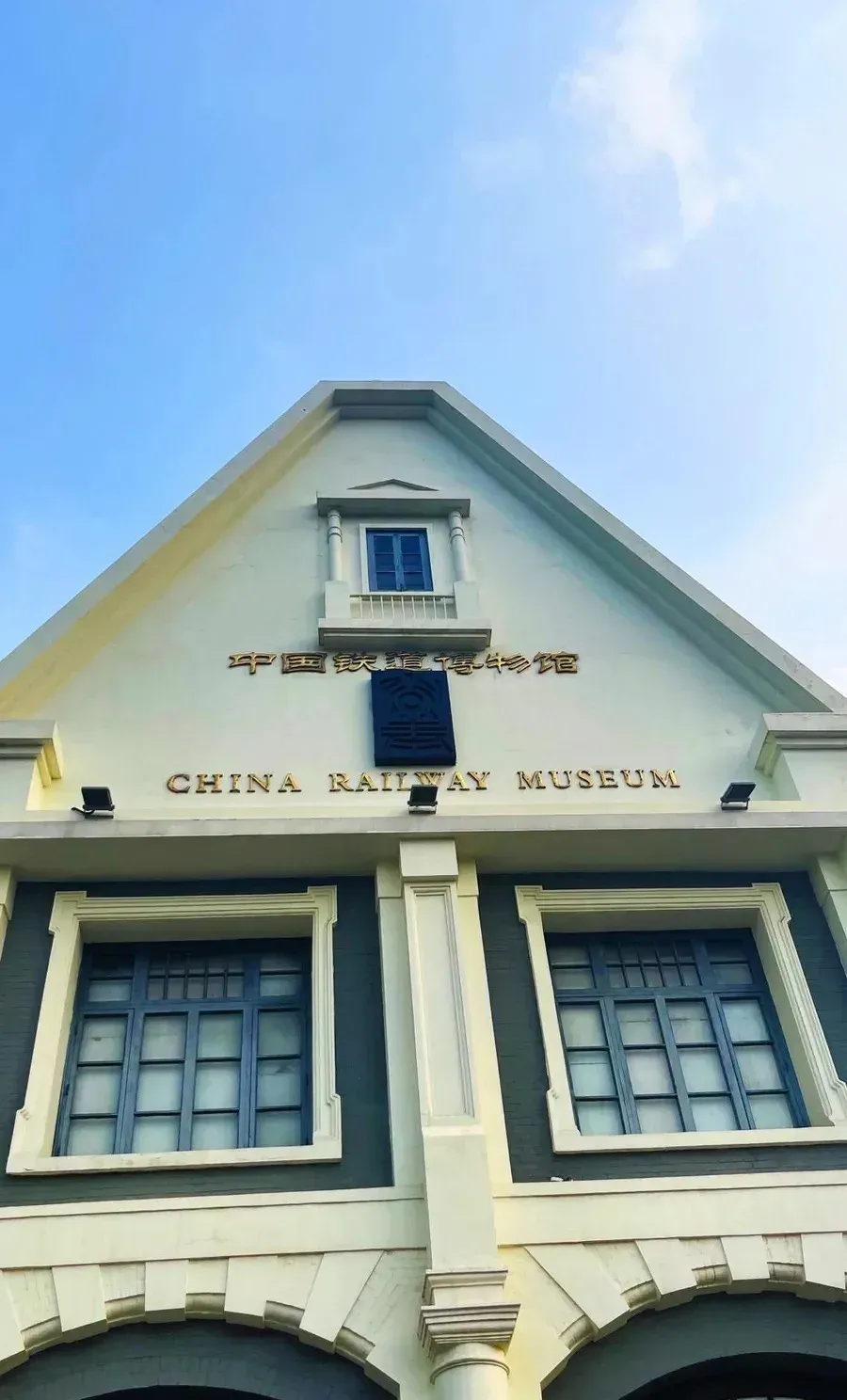
Located at No. Jia 2, the site of the former Peking-Mukden Railway Zhengyangmen East Station is now the China Railway Museum (Zhengyangmen Branch). It covers a construction area of 9,485 square meters and hosts a permanent exhibition on the history of Chinese railway development. At No. 85, the Zhu Bingren Central Axis Art Museum officially opened on May 1, 2024, featuring a copper sculpture exhibition area and a hands-on craft workshop.
Connected to the main pedestrian avenue, Dashilar is a comprehensive historic commercial street home to many China Time-Honored Brands. In addition to Zhang Yiyuan and Yueshengzhai, traditional shops such as Liubiju Pickles, Tongrentang Pharmacy, Ruifuxiang Silk, Changchuntang, and Neiliansheng Cloth Shoes are located in this area.
How should you plan your visit?
The pedestrian avenue is open and flat, making it convenient to combine historic food, Central Axis architecture, and museum visits into one itinerary. If you plan to include this area in a multi-day custom trip to Beijing, a travel designer from Uncle Panda can coordinate your daily pace and arrange your driver to accompany you for transfers.
If you would like in-depth commentary while visiting the historic architecture and time-honored stores, a separate licensed guide (in Chinese or English) can also be arranged by your travel designer on request.
Sources
Qian Men Station Landmark Feature
Pedestrian Commercial Avenue Profile
Beijing Scenic Spots: Qianmen
Baidu Baike Article
Popular Sites Series I: A Blend of Tradition and Fashion
Explore Ancient Cultural Streets along Central Axis to Feel Unique Charm of Beijing
Sources verified on November 6, 2026
FAQ
Do you need a ticket to enter the pedestrian street?
The section from Zhengyangmen to Zhushikou is a pedestrian street that is free to enter, requiring no tickets for visitors.
What is the vintage tram ride along the street?
The avenue operates vintage Dangdang trams with a century of history, allowing visitors to take a slow ride down the avenue to experience the urban character of old Beijing.
How is Dashilar connected to the main avenue?
Dashilar is a historic commercial street that connects directly with the pedestrian avenue, gathering famous China Time-Honored Brands like Zhang Yiyuan Tea, Tongrentang Pharmacy, Liubiju Pickles, Ruifuxiang Silk, and Neiliansheng Cloth Shoes.
What permanent museums can you visit along the avenue?
At No. Jia 2, the former site of Zhengyangmen East Station is now the China Railway Museum (Zhengyangmen Branch), with an area of 9,485 square meters; No. 85 houses the Zhu Bingren Central Axis Art Museum, which opened on May 1, 2024.
What historic highlights does Quanjude have along the street?
The historic restaurant Quanjude was founded in 1864 during the third year of the Tongzhi reign in the Qing dynasty, and its open-oven roast duck technique was listed as national intangible cultural heritage in 2008; No. 30 also preserves its original three-bay grey-brick arched facade built in 1901.
