
How to Travel Ningxia: Zhongwei Desert and Frontier Routes
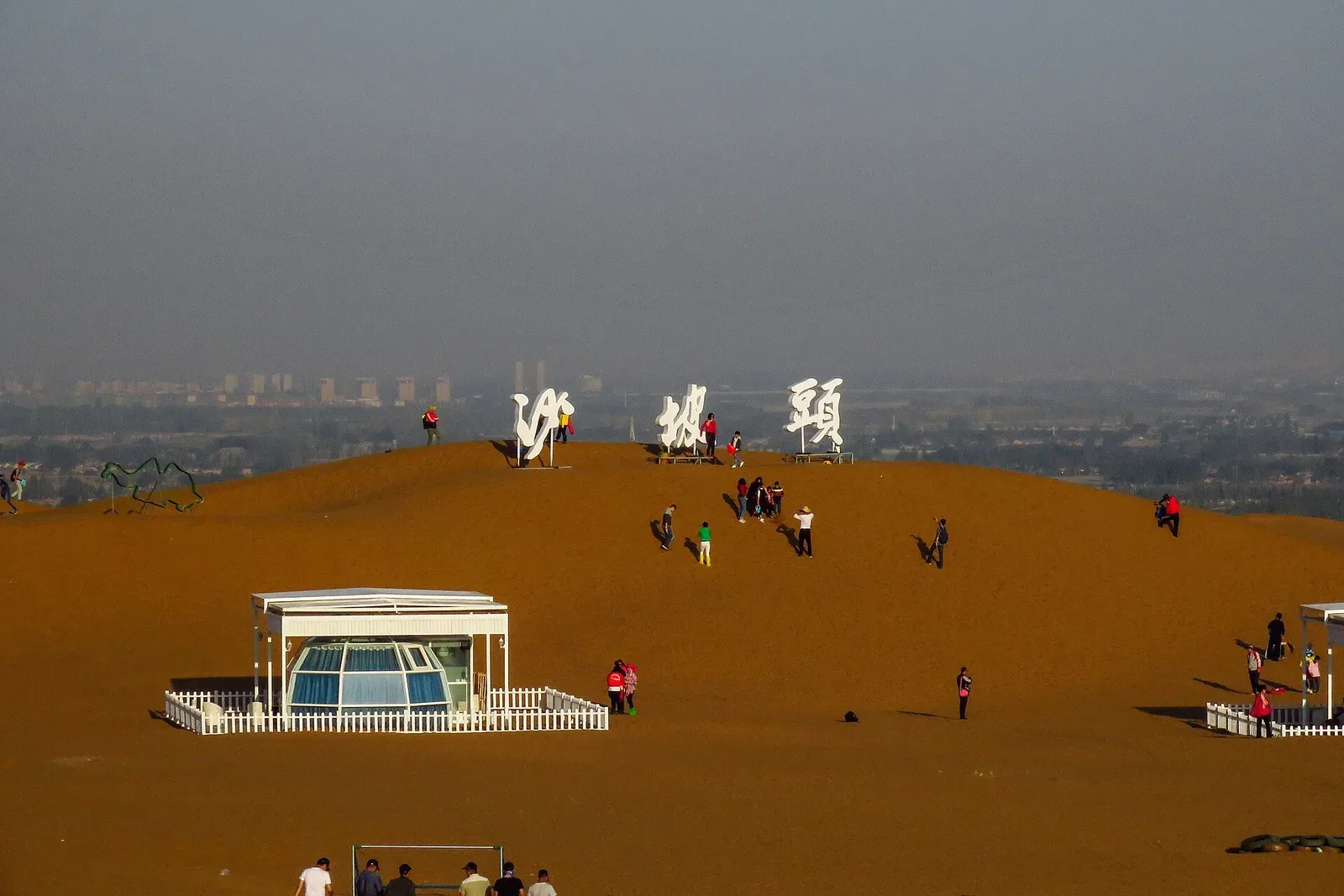
Photo: N509FZ / Wikimedia Commons, CC BY-SA 4.0
When planning a trip to Ningxia, travelers often connect the history of Yinchuan with the desert and Yellow River scenery of Zhongwei. The autonomous region covers about 66,400 square kilometers. Its two main travel hubs are linked by the 207-kilometer Yinchuan-Lanzhou high-speed railway, and spending 5 days here is usually recommended to see key sights like the Western Xia mausoleums, Shapotou, and Shuidonggou.
| Item | Core Details |
|---|---|
| Duration | Recommended 5 days and 4 nights (3 days in Yinchuan + 2 days in Zhongwei) |
| Main hubs | Yinchuan (Hedong International Airport, Yinchuan Railway Station), Zhongwei (Shapotou Airport, Zhongwei South Station) |
| Intercity transit | Yinchuan to Zhongwei section of the Yinchuan-Lanzhou high-speed railway (207 km) |
| Key highlights | Helan Mountains cultural sites, Western Xia mausoleums World Heritage site, Tengger Desert, Shapotou Yellow River scenery |
| Climate | Arid and semi-arid continental climate, with day-night temperature swings often exceeding 17°C |
How should you explore the Yellow River and desert sights in Zhongwei?
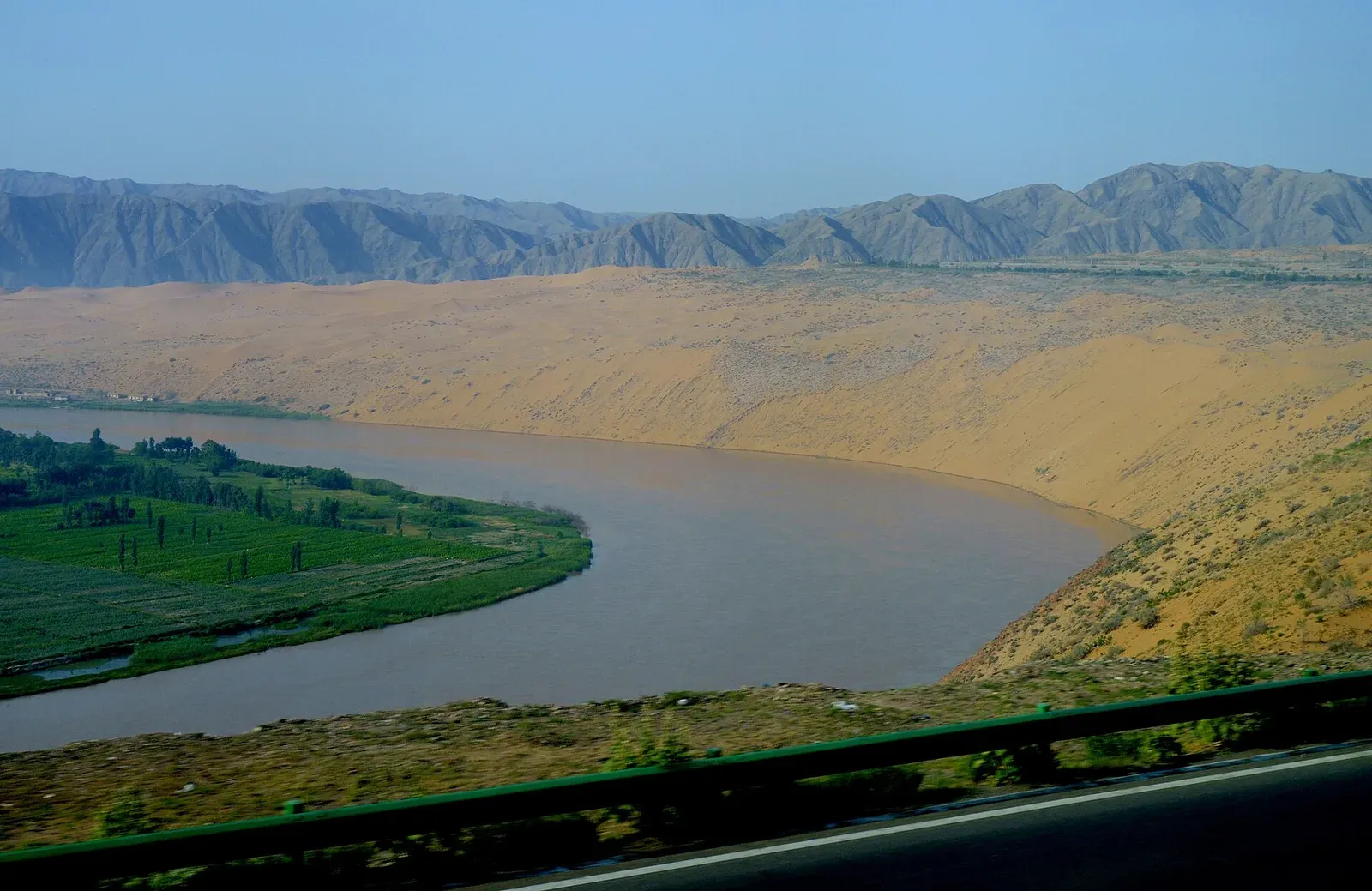
Zhongwei faces the Tengger Desert to the north and borders the Yellow River to the south. Its main scenic area, Shapotou, sits right where the river meets the southern edge of the desert. Since the 1950s, workers have used straw checkerboards and biocrust techniques to fix shifting dunes. This stopped the sand from spreading and allowed fruit and grapes to grow on restored land. Visitors can see the desert meet the river in the park. The Tengger Desert covers about 36,700 square kilometers, mostly in Inner Mongolia, with a small southern stretch reaching the Shapotou area in northwestern Ningxia.
Beyond the desert and river, Gaomiao Temple in downtown Zhongwei is a traditional religious complex combining Confucianism, Buddhism, and Taoism. Its underground air-raid shelter was later turned into a walk-through depiction of Buddhist hell, creating an unusual layout. The local area produces wolfberries and Gobi watermelons, and hosts a large solar power plant along the desert edge.
According to visitor reports, looking south from the high platform at Shapotou reveals golden sand dunes and neat grids of straw checkerboards nearby. Farther out, the Yellow River flows east past green banks, creating a clear visual contrast between desert and oasis.
Tip: Fine sand easily blows into camera barrels and phone ports at Shapotou and in the desert, so bring sealed bags and put on high-top shoe covers before walking onto the dunes.
What World Heritage sites and cultural ruins line the Helan Mountains?
The Helan Mountains rise along the west side of Yinchuan, running about 200 kilometers north to south and 15 to 50 kilometers east to west. With an average elevation of around 2,000 meters and a peak reaching 3,556 meters, the range forms a natural barrier that shields the Yinchuan Plain from desert winds. Since the Qin and Han dynasties, irrigation canals fed by the Yellow River have expanded to roughly 1,397 kilometers, supporting farming across the plains.
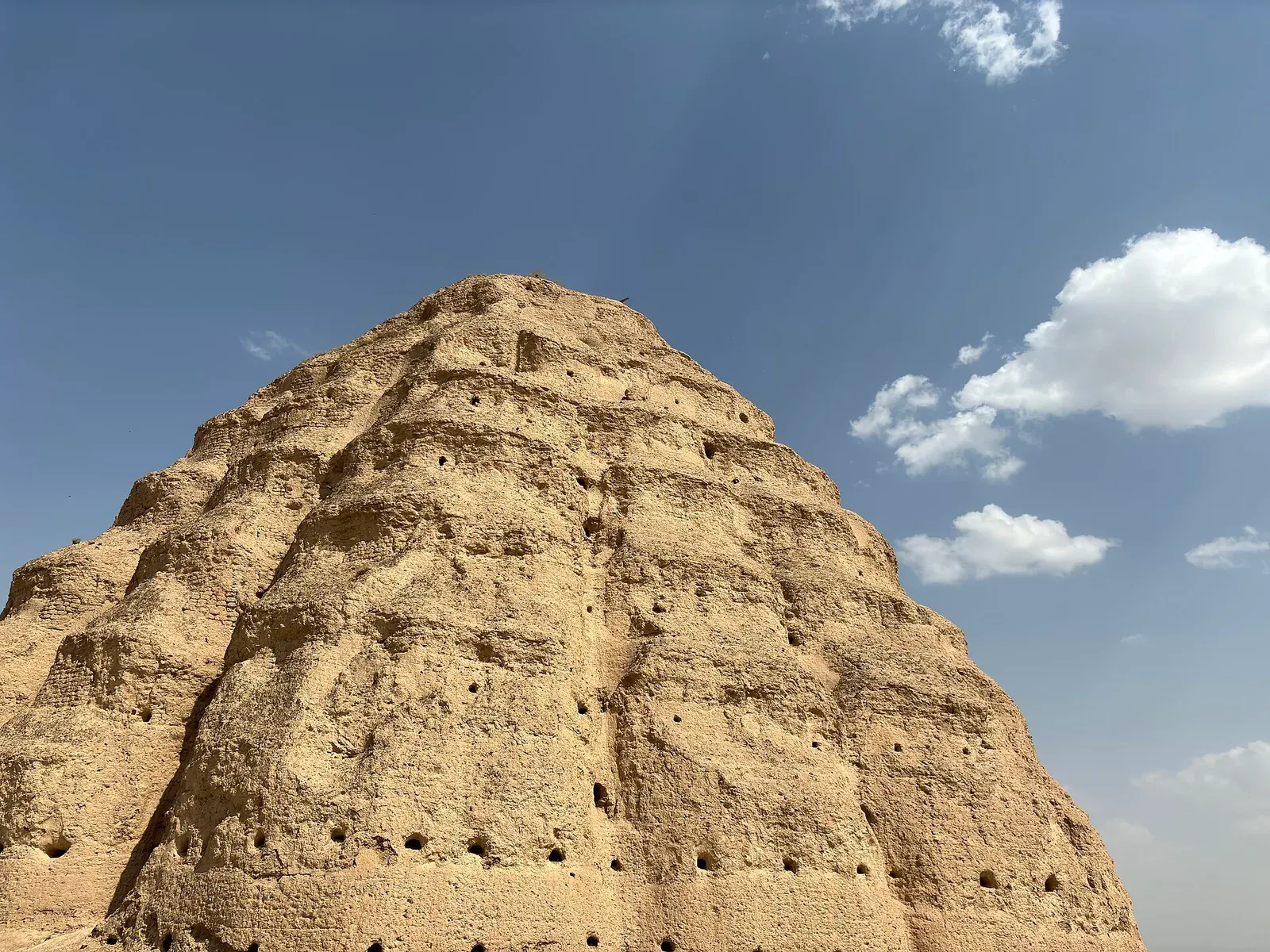
At the foot of the mountains about 40 kilometers west of Yinchuan, the Western Xia mausoleums span roughly 50 square kilometers. The site contains 9 imperial tombs and about 250 subordinate tombs, inscribed on the UNESCO World Heritage List in 2025. The site museum moved outside the core protection zone in 2019. Only Tomb No. 3, the resting place of Western Xia founding emperor Li Yuanhao, has been fully excavated and studied. Its rammed-earth tomb mound sits offset in the northwest of the inner city, with a base diameter of up to 30 meters and a standing height of about 23 meters. The solid tower-shaped structure blends traditional imperial tombs, temple layouts, and Buddhist motifs.
Heading north along the eastern foothills brings you to Zhenbeibu Western Film Studio, a 5A-rated scenic spot where nearly 100 films were shot, including Red Sorghum, New Dragon Gate Inn, A Chinese Odyssey, and The Herdsman. Near the studio, the Rock Paintings of Helan Mountains represent northern Chinese rock art. By December 2020, tens of thousands of carvings dated between 10,000 and 3,000 years ago had been identified here. The eastern foothills also hold nearly 40,000 hectares of vineyards, producing about one quarter of China's wine.
If you prefer ancient archaeology and architectural history, you can spend half a day studying Tangut layouts at the mausoleums and their museum. If you prefer classic cinema backdrops and vintage photography, focus your time on the Ming and Qing period streets at Zhenbeibu Western Film Studio.
Tip: The Western Xia mausoleums cover an open area with little shade, so visit the outdoor rammed-earth mound during the cooler morning hours, then move to indoor museum exhibits or shaded studio sets when the midday sun is strong.
What other historic sites lie east, north, and inside Yinchuan?
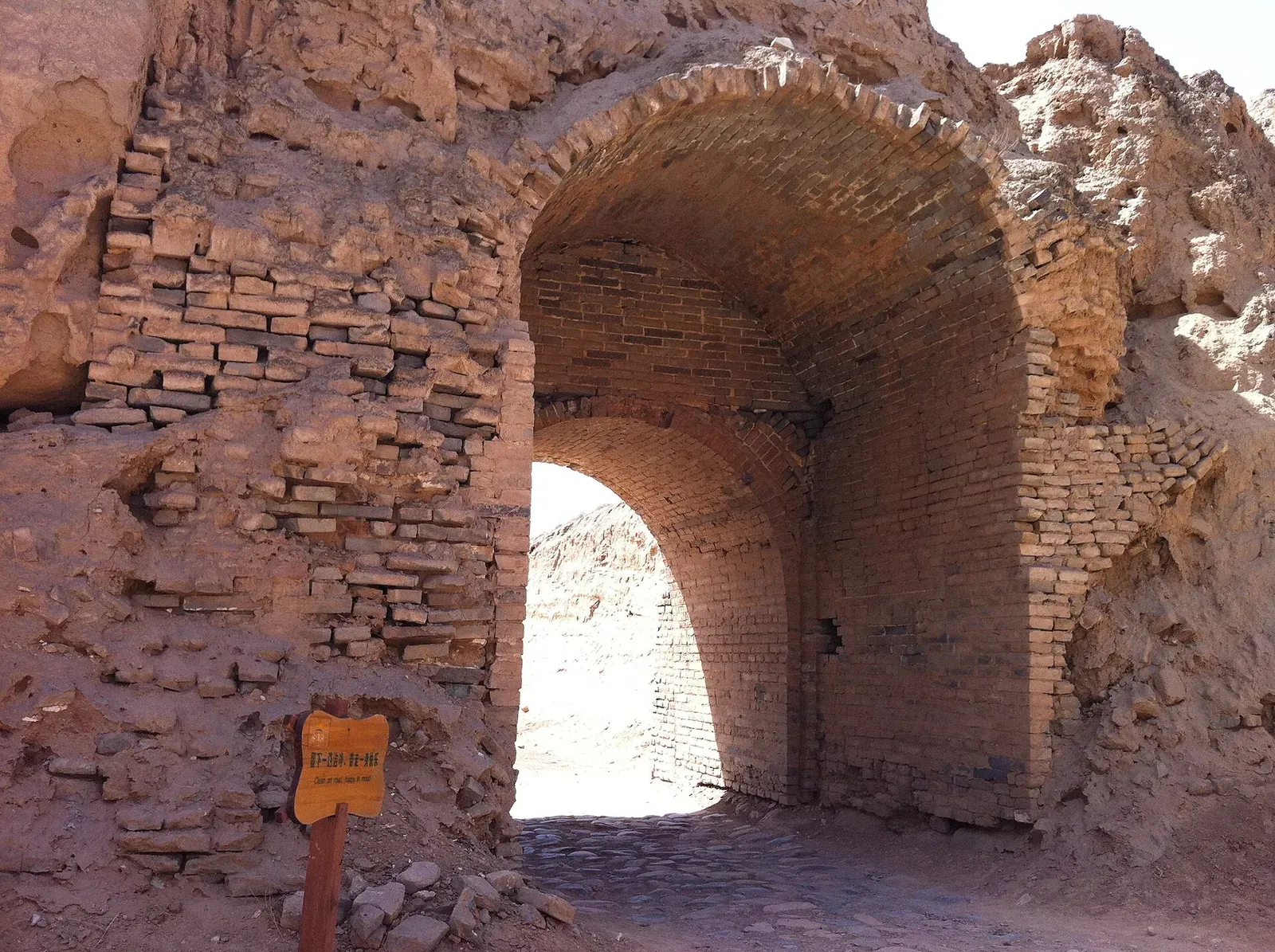
East of Yinchuan, the Shuidonggou site is the earliest recorded Paleolithic site in China, dating back over 30,000 years, and is now rated as a 5A scenic area. More than 50,000 ancient specimens and artifacts have been excavated here. A section of the Ming Dynasty Great Wall runs straight through the grounds, creating a landscape where prehistoric remains sit alongside an ancient military garrison.
North of the city, about 35 miles away, lies the Sand Lake (Shahu) ecological scenic area. Sand Lake merges dunes with an oasis lake, where thick reed beds provide habitat for migratory birds and fish, blending northern desert scenery with water town wetlands.
Inside the city, historic landmarks are also worth adding to your plans. Haibao Pagoda in the northern suburbs and Chengtian Temple Pagoda to the west both ranked among the historic Eight Sights of Ningxia, offering a direct look into the architectural past of Yinchuan.
According to walking accounts at Shuidonggou, trails wind through a grand canyon and earth pillars where weathered Ming rammed-earth beacon towers stand on loess plateaus, revealing exposed ancient strata across an open frontier.
How do you travel between Yinchuan and Zhongwei?
Yinchuan Hedong International Airport sits about 25 kilometers from downtown Yinchuan, offering direct flights to cities including Beijing, Chengdu, Dunhuang, Guangzhou, Shanghai, Xi'an, and Zhengzhou as a primary gateway to Ningxia. Zhongwei is served by Shapotou Airport, while its rail hub connects to the Baotou-Lanzhou, Baoji-Zhongwei, and Taiyuan-Zhongwei-Yinchuan lines, along with the Zhongwei-Lanzhou high-speed railway, offering direct routes south to Xi'an and Chengdu and east toward Beijing.
For intercity travel, the Yinchuan-Zhongwei section of the Yinchuan-Lanzhou high-speed railway opened on December 29, 2019. This line established an intercity rail connection between the two hubs, significantly cutting travel time.
| Transport hub | Location and routes | Key connection role |
|---|---|---|
| Yinchuan Hedong International Airport | About 25 km from downtown Yinchuan | Flights to Beijing, Chengdu, Dunhuang, Guangzhou, Shanghai, Xi'an, and Zhengzhou |
| Yinchuan-Lanzhou high-speed rail (Yinchuan-Zhongwei) | 207 km total, serving Yinchuan and Zhongwei South stations | Intercity rail option between both cities |
| Zhongwei railway junction | Baotou-Lanzhou, Baoji-Zhongwei, Taiyuan-Zhongwei-Yinchuan lines and Zhonglan HSR | Links south to Xi'an and Chengdu, east to Beijing |
| Zhongwei Shapotou Airport | Near downtown Zhongwei | Direct flights and transfers to other cities |
| Zhenbeibu Western Film Studio transit point | 25 km from Yinchuan Railway Station, 48 km from Hedong Airport | Key transit stop along Yinchuan's western route |
How should you plan a 5-day route entering Yinchuan and leaving from Zhongwei?
A practical route through Ningxia runs one way from Yinchuan to Zhongwei. Use Yinchuan as your base for the first 3 days to explore the Helan Mountains, Shuidonggou Great Wall ruins, and city pagodas. On the afternoon of Day 3, take the high-speed train to Zhongwei. Spend the next 2 days seeing the sands and Yellow River at Shapotou along with Gaomiao Temple, then depart directly from Zhongwei or ride south toward Sichuan and Shaanxi.
| Day | Main area | Highlights and schedule |
|---|---|---|
| Day 1 | Downtown Yinchuan and surrounds | Arrive at Yinchuan Hedong International Airport, visit Haibao Pagoda or Chengtian Temple Pagoda |
| Day 2 | Yinchuan Helan Mountains cultural route | Western Xia mausoleums (Tomb No. 3 and museum), Zhenbeibu Western Film Studio, and rock art |
| Day 3 | East Yinchuan to Zhongwei | Morning at Shuidonggou and Ming Great Wall, afternoon high-speed train to Zhongwei |
| Day 4 | Zhongwei desert and Yellow River | Shapotou scenic area (southern Tengger Desert, straw checkerboards, and riverbanks) |
| Day 5 | Downtown Zhongwei and departure | Morning visit to Gaomiao Temple (three religions and hell scenes), depart from Shapotou Airport or rail station |
For local agriculture and specialties, wolfberry farming and winemaking define regional produce. Around Zhongwei, you can taste locally grown wolfberries and Gobi watermelons, or spot large solar installations near the edge of the desert.
Tip: To return to Yinchuan or continue to other destinations, take the Yinchuan-Lanzhou or Zhongwei-Lanzhou high-speed trains; if you carry large bags to Zhongwei, leave them in station luggage storage or keep them in your chartered vehicle during tours.
What is the climate like in Ningxia, and how should you prepare?
The region has an arid to semi-arid continental climate, with annual precipitation ranging from about 190 to 700 millimeters across the province. Yinchuan receives just 194 millimeters of annual precipitation alongside 2,761 annual sunshine hours, keeping days dry and bright. Across the autonomous region, average temperatures range from 17 to 24°C in July and -7 to -15°C in January. In Yinchuan itself, averages sit at -6.8°C in January and 24.4°C in July.
A key feature of the local weather is the wide daily temperature spread, often exceeding 17°C, which is especially noticeable in spring. Even in midsummer, the open sand and gravel absorb intense sun during the day, but heat dissipates quickly once the sun sets, so packing only for daytime warmth is not enough.
| Climate and environmental metrics | Typical regional data | Recommended gear and preparations |
|---|---|---|
| Yinchuan annual precipitation | 194 mm (very dry) | Carry lip balm, moisturizing spray, and a refillable water bottle |
| Yinchuan annual sunshine hours | 2,761 hours (abundant sunshine) | Pack sunscreen, UV-blocking sunglasses, and a sun hat |
| Daily temperature spread | Often exceeds 17°C (especially in spring) | Dress in layers and pack a windproof jacket or light warm coat |
| Desert environment | Fine sand and blowing dust | Bring high-top sand shoe covers, dustproof ziplock bags, and a wind scarf |
If you visit during summer in July, strong daytime sun and dry air call for a sun umbrella, hat, and sunglasses. If you travel in spring or autumn, morning and evening outings require a warm, windproof jacket because of the significant day-to-night temperature difference.
Tip: Low rainfall and dry conditions in Yinchuan and Zhongwei often cause dry throats or chapped skin for first-time visitors, so keep lip balm in your daypack and drink water regularly.
Sources
Yinchuan-Lanzhou high-speed railway - Wikipedia
Yinchuan - Wikipedia
Zhongwei - Wikipedia
Department of Culture and Tourism of Ningxia Hui Autonomous Region
Western Xia mausoleums - Wikipedia
Shapotou, Zhongwei - Wikipedia
Tengger Desert - Wikipedia
Rock Paintings of Helan Mountains - Wikipedia
Shuidonggou - Wikipedia
Ningxia - Wikipedia
Helan Mountains - Wikipedia
Sources verified as of November 17, 2026
FAQ
Do you need to book high-speed train tickets between Yinchuan and Zhongwei in advance?
Trains run frequently on the Yinchuan-Zhongwei section of the Yinchuan-Lanzhou high-speed line, but booking ahead through official railway channels during peak travel seasons or holidays helps keep your desert schedule on track.
Which areas of the Western Xia mausoleums are currently open to visitors?
Covering about 50 square kilometers, the site mainly opens Tomb No. 3, the resting place of Li Yuanhao, where you can inspect the remaining rammed-earth mound standing about 23 meters tall with a 30-meter base, along with relics displayed at the relocated museum.
How does the scenery at Shapotou differ from typical deserts?
Located where the southern edge of the Tengger Desert meets the Yellow River, Shapotou combines rolling sand dunes with the river current and straw checkerboard sand barriers used since the 1950s, bringing desert and oasis together.
What local specialties is Ningxia known for?
The region is well known for wolfberries and winemaking, with the eastern foothills of the Helan Mountains producing about a quarter of China's wine, while Zhongwei is famous for both wolfberries and Gobi watermelons.
What historic remains can visitors see at Shuidonggou?
Shuidonggou is the earliest discovered Paleolithic site in China, dating back over 30,000 years, with more than 50,000 artifacts excavated. A section of the Ming Dynasty Great Wall runs across it, combining prehistoric archaeology with an imperial border fortress.