
How to Travel Linyi: Top Highlights and Itinerary Routes
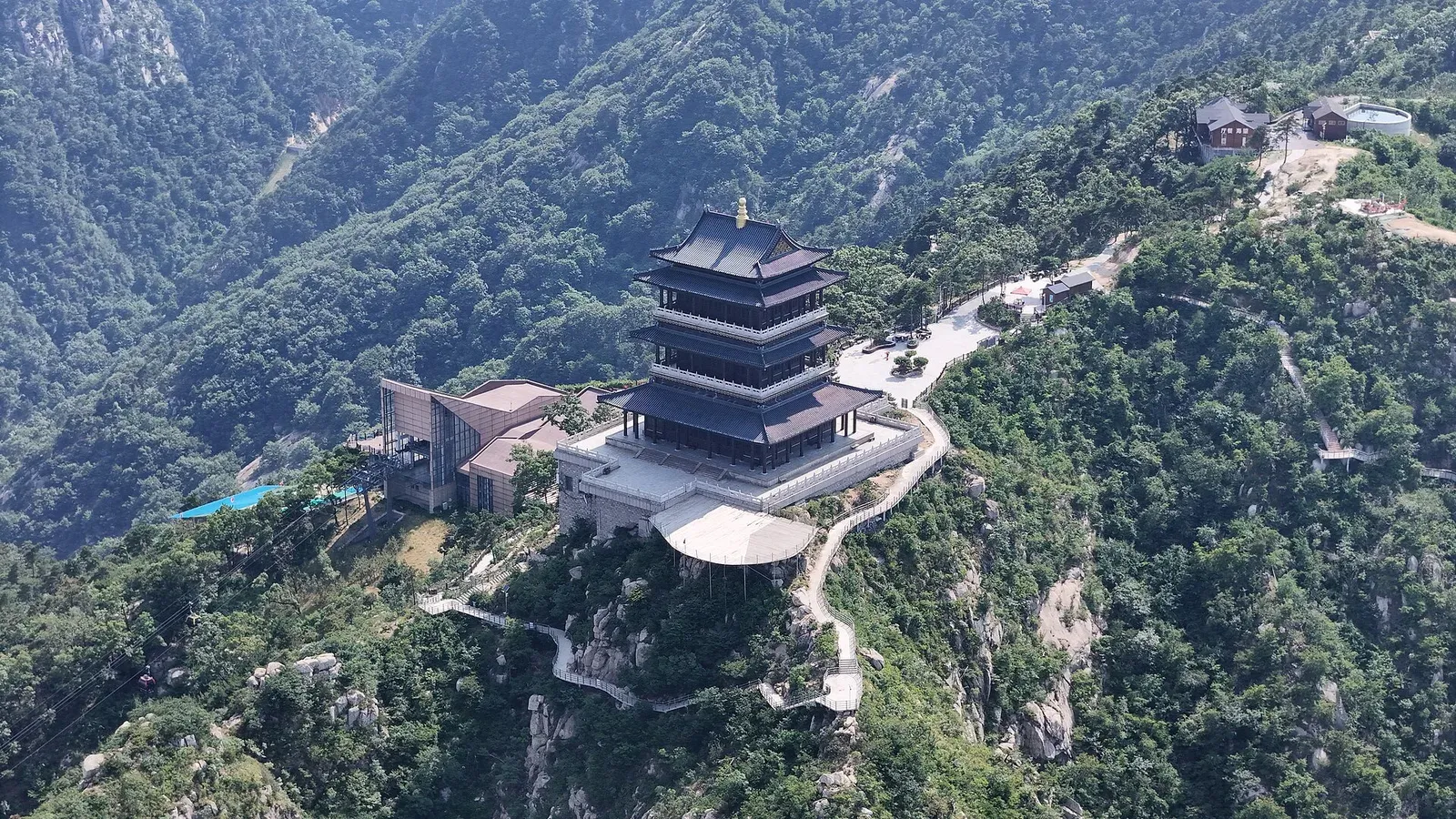
Photo: WPTO / Wikimedia Commons, CC BY 4.0
Historically known as Langya, Linyi has 2,400 years of urban history and is the home of calligraphy master Wang Xizhi and strategist Zhuge Liang. Touring the area divides naturally into distinct zones: downtown cultural sights in Lanshan District, the mountain landscapes of Mount Meng across Pingyi and Mengyin counties, and the karst caves of Yishui County. Attractions span Jin dynasty heritage, Han dynasty military texts, and subterranean karst wonders.
| Travel Focus | Practical Highlights |
|---|---|
| Climate and best seasons | Mild in spring and autumn for outdoor touring; rain concentrates in July and August (annual precipitation around 833 mm) |
| Historical sites and museums | Former Residence of Wang Xizhi (No. 20 Xiyanchi Street, Lanshan District; 20 RMB per person), Yinqueshan Han Tomb Bamboo Slips Museum (free admission) |
| Natural landscapes and geological wonders | Guimeng Peak of Mount Meng in Pingyi County (1,156 meters elevation), Yishui Underground Grand Canyon (3 km underground river rafting) |
| Night tours and performance areas | Xin Langya on Suhe South Street in Lanshan District (free entry), Langya Ancient City live-action show Langya Storm |
| Major transport hubs | Linyi North Railway Station (Rizhao-Lankao High-Speed Railway hub), Linyi Qiyang International Airport (Terminal 2 for domestic, Terminal 1 for international and regional flights) |
Which Seasons Are Suitable for Outdoor Travel in Linyi?
Spring and autumn bring mild weather suitable for mountain hiking and urban strolls. According to meteorological data, the city's annual precipitation is around 833 millimeters, with more than half of the rain falling in July and August.
If you travel in summer, caves such as the Yishui Underground Grand Canyon stay at a constant 18°C. If you want to hike peaks or stroll through old villages, consider avoiding the heavy rains of July and August and visit during the mild spring or autumn months instead.
What Historical Sites Are Worth Visiting in Lanshan District?
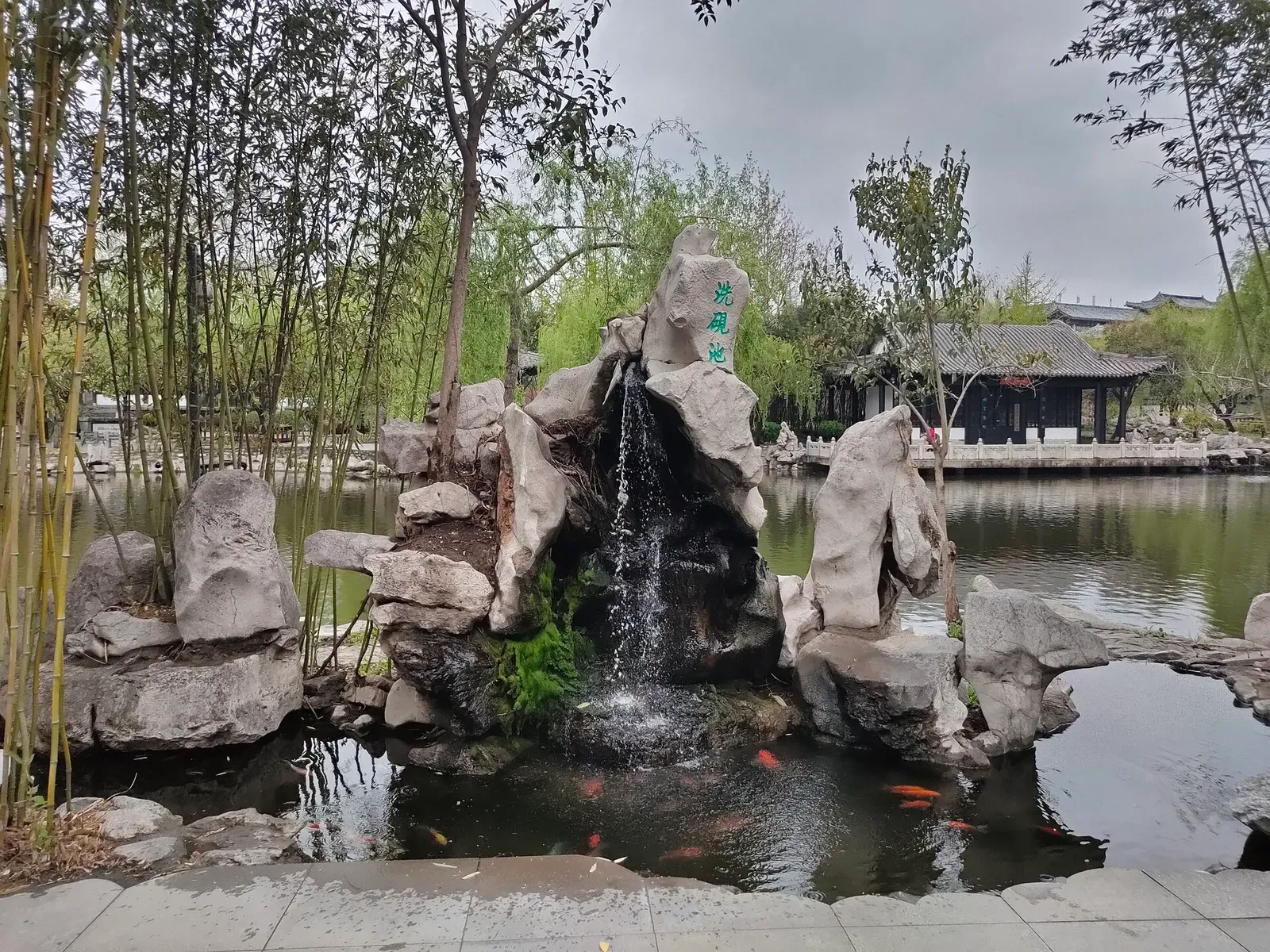
Lanshan District serves as the cultural core of the city. The Former Residence of Wang Xizhi preserves historical sites including the Inkstone-Washing Pool (Xiyan Pool), Puzhao Temple, Jiliu Stele, Book-Drying Terrace, Wang Youjun Ancestral Hall, Zuo Gong Ancestral Hall, Sibao Terrace, Wuxian Shrine, and Langya Academy. The area centers around Xiyan Pool, where the Goose Pond Stele Pavilion and Wuxian Shrine stand along the water, and exhibition halls display tracings of the Orchid Pavilion Preface alongside calligraphy steles from various dynasties.
Tip: The Former Residence of Wang Xizhi is located at No. 20 Xiyanchi Street, Lanshan District, and admission is 20 RMB per person.
In the urban center, the new Yinqueshan Han Tomb Bamboo Slips Museum features seven exhibition halls focused on Han tombs, bamboo slips, and military treatises. Han Tomb No. 1 at Yinqueshan yielded 4,942 bamboo slips containing pre-Qin classics such as The Art of War, Sun Bin's Art of War, Six Secret Teachings, and Wei Liaozi, resolving historical debates about Sun Wu and Sun Bin. The museum presents these rare military texts and related archaeological finds.
Tip: Admission to the Yinqueshan Han Tomb Bamboo Slips Museum is free; opening hours run from 9:00 to 17:00, with last entry at 16:00.
What Can You Do in Downtown Linyi at Night?
Xin Langya on Suhe South Street in Lanshan District is a free-entry evening pedestrian street blending modern Chinese fashion performances with local street food. Nearby Langya Ancient City recreates the atmosphere of old Langya, where you can watch intangible cultural heritage shows such as shadow puppetry and Liuqin opera in the alleys, followed at night by Langya Storm, a large live-action performance centered on historical figures like Zhuge Liang and Wang Xizhi.
The local radio and television tower stands beside Sanhekou Tunnel in Lanshan District. Tower tickets cost 29.9 RMB per person, granting access to the C2 indoor observation deck and C5 outdoor observation deck to overlook the waterfront where three rivers meet and take in the city lights.
What Natural Landscapes and Geological Sights Lie in Surrounding Counties?
Guimeng Peak, the main summit of Mount Meng at 1,156 meters elevation, rises in Pingyi County as the second-highest peak in Shandong Province. The Yimeng mountain area comprises three major scenic zones: Guimeng, Yunmeng, and Tianmeng. Yunmeng features Yunlong Waterfall with an 80-meter drop, Tianmeng has a cliff-hanging glass walkway, and ruins of the Great Wall of Qi survive along the ridges.
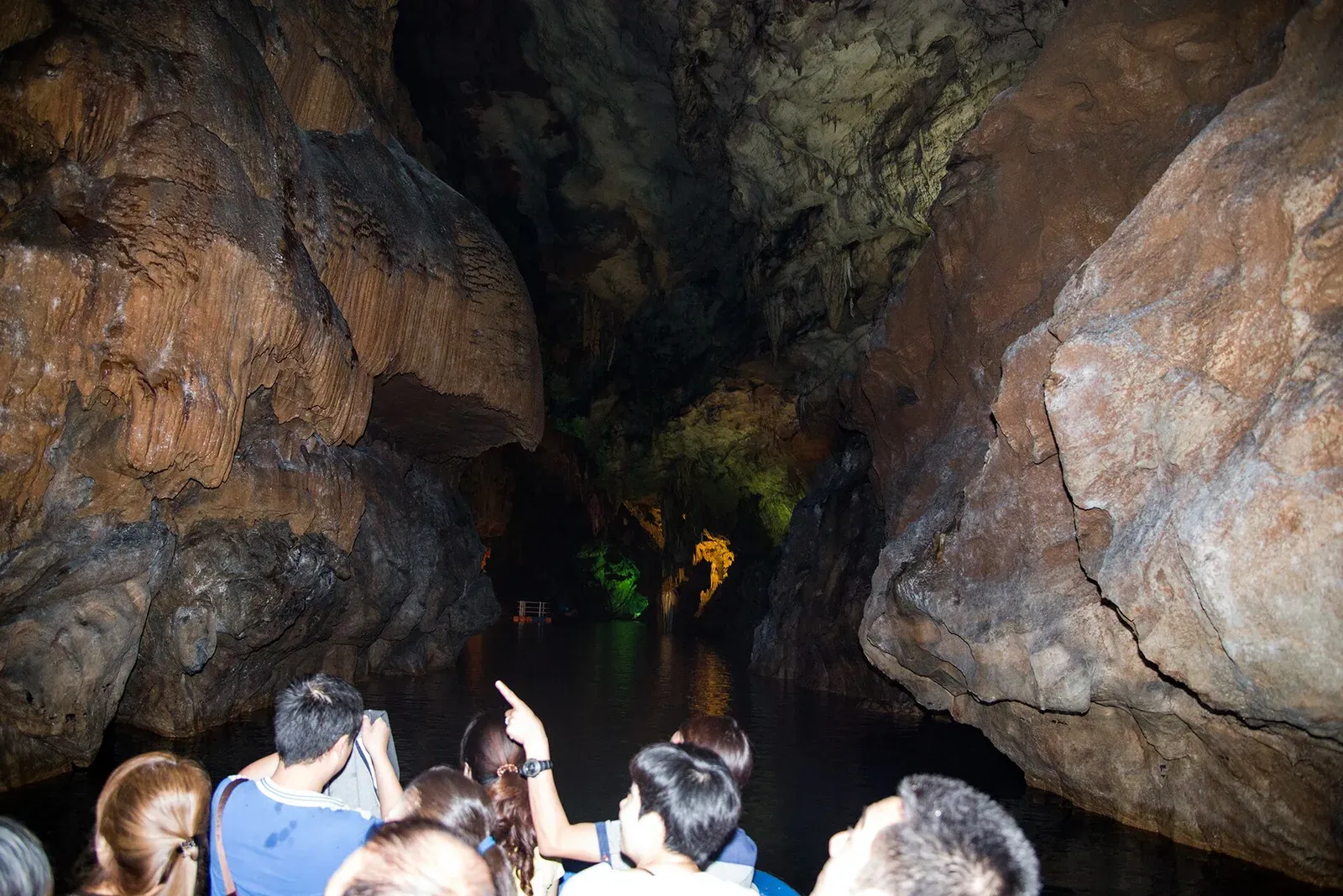
Yishui Underground Grand Canyon is a massive karst cave featuring a 3-kilometer subterranean river where you can drift on rubber dinghies. Nearby, Yishui Firefly Water Cave lets you cruise along an underground river to see tens of thousands of fireflies, while its Butterfly Valley offers an up-close look at the emergence process of more than 200 butterfly species.
Zhuquan Village in Yinan County is known for clear natural springs and thick bamboo groves, preserving courtyard homes with stone walls and blue roof tiles from the Ming and Qing dynasties. Walking through, you can try spreading thin jianbing pancakes, making sa soup, and sipping Mount Meng green tea.
| Attraction | Key Highlights |
|---|---|
| Former Residence of Wang Xizhi | Xiyan Pool, Puzhao Temple, Jiliu Stele, Book-Drying Terrace, and calligraphy steles from past dynasties |
| Yinqueshan Han Tomb Bamboo Slips Museum | 7 exhibition halls displaying unearthed bamboo slips of military treatises such as The Art of War and Sun Bin's Art of War |
| Xin Langya | A night-tour pedestrian street combining traditional Chinese trends, live performances, and local food |
| Linyi Radio and Television Tower | C2 indoor observation deck and C5 outdoor observation deck |
| Guimeng Peak of Mount Meng in Pingyi County | Main peak of Mount Meng (elevation 1,156 meters, the second highest peak in Shandong) |
| Yunmeng and Tianmeng Scenic Areas in the Yimeng Mountains | 80-meter drop Yunlong Waterfall, cliff-hanging glass walkway, and ruins of the Great Wall of Qi |
| Yishui Underground Grand Canyon | Massive karst cave with a 3 km underground river rafting route |
| Yishui Firefly Water Cave | Underground river boat ride to see tens of thousands of fireflies, and Butterfly Valley to observe the emergence of over 200 butterfly species |
| Zhuquan Village in Yinan | Ancient springs, green bamboo, Ming and Qing stone-wall and black-tile residences, with experiences in making jianbing, cooking sa, and tasting Mount Meng green tea |
How to Connect the Main Sights into an Itinerary?
Day 1 covers culture and evening sights in downtown Lanshan District: spend the morning at the Yinqueshan Han Tomb Bamboo Slips Museum exploring ancient military bamboo manuscripts; visit the Former Residence of Wang Xizhi in the afternoon to study historical calligraphy steles; head up the radio and television tower toward dusk for scenic views, and finish the night sampling snacks along Suhe South Street at Xin Langya or taking in the Langya Storm live performance at Langya Ancient City.
Day 2 heads toward Yishui and Yinan for geological wonders and historic villages: tour the Yishui Underground Grand Canyon in the morning for underground river rafting, continue in the afternoon to the Firefly Water Cave to cruise beneath glowing fireflies and visit the Butterfly Valley, and spend the evening wandering Zhuquan Village in Yinan among springs, bamboo, and stone houses from the Ming and Qing eras.
Day 3 focuses on exploring the Yimeng mountains: travel to Pingyi County to climb Guimeng Peak, the main summit of Mount Meng, or visit the Yunmeng scenic zone to view Yunlong Waterfall, as well as the cliff-hanging glass walkway and Great Wall of Qi ruins in the Tianmeng scenic zone.
What Traditional Dishes Represent the Local Cuisine?
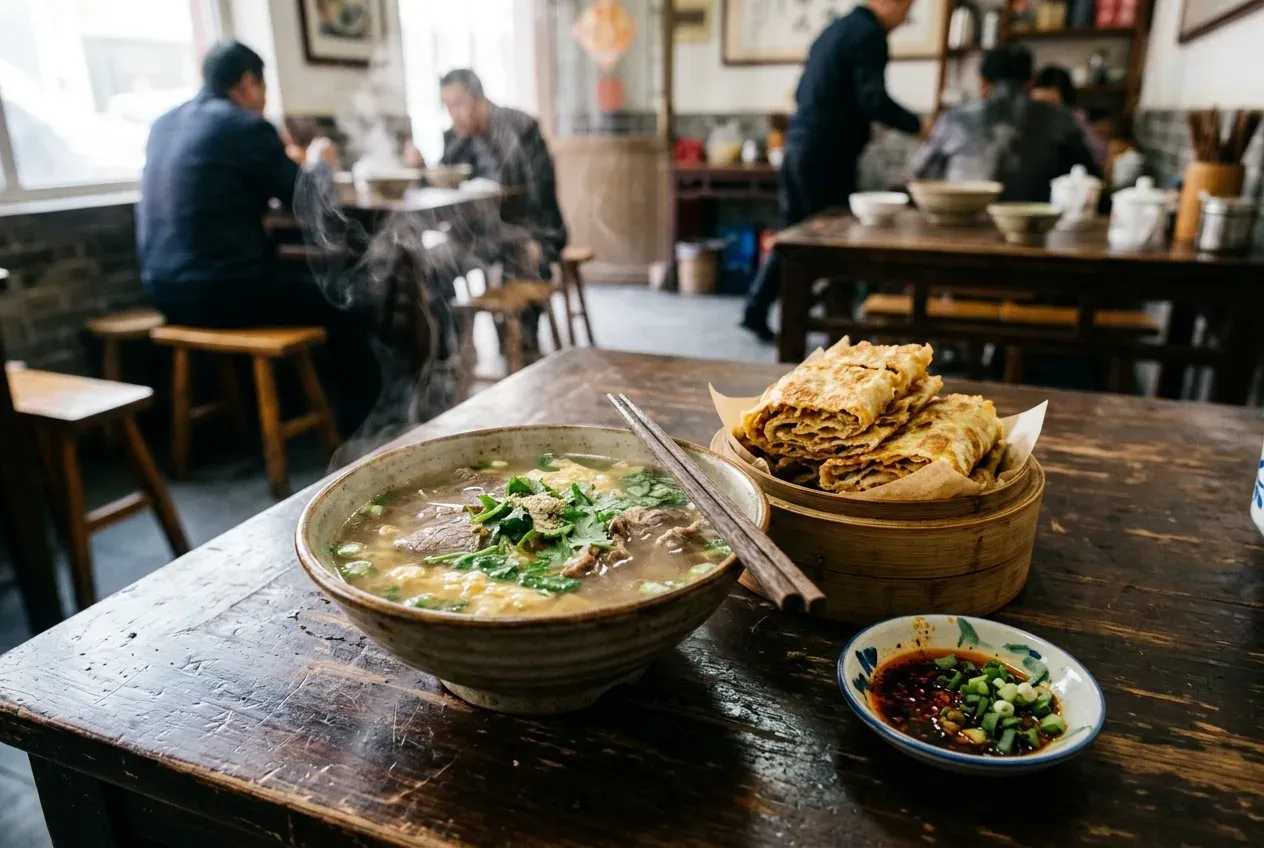
Sa soup (pronounced sha) is a staple breakfast in the area, simmered through multiple stages using beef, wheat kernels, flour, scallions, ginger, and black pepper to yield a savory, peppery broth. Locals and travelers often line up early in the morning at established spots like Chaoyang Sa Restaurant on Yizhou Road. Regional jianbing, thin as paper, is a household staple and local specialty, famed for its custom of wrapping any filling inside.
Local fried chicken is cooked over high heat without blanching first, producing crisp skin and rich savory sauce. Locals commonly wrap the chicken in jianbing or dip crusty flatbread called gangtiezi into the sauce. In Mengyin, whole-goat soup simmers meat, bones, and offal from free-range mountain black goats with over ten natural spices on an open flame for hours, yielding a rich broth without gaminess. Mengyin braised rabbit heads use heads from three-to-four-month-old rabbits simmered with more than ten herbal seasonings across a dozen steps, showcasing distinctive Shandong flavors.
How to Navigate Train Stations and Airport Terminals in Linyi?
Linyi North Railway Station sits in Baishabu Town within Lanshan District as a junction along the Rizhao-Lankao High-Speed Railway. Featuring 8 platforms and 20 tracks, it opened on November 26, 2019, connecting travelers smoothly to major cities across the country.
Tip: Linyi Qiyang International Airport has two terminals; go to Terminal 2 for domestic departures, and Terminal 1 for international and regional departures.
Sources
Linyi Cultural Travel: Mount Meng Stretches 800 Li, Yi River Shimmers 5,000 Years - Hong Kong Global Satellite Television
Yinqueshan Han Tombs - Wikipedia
Mount Meng - Wikipedia
Linyi - Wikipedia
Linyi North Railway Station - Wikipedia
Linyi Qiyang International Airport - Wikipedia
Sources verified on November 18, 2026
FAQ
Is there an admission fee for the Yinqueshan Han Tomb Bamboo Slips Museum, and when does entry close?
Admission to the Yinqueshan Han Tomb Bamboo Slips Museum is free. Visiting hours run from 9:00 to 17:00, with last entry permitted at 16:00.
What is the rafting experience like at Yishui Underground Grand Canyon, and does it get hot?
The Underground Grand Canyon is a very large karst cavern maintaining a steady 18°C temperature year-round. It features a 3-kilometer subterranean river, letting visitors drift on rubber dinghies in cool conditions.
What ingredients go into the traditional breakfast dish sa soup?
Sa soup has a rich, peppery taste and is simmered over a long time using beef, wheat kernels, flour, scallions, ginger, and black pepper, delivering savory, salty, and spicy notes.
How do I know which terminal to use at Qiyang Airport?
Linyi Qiyang International Airport has two terminals: domestic flights operate from Terminal 2, while international and regional flights operate from Terminal 1.