
Japan vs China: Which Country Should You Visit?

Photo: Romain Guy from San Francisco, USA / Wikimedia Commons, CC0
Deciding on Japan vs China travel mostly comes down to how much time you have, your visa paperwork, and how you prefer to travel between regions. If you plan long cross-province journeys in China, the fastest high-speed train connects Beijing and Shanghai in about 4 hours 28 minutes. In Japan, moving between cities relies mainly on the Shinkansen and rail passes. The two countries also differ sharply in visa exemptions, mobile payments, and daily internet access.
| Item | Japan | China |
|---|---|---|
| Visa-free policies | Mutual visa exemption arrangements with 74 countries and regions | 240-hour transit visa exemption for citizens of 57 countries |
| Airport express travel time | As fast as 36 minutes from Narita Airport to downtown Tokyo | 8 minutes and 10 seconds for the full 30 km from Pudong Airport to Longyang Road Station |
| Everyday payment environment | Still mainly a cash-based society; foreign-issued credit and debit cards might not work well | Mobile cashless payments via WeChat and Alipay work almost everywhere; credit cards cannot always be used outside major cities |
| Typhoon season | Between June and December, most frequent from July to September | Usually lasts from May to November, affecting southern and eastern coastal regions |
| Major holiday periods | Golden Week public holidays from April 29 to May 5 | Three 7-to-8-day long holidays: Spring Festival, Labor Day starting May 1, and National Day |
Japan vs Chinese Visa and Entry Rules: Which Is Simpler?
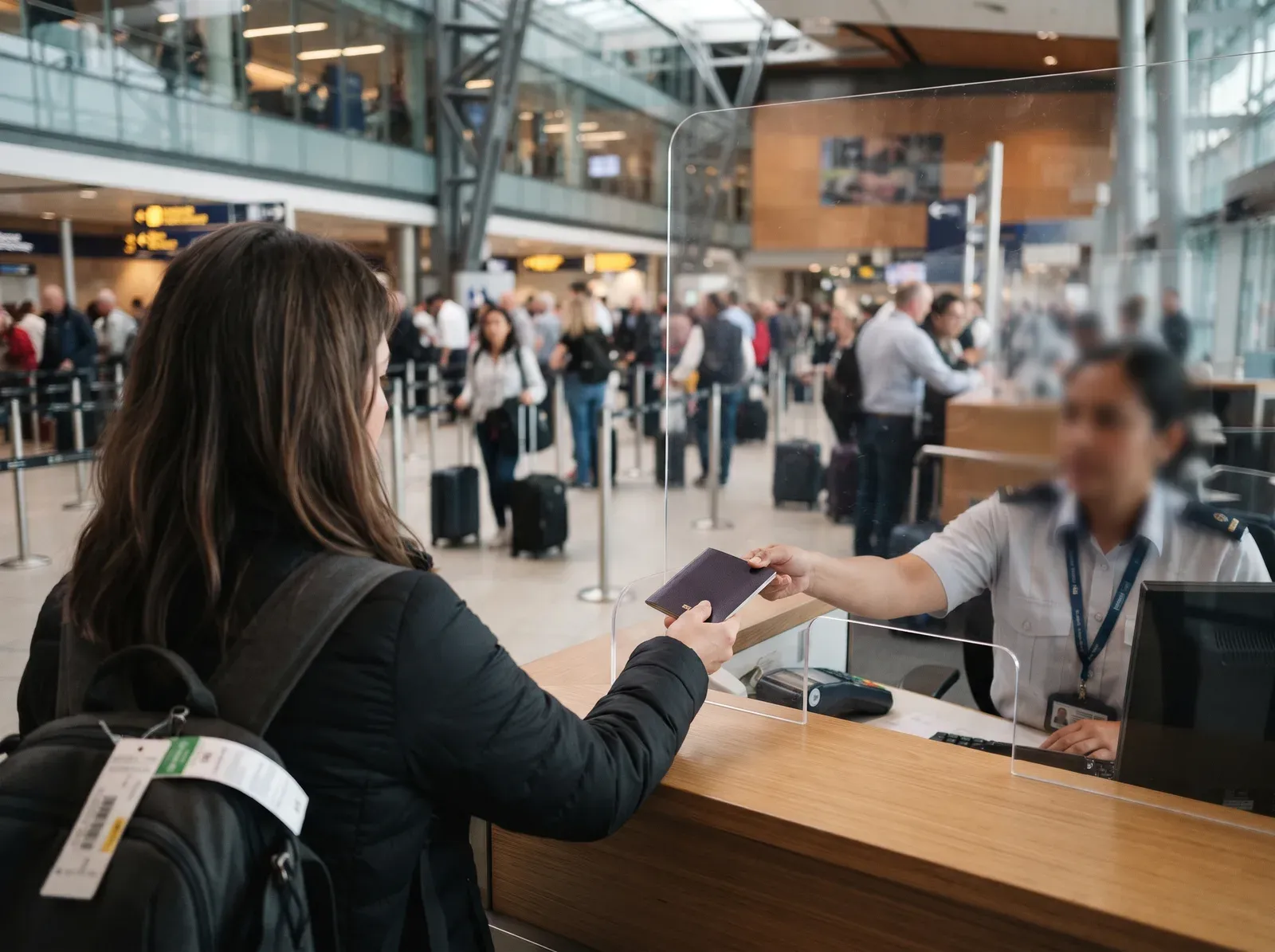
For travelers holding passports from visa-exempt countries, entering Japan is usually simpler than entering China. Japan maintains mutual visa exemption arrangements with 74 countries and regions. According to the Ministry of Foreign Affairs of Japan, passports from Brunei and Qatar are granted a 30-day stay, Indonesia and Thailand receive 15 days, and other visa-exempt countries and regions usually receive 90 days. British passport holders traveling to Japan for tourism or business can receive a permission of stay for up to 90 days upon arrival, and your passport only needs to remain valid for the duration of the stay with 1 blank page.
Traveling to China requires checking your eligibility based on the length of your stay and the nature of your trip. China offers a 240-hour (10-day) transit visa exemption for citizens of 57 countries, allowing travelers to make interprovincial trips across 24 qualifying provinces and municipalities, provided your passport has at least 3 months of validity remaining after entry. In addition, according to the UK Foreign, Commonwealth & Development Office, holders of ordinary British passports can enter China visa-free for business, tourism, family visits, and transit, as long as the passport is valid for at least 6 months beyond the arrival date and has 2 blank pages for visas and stamps.
Tip: Applicants aged 14 to 70 who do not qualify for visa exemption need to apply online for a Chinese visa and appear in person at a visa application centre in London, Manchester, Belfast, or Edinburgh to submit fingerprints. After arriving in China, travelers also need to register their address with the local police station within 24 hours, which hotels handle at check-in.
| Document and entry requirements | Japan entry requirements | China entry requirements |
|---|---|---|
| Visa-free countries and categories | Mutual visa exemption agreements with 74 countries and regions | 240-hour transit visa exemption for citizens of 57 countries; short-term visa-free entry for standard UK passports |
| Typical granted stay | 90 days for most visa-free countries, 30 days for Brunei and Qatar, 15 days for Indonesia and Thailand | 240 hours for transit exemption; up to 30 days for standard UK passports |
| Passport validity and blank pages | Only needs to be valid during the stay period, with 1 blank page | At least 3 months after entry for transit exemption; at least 6 months beyond arrival date and 2 blank pages for standard entry |
Airport Transfers and Bullet Trains: China vs Japan
When traveling from major international airports into the city center, both China and Japan offer high-speed rail connections. The Shanghai Maglev runs 30 kilometers from Pudong Airport to Longyang Road Station in just 8 minutes 10 seconds. In Japan, the Keisei Skyliner connects Narita Airport directly to downtown Tokyo in as little as 36 minutes.
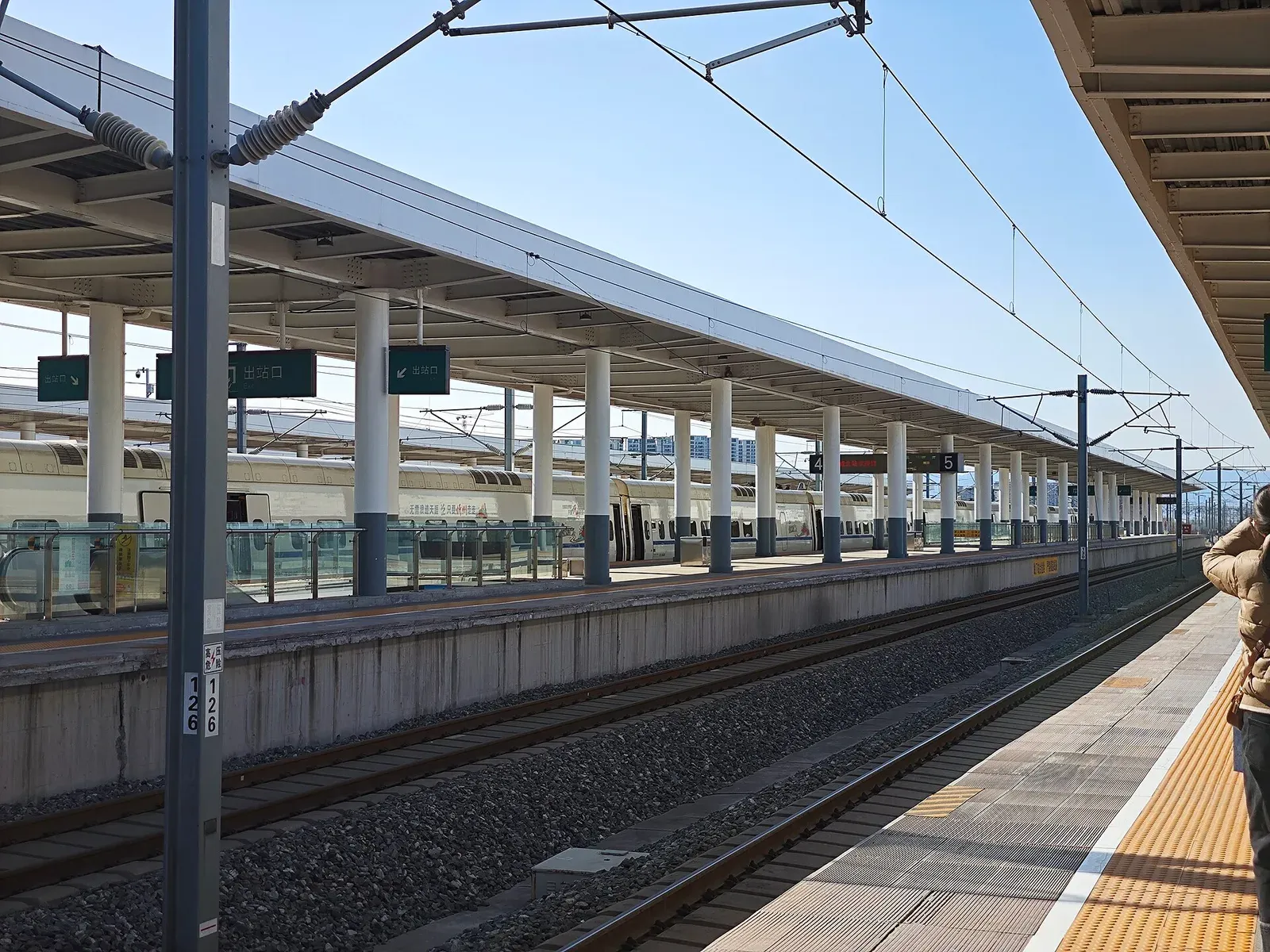
For intercity travel, the Shinkansen in Japan and high-speed rail in China follow distinct ticketing and pricing rules. The Ordinary Car 7-day Japan Rail Pass (JR Pass) costs 50,000 yen on the official website and 53,000 yen through travel agents, and riding the Nozomi train between Tokyo and Kyoto with this pass requires an extra fee of 4,960 yen. China's high-speed rail network connects major municipalities and provinces, with the fastest trains covering long distances within half a day.

Tip: Seat reservations for Japan's Shinkansen open at 10:00 AM one month before your travel date, while travelers need to show their original foreign passport when buying train tickets and boarding trains in China.
| Transport service | Travel time and fare rules |
|---|---|
| Shanghai Maglev | 8 minutes and 10 seconds for the entire 30 km from Pudong Airport to Longyang Road Station; single tickets cost 50 yuan, 40 yuan with proof of flight ticket purchase or an itinerary, and 80 yuan for a round trip |
| Keisei Skyliner | As fast as 36 minutes from Narita Airport to downtown Tokyo |
| Beijing-Shanghai High-Speed Train | The fastest service takes about 4 hours and 28 minutes for the whole trip |
| Japan Rail Pass (7-day Ordinary Car) | 50,000 yen on the official website, 53,000 yen through travel agencies; riding the Tokyo-to-Kyoto Nozomi requires an additional fee of 4,960 yen |
| Japan Rail Pass (14-day and 21-day Ordinary Car) | 14-day pass is 80,000 yen on the official website, 21-day pass is 100,000 yen on the official website; Shinkansen seat reservations open at 10:00 AM one month before the travel date |
Popular Attractions: Japan vs China Ticket Costs and Hours
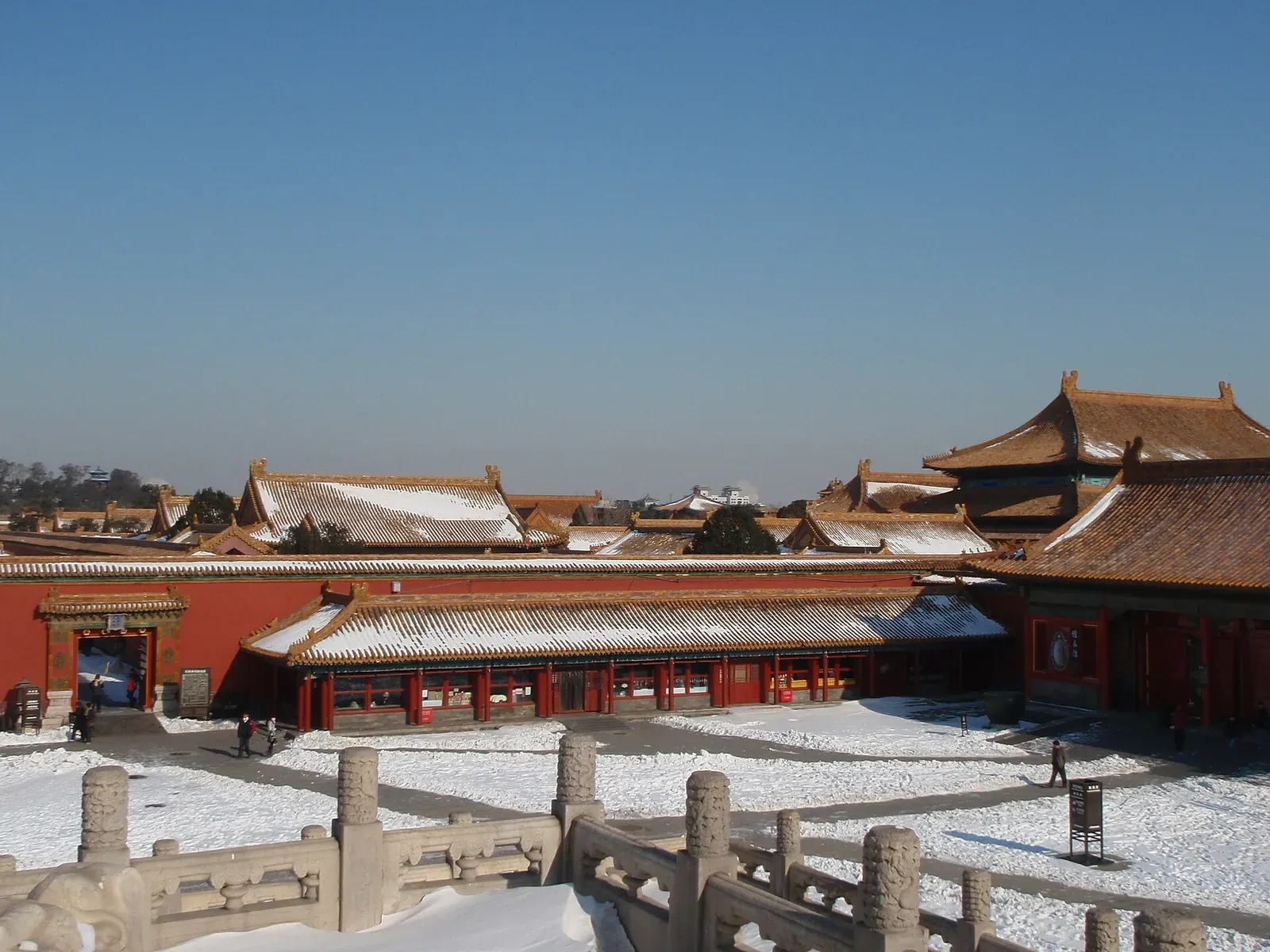
Ticket prices and visit rules differ noticeably between landmark heritage sites and modern attractions in the two countries. Beijing's Forbidden City charges 60 yuan per person during peak season (April 1 to October 31) and 40 yuan per person during off-peak season (November 1 to March 31 next year), with separate 10-yuan tickets each for the Treasure Gallery and the Clock and Watch Gallery. At Tokyo Skytree, adult tickets for the Tembo Deck (floor 350) start at 1,800 yen, while combination tickets covering floor 450 start at 3,000 yen.
When it comes to opening hours and touring routes, the Forbidden City enforces a south-to-north one-way route, where visitors enter through the Meridian Gate (Wumen) and exit through the Gate of Divine Prowess (Shenwumen) or East Glorious Gate (Donghuamen). It remains closed all day on Mondays except on statutory holidays. In Kyoto, Kinkaku-ji is open daily from 9:00 AM to 5:00 PM.
If you prefer reaching main sites directly by public transit, the Forbidden City opens for entry at 8:30 AM, with the Meridian Gate reachable from Tian'anmen East and Tian'anmen West stations on Subway Line 1 and several bus routes. If you plan to visit Tokyo Skytree, buying same-day tickets at the 4th-floor counter or ticket machines incurs an extra fee of 500 yen per ticket, so booking ahead saves money.
| Attraction name | Ticket price | Route and ticket rules |
|---|---|---|
| Forbidden City in Beijing | 60 yuan per person in peak season, 40 yuan per person in off-peak season; 10 yuan per person each for Treasure Gallery and Clock Gallery | Closed Mondays except statutory holidays; one-way tour from south to north, always entering through Meridian Gate and leaving through Shenwumen or Donghuamen |
| Tokyo Skytree | Floor 350 adult tickets from 1,800 yen, children aged 6 to 14 from 900 yen; combo tickets from 3,000 yen for adults and 1,500 yen for children | On-site purchases at 4th-floor counters or ticket machines add a fee of 500 yen per ticket |
Mobile Pay and Internet: Japan Versus China for Everyday Convenience
Everyday spending shows two very different financial habits. In China, cashless QR code payments via mobile apps like WeChat and Alipay cover almost every purchase, though foreign cards are not always accepted outside major cities and ATMs can be scarce. Japan remains largely a cash-based society, and foreign-issued debit and credit cards may not work at some shops.
Tip: If your card is declined in Japan, head to an ATM at a Japanese post office, a 7-Eleven convenience store, or JP Post Bank, where machines accept select overseas bank cards during operating hours.
| Item | Practical reality in China | Practical reality in Japan |
|---|---|---|
| Daily payment methods | Cashless mobile app payments through WeChat and Alipay are available almost everywhere | Still a cash-based society |
| Swiping overseas bank cards | Venues outside major cities cannot always take overseas credit cards | Credit and debit cards issued overseas may not work well |
| ATM cash withdrawal facilities | Number of ATMs is limited outside major cities | ATMs at post offices, 7-Eleven convenience stores, and JP Post Bank accept some overseas cards during business hours |
Weather and Seasons: When Is the Right Time to Visit?
When picking your travel months, typhoon seasons and extreme heat are essential factors. July and August in Japan are hot and humid, with temperatures often climbing past 35 degrees Celsius, while typhoons run from June to December with the heaviest activity between July and September. China's typhoon season usually runs from May to November, mainly affecting southern and eastern coastal regions.
Public holidays bring major travel spikes in both countries. China observes three 7-to-8-day golden weeks each year: Spring Festival, Labor Day starting May 1, and National Day around October 1. Japan's Golden Week is a cluster of public holidays running from April 29 to May 5, making it one of the busiest domestic travel periods of the year.
To avoid extreme heat and heavy typhoon rains, steer clear of the sweltering weather in July and August. If you want to dodge crowded intercity trains and packed attractions, plan around Japan's Golden Week as well as China's National Day and Labor Day holidays.

| Timing and seasonal factors | Travel in China | Travel in Japan |
|---|---|---|
| Typhoons and temperatures | Typhoon season usually lasts from May to November, affecting southern and eastern coastal regions | July and August are extremely hot and humid, often exceeding 35 degrees; typhoon season is between June and December (most frequent from July to September) |
| Major holiday periods | Spring Festival, Labor Day starting May 1, and the National Day holiday around October 1 (7 to 8 days each) | A string of public holidays from April 29 to May 5 (Golden Week) |
| Holiday travel conditions | Travel activity increases noticeably during these long holidays | One of the most concentrated travel periods of the year |
First Trip? What Common Mistakes Should You Avoid?
First-time visitors often overlook basic rules regarding personal ID, baggage customs, and local safety customs. The laws in both China and Japan strictly require carrying identification with you, but each country enforces specific rules for border checks and public spaces.
| Item | Specific rules |
|---|---|
| Carrying ID (China) | Keep your passport with you; police conduct random checks, and photocopies are not accepted |
| Carrying ID (Japan) | Keep your passport or residence card with you; failing to present proof of your visa or residence can lead to arrest by the police |
| Taking trains (China) | Show your passport both when buying train tickets and when boarding |
| Bringing meat products into the country (Japan) | Bringing meat products such as sausages, bacon, and ham into Japan without permission from the Animal Quarantine Service is illegal and may result in fines or imprisonment |
| Restrictions on guests with tattoos (Japan) | Some public facilities do not admit guests with tattoos, such as public pools, hot springs, beaches, and certain gyms |
| Bar district safety (Japan) | Police classify Tokyo's Kabukicho, Roppongi, Shibuya, and Ikebukuro as high-risk areas; do not follow street touts into bars |
| Invitations from strangers at tourist attractions (China) | Watch out for "tea tasting" or "massage" scams in popular tourist areas, where strangers invite you for tea or a massage and the venue later demands exorbitant fees |
Conditions and Exceptions Behind This Comparison
The visa-free policies listed here have clear time limits and nationality restrictions. For example, visa-free entry for standard British passport holders into China only runs until December 31, 2026, according to the UK Foreign, Commonwealth & Development Office. China's 240-hour transit visa exemption for 57 countries requires entering and exiting through eligible ports, holding onward tickets or required visas to the next destination, and departing to a third country or region within 240 hours.
In addition, ticket prices for the Shinkansen rail passes, Shanghai Maglev, Tokyo Skytree, and the Forbidden City are shown in their original Japanese yen and Chinese yuan amounts. Fares and booking policies remain subject to the latest terms from each operating authority.
Sources
Visa policy of mainland China - Wikipedia
Beijing-Shanghai high-speed railway - Wikipedia
Shanghai maglev train - Wikipedia
Skyliner | KEISEI Electric Railway
Visitor Guide - The Palace Museum
Ticket and Prices Official Tokyo TOKYO SKYTREE
Kinkaku-ji | Rinzai Shokoku-ji Branch
Golden Week (China) - Wikipedia
Golden Week (Japan) - Wikipedia
Sources verified on November 17, 2026
FAQ
What documents are needed when using the 240-hour transit exemption in China?
Travelers need a valid passport from one of the 57 eligible countries, with at least 3 months of validity remaining after entry. You also need confirmed onward tickets departing within 240 hours through eligible ports to a third country or region, along with any necessary entry visas.
Does a Japan Rail Pass (JR Pass) cover all Shinkansen bullet trains directly?
Riding the Nozomi bullet train between Tokyo and Kyoto with an Ordinary Car JR Pass requires an additional fee of 4,960 yen. Shinkansen seat reservations can be booked starting at 10:00 AM one month before your travel date.
Can foreign credit cards replace mobile payments when traveling in China?
Outside large cities in China, foreign credit cards are not always accepted and ATMs can be limited. Because cashless QR code payments via mobile apps like WeChat and Alipay cover nearly every business, setting up mobile payment apps before departure is recommended.
Can you buy tickets on site at the Forbidden City, and is it open on Mondays?
The Forbidden City enforces a south-to-north one-way route, where visitors enter through the Meridian Gate. It is closed all day on Mondays except on statutory holidays. Entry starts at 8:30 AM, with last entry at 16:00 during peak season and 15:30 during off-peak season.
Can you use an onsen hot spring in Japan if you have tattoos?
Some public facilities in Japan turn away guests with tattoos. This restriction covers not only hot springs, but also certain public swimming pools, beaches, and gyms, so checking entry rules with each specific venue before visiting is recommended.