
Interesting Facts About China Before You Visit
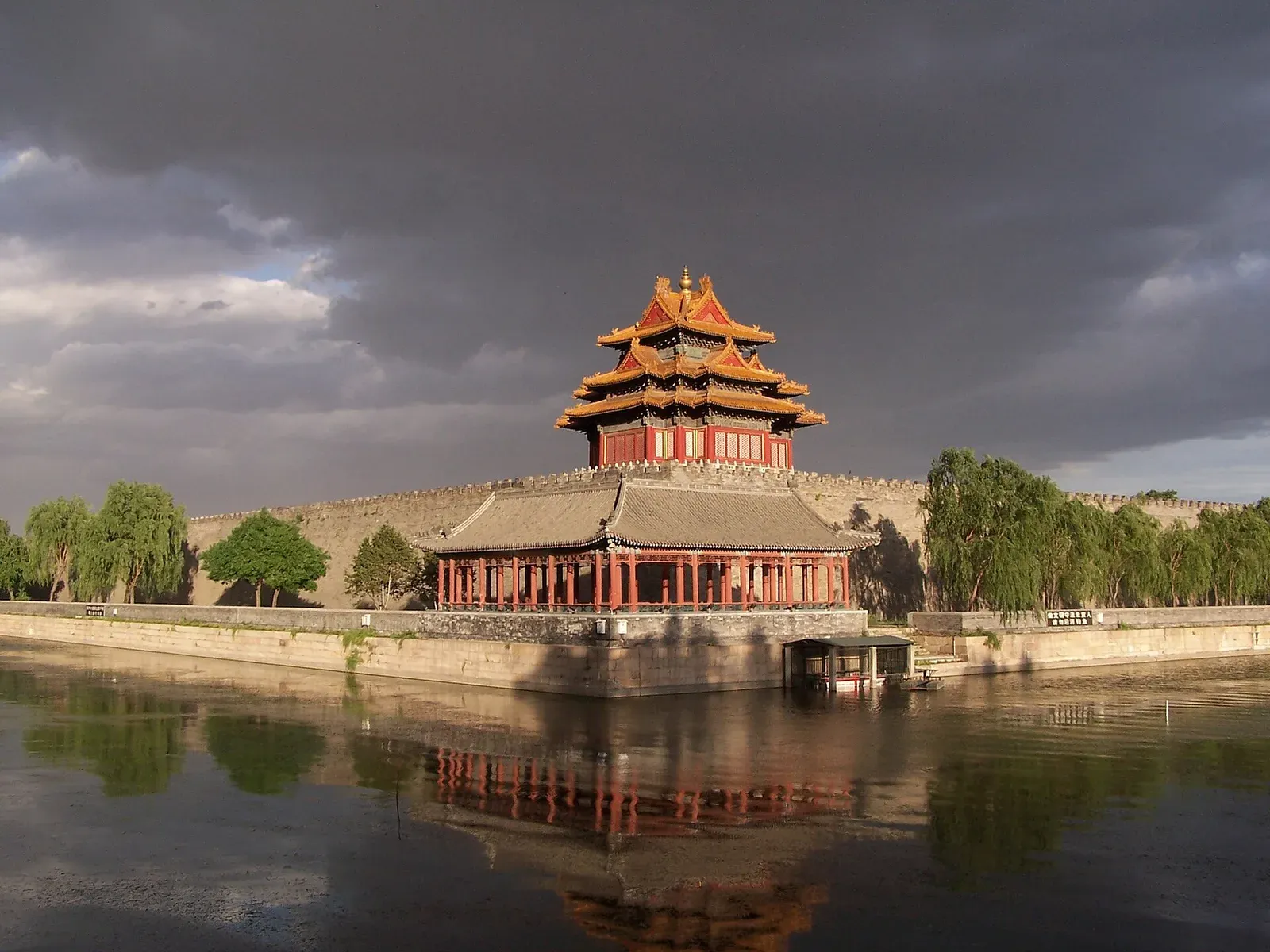
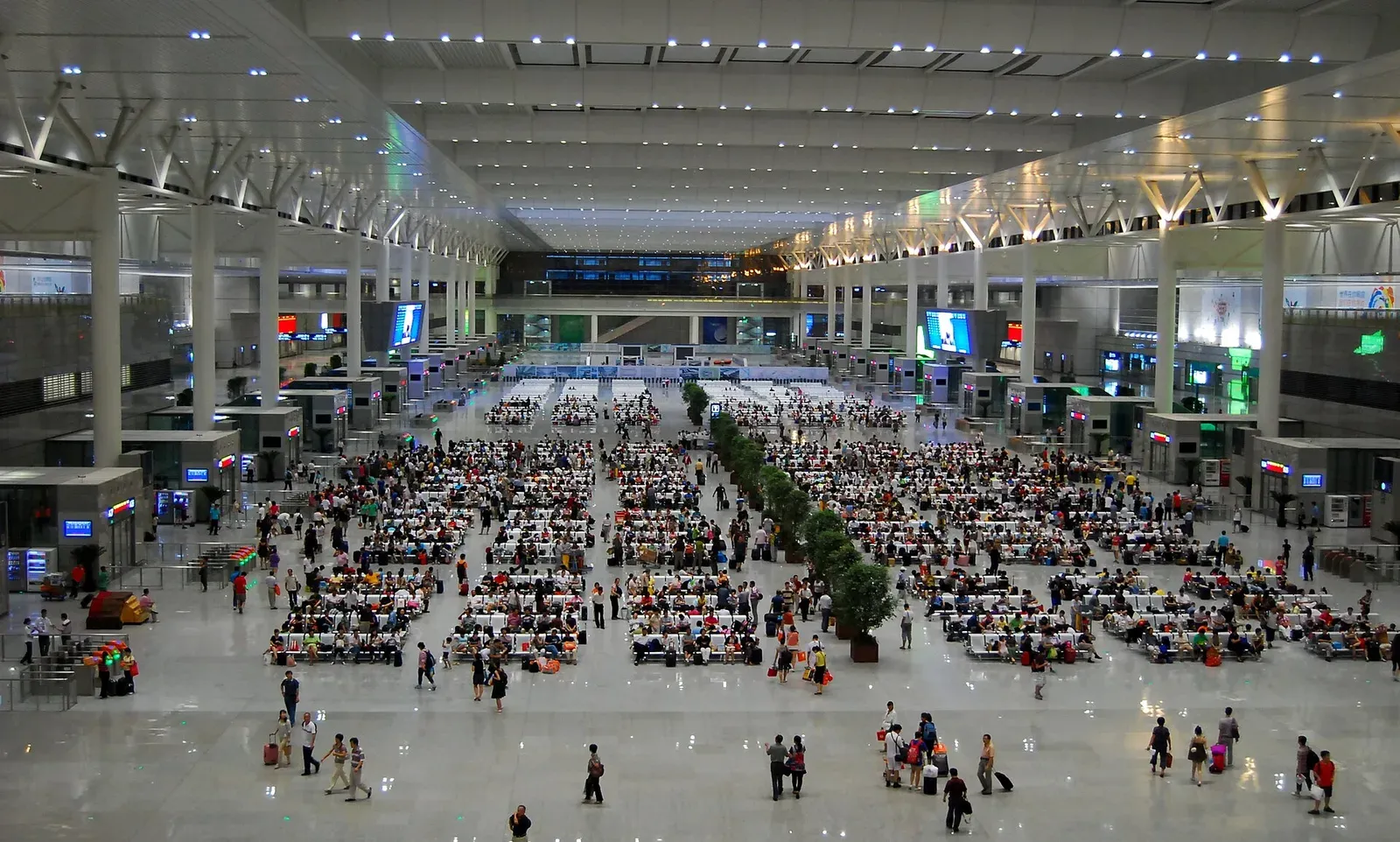
Photo: User:kallgan / Wikimedia Commons, CC BY-SA 3.0
When traveling to China, foreign visitors encounter many unique daily rules and cultural customs. Although China covers a vast territory, the entire country uses a single standard time offset of UTC+8 based on 120° east longitude. In major cities, you do not need to tip at most ordinary restaurants, and daily transactions rely heavily on scanning QR codes with mobile apps. Learning these interesting facts about China can help you adapt quickly to the local rhythm and avoid common travel hassles.
| Daily Topic | Core Facts and Rules |
|---|---|
| National time | The whole country uses China Standard Time (UTC+8) with no daylight saving time |
| Daily payment | Over 90% of urban payments are mobile, supporting foreign bank cards on WeChat and Alipay |
| Tipping etiquette | Most restaurants require no tips, and bills have no mandatory tipping |
| Drinking water | Tap water is not suitable for direct drinking, while free hot water is widely available in public places |
| Dining etiquette | Communal sharing is standard, and chopsticks should never be stuck vertically into a rice bowl |
| ID management | Foreigners are required to carry a valid passport at all times, and hotels register guests within 24 hours of check-in |
Time and Time Zones: Why Does China Use Only One Standard Time?
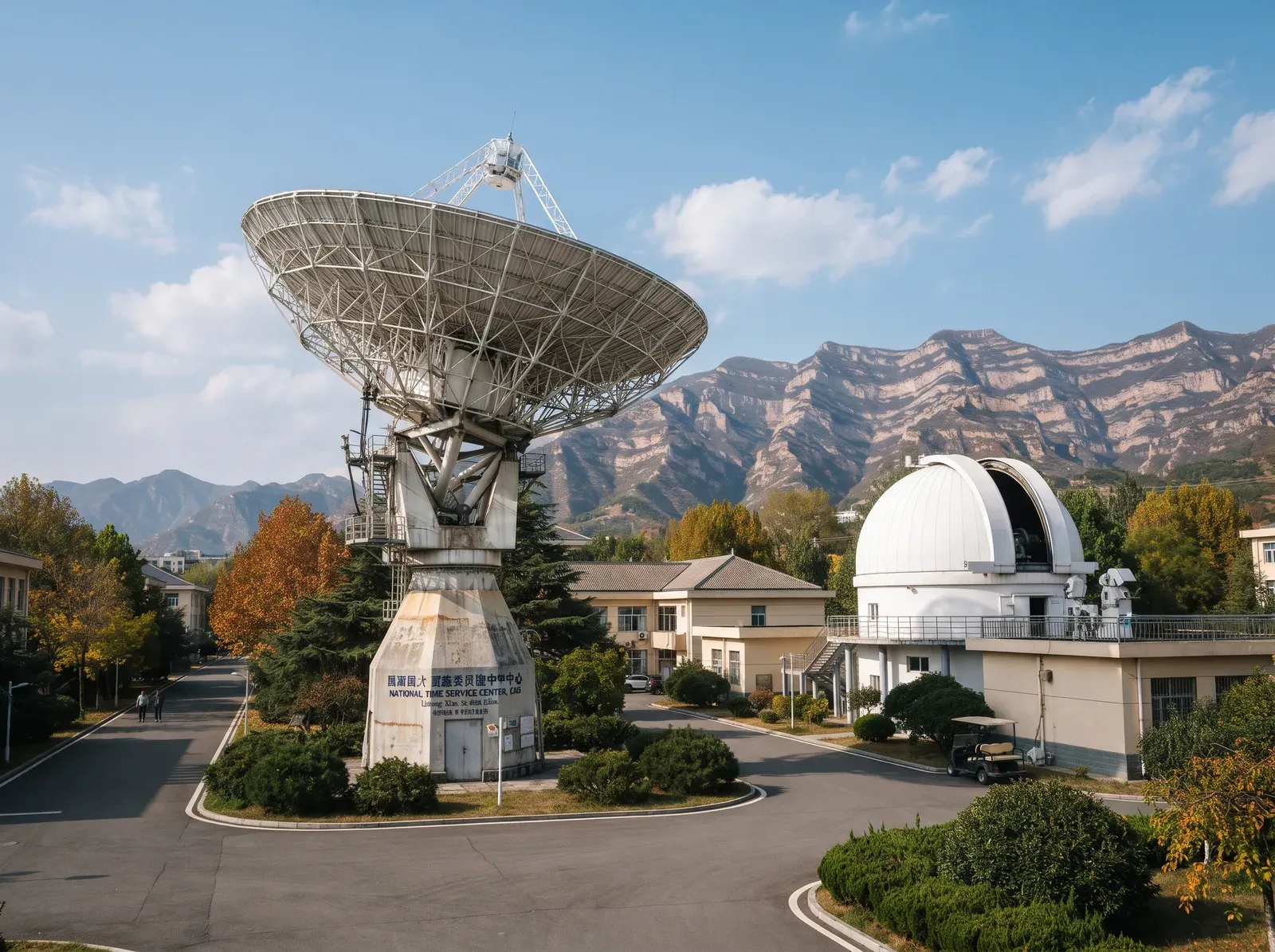
Geographically, China spans five time zones, but the entire country uses a single standard offset of UTC+8, making it the largest country in the world operating on one time zone. Domestically known as Beijing Time (BJT) and internationally as China Standard Time (CST), its benchmark is not the local mean solar time of Beijing, but rather the local mean solar time at 120° east longitude. It is precisely measured, calculated, and broadcast by the National Time Service Center of the Chinese Academy of Sciences in Lintong, Shaanxi.
Mainland China currently uses China Standard Time year-round and does not observe daylight saving time. China tested daylight saving time from 1986 to 1991, but stopped the practice in 1992. Using a single time zone across the country creates noticeable daylight differences. In northwestern regions like Xinjiang, the sun rises close to 10:00 am in winter and sets near midnight in summer.
Tip: When traveling in the northwest, train stations, airports, scenic area ticket offices, and government agencies operate strictly on Beijing Time. If you dine out or contact your driver, make sure to clarify whether you are arranging plans by Beijing Time or local routine.
Payment and Transit: How Can Foreign Visitors Get Around Without a Chinese Card?
In Chinese cities, over 90% of transactions occur through mobile apps like WeChat and Alipay, even though cash in Chinese yuan remains legal tender. WeChat has more than 1.3 billion monthly active users in China, with about 935 million using its built-in payment functions. Foreign visitors can directly link overseas-issued Visa, Mastercard, Discover, and JCB bank cards.
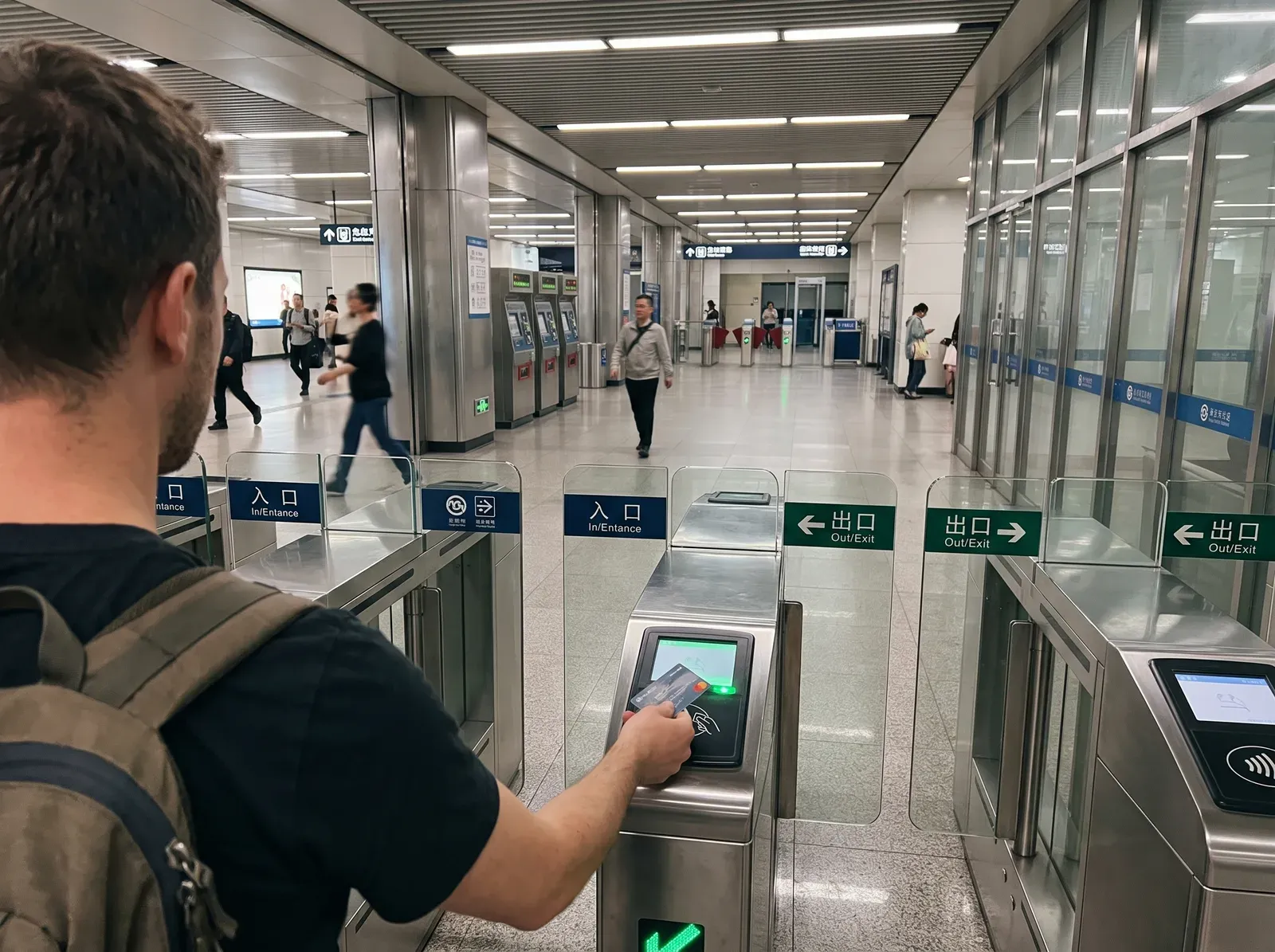
Taking rail transit in Beijing is very convenient. The tap-to-ride service covers all 27 subway lines, including two airport lines, the Xijiao Line, the Yizhuang T1 Line, and Suburban Railway Line S2. Tapping directly at the fare gates supports overseas-issued Mastercard and Visa cards, as well as domestic and international UnionPay QuickPass cards.
Tip: In Beijing, a one-way subway fare is usually within 5 RMB (about 0.7 USD), and a bowl of noodles typically costs around 15 RMB (about 2 USD). Bring a portable power bank when going out, and keep a small amount of cash in Chinese yuan in your wallet in case your phone battery runs out or network coverage drops.
Dining Etiquette and Drinking Water: Do You Tip and Why Is Hot Water Everywhere?
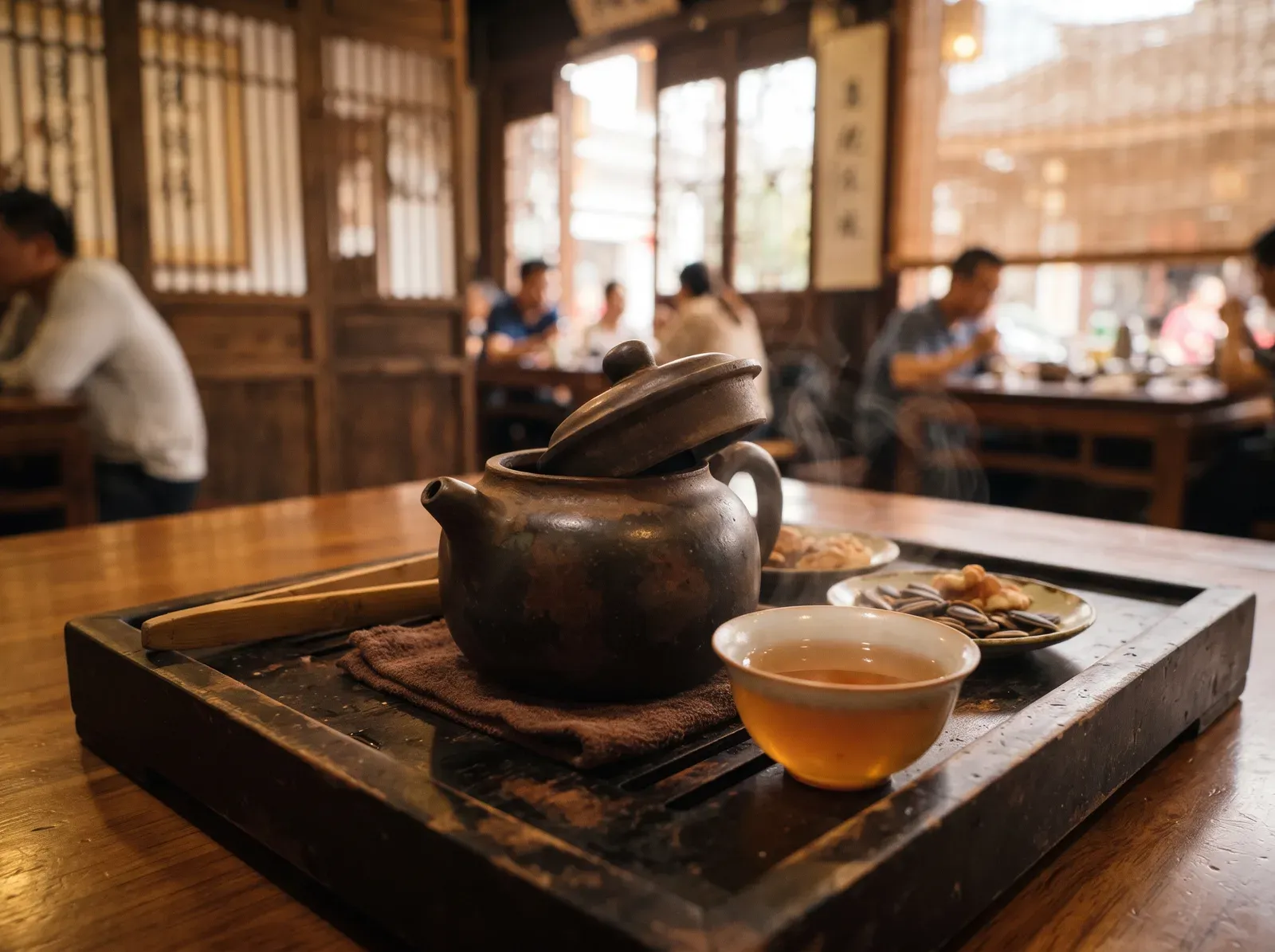
You do not need to tip at most Chinese restaurants unless signs explicitly state otherwise. Tea is usually served right before or after you sit down, and a simple verbal thank you is enough when servers pour it. Chinese restaurants generally practice communal dining rather than individual portions, where you typically order one main dish per person for everyone at the table to share.
Chinese tea customs call for filling cups to about 80% full, reflected in the saying that tea filled to the brim cheats the guest, while wine filled to the brim honors them. Tapping one or two fingers of the same hand on the table while someone pours tea is called the finger tap kowtow, a traditional gesture of thanks said to originate from the Qianlong Emperor of the Qing dynasty traveling incognito in Jiangnan. In teahouses, taking the lid off the teapot or propping it against the rim is an unspoken signal that the pot is empty and needs a refill.
In Chinese dining etiquette, never stick chopsticks vertically into a bowl of rice or food, as this resembles incense sticks placed at funeral rituals. Put down your chopsticks when drinking soup, avoid holding a spoon and chopsticks at the same time, and never rummage through serving dishes with your chopsticks. The earliest physical chopsticks discovered were unearthed at Yinxu in Anyang, Henan, dating to the Shang dynasty around 1200 BC, consisting of six bronze chopsticks measuring 26 centimeters long and 1.1 to 1.3 centimeters wide.
In China, unfiltered tap water is generally not suitable for drinking directly. Train stations and restaurants widely provide free hot water, and bottled water costs about 3 RMB per bottle. Many locals drink plain hot water with meals, and restaurants do not typically provide cold or ice water by default. You can bring a reusable bottle to fill with hot water, or purchase chilled bottled water separately at the restaurant.
Number Superstitions and Giant Pandas: Missing Fourth Floors and Panda Loans
In traditional number beliefs, eight is considered very lucky because it sounds like the word for wealth and prosperity. Numbers with multiple eights are widely sought after, and the opening ceremony of the 2008 Beijing Summer Olympics was scheduled for August 8, 2008, at 8:08:08 pm. In contrast, four sounds similar to the word for death and is considered unlucky by many people, so some buildings deliberately skip floor and room numbers containing four.
Many travelers wonder about the ownership of giant pandas in overseas zoos: standard agreements include a fee of up to 1 million USD per year, and all cubs born overseas during the loan period remain the property of the People's Republic of China.
Public Restrooms and ID Rules: How to Handle Squat Toilets and Passport Checks
By law, foreigners in China are required to carry valid identification at all times, and hotels register guests within 24 hours of check-in. Original passports are required when buying train or flight tickets, entering major attractions like the Forbidden City, and getting a local SIM card.
Public restrooms in many parts of China commonly feature traditional squat toilets rather than sitting toilets, although sitting toilets have become increasingly common in big cities and newly built public areas. Travel blog Travel Dudes notes that travelers in China should carry a pack of tissue paper for restroom visits and get used to squat toilets ahead of time.
Chinese cities start their mornings early. Street breakfast stalls are busiest before 9:00 am, and most museums and scenic attractions open at 8:30 am. Shopping malls usually close at 9:00 pm or 10:00 pm, and restaurants rarely accept new guests after 9:00 pm.
Megacities and High-Speed Rail: Interesting Facts About China and Modern Infrastructure
China has the world's longest and most heavily used high-speed rail network, accounting for about two-thirds of the global total with an operating length of over 50,000 kilometers. The Beijing-Shanghai high-speed railway spans 1,318 kilometers (819 miles), making it the longest high-speed line ever built in a single phase. After Fuxing trains entered service and restored speeds of 350 kilometers per hour on September 21, 2017, the fastest rail journey between Beijing and Shanghai dropped to about 4 hours and 28 minutes.
| Statistical Metric | Key Cities or Scale | Source and Notes |
|---|---|---|
| Megacity list | Shanghai, Beijing, Shenzhen, Chongqing, Guangzhou, Chengdu, Tianjin, Dongguan, Wuhan, Hangzhou | 2022 Urban Construction Statistical Yearbook by the Ministry of Housing and Urban-Rural Development (urban permanent population over 10 million) |
| Top five cities by total permanent population | Chongqing (31.91 million), Shanghai (24.87 million), Beijing (21.86 million), Chengdu (21.403 million), Guangzhou (18.827 million) | Statistical data as of 2023 |
| Total high-speed rail mileage | Over 50,000 kilometers | Accounts for about two-thirds of global high-speed rail mileage |
| WeChat users and payment scale | Over 1.3 billion monthly active users, about 935 million using payment functions | Supports linking foreign cards such as Visa and Mastercard |
First Time in China? Transit Visa Rules and Common Pitfalls to Avoid
| Common Misconception | Actual Fact and Practical Tip |
|---|---|
| Assuming Hong Kong, Macao, and Taiwan do not count as third regions | Hong Kong, Macao, and Taiwan count as independent third regions under the 240-hour visa-free transit policy; transiting through mainland China between them and a third country qualifies |
| Miscalculating the transit stay start time | The 240-hour visa-free transit stay begins at 00:00 on the day following arrival, and overstaying is not permitted |
| Assuming booking rules are flexible | Applying for visa-free transit requires a passport valid for at least 3 months and a confirmed connecting ticket with fixed date and seat within 240 hours before entry |
| Thinking tipping is mandatory at meals | Regular restaurants do not include tips, leaving cash tips can cause confusion, and you simply scan the QR code to pay the bill |
| Asking for free ice water at restaurants | Restaurants do not typically provide cold or ice water by default, hot water is widely free at stations and diners, and chilled bottled water can be purchased separately |
Sources
How to Buy Tickets
List of Megacities in the People's Republic of China - Wikipedia
List of cities in China by population - Wikipedia
Customs and etiquette in Chinese dining - Wikipedia
Time in China - Wikipedia
Beijing Time - Wikipedia
Frequently Asked Questions on the 240-Hour Visa-Free Transit for Foreign Nationals
Beijing: Shanghai high-speed railway - Wikipedia
Chinese numerology - Wikipedia
High-speed rail in China - Wikipedia
Etiquette in Asia - Wikipedia
Yum cha - Wikipedia
Squat toilet - Wikipedia
Visa policy of mainland China - Wikipedia
Chopsticks - Wikipedia
Sources verified on November 17, 2026
FAQ
Do you need to tip when paying at Chinese restaurants?
You do not need to tip at most Chinese restaurants unless signs explicitly state otherwise. Bills do not include a tip line, and you simply pay the exact billed amount.
Can foreign tourists use overseas credit cards for public transit in China?
All 27 Beijing Subway lines support tapping directly at the fare gates with Mastercard and Visa cards. In other cities, you can also link foreign cards to WeChat or Alipay to generate transit QR codes.
Is there an official time difference between different provinces in China?
The entire country follows a single China Standard Time (UTC+8) without daylight saving time. While northwestern regions like Xinjiang experience different daylight hours, all flights, trains, and attractions operate strictly on Beijing Time.
Can travelers with connecting tickets to Hong Kong, Macao, or Taiwan use the 240-hour visa-free transit?
Under China's 240-hour visa-free transit policy, Hong Kong, Macao, and Taiwan are treated as independent third destinations, fulfilling the requirement that your departure country or region differs from your final destination.