
Hiking Near Jingdezhen: Historic Paths and Forest Trails
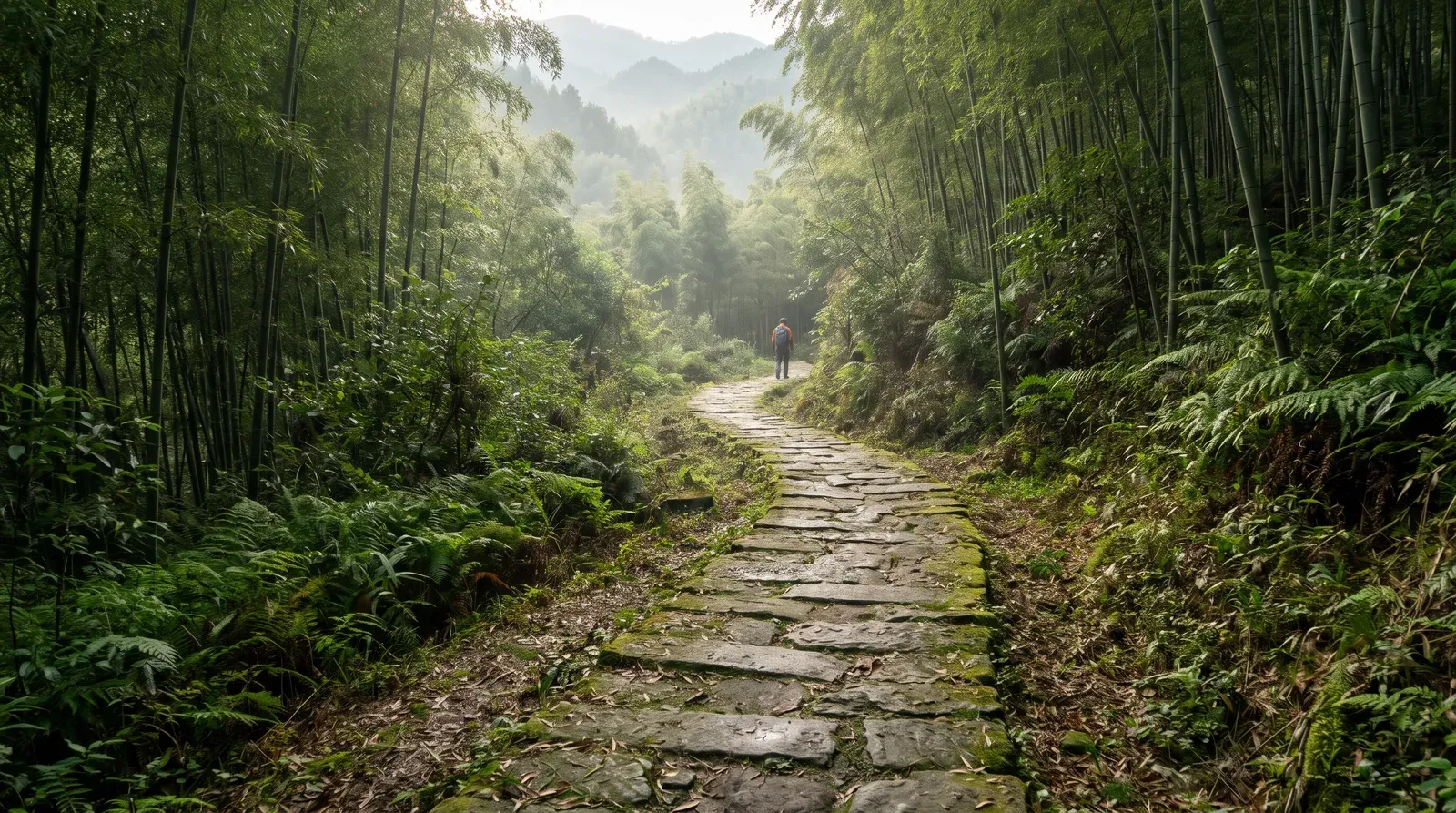
The main destination for hiking near Jingdezhen centers around Yaoli Town and its surrounding mountains in northeastern Fuliang County, about 55 kilometers from the urban center. Forest coverage here exceeds 94 percent. The town center sits at an elevation of about 200 meters, while Wugujian on the border between Anhui and Jiangxi to the northeast reaches 1,618 meters. Trails here include the Huizhou Ancient Road, Gaoling National Mine Park, and the Wanghu virgin forest.
What are the main areas for hiking near Jingdezhen?
Trails in this region lie mainly across the mountains and hills of Fuliang County. The northern section forms an extension of the southern Anhui mountains, sloping downward from northeast to southwest, bringing together forest gorges, ancient mining remains, and historic post roads.
| Area and Route | Main Trails and Sights | Terrain and Elevation | Distance from Downtown or Highlights |
|---|---|---|---|
| Yaoli Ancient Town Mountain Trails | Huizhou Ancient Road, Wanghu virgin forest, Meiling Scenic Area, Nanshan Waterfall | Town center elevation about 200 meters, Wugujian on the Anhui border reaches 1,618 meters | About 55 kilometers from downtown Jingdezhen, forest coverage over 94% |
| Ehu Gaoling Miners' Trail | Gaoling National Mine Park, ancient mining remains, miners' path | Hilly mountain terrain of Mount Gaoling in Ehu Town, Fuliang County | Source of the English word Kaolin, with mining peaking from the Yuan to mid-Qing dynasties |
| Jiangxi-Anhui Huirao Ancient Road | Zheling section of the Wuyuan Huirao courier route, Hongguan Village | Border between ancient Raozhou and Huizhou, adjacent to Xiuning in Anhui | Hongguan Village features a thousand-year-old camphor tree 26.1 meters tall with a diameter at breast height of 3.4 meters |
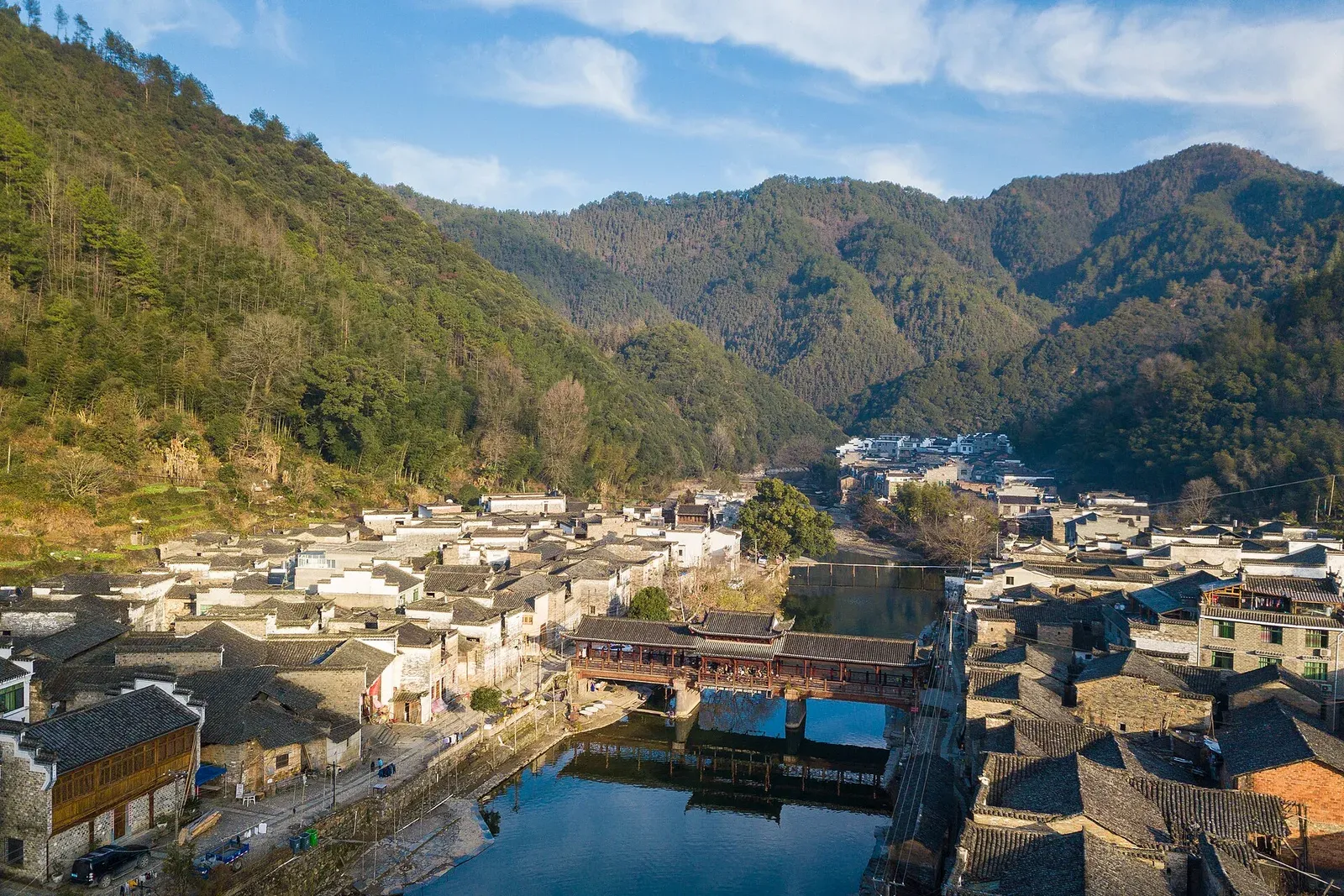
If you want to combine natural forests with historic village scenes in a single day, head to Yaoli Ancient Town and the Wanghu forest area. If you want to focus on porcelain mining history, Mount Gaoling is a more direct choice.
What is it like to hike around Yaoli Ancient Town and its forests?
Yaoli Ancient Town was founded at the end of the Western Han Dynasty and was historically known as Yaoli (窑里, kiln village), carrying the reputation of being the source of porcelain, home of tea, and sea of forests. The area contains routes such as the Huizhou Ancient Road, the Wanghu virgin forest, Meiling Scenic Area, and Nanshan Waterfall.
The Yaohe River flows through the center of the old town with crystal-clear water where schools of ornamental fish swim. After walking through paved bluestone lanes, trails lead directly out into the surrounding forested hills, gorges, and mountain streams.
Tip: Winter temperatures in the Yaoli mountains can drop below minus 8°C with heavy snow, while summer nights feel cool thanks to dense vegetation. Pack warm layers or breathable clothing depending on the season.
Beyond the scenery of Yaoli, the mining paths on Mount Gaoling offer another classic walk to trace the roots of the porcelain capital.
What can you see along the ancient miners' trail on Mount Gaoling?
Mount Gaoling sits in Gaoling Village within Ehu Town, Fuliang County. Today, Gaoling National Mine Park preserves numerous ancient mining remains and miners' paths, making it a popular historic walking route in the area.
The English word Kaolin, an essential mineral in porcelain making, comes directly from the romanized name of Gaoling Village. Historical records show that mining at Mount Gaoling peaked between the Yuan Dynasty and the mid-Qing Dynasty.
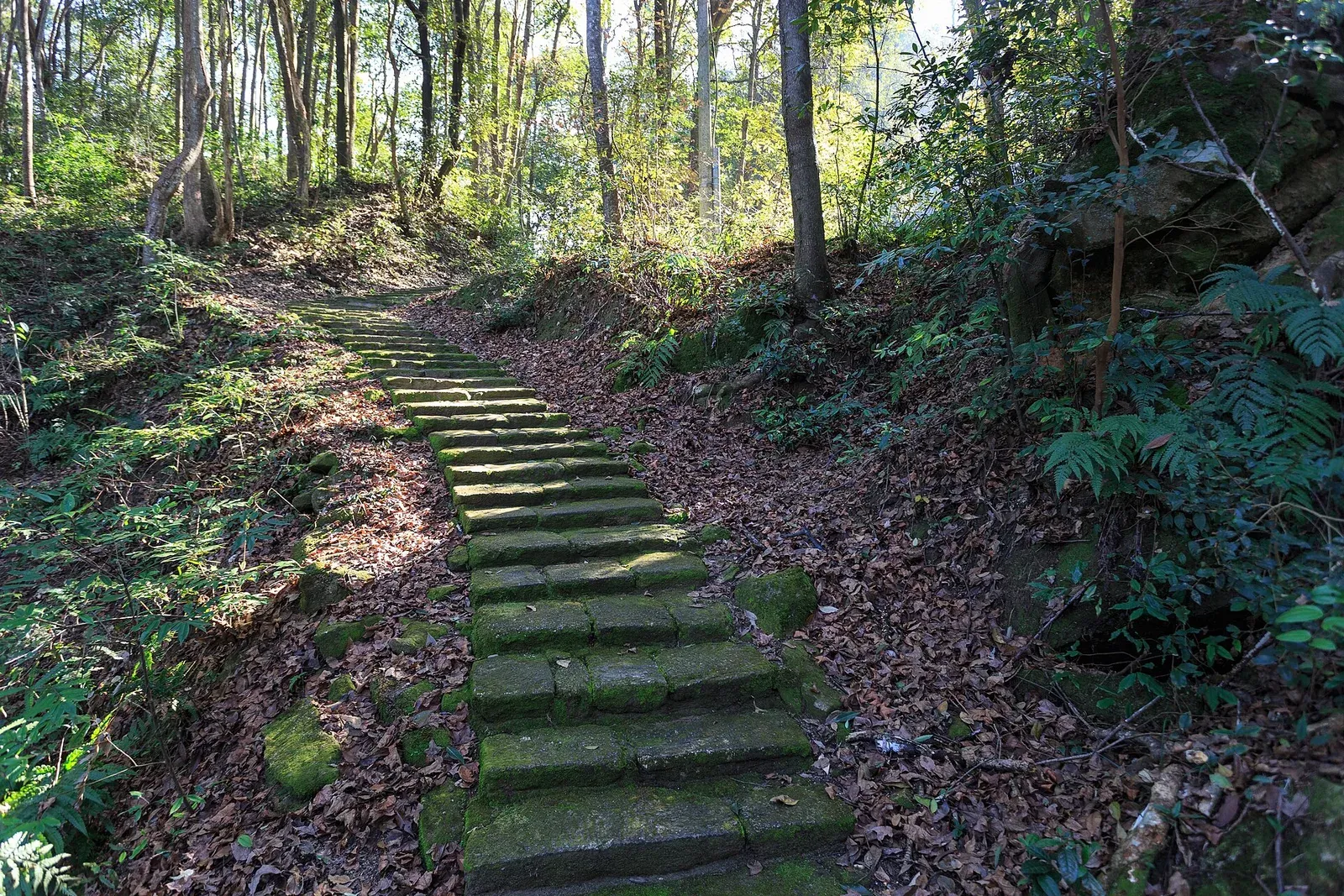
Tip: The path along Mount Gaoling consists of worn stone steps and dirt trails that become slippery in the rain. Wear shoes with dependable grip and watch for uneven pits while exploring the mining sites.
What historic sites are along the Zheling section of the Huirao Ancient Road?
The Zheling section of the Huirao Ancient Road sits along the border between historic Raozhou and Huizhou, passing through Hongguan Village next to Xiuning in Anhui. Hongguan was historically known as the first pass on the Huirao road and retains its section of the ancient Wuyuan post route.
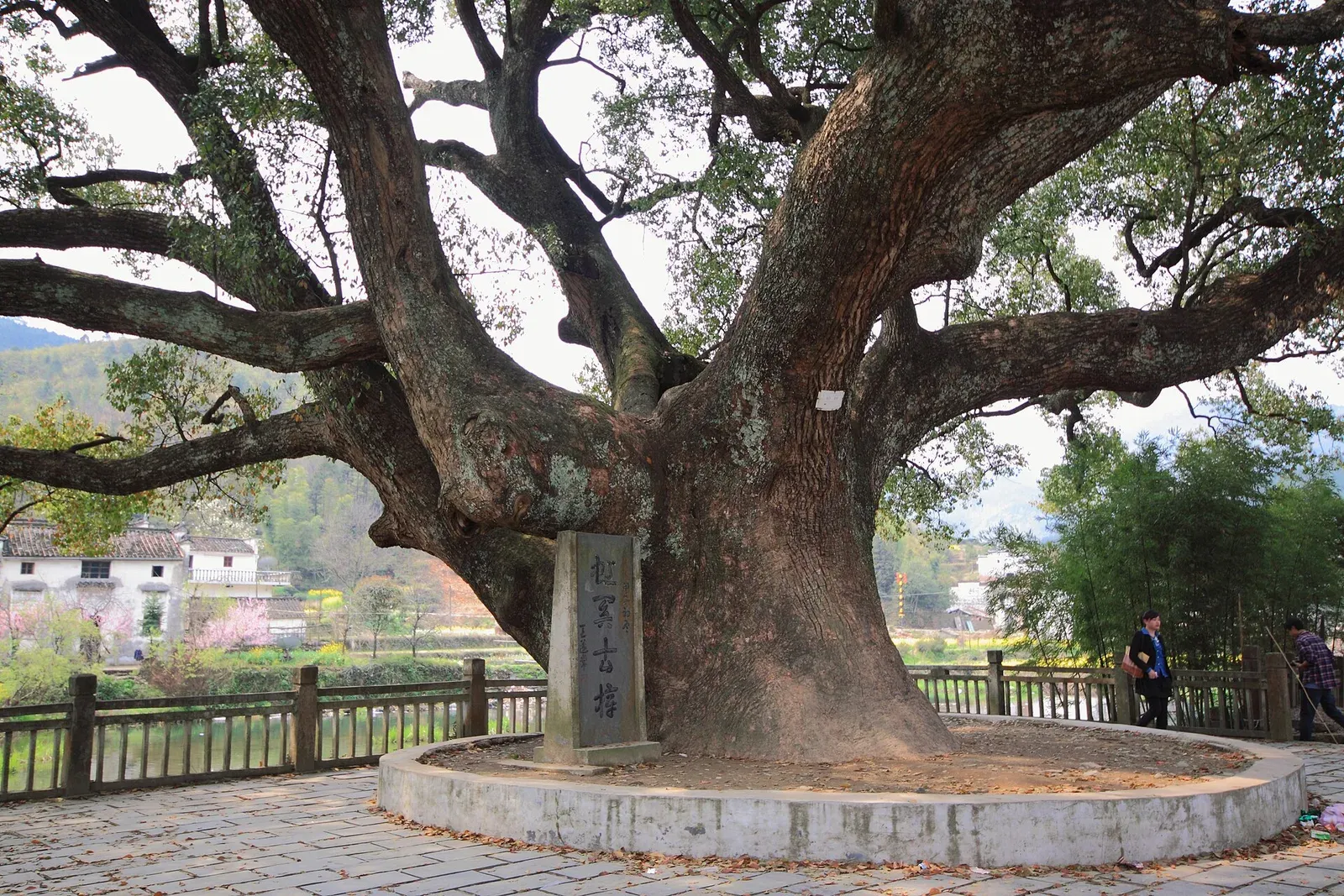
Walking along this trail, you will find a camphor tree over one thousand years old growing in Hongguan Village. Standing 26.1 meters tall with a trunk diameter of 3.4 meters at breast height, it serves as a central landmark for villages along the route.
Once you have chosen your route, finding food and trail supplies is the next step to plan.
Where can you find food and supplies before and after hiking?
The city and the mountain trails offer distinctly different flavors. Downtown specialties include jiaoziba (stuffed rice dumplings), jianshuiba (alkaline rice cakes), and cold tossed rice noodles (lengfen), which are staple breakfast and late-night dishes that make a quick meal before an early departure.
Fuliang County has been famous for tea since ancient times, as noted in the Tang Dynasty poet Bai Juyi's Song of the Pipa: "Last month my merchant left to buy tea in Fuliang." Yaoli produces fragrant green tea, and its local specialty, bitter bamboo tofu (kuzhu doufu), is well known throughout the Jingdezhen area.
Tip: Deep sections of the mountain trails and forest paths have no shops or food stands, so stock up on drinking water and snacks in Yaoli's town center or nearby villages before heading out. You can return to town after your walk to enjoy bitter bamboo tofu and fresh local green tea.
What seasons and hazards should you avoid when hiking?
Jingdezhen has an annual average temperature of 17.4°C, but you should avoid the rainy flood season for mountain walks. April through June brings the heaviest rainfall of the year, accounting for over 46 percent of annual precipitation.
Heavy rain during the peak flood season in May and June frequently triggers flash floods, so check weather alerts closely and stay off the trails during storms. Fuliang County's highest peak is Mount Dazhang along the Wuyuan border, where mountain microclimates shift quickly, so never enter streams or steep valleys on rainy days.
Winter trips require attention to temperature differences and snow. While downtown Jingdezhen sits mostly below 100 meters, Wugujian on the northeastern border with Anhui rises above 1,600 meters and frequently sees snow cover, so confirm road conditions before traveling into the mountains.
Yaoli is about 55 kilometers from downtown Jingdezhen, where taxi base fares start at 8 yuan for the first 2 kilometers. If you want to visit both Yaoli Ancient Town and the Gaoling trails in one smooth trip, Uncle Panda's travel designer can arrange the route, and your driver will handle transportation between the stops.
Sources
Hangzhou-Nanchang High-Speed Railway - Wikipedia
Jingdezhen - Wikipedia
Yaoli Town - Wikipedia
Jingdezhen City - Wikipedia
Fuliang County - Wikipedia
Hongguan Village - Wikipedia
Kaolin - Wikipedia
Sources verified on November 17, 2026
FAQ
How do I reach hiking areas around Jingdezhen by high-speed train?
The Huangshan-Nanchang section of the Hangzhou-Nanchang High-Speed Railway opened on December 27, 2023, cutting the fastest train journey from Nanchang to Jingdezhen to about 50 minutes. After arriving in the city, it is a drive of about 55 kilometers to Yaoli Ancient Town to the northeast.
Is it safe to hike in Yaoli or Mount Gaoling during the rainy season?
Entering the mountains during the rainy season is not recommended. Over 46 percent of Jingdezhen's annual rain falls from April through June, and intense downpours in May and June often lead to flash floods. You should follow weather forecasts closely and stay clear of stormy weather.
What is the connection between the name Kaolin and the Mount Gaoling hiking trail?
The English word Kaolin, an essential porcelain mineral, comes from the romanization of Gaoling Village in Ehu Town, Fuliang County. Today, Mount Gaoling still preserves mining ruins and miners' paths dating from the Yuan to the mid-Qing dynasties.
Will I encounter snow when hiking in the Yaoli mountains in winter?
Yaoli lies in the mountains along the Jiangxi-Anhui border, where extreme winter lows can reach below minus 8°C with thick snow cover. Wugujian on the northeastern border exceeds 1,600 meters in elevation and regularly sees snow, so prepare traction gear and warm layers before heading out in winter.