
China Famous Landmarks: Highlights and Visiting Guide
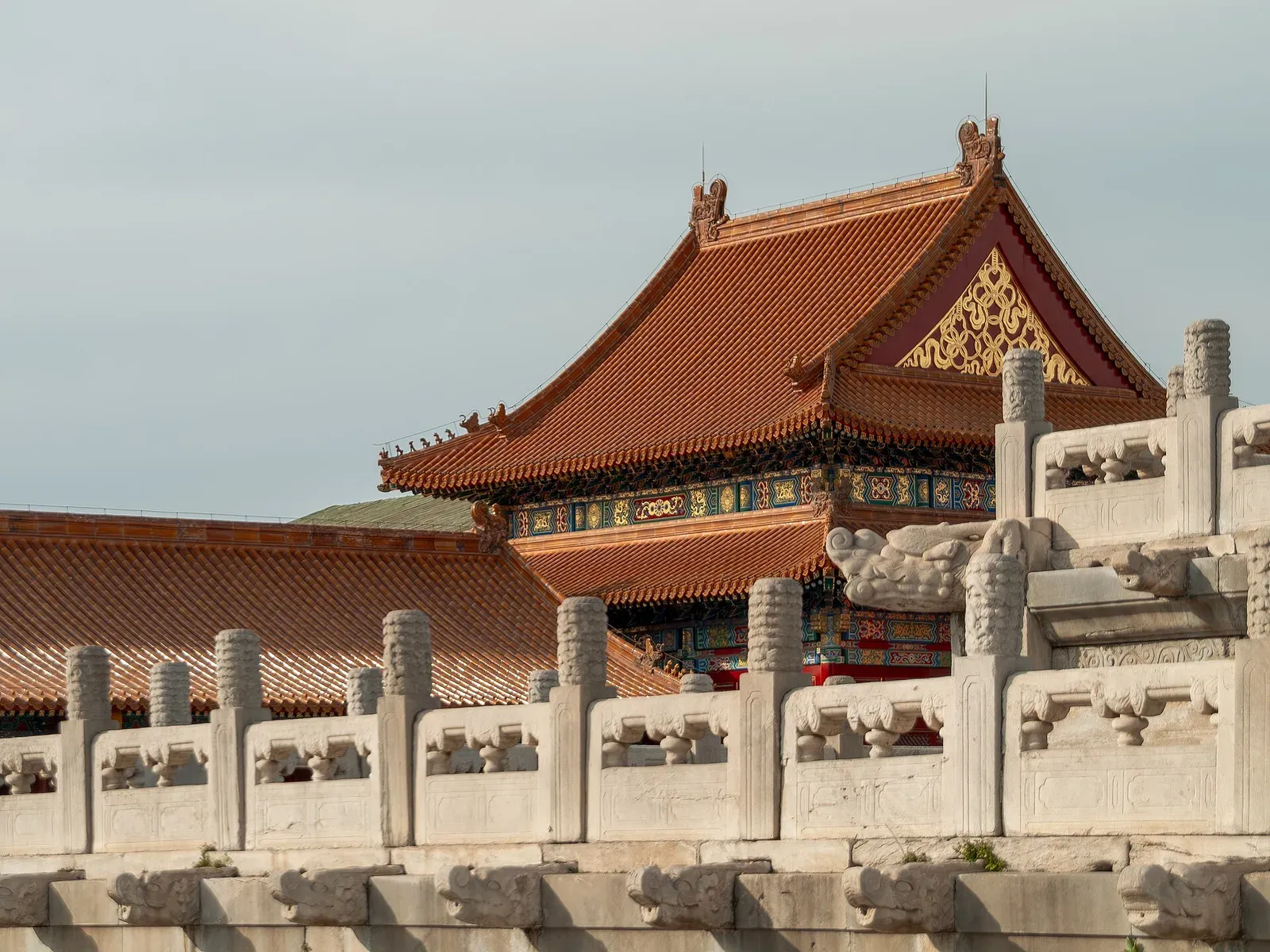
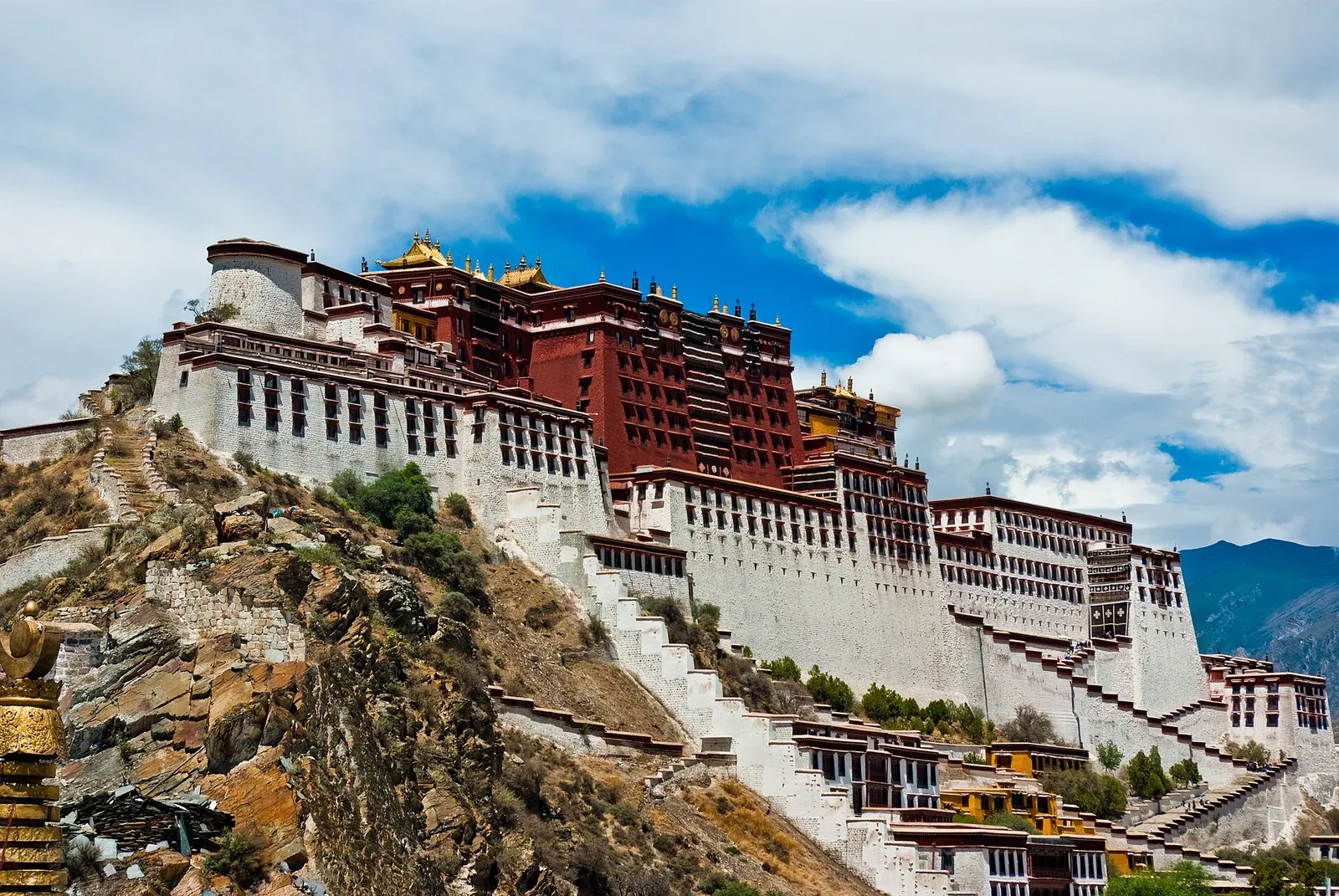
Photo: Reinhold Möller Ermell / Wikimedia Commons, CC BY-SA 4.0
China's famous landmarks span thousands of years of history. The most classic sites center around Beijing, Shaanxi, and Tibet, covering imperial palaces, ancient defense works, imperial tombs, and highland architecture. If you plan a single journey linking Beijing's Forbidden City, Xi'an's Terracotta Army, and Lhasa's Potala Palace, set aside 10 to 14 days. High-speed trains from Beijing West Station (北京西站) to Xi'an North Station (西安北站) take as little as 4 hours and 10 minutes. After arriving in Beijing, international travelers can swipe overseas-issued Mastercard or Visa cards directly at subway gates to begin exploring the ancient capital.
| Landmark | Tickets and Visiting Essentials |
|---|---|
| The Palace Museum | General admission is 60 CNY in peak season and 40 CNY in low season (10 CNY for the Treasure Gallery); book 7 days in advance at 20:00, closed on Mondays; touring the main palaces usually takes about 4 hours |
| Temple of Heaven Park in Beijing | General admission is 15 CNY and combo ticket is 34 CNY in peak season, general admission is 10 CNY and combo ticket is 28 CNY in low season (20 CNY for single tickets to core sights); core sights like the Hall of Prayer for Good Harvests are closed on Mondays |
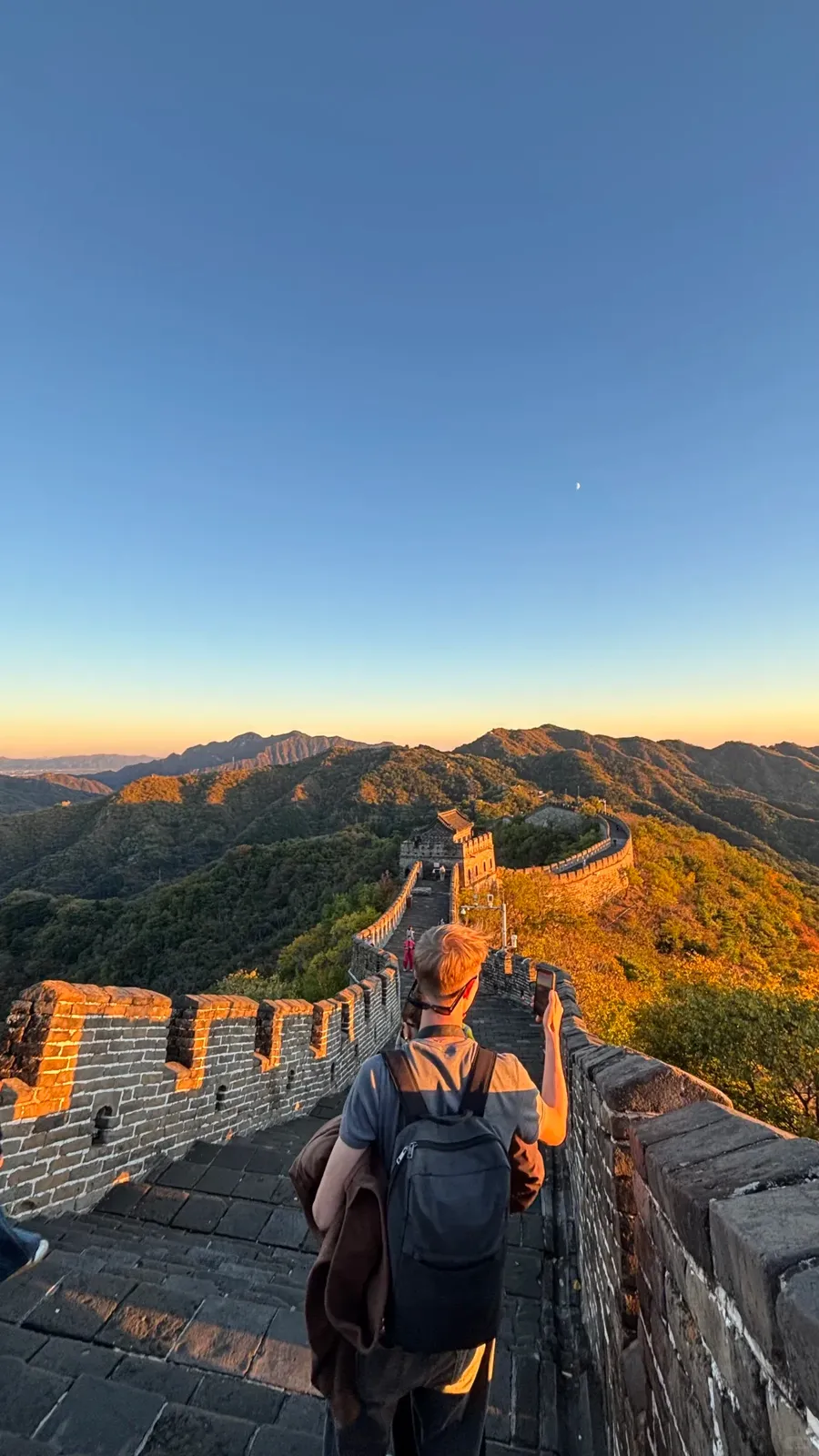
| Mutianyu Great Wall | Real-name booking with one ticket per person, bookable up to 30 days in advance; 07:30 to 18:00 in peak season (until 18:30 on weekends), 08:00 to 17:30 in low season |
| Emperor Qinshihuang's Mausoleum Site Museum | Visiting the Terracotta Army museum and Lishan Garden takes about 1.5 hours each (an audio-guided tour usually takes 3 to 4 hours); free round-trip shuttle buses run between the two sites with a ticket |
| Xi'an City Wall | Walking the full loop around the wall usually takes about 4 hours; try to avoid visiting during summer daytime when the wall has no shade, and the South Gate is illuminated for night tours |
| Potala Palace | No same-day tickets sold, book 10 days in advance via WeChat mini-program or 1 day in advance on-site, closed on Mondays; interior tour takes about 1 hour, and climbing the stairs up and down takes at least 1 hour |
Visiting Beijing for the First Time: How to Plan the Forbidden City, Great Wall, and Temple of Heaven
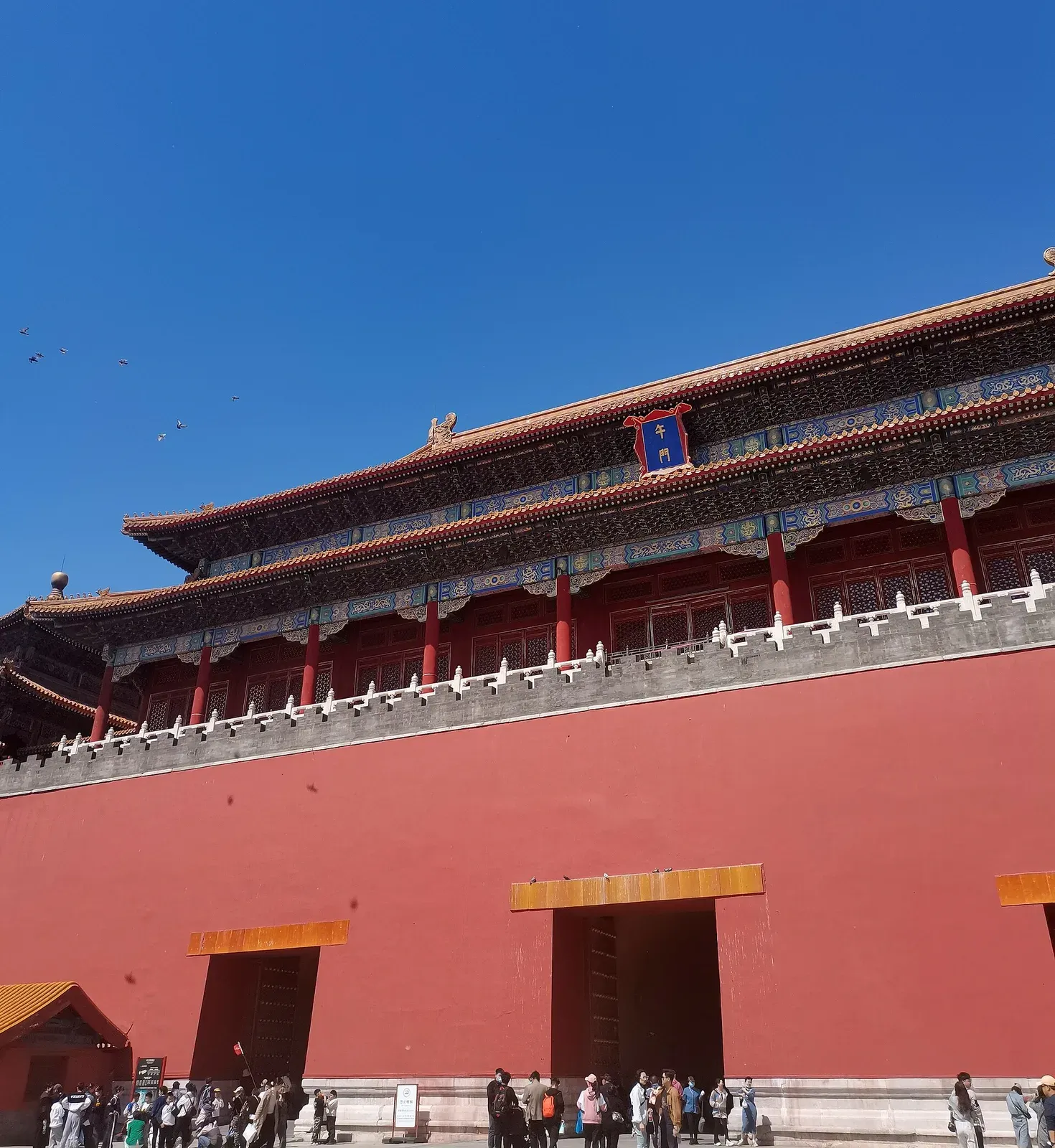
Beijing holds China's densest collection of imperial architectural landmarks. Travel guides note that the Palace Museum, built between 1406 and 1420, is a central site for first-time visitors. Since July 2, 2011, the museum has enforced a one-way route from south to north. The Meridian Gate (Wumen) serves as the only visitor entrance, and after finishing your tour, you exit through the Gate of Divine Prowess (Shenwumen) or East Prosperity Gate (Donghuamen). Touring the main palaces along the central axis usually takes about 4 hours. The walkways are flat, but palace gates feature stone thresholds and steps. Admission requires advance booking, opening as early as 20:00 seven days ahead. Outside of statutory public holidays, it closes every Monday year-round. Visiting the Treasure Gallery, home to the Nine-Dragon Screen, requires an additional 10 CNY ticket beyond general admission.
After exiting through the Gate of Divine Prowess, cross Jingshan Front Street directly opposite to reach the south gate of Jingshan Park. Sitting on the Ming and Qing central axis of Beijing, Jingshan Park was once the highest point in the city. Its Wanchun Pavilion stands at the highest point of Beijing's central axis, offering a full view over the golden palace roofs of the Forbidden City and the city spine. For the Great Wall, the Mutianyu section requires real-name advance booking. You can reserve up to 30 days ahead, with one ticket per person for both individual travelers and tour groups. During peak season, opening hours are 07:30 to 18:00 from Monday to Friday, and 07:30 to 18:30 on Saturdays and Sundays. In the low season, hours run from 08:00 to 17:30. Ticket sales stop 1 hour before closing, and ticket checks end 30 minutes before closing.
At the Temple of Heaven Park, the park gates open from 6:00 to 22:00 (last entry at 21:00) during peak season, and from 6:30 to 22:00 in low season. Core attractions like the Hall of Prayer for Good Harvests, Echo Wall, and Circular Mound Altar close on Mondays, except on statutory public holidays. A separate ticket for these core attractions costs 20 CNY. International visitors can book via the official WeChat account using a foreign permanent resident ID card or passport. For transit, the park's East Gate sits next to Exit A of Tiantan Dongmen Station on Metro Line 5, while the West Gate is near Exit C of Tianqiao Station on Line 8. By the end of 2025, Beijing's rail transit network reached 30 lines and 909 kilometers. Fares start at 3 CNY per trip for the first 6 kilometers, offering clear pricing and accepting direct taps at turnstiles with overseas Mastercard, Visa, and UnionPay QuickPass cards.
Tip: The Palace Museum and the core attractions of the Temple of Heaven (the Hall of Prayer for Good Harvests, Echo Wall, and Circular Mound Altar) are closed on Mondays outside statutory holidays. Schedule central axis monuments between Tuesday and Sunday, and use Monday for the Great Wall, which stays open.
Exploring Xi'an on the Silk Road: How to Pace the Terracotta Army and City Wall
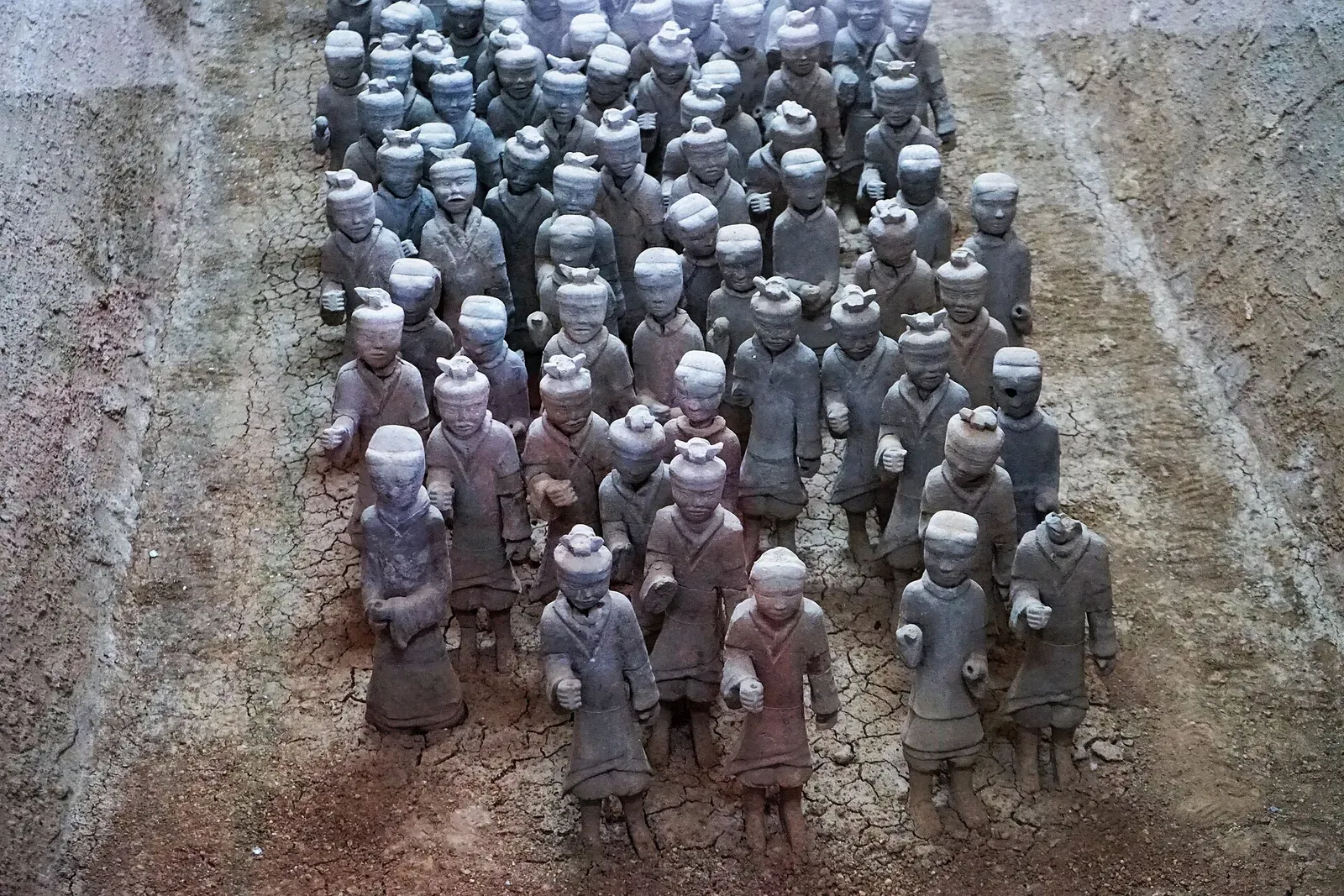
The Mausoleum of the First Qin Emperor and its Terracotta Warriors were listed as a UNESCO World Heritage Site in 1987, serving as a signature landmark in Xi'an at the start of the ancient Silk Road. Local farmers in Lintong discovered the site in 1974. Estimates suggest that the three main pits hold over 8,000 pottery soldiers, 130 chariots, 520 chariot horses, and 150 cavalry horses. Today, the excavation sites and excavated figures in Pits 1, 2, and 3 are open to visitors. The museum sits about 37.5 kilometers from central Xi'an, roughly a 1-hour drive. The site consists of the Terracotta Warriors Museum and Lishan Garden, each requiring around 1.5 hours. Ticket holders can ride a free shuttle bus between the two areas. Walking distances inside the pit exhibition halls are long, so touring with an audio headset typically takes 3 to 4 hours. Emperor Qinshihuang's Mausoleum Site Museum requires real-name advance booking. During peak season, ticketing and opening run from 8:30 to 17:00, with closing at 18:30. In low season, ticketing runs from 8:30 to 16:30, with closing at 18:00.
In urban Xi'an, key landmarks include the Xi'an City Wall and the Giant Wild Goose Pagoda. The existing City Wall has a perimeter of 13.74 kilometers, stands 12 meters high, and measures 15 to 18 meters wide at the base. Its foundation was rammed with a composite mortar of lime, earth, and sticky rice, and the outer parapet features 5,984 battlements. The four main gates built in the Ming Dynasty that survive today are Yongning Gate (South Gate), Anyuan Gate (North Gate), Changle Gate (East Gate), and Anding Gate (West Gate). Travel guides point out that midday summer heat and sun are intense, so you should avoid walking on the unshaded wall in the middle of the day. Evening visits to see the illuminated South Gate are also widely suggested. Giant Wild Goose Pagoda stands inside Da Ci'en Temple, built in 652 during the reign of Emperor Gaozong of Tang by Xuanzang to preserve Buddhist scriptures and statues brought back from his western journey. It survives today as a seven-story square brick pagoda.
For public transit, Xi'an Bus Tourist Line 5 (Bus 306) links Fangzhicheng Transit Hub with the Terracotta Army, running from 8:10 to 19:00 with a starting fare of 2 CNY and a full fare of 5 CNY. Connecting the city with transit hubs, Xi'an Metro Line 14 operates between Beikezhan (North Square) Station and Airport West Station, taking about 40 minutes one way. In our Beijing, Xi'an & Shanghai 14-Day Private Tour, Slow Pace itinerary, the slower Xi'an route dedicates one full day to the eastern Lintong sights (the Terracotta Army and Huaqing Palace). Urban highlights are spaced across other days, combining the city wall morning market, Bell and Drum Towers, Yongxingfang, the Giant and Small Wild Goose Pagodas, and the Grand Tang Mall, with a daily step count of roughly 9,500 to 10,500 steps.
Tip: Complete your real-name booking for the Terracotta Army through official channels as early as possible. Individual travelers taking Bus Tourist Line 5 board at Fangzhicheng Transit Hub. In summer, walk the city wall in the early morning or evening from Yongning Gate (South Gate) to avoid the midday heat and catch the illuminated gate tower at night.
Visiting Highland Lhasa: What Are the Rules for the Potala Palace and Jokhang Temple?
The Potala Palace stands on Red Hill in the center of the Lhasa River valley at an altitude of about 3,700 meters. The 13-story complex contains over 1,000 rooms, 10,000 shrines, and around 200,000 Buddhist statues, rising 119 meters above the hillside as Tibet's iconic architectural treasure. The palace opens at 09:30 and closes at 15:40. Same-day tickets are not sold. All visitors need a real-name reservation and facial recognition, booking 10 days in advance via the WeChat mini-program or 1 day in advance on-site. It closes every Monday. Travel guides note that touring the interior usually takes about 1 hour, while climbing up and down the steps requires at least 1 hour. Because the visit involves steep stone staircases at high altitude, visitors should only tour the palace after fully adjusting to Lhasa's climate.
Another core religious landmark, Jokhang Temple, was built in the 7th century during the reign of Tibetan King Songtsen Gampo. It houses the life-sized statue of the 12-year-old Shakyamuni Buddha (Jowo Rinpoche) brought from Chang'an by Princess Wencheng, the most revered sacred relic in Tibet. For local travel in downtown Lhasa, regular city buses cost 1 CNY. Lhasa Gonggar Airport is located 61 kilometers southwest of the urban center, reachable in about 40 to 60 minutes along a 4-lane expressway, with airport shuttle buses costing 25 CNY one way.
Tip: Under current regulations, non-Chinese passport holders traveling to Lhasa, Tibet, need a Tibet Travel Permit (special permit) in advance. Visitors are accompanied by a licensed agency guide throughout their time in Tibet, and the guide meets you upon arrival at the airport or train station. Independent travel without an organized tour group is not permitted for foreign travelers within Tibet.
Connecting the Cities: How to Travel from Beijing to Xi'an and Lhasa
Connecting the landmark hubs of Beijing, Xi'an, and Lhasa creates a classic overland and flight route through China's ancient capitals and high plateau. High-speed rail connects Beijing and Xi'an efficiently. Trains from Beijing West Station to Xi'an North Station take between 4 hours 10 minutes and 6 hours 45 minutes, offering frequent departures, high on-time reliability, and the first choice for overland travel between the two cities.
| Intercity Route | Transport and Stations | Travel Time |
|---|---|---|
| Beijing to Xi'an | High-speed railway from Beijing West Station to Xi'an North Station | Travel time is about 4 hours 10 minutes to 6 hours 45 minutes |
| Beijing to Lhasa | T27/28 Tibet train departing from Beijing West Station (Qinghai-Tibet Railway) | Full journey travel time is about 44 hours |
Route options: If you have ample vacation time and want to watch the shifting plateau landscapes, take the Qinghai-Tibet Railway train directly from Beijing West Station to Lhasa. If you prefer to minimize travel fatigue and save your energy for exploring highland sights, take the high-speed train from Beijing to Xi'an, and then fly to Lhasa Gonggar Airport, allowing plenty of time to rest after landing.
First Time Visiting Famous Landmarks in China? Common Mistakes to Avoid
| Commonly Overlooked Details | Regulations and Visiting Facts |
|---|---|
| Overlooking Monday closure rules at attractions | The Palace Museum, core Temple of Heaven sights (Hall of Prayer for Good Harvests, Echo Wall, Circular Mound Altar), and Potala Palace are closed on Mondays except on statutory holidays |
| Assuming tickets can be bought on-site at any time | The Palace Museum can be booked at the earliest 7 days in advance at 20:00; Potala Palace sells no same-day tickets, requiring booking 10 days in advance via WeChat mini-program or 1 day in advance on-site |
| Planning to visit Tibet without a permit as a non-Chinese traveler | According to current regulations, non-Chinese travelers visiting Lhasa in Tibet must obtain a Tibet Travel Permit beforehand, and must be accompanied throughout their stay in Tibet by a licensed guide arranged by a travel agency |
| Cramming the Terracotta Army and Xi'an urban sights into the same day | The Terracotta Army is about 37.5 kilometers from the city center; it is recommended to set the Terracotta Army and Huaqing Palace on a separate day, and visit the City Wall and Giant Wild Goose Pagoda on different days in the city |
Tip: Every site with real-name reservations verifies the original ID used during booking at entry. International travelers need to carry their original valid passport (along with the original Tibet Travel Permit when traveling in Tibet). Do not rely on phone screenshots or photocopies at ticket gates.
Sources
How to Buy Tickets
Emperor Qinshihuang's Mausoleum Site Museum
The Palace Museum
Terracotta Army - Wikipedia
Palace Museum Ticketing Policy - The Palace Museum
Visitor Guidelines - The Palace Museum
Xi'an City Wall - Wikipedia
Giant Wild Goose Pagoda - Wikipedia
Beijing, Xi'an & Shanghai 14-Day Private Tour, Slow Pace
Jingshan Park - Wikipedia
Jingshan Park
Visitor Guide - The Palace Museum
Mutianyu Great Wall Official Website
Temple of Heaven
Beijing City Guide: Seasons, Transit, Sights, and Tips
Official Website of the Potala Palace
Potala Palace - Wikipedia
Jokhang - Wikipedia
Terracotta Army - Wikipedia
Xi'an Travel Guide: Terracotta Army & Ancient City Wall
Fortifications of Xi'an - Wikipedia
Sources verified on November 18, 2026.
FAQ
What are the opening hours and booking rules for the Mutianyu Great Wall?
Mutianyu Great Wall enforces real-name ticketing with advance reservations up to 30 days ahead. Each ID can purchase only one ticket per day, with one ticket per person required for both individual travelers and tour groups. During peak season, opening hours are 07:30 to 18:00 Monday through Friday, and 07:30 to 18:30 on Saturdays and Sundays. Low season hours run from 08:00 to 17:30. Ticket sales end 1 hour before closing, and ticket checks close 30 minutes before closing.
How many days in advance do you need to book the Palace Museum, and can you buy tickets on-site?
The Palace Museum has removed on-site ticket windows for general visitors. Admission requires advance booking, opening as early as 20:00 seven days before the visit date. Outside statutory holidays, the museum closes every Monday year-round, and all visitors enter strictly one-way through the Meridian Gate.
How long does it take to visit the Terracotta Army, and how do you get there from downtown Xi'an?
Emperor Qinshihuang's Mausoleum Site Museum comprises the Terracotta Warriors Museum and Lishan Garden, each taking about 1.5 hours to visit. Ticket holders can ride the free shuttle between the two sites, and touring the pits with an audio guide usually takes 3 to 4 hours. By public transit, take Bus Tourist Line 5 (Bus 306) directly from Fangzhicheng Transit Hub to the museum for 5 CNY.
Can international travelers visit the Potala Palace in Lhasa independently?
Under current regulations, non-Chinese passport holders cannot travel independently in Lhasa, Tibet. A Tibet Travel Permit is required beforehand, and travelers are accompanied by a licensed agency guide throughout the trip, with the guide meeting you upon arrival at the airport or train station. The Potala Palace sells no same-day tickets, requiring reservations 10 days ahead via WeChat mini-program or 1 day ahead on-site, and closes every Monday.