
Where to Experience Ethnic Tribes of China
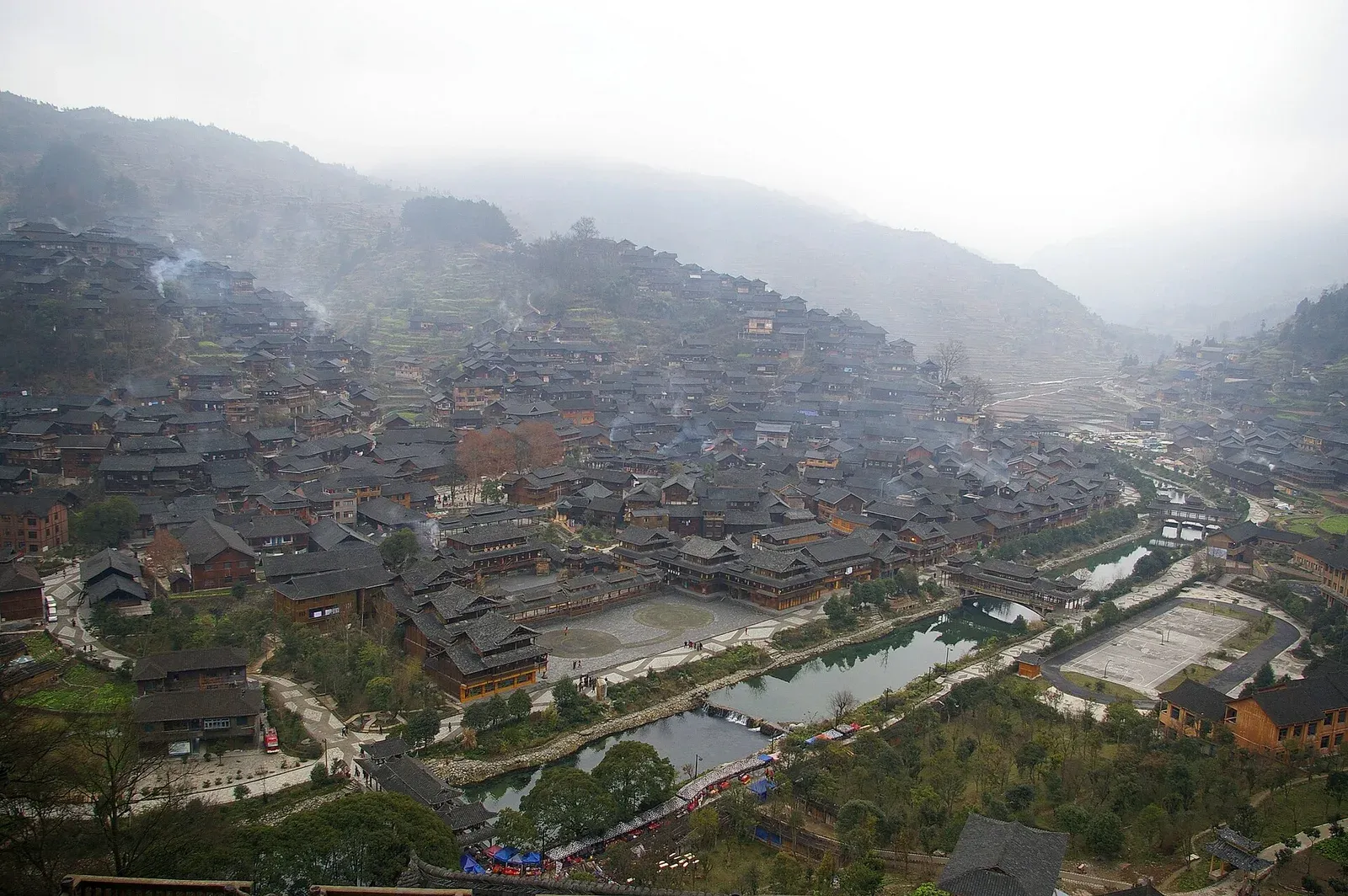
Photo: 杨志强Zhiqiang / Wikimedia Commons, CC BY-SA 3.0
To experience the ethnic tribes of China, the primary destinations are Qiandongnan Miao and Dong Autonomous Prefecture in Guizhou, Longsheng Various Nationalities Autonomous County in Guilin, Guangxi, and Xishuangbanna Dai Autonomous Prefecture in Yunnan. Ethnic minorities make up 79.07% of the permanent population in Qiandongnan. Zhaoxing Dong Village in Liping County and Basha Miao Village in Congjiang County preserve their drum towers and traditional customs. The Longji Rice Terraces in Longsheng feature hillside villages of the Red Yao, while Xishuangbanna is home to Dai, Hani, and Jino settlements.
| Village or Attraction | Ethnic Group and Cultural Features |
|---|---|
| Zhaoxing Dong Village | Five drum towers and wind-and-rain bridges |
| Basha Miao Village | Villagers legally hold traditional hunting rifles |
| Huangluo Yao Village | Certified in 2002 for the longest collective hair |
| Manzhang Village | Slow-wheel pottery and Dai brocade weaving |
Qiandongnan, Guizhou: How to experience Miao and Dong cultures in Zhaoxing and Basha?
Kaili is the capital of Qiandongnan Miao and Dong Autonomous Prefecture, where the Miao make up 42.11% of the population and the Dong make up 29.03%. Zhaoxing Dong Village in Liping County is often called the first village of the Dong region. It is organized into five clan sections named Ren, Yi, Li, Zhi, and Xin (benevolence, righteousness, courtesy, wisdom, and trust), with five drum towers bearing the same names. Dong drum towers are built with mortise-and-tenon joinery using Chinese fir timbers, completely without nails or rivets. Local tradition speaks of the three treasures of the Dong: the Grand Song, drum towers, and wind-and-rain bridges. A local saying also notes that wherever there is a Dong village, there is a drum tower.
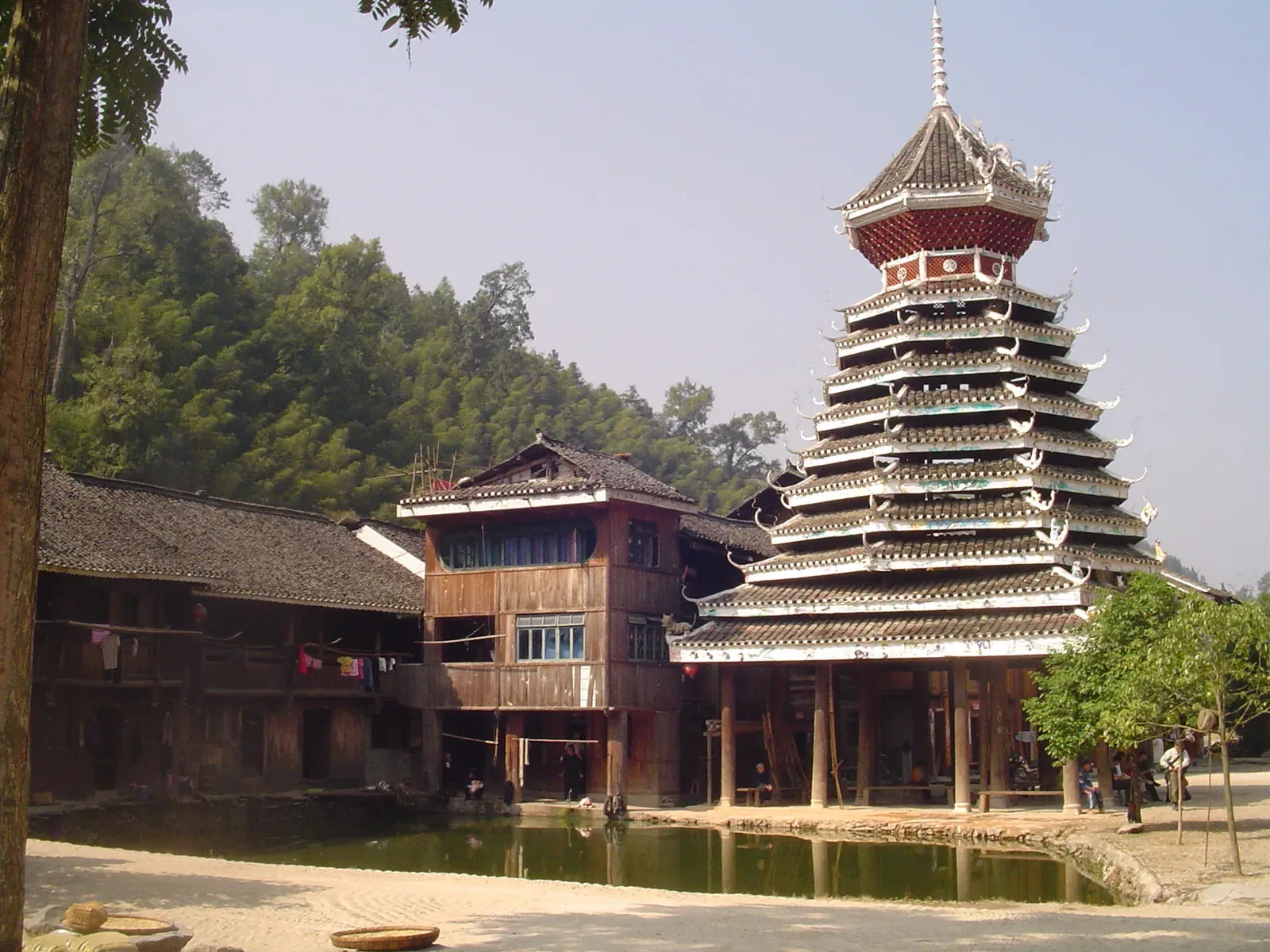
Zhaoxing Dong Village regularly hosts folk activities such as gate-welcoming ceremonies, drum tower singing, moonlit courting, and bonfires. The Grand Song of the Dong is a folk choral style performed in multiple parts with natural harmony, without a conductor or musical accompaniment. It is known for its low choral foundation supporting a high solo voice, and UNESCO inscribed it on the Representative List of the Intangible Cultural Heritage of Humanity in 2009. After dark, you can sit beside the fire pit inside a drum tower and listen to this a cappella polyphonic singing up close.
Basha Miao Village in Bingmei Town, Congjiang County, lies about 6 kilometers south of the county seat. Villagers here hold special approval from public security authorities to legally keep traditional hunting rifles for annual folk performances, earning Basha the reputation of China's last gunslinger tribe. If you want to see Dong mortise-and-tenon timber architecture and choral Grand Songs, head to Zhaoxing Dong Village in Liping County. If you want to watch the legal hunting rifle folk performance, visit Basha Miao Village in Congjiang County.
Longsheng, Guilin: What Red Yao customs can you see at Longji and Huangluo?
Longsheng Various Nationalities Autonomous County under Guilin is mainly home to Miao, Yao, Zhuang, and Dong peoples. The Longji Rice Terraces in Longji Town lie about 100 kilometers from Guilin, carved along hillsides between 600 and 800 meters above sea level. The Red Yao women of Longji Town have a long tradition of keeping their hair long as a symbol of beauty, reaching an average adult hair length of 1.7 meters. In 2002, Huangluo Yao Village in the Longji area was certified for having the world's longest hair group.
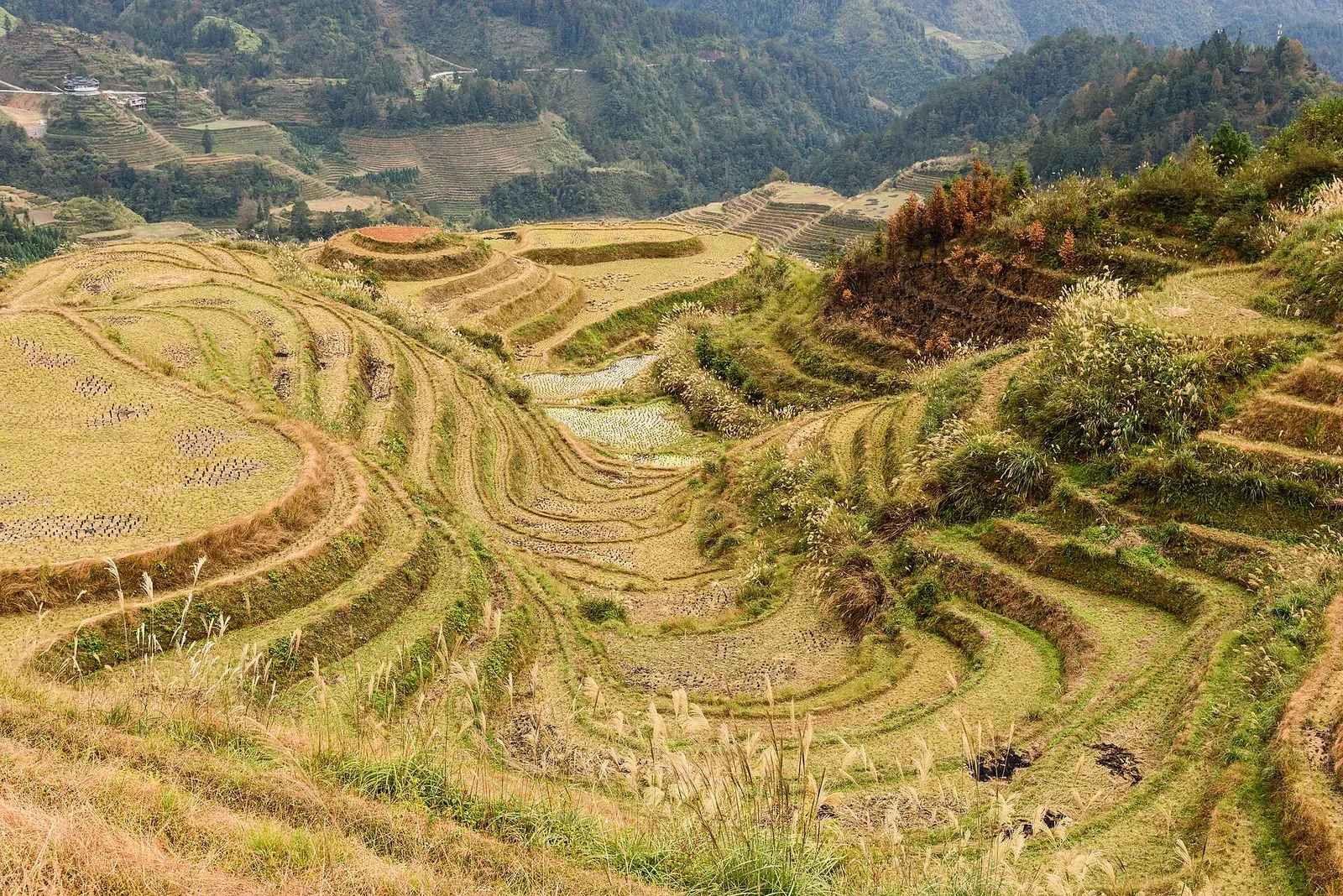
The Red Yao are named for their reverence for red, with women wearing bright red upper garments. The most prized traditional garment, known as the patterned jacket, takes about a year of handcrafting to complete. In Huangluo Yao Village, you can watch Red Yao women dressed in bright red show their hair-combing rituals and embroidered jacket needlework.
Xishuangbanna, Yunnan: How to visit Dai, Hani, and Jino settlements?
Xishuangbanna Dai Autonomous Prefecture covers 19,096 square kilometers with a permanent population of 1.3014 million, and Jinghong is its capital. The Dai people make up about 25% of the population. In the Tai Lue language, Xishuangbanna means twelve thousand rice fields: Xishuang means twelve, ban means thousand, and na is an administrative unit for rice fields. The Dai New Year, known as the Water Splashing Festival, takes place each year from April 13 to 15 on the Gregorian calendar. The three-day festival includes water splashing for blessings, dragon boat races, and flying sky lanterns.
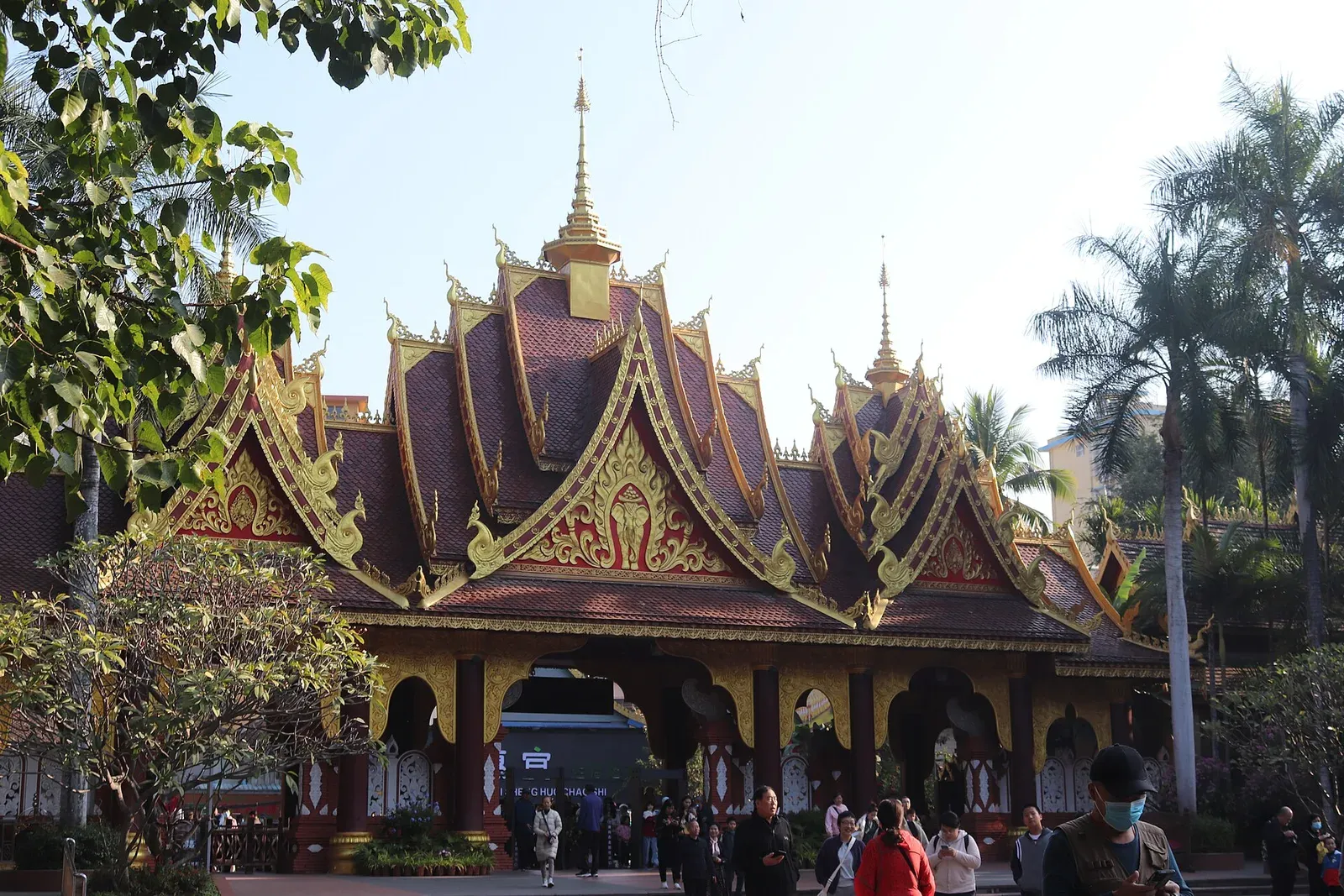
Manting Park, on the south side of Jinghong, was once the imperial garden of Dai kings and has a history of nearly 1,300 years. It sits right next to the General Buddhist Temple. Tickets cost around 50 yuan, and city bus Route 3 goes straight there. Tickets to the Dai Minority Park are around 45 yuan (or around 68 yuan including the sightseeing shuttle), with three scheduled water-splashing sessions daily at 11:00, 13:30, and 15:30. Manzhang Village has a history of about 500 years and offers intangible cultural heritage workshops like slow-wheel pottery, Dai brocade weaving, and paper-making with mulberry bark, with activities usually costing between 10 and 20 yuan each.
| Attraction or Village | Ticket or Activity Price |
|---|---|
| Manting Park | Tickets around 50 yuan |
| Dai Minority Park | Tickets around 45 yuan (around 68 yuan with shuttle) |
| Manzhang Village | Activity price 10 to 20 yuan each |
Nannuo Mountain is in Gelanghe Hani Township, Menghai County, along the road between Jinghong and Menghai, about 24 kilometers from Menghai's county town. Banpo Old Village sits halfway up Nannuo Mountain between 1,550 and 1,650 meters above sea level. It is an entirely Hani village, where the Hani name Chaoxiang means a place where you can hear the waterfall. At places like the Heiniu ancient tea garden on the highest peak of Duoyi Village, you can carry a bamboo basket up the slopes with Hani villagers to pick fresh leaves, then try pan-frying and sun-drying tea yourself. Local village restaurants serve Hani dishes such as chicken porridge, smoked dried beef, salt-and-chili fruit fish, and scrambled eggs with tea leaves.
The Jino people were officially recognized as China's 56th distinct ethnic group in June 1979. Found only in Yunnan, they mainly live in Jino Mountain Jino Township in Jinghong, Xishuangbanna. Jino men and women wear large earrings from a young age, believing the size of the earlobe hole reflects industriousness. Women wear signature pointed triangular hoods along with collarless, long-sleeved jackets over black skirts trimmed with red.
What etiquette should you keep in mind during ethnic folk activities?
When taking part in folk activities across ethnic minority villages, you should respect local daily customs and etiquette rules. During Dai water splashing events in Xishuangbanna, pay attention to proper dress and whom you splash.
Tip: Wear dark quick-drying clothes and slip-resistant shoes for water splashing; local custom forbids splashing water on older adults, pregnant women, and young children.
Sources
Longsheng Rice Terraces - Wikipedia
Xishuangbanna Dai Autonomous Prefecture - Wikipedia
Nannuo Mountain - Baidu Baike
Tea Travel: Ancient King Tree in Banpo Old Village - Wen Wei Po
Qiandongnan Miao and Dong Autonomous Prefecture - Wikipedia
Dong Drum Tower - Wikipedia
Grand Song of the Dong - Wikipedia
Congjiang County - Wikipedia
Red Yao - Wikipedia
Longsheng Various Nationalities Autonomous County - Wikipedia
Jino People - Wikipedia
Sources verified on November 17, 2026
FAQ
What are the musical features of the Dong Grand Song?
The Grand Song of the Dong is a folk choral tradition sung in multiple parts with natural harmony, without a conductor or musical accompaniment. It is known for its low choral foundation supporting a high solo voice, and UNESCO inscribed it on the Representative List of the Intangible Cultural Heritage of Humanity in 2009.
Why is Basha Miao Village called the gunslinger tribe?
Villagers in Basha Miao Village in Bingmei Town, Congjiang County, Guizhou hold special approval from public security authorities to legally keep traditional hunting rifles for annual folk performances, earning Basha the title of China's last gunslinger tribe.
What record is held by the long hair custom in Huangluo Yao Village?
The Red Yao women in Longji Town, Longsheng, Guilin have a tradition of growing long hair as a sign of beauty, with adult women averaging 1.7 meters in hair length. In 2002, Huangluo Yao Village in Longji was certified for having the world's longest hair group.
What are the features of traditional Jino dress in Xishuangbanna?
Jino men and women wear large earrings from a young age, believing that the size of the earlobe hole shows how hardworking they are. Women wear pointed triangular hoods and collarless, long-sleeved jackets over black skirts with red trim.