
How to Visit Liaoning: Shenyang, Dalian and Dandong
Travel through Liaoning, China centers on three key cities: the provincial capital Shenyang, coastal Dalian, and border Dandong. Shenyang features the Mukden Palace, built in 1625. Dalian boasts Xinghai Square, covering 1.76 million square meters. Dandong preserves the Yalu River Broken Bridge, measuring 944.2 meters in total length. Together, these cities showcase early Qing imperial palaces, Liaodong Peninsula coastal scenery, and historic border sites along the river.
| City | Iconic Sites and Facilities | Key Historical and Scale Data | Location and Characteristics |
|---|---|---|---|
| Shenyang | Mukden Palace Museum | Built in 1625, covers around 60,000 square meters, listed as World Heritage in July 2004 | At No. 171 Shenyang Road in Shenhe District near Zhongjie metro station, served as Shengjing Imperial Palace and temporary palace |
| Dalian | Xinghai Square | Covers 1.76 million square meters, features the Centennial Sculpture and 1,000 footprint reliefs | In Shahekou District facing Xinghai Bay, average annual temperature of 8 to 11 degrees Celsius, warmest area in Northeast China |
| Dandong | Yalu River Broken Bridge | Originally a 12-span opening railway bridge, 944.2 meters long and 11 meters wide, retains 4 spans | On Jiang'an Road along the Yalu River in Zhenxing District, opened in October 1910, bombed in November 1950 |
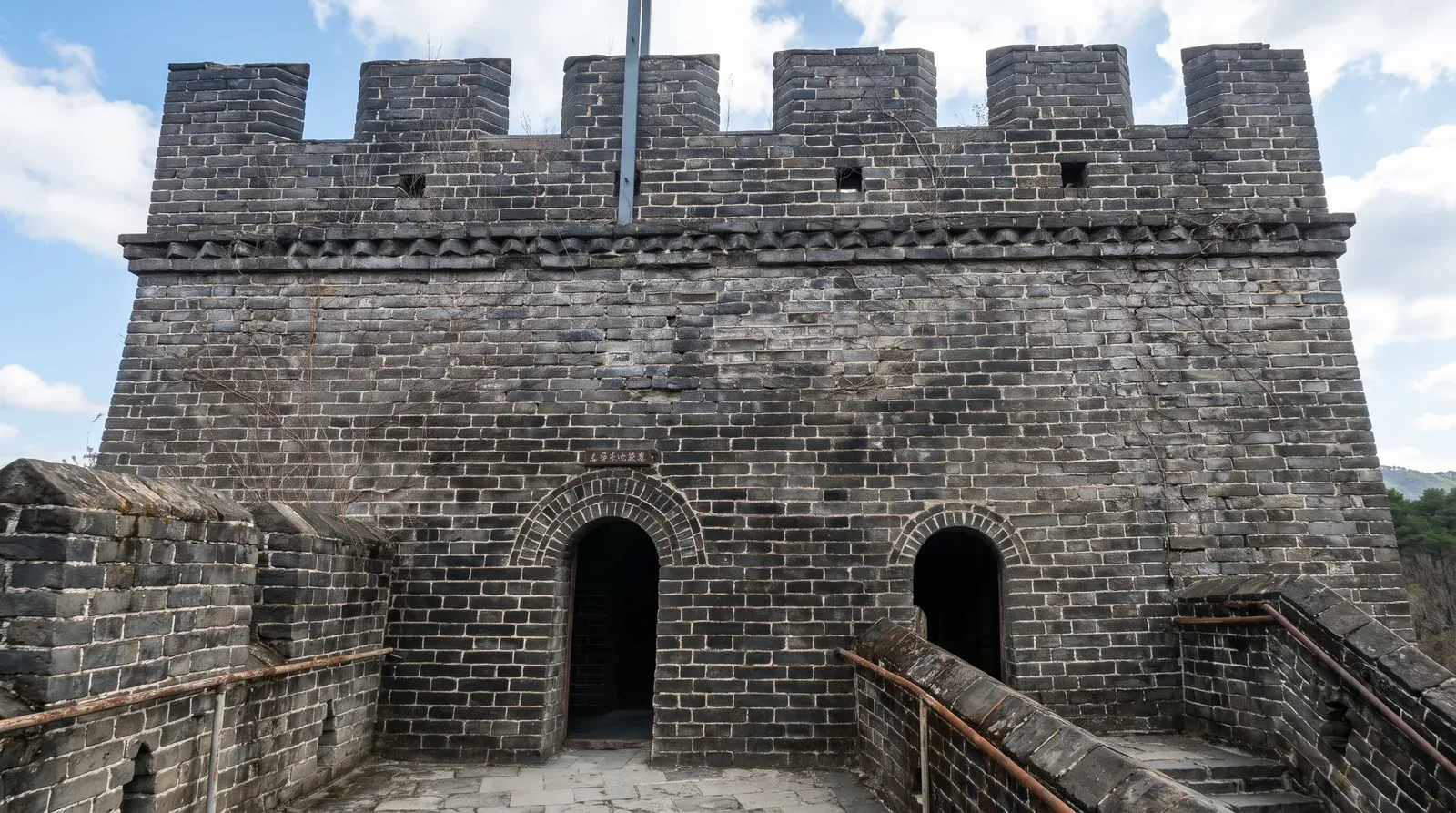
| Dandong | Hushan Great Wall | Main peak reaches 146.3 meters, incorporated into the Major Historical and Cultural Site Great Wall project in 2013 | In Hushan Village, Kuandian Manchu Autonomous County, about 20 km from downtown Dandong, eastern start of the Ming Great Wall |
What Architectural Features and History Define Mukden Palace?
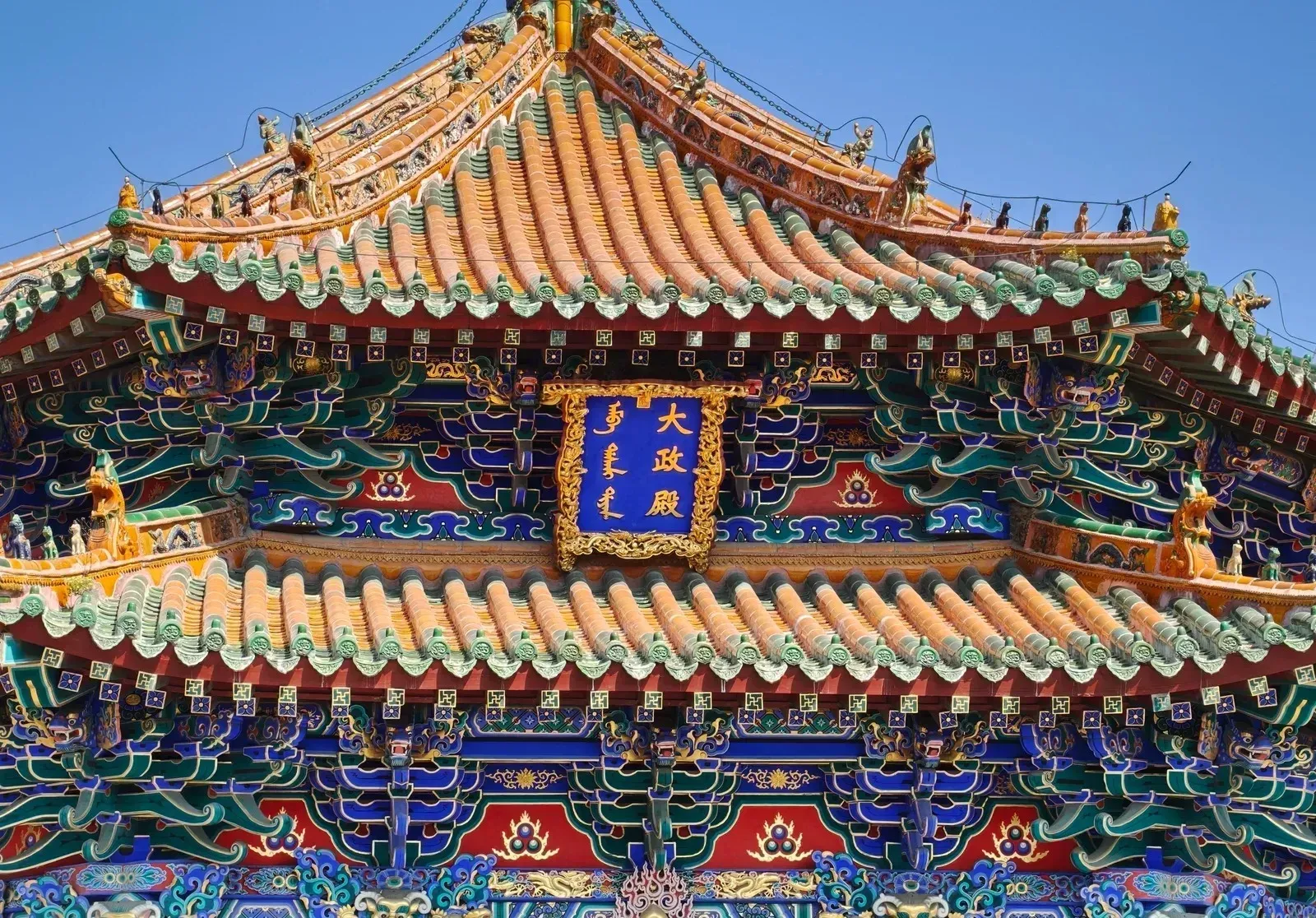
Mukden Palace served as the imperial palace before the Qing dynasty moved its capital to Beijing, after which it became a secondary palace. Built in 1625, the complex covers about 60,000 square meters. It sits at No. 171 Shenyang Road in Shenhe District, Shenyang, close to Zhongjie metro station. In July 2004, UNESCO added it to the World Heritage List as an extension of the Imperial Palaces of the Ming and Qing Dynasties in Beijing and Shenyang.
The entire palace is organized into eastern, central, and western sections, blending several ethnic architectural styles. In the eastern section, Dazheng Hall and the Ten Kings Pavilions follow the layout of nomadic military tents of the Eight Banners. The central section reflects the Manchu tradition of building residences higher than ceremonial halls. The western section and secondary residences use Han-style architecture. Inside the Daqing Gate, Chongzheng Hall served as the main throne hall where Hong Taiji conducted state affairs and later Qing emperors held court during ancestral inspection tours.
What Are the Climate and Highlights of Xinghai Square in Dalian?
Dalian sits at the southern tip of the Liaodong Peninsula between the Yellow Sea and Bohai Sea. Known as the Northern Pearl and the City of Romance, it has a mild climate. Its average annual temperature ranges from 8 to 11 degrees Celsius, with annual precipitation between 550 and 1,000 millimeters. August is the warmest month and January is the coldest, making it the warmest region in Northeast China.
Xinghai Square serves as Dalian's signature public space in Shahekou District. Spanning 1.76 million square meters, it faces Xinghai Bay to the south. Inside the square, visitors find the Centennial Sculpture and a relief pathway cast from 1,000 actual human footprints.
What History Is Preserved at the Broken Bridge and Hushan Great Wall?
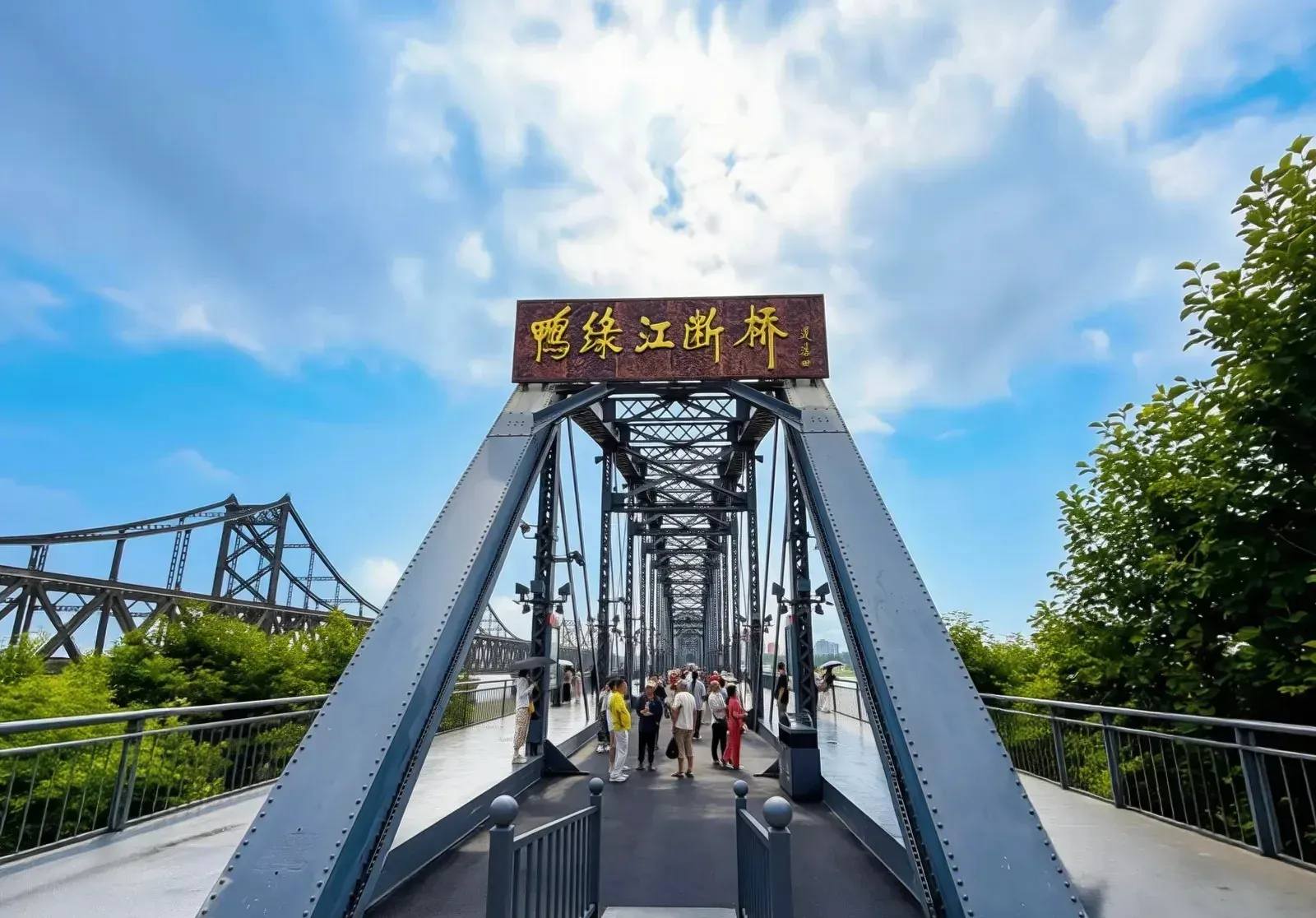
Dandong sits on the banks of the Yalu River, which forms the border between Liao Ning and North Korea, flowing into Korea Bay between Dandong and Sinuiju. The Yalu River Broken Bridge is located on Jiang'an Road along the river in Zhenxing District, preserving the ruins of the original bridge after US bombing runs.
The original bridge was a 12-span swing railway bridge measuring 944.2 meters long and 11 meters wide, opening to traffic in October 1910 to connect Dandong and Sinuiju. In November 1950, US bombings severed the span. Today, four arches remain on the Chinese side as a preserved ruin, while only piers stand on the North Korean side.
Hushan Great Wall sits in Hushan Village, Hushan Town, Kuandian Manchu Autonomous County, about 20 kilometers from Dandong's city center. Located where the Yalu River meets the Ai River, it faces North Korea across the water, with its main peak reaching 146.3 meters. It marks the eastern starting point of the Ming Great Wall and was incorporated into the national-level Great Wall cultural relic protection site in 2013.
What Geography and Climate Conditions Shape Travel in Liaoning, China?
Liaoning Province sits along the northern coast of the Yellow Sea as China's northernmost coastal province, with Shenyang as its capital. Temperatures vary sharply between the coast and the interior. As the warmest part of Northeast China, Dalian maintains an annual average temperature between 8 and 11 degrees Celsius, while inland cities experience significantly colder winters.
For summer visits, August is the hottest month in Dalian, coinciding with the peak period of its 550 to 1,000 mm annual precipitation. When visiting the Broken Bridge and Hushan Great Wall along the Yalu River in Dandong, open water conditions require attention to river breezes and sudden temperature shifts.
Sources
Liaoning - Wikipedia
Mukden Palace - Wikipedia
Shenyang Palace Museum
Yalu River Broken Bridge - Wikipedia
Hushan Great Wall - Wikipedia
Dalian - Wikipedia
Xinghai Square - Wikipedia
Sources verified on November 5, 2026
FAQ
What is the historical connection between Mukden Palace and the Forbidden City in Beijing?
Mukden Palace was founded in 1625 as the imperial palace before the Qing moved into China proper, becoming an auxiliary palace after Beijing became the capital. In July 2004, UNESCO added it to the World Heritage List as an extension to the Imperial Palaces of the Ming and Qing Dynasties in Beijing and Shenyang.
How large was the original Yalu River Bridge, and how much survives today?
The original crossing was a 12-span swing railway bridge measuring 944.2 meters long and 11 meters wide, opening in October 1910. After being bombed in November 1950, four broken spans remain on the Chinese side, while only bridge piers stand on the North Korean side.
Where exactly is the Hushan Great Wall located, and how tall is its main peak?
Hushan Great Wall is located in Hushan Village, Hushan Town, Kuandian Manchu Autonomous County, about 20 km from Dandong's city center at the confluence of the Yalu and Ai rivers. Its main peak stands 146.3 meters high, and it marks the eastern starting point of the Ming Great Wall.
What are the average annual temperatures and rainfall in Dalian?
Dalian has an average annual temperature of 8 to 11 degrees Celsius and annual precipitation of 550 to 1,000 millimeters. August is the warmest month and January is the coldest, making it the warmest region in Northeast China.
What iconic sculptures stand in Xinghai Square, and how large is it?
Dalian's Xinghai Square covers 1.76 million square meters facing Xinghai Bay to the south. It features the Centennial Sculpture and a relief pathway of 1,000 real footprints.